This article contains affiliate links: if you buy through them we may earn a commission, at no extra cost to you. Learn more.
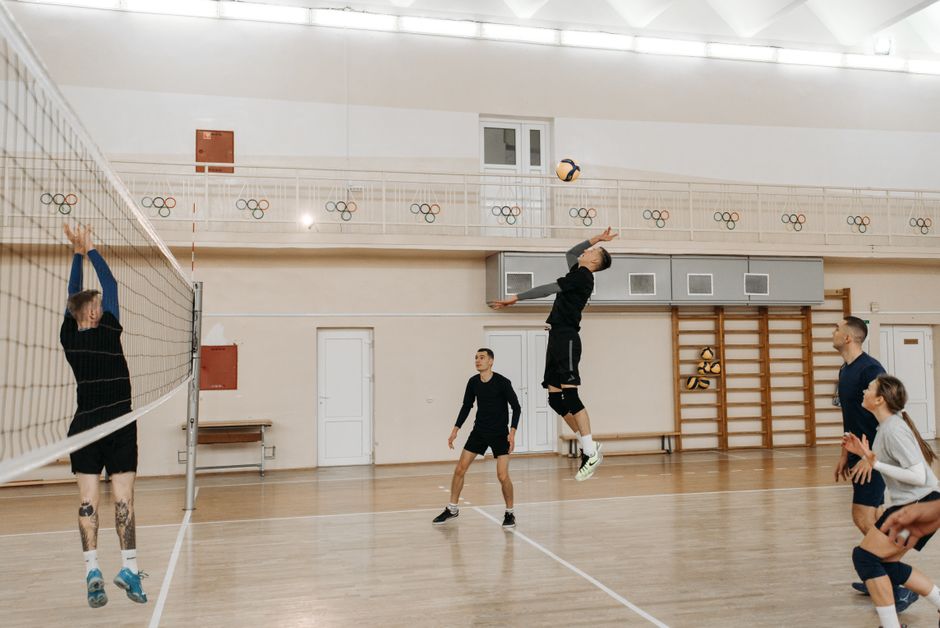
Every volleyball player knows the sound: a teammate lands on someone’s foot under the net, and an ankle rolls. Basketball, soccer, tennis, pickleball, trail running: any sport with jumping, cutting or uneven ground puts ankles at risk. The American Academy of Orthopaedic Surgeons says ankle sprains are among the most common injuries in ball sports, and most happen when the foot rolls inward. That’s why so many athletic trainers tape or brace ankles before practice. Here are the best ankle braces for athletes sold in 2026, from a $30 lace-up to a hinged shell, what the research says about bracing, and how to choose.
Prices change often. The prices below are what we saw at the maker or a major retailer in October 2026; check the current price before you buy.
Our top picks
Med Spec ASO Ankle Stabilizer
- Lace-up with figure-8 straps
- Fits left or right
- 8 sizes, XXS to 3XL
Zamst A2-DX
- Side guards + X straps
- Left and right versions
- For high ankle sprains
Active Ankle T2
- Rigid U-shaped shell
- Hinge allows up-and-down motion
- Sized by shoe size
McDavid Lace-Up Ankle Brace
- Lace-up + figure-8 straps
- Side stabilizers
- Low profile in shoes
Shock Doctor Ultra Wrap Lace
- Lace-up with outer wrap
- Flexible steel side stays
- Ventilated tongue
Bauerfeind MalleoTrain
- Compression knit
- Inner and outer ankle pads
- Machine washable
Ankle braces compared
| Brace | Type | Support | Fit | About (Oct 2026) |
|---|---|---|---|---|
| Med Spec ASO | Lace-up + straps | Moderate to firm | Either foot | $28–$40 (varies by size) |
| Zamst A2-DX | Straps + side guards | Strong (maker) | Left- or right-specific | $75–$80 |
| Active Ankle T2 | Hinged rigid shell | Firm side-to-side | Either foot | $35 |
| McDavid Lace-Up | Lace-up + figure-8 straps | Moderate to firm | Either foot | $35 |
| Shock Doctor Ultra Wrap Lace | Lace-up + wrap, steel stays | Firm | Sized by ankle | $45 |
| Bauerfeind MalleoTrain | Compression knit + pads | Light | Left- or right-specific | $120 |
The best ankle braces for athletes
1. Med Spec ASO Ankle Stabilizer: best overall
The ASO is the brace athletic trainers hand out in high school and college training rooms, and for good reason: it’s simple, cheap and fits in nearly any shoe. It’s a lace-up nylon boot with two angled stabilizing straps that wrap in a figure-8, like a tape job you can redo in seconds. Med Spec says the straps sit above the ankle bones to stop the brace sliding, the CoolFlex padding along the Achilles keeps it comfortable, and the same brace fits either foot. It comes in eight sizes from XXS to 3XL. On Amazon we saw it from about $28 to $40, depending on size and color.
- Good: proven design; inexpensive enough to buy two; works for most sports.
- Watch out: laces take a minute to tighten; fabric stretches over a long season.
- Best for: basketball, volleyball, soccer and tennis players who want everyday protection.
Check the ASO Ankle Stabilizer price on Amazon
2. Zamst A2-DX: best strong support
The A2-DX is Zamst’s strongest sports ankle brace. Plastic guards sit on both sides of the ankle to limit rolling inward and outward, and a connected plantar strap and cross strap pull up from the heel like a stirrup. It’s made in separate left and right versions, in sizes S to XL; Zamst says to pick the larger size if you’re between two. Zamst rates it “strong” support and markets it for high ankle sprains and chronic ankle instability. Price was $75 at Zamst and $80 on Amazon.
- Good: a lot of support from a fairly low-profile brace; quick to put on from the back.
- Watch out: buy the correct side; pricier than lace-ups.
- Best for: basketball and volleyball players coming back from sprains, or anyone who rolls ankles often.
Check the Zamst A2-DX price on Amazon
3. Active Ankle T2: best hinged
Volleyball and cheer teams love the T2 because it stops side-to-side rolling without stopping you from jumping. A rigid, U-shaped polypropylene shell wraps both sides of the ankle, a bilateral hinge lets it move up and down naturally, and light EVA padding lines the inside. One strap adjusts it for low- or high-top shoes, and it fits either foot. It’s sized by shoe size (medium fits men’s 7–10, women’s 8–11) and cost about $35.
- Good: very firm against rolling; easy on and off; durable shell.
- Watch out: bulkier than a lace-up; can feel stiff in low-cut shoes.
- Best for: volleyball, basketball and cheer, especially for athletes with a history of sprains.
Check the Active Ankle T2 price on Amazon
4. McDavid Lace-Up Ankle Brace: best value
McDavid’s lace-up brace pairs adjustable lacing with figure-8 straps and rigid side stabilizers, in a low-profile design that slides into court shoes and cleats. It fits left or right, and McDavid aims it at basketball, soccer, football, volleyball and running. It was about $35 on Amazon. If you prefer straps you can tighten without taking your shoe off, McDavid’s own store also sells the 195 Ankle Brace with Straps (figure-6 strapping) for $46.99.
- Good: tape-like support for the money; side stays add stability.
- Watch out: lace-ups take longer to put on than strap-only braces.
- Best for: team-sport athletes on a budget, and youth players.
Check the McDavid lace-up price on Amazon
5. Shock Doctor Ultra Wrap Lace: best for cleats
The Ultra Wrap Lace combines a lace-up brace with an outer wrap and a supportive “U” shape with flexible steel side stays. A breathable two-layer mesh and ventilated tongue help with sweat, and it’s latex-free. Shock Doctor sizes it by ankle circumference measured one inch above the ankle bone and suggests sizing up if your shoe size sits at the top of a range. It was about $45 on Amazon.
- Good: lots of adjustability; stays in place in cleats and high-tops.
- Watch out: warmer than a knit sleeve; more layers to put on.
- Best for: football, soccer, lacrosse and rugby players.
Check the Shock Doctor brace price on Amazon
6. Bauerfeind MalleoTrain: best light support
Not every athlete wants a stiff brace. The MalleoTrain is a medical-grade compression knit with two contoured pads that sit along the inner and outer ankle. It’s low-profile enough for running shoes, breathable and machine washable, and comes in six sizes with left and right versions. Bauerfeind lists it at $119.90. It’s built for compression and comfort rather than blocking a hard roll, so it suits sore or recovering ankles more than high-risk court sports.
- Good: comfortable all day; slim in any shoe.
- Watch out: expensive; much less support against rolling than a lace-up or hinged brace.
- Best for: runners, hikers, older athletes and everyday wear.
Check the MalleoTrain price on Amazon
What the research says about ankle bracing
- Braces cut ankle injuries in randomized trials. In a 2011 study of 1,460 high school basketball players, those wearing lace-up braces had about a third of the acute ankle injury rate of unbraced players (0.47 vs 1.41 per 1,000 exposures), with or without a past sprain. A similar 2012 study of 2,081 high school football players found 0.48 vs 1.12. In both, braces didn’t make the injuries that did happen less severe, and in football they didn’t change knee injury rates.
- Athletic trainers recommend them after a sprain. The National Athletic Trainers’ Association position statement says athletes with a history of ankle sprains should wear taping or bracing for all practices and games, and that lace-up and semi-rigid braces and tape all reduce repeat sprains.
- Bracing isn’t the whole answer. The same statement recommends a prevention program of at least three months focused on balance and neuromuscular control, and calls balance training near-mandatory after a sprain. A brace works best alongside that work.
How to choose an ankle brace
- Match the brace to the risk. Jumping and landing sports (volleyball, basketball) suit hinged or strong strapped braces; cutting sports in cleats suit lace-ups with straps; runners and hikers often prefer a knit support.
- Get the size right. Most brands size by shoe size or ankle measurement. A loose brace doesn’t help; a too-tight one hurts.
- Check left/right. ASO, Active Ankle T2 and McDavid fit either foot; Zamst A2-DX and MalleoTrain are side-specific.
- Try it in your game shoes. Hinged and wrapped braces take up room. You may need to loosen laces or go half a size up.
- Replace worn braces. Stretched laces and straps lose their hold over a season.
- See a professional for a bad sprain. Severe swelling, not being able to bear weight, or an ankle that keeps giving way needs a doctor or athletic trainer before you play again.
Team-sport players can find more injury-prevention ideas on our soccer page. For the knees, see our best knee sleeves and knee brace for running guides, or browse all braces and supports.
Ankle brace questions
Should I wear an ankle brace if I’ve never sprained my ankle?
You can. In the high school basketball study, lace-up braces lowered acute ankle injury rates in players both with and without a previous ankle injury. Many athletes still choose to brace only after a first sprain.
Is taping better than a brace?
The National Athletic Trainers’ Association says both taping and bracing reduce repeat sprains. Braces are reusable and you can put them on and adjust them yourself; tape needs someone to apply it every time.
Will an ankle brace weaken my ankle?
Wearing a brace isn’t a replacement for strength and balance training. Keep doing ankle exercises, especially after a sprain, so the brace is backup rather than your only support.
Which ankle brace is best for basketball and volleyball?
Hinged braces like the Active Ankle T2 and strong strapped braces like the Zamst A2-DX are popular for jumping sports. The ASO lace-up is a lighter, cheaper choice that many trainers use.
Can I wear an ankle brace while running?
For road running, many runners prefer a light knit support like the MalleoTrain. On rocky trails, a low-profile lace-up such as the ASO or McDavid gives more protection.