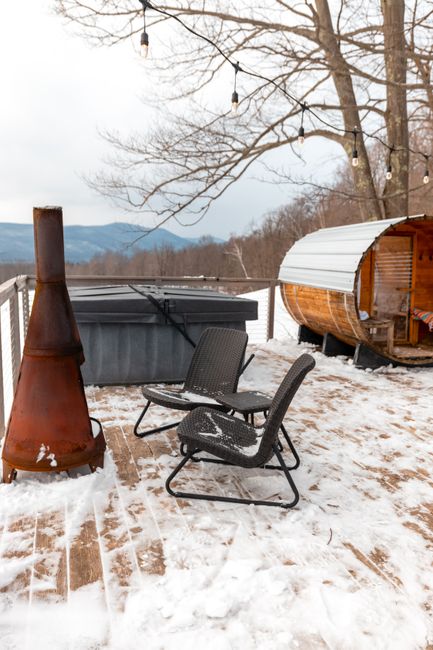
This article contains affiliate links: if you buy through them we may earn a commission, at no extra cost to you. Learn more.
Saturday, after a long ride with the club: ten minutes in the sauna, a cold plunge that takes your breath away, back into the heat, then out to the porch with a big glass of water, buzzing. That back-and-forth is contrast therapy, and athletes have used it for decades, from rugby changing rooms to Nordic bathhouses. The good news is that contrast therapy at home doesn’t need a spa: a shower can do it, and so can a tub and a sauna blanket. Here’s what the research says, how long to spend hot and cold, and three setups for any budget.
What contrast therapy is
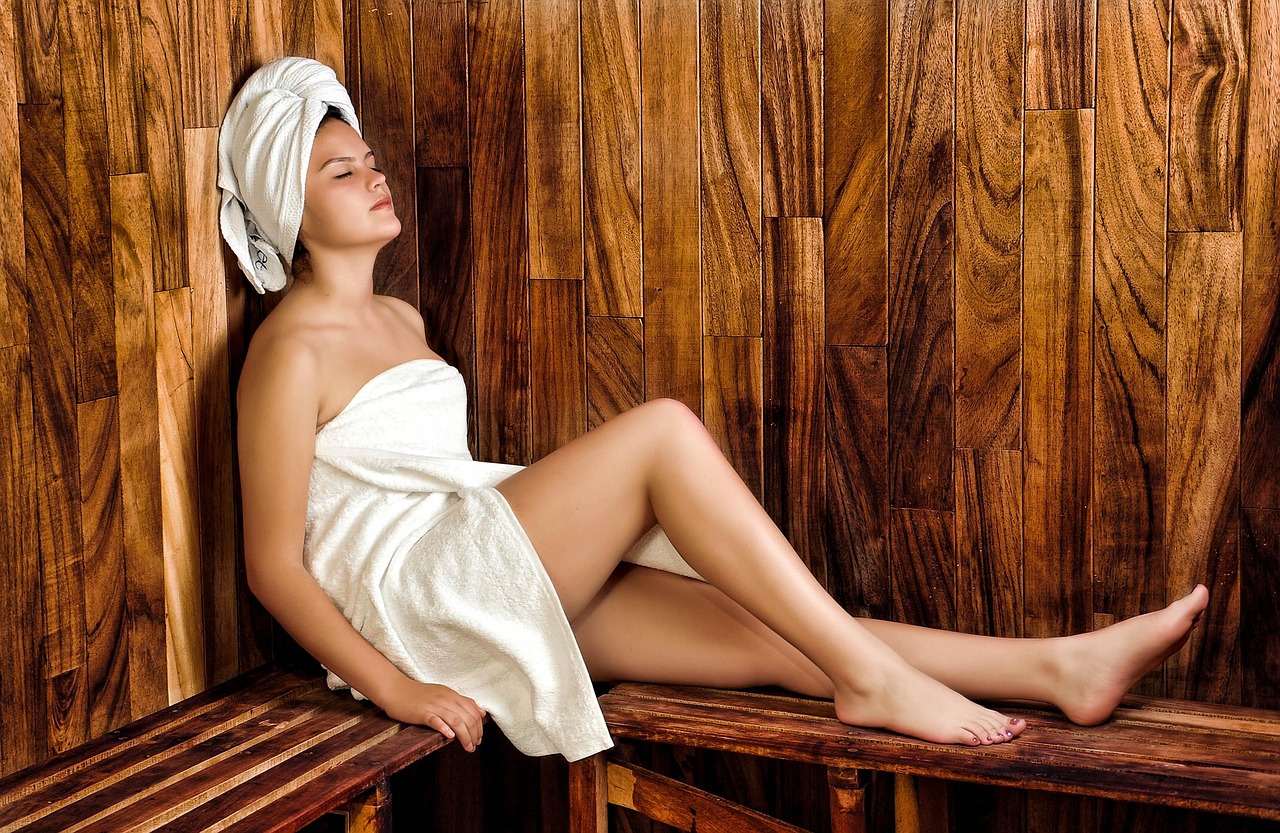
Contrast therapy (researchers call it contrast water therapy) means switching between warm or hot water and cold water several times in one session. In the studies, the hot part is a warm bath or shower and the cold part is cold-water immersion. At home, people also use a sauna or sauna blanket for the heat and an ice bath or cold shower for the cold. Many athletes simply like how it feels: warm and loose, then sharp and awake.
What the research says
- Better than doing nothing. A 2013 meta-analysis in PLoS ONE (Bieuzen and colleagues, 18 trials) found that contrast water therapy led to less muscle soreness and less loss of strength than passive rest at follow-ups from under 6 hours to 96 hours after hard exercise.
- Not clearly better than other methods. The same review found little difference between contrast therapy and other common options such as cold-water immersion alone, warm water, compression, active recovery or stretching. The authors also noted the trials had a high risk of bias.
- Showers can work, mostly for how you feel. In elite netball players, 14 minutes of contrast showers (1 minute at 38°C, 1 minute at 18°C) and contrast baths both made athletes feel more recovered than resting, but neither sped up the recovery of agility.
- Short-term gains in a newer trial. A 2026 randomized trial in 60 combat-sport athletes found that four weeks of 10-minute contrast showers (38–40°C warm, 13–15°C cold) after training improved resting heart rate, heart rate variability and perceived recovery compared with lukewarm showers, but the effects faded two weeks after they stopped, and morning cortisol didn’t change.
So contrast therapy is a reasonable, feel-good recovery habit, especially between games or hard sessions, not a magic fix.
Timings and temperatures that match the studies
In the Bieuzen review, the trials used:
- Cold: 8–15°C (46–59°F), usually 1 minute at a time.
- Hot: 35.5–45°C, averaging about 39°C (102°F), for 1–3 minutes at a time.
- Total: 6–24 minutes per session, switching several times.
A simple home routine that fits those numbers: 3 minutes warm, 1 minute cold, repeated 3 to 4 times, for 12–16 minutes in total. Many people like to finish on cold after training to cool down, or on warm in the evening before bed; there’s no strong evidence either way, so pick what feels right.
A sauna is much hotter than the warm water used in these studies. If you use one, keep sauna rounds short (around 10 minutes), cool off slowly at first, and don’t stack lots of rounds when you’re tired or dehydrated.
Three ways to do contrast therapy at home
1. The shower routine (free)
Set the water as warm as is comfortable for 2–3 minutes, then turn it fully cold for 30–60 seconds, letting it run over your legs, back and chest. Repeat three or four times. Tap water may not get as cold as the studies used, especially in summer, but it’s the easiest way to start and it fits any schedule.
2. Warm bath or shower plus an ice bath tub
Fill an ice bath tub with cold water and ice to about 50–59°F. Alternate 3 minutes in a warm shower or bath with 1 minute sitting in the tub, three or four rounds. This is close to the classic protocol teams use. Our best ice bath tub guide has options from about $99, and how long to ice bath after a workout explains cold timings in more detail.
3. Sauna or sauna blanket plus cold plunge
This is the “bathhouse” version: 10 minutes or so in a home sauna or sauna blanket, then 1–3 minutes of cold, then rest and repeat once or twice. It’s the most intense setup, so build up slowly. If you’d like a cabin, see our best home sauna picks.
Fitting it into your week
Contrast therapy works best as a habit tied to your hardest days, not a box to tick after every workout.
- Team sports (soccer, basketball, hockey, lacrosse): after games and the toughest practice of the week, especially when you play again within 48 hours. More ideas on our soccer page.
- Endurance athletes (runners, cyclists, triathletes, swimmers): after long runs or rides, interval days and races, when your legs feel heavy.
- Combat sports and CrossFit: after hard sparring or a heavy conditioning day; the 2026 trial used contrast showers after every training session for four weeks.
- Lifters: because long cold exposure right after lifting may blunt muscle gains, many coaches keep the cold part short on lifting days or save contrast sessions for rest days.
- Older and weekend athletes: start with the shower routine and warm-to-cool rather than hot-to-ice, and build up slowly.
Safety first
Big swings between heat and cold make your heart rate and blood pressure jump. Check with a doctor before trying contrast therapy if you have a heart condition, high or low blood pressure, Raynaud’s, diabetes with nerve damage, or are pregnant. Never mix it with alcohol. Move between hot and cold carefully (wet floors are slippery), sit down if you feel lightheaded, keep your head above water in a tub, and don’t do it alone when you’re new to it.
Gear that helps
The Cold Pod XL
- 116 gal folding pod
- Cover, pump, drain hose
- About $160 at the maker
Ice Barrel 300
- 77 gal insulated barrel
- Fits up to 6 ft
- About $1,150
HigherDOSE Infrared Sauna Blanket
- Up to 175°F
- 9 heat levels
- About $699
Dynamic Saunas Barcelona
- 1–2 person far-infrared
- Standard 120V plug
- About $1,900
For the cold side, The Cold Pod XL is a cheap, light folding pod, while the Ice Barrel 300 is a rigid insulated barrel that keeps ice longer. For heat, the HigherDOSE sauna blanket rolls away after use, and the Dynamic Barcelona is a wooden infrared cabin that plugs into a normal outlet. Browse more in our cold and heat section.
Contrast therapy questions
How long should contrast therapy last?
In the research, sessions ran from 6 to 24 minutes. A simple routine is 3 minutes warm and 1 minute cold, repeated 3–4 times, for 12–16 minutes in total.
Should I end on hot or cold?
There’s no clear answer in the research. Many athletes end on cold after training to cool down, and on warm in the evening so they feel relaxed before bed.
Can I do contrast therapy in the shower?
Yes. Alternate 2–3 minutes warm with 30–60 seconds cold, three or four times. Studies in netball players found contrast showers helped athletes feel more recovered, though tap water is often warmer than the cold water used in research.
Is contrast therapy better than an ice bath?
Not clearly. Reviews find both beat simply resting, with little difference between them. Pick the one you’ll do consistently, and many people find contrast therapy easier to face than a long ice bath.
How often can I do contrast therapy?
Many athletes use it after hard sessions or games, a few times a week. In the 2026 combat-sport trial, athletes used contrast showers after training for four weeks.