This article contains affiliate links: if you buy through them we may earn a commission, at no extra cost to you. Learn more.
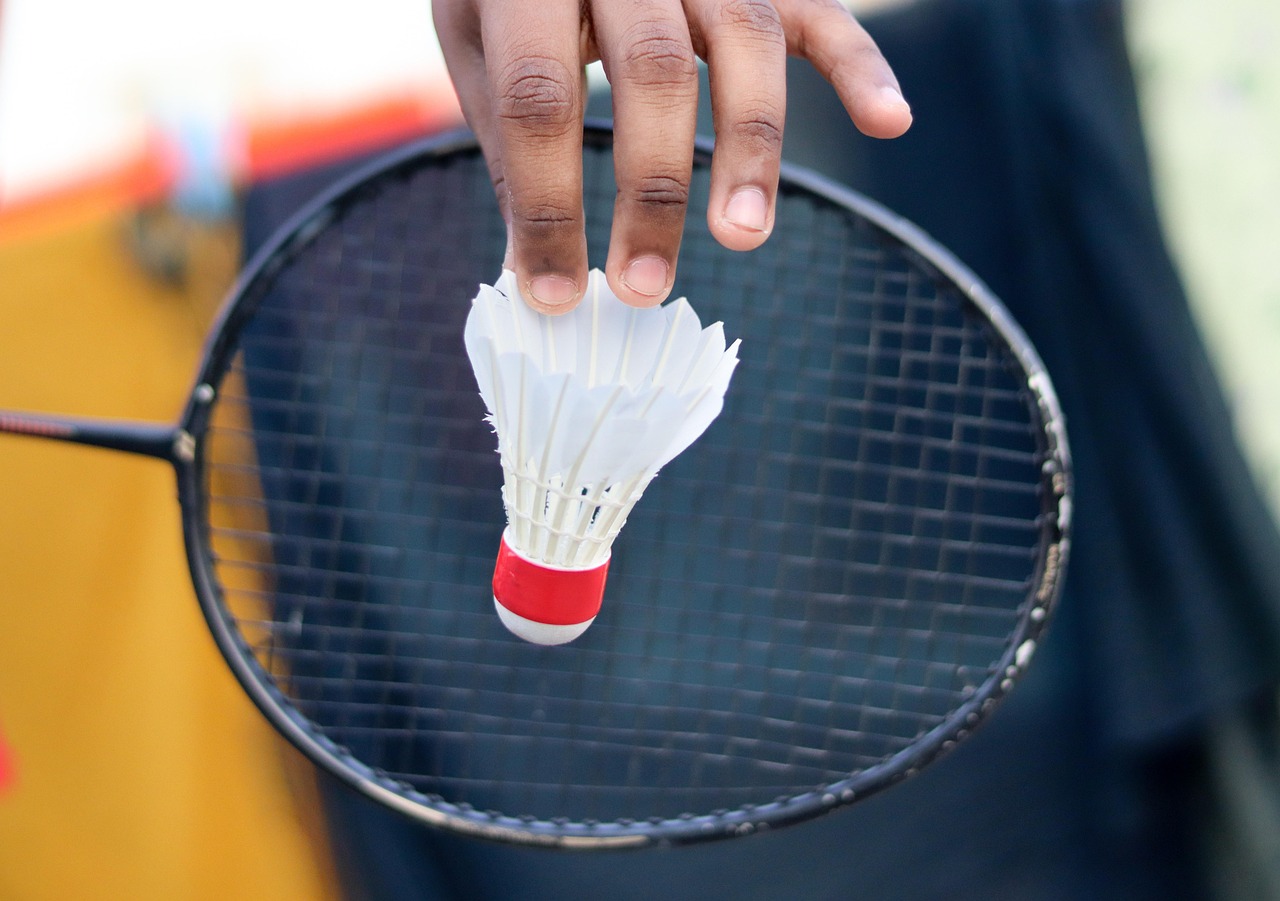
Wednesday night at the club, third game, 19-all. A man in his late thirties chases a clear to the back line, jumps, lands on one foot and turns around to see who kicked him. Nobody did. That “kick” is one of the most recognizable injuries in sport: a torn Achilles tendon. Badminton looks gentle from the bleachers, but it’s a sport of lunges, jumps, sudden stops and a shuttle that top players can smash at well over 300 mph. This page covers the injuries that keep showing up, from club nights to the Olympic Games, what the research says about lowering the risk, and the signs that mean “stop and get it checked”.
This page is general information, not medical advice. If you’re hurt, see a sports medicine doctor, physical therapist (PT) or certified athletic trainer (AT); for any eye injury, see an eye doctor the same day. For the bigger picture of the sport, start at our badminton hub.
How often badminton players get hurt
A 2025 systematic review of 19 studies, covering players from age 10 to 50 and from club to elite level, found between 1 and 4 injuries per 1,000 hours of play, with elite players toward the top of that range. Most injuries were to the lower body, a large share were overuse injuries that build up over weeks, and most were mild or moderate. A separate 2026 review of elite players found more than 45% had been injured in the past year, with tendon problems and sprains the most common types. The pattern is clear: legs and tendons first, then the shoulder of the racket arm, and a small number of serious eye injuries that are almost always preventable.
The injuries that matter most
Achilles tendon rupture
Badminton has a reputation for Achilles ruptures, and the numbers back it up. In a Danish national database from 11 hospitals, 21% of all Achilles ruptures (639 of 3,059) happened playing badminton. A Swedish hospital study of 31 badminton ruptures found an average age of 36, and 30 of the 31 players called themselves recreational players or beginners. Almost all (94%) were hurt in the middle or at the end of the game, which the authors linked to muscle fatigue. Danish researchers found most badminton ruptures happen on a weight-bearing, one-leg landing at the back of the court, near the baseline.
The American Academy of Orthopaedic Surgeons (AAOS) explains that the tendon usually tears when the calf is stretched too quickly, as in jumping or a sudden push-off. People describe a pop, then pain and swelling near the heel, and they can’t stand on their toes on that leg. A suspected rupture needs a doctor promptly. The Swedish authors stressed careful rehabilitation whatever the treatment, and the decision about surgery belongs to the person treating you.
Ankle sprains
A lunge to the forecourt where the foot rolls, or a landing on a partner’s foot in doubles: AAOS lists the classic signs as pain, swelling, bruising and an ankle that feels like it “gives out”. The National Athletic Trainers’ Association (NATA) says the most consistent risk factor for a sprain is a previous sprain, and it recommends a balance and neuromuscular program of at least 3 months, plus a brace or tape for practices and matches if you’ve sprained that ankle before. If you can’t put weight on it, see a doctor.
Shoulder pain in the racket arm
Clears and smashes put the shoulder in the overhead, cocked position thousands of times a week. In a survey of 188 world-class players at the World Mixed Team Championships, 52% reported previous or current pain in the racket shoulder, and 20% were playing with it at the time. Recreational players aren’t spared: a study of 99 club players found the same 52% figure, with 16% playing through ongoing pain. Most of it started gradually and looked like impingement, the rotator cuff irritation AAOS describes as pain lifting the arm that’s often worse at night. A 2026 review of prospective studies linked shoulder injury to a loss of internal rotation and weak eccentric strength in the rotator cuff, which is good news, because both can be trained.
Knee pain: patellar tendinopathy (“jumper’s knee”)
Every lunge loads the front of the knee, and badminton players lunge on the same leg over and over. In elite Danish players, patellar tendinopathy showed up on the lunge leg, and players with the problem had thinner tendons under higher stress than players without it. Another study scanned elite singles players during a tournament: every one of them showed signs of tendon stress in at least one Achilles or knee tendon, and the knee tendon of the dominant leg reacted most after the second match. AAOS notes that patellar tendon problems, often called “jumper’s knee”, are most common in running and jumping sports. Pain just below the kneecap that’s worse on stairs, landing or deep lunges deserves attention early. Ligament injuries happen too: reviews link knee valgus (the knee caving inward) on lunges and landings to ACL risk.
Eye injuries from the shuttle
The fastest recorded badminton hit is a 565 km/h (about 350 mph) smash, set in a test in 2023, and even an everyday drive at the net arrives before you can blink. A 2023 systematic review of 378 badminton eye injuries from 12 countries found the shuttlecock caused 85% of them, and that doubles play and not wearing eye protection were linked to injury. At a Melbourne eye hospital, 88 players came in over five years: bleeding inside the front of the eye (hyphema) was the most common injury, 90% needed treatment and 7% needed surgery. In a Shanghai series of 102 patients, 9 had open-globe injuries, the most serious kind. One Melbourne player’s regular glasses shattered when the shuttle hit them.
The American Academy of Ophthalmology (AAO) names badminton among the sports where the minimum eye protection is eyewear that meets ASTM F803, and says ordinary street glasses are not satisfactory protection. Polycarbonate lenses are the most shatter-resistant. If you wear glasses, prescription sports goggles are the safer choice. In doubles, the net player is the most exposed; many coaches teach keeping the racket up in front of the face and not turning to watch a partner’s smash. Any shuttle to the eye that causes pain, blurred vision, blood in the eye or light sensitivity is a same-day trip to an eye doctor or the emergency department.
Collisions and head knocks
Concussions are rare in badminton, but doubles partners do collide and players fall. The CDC’s HEADS UP rule applies here too: if you suspect a concussion, remove the player from play for the rest of the day until a health care provider clears them. Call 911 for danger signs such as worsening headache, repeated vomiting, slurred speech, unequal pupils, seizures or increasing confusion.
Badminton injury prevention: what the studies found
- A structured warm-up: in a 2025 cluster-randomized trial of 273 youth players, teams using a badminton prevention warm-up (PreventiBad) had 1.23 injuries per 1,000 hours, against 4.07 for teams doing their usual warm-up: about 70% fewer over 8 weeks. It’s one preliminary trial, but it fits the larger research on neuromuscular warm-ups in other sports.
- Land smarter at the back of the court: recreational players taught the elite “scissor kick” landing, with the foot turned out, reduced peak Achilles force by about a quarter in a 2022 lab study.
- Strength for lunges and landings: a summary of eight meta-analyses found jump, landing and strength programs halve ACL injuries overall. Calf, quadriceps and hip strength also protect the tendons that badminton loads most.
- Rotator cuff work: because weak eccentric cuff strength and lost internal rotation are linked to shoulder injury, band work for the racket shoulder is a sensible part of every week.
- Respect fatigue: most Achilles ruptures in the Swedish study came late in the game. If you’re cooked, finish the session.
- Rest for kids: the American Academy of Pediatrics (AAP) recommends at least 1–2 days off a week from the main sport and 3 months off a year, in 1-month blocks.
How to build these into a week is on our badminton training page.
Gear many players use
No product prevents injuries by itself, and a brace is not a substitute for rehab, so ask your PT or athletic trainer what fits your situation. Many players keep these in the bag: wrap-around eyewear like the Tourna Clear Eye Protection (the maker says it meets ASTM F803), a lace-up brace like the ASO EVO Ankle Stabilizer after a sprain, and a THERABAND resistance band kit for rotator cuff work. More options in our ankle brace guide, knee sleeve guide and resistance band guide.
Tourna Clear Eye Protection
- Polycarbonate wrap lens
- Meets ASTM F803 (maker)
- About $17
ASO EVO Ankle Stabilizer
- Lace-up with figure-8 straps
- Fits left or right foot
- About $19
THERABAND Resistance Band Beginner Kit
- Yellow, red, green flat bands
- Clinic-standard color system
- About $19
When to see a sports medicine doctor, PT or athletic trainer
- Right away (emergency or same day): a shuttle or racket to the eye with pain, blurred vision or blood in the eye; a pop at the back of the heel and you can’t rise onto your toes; a possible broken bone; concussion danger signs.
- Within a day or two: an ankle you can’t walk on, a knee that swelled quickly or gives way, or a suspected concussion.
- Soon: shoulder pain that wakes you at night, knee pain below the kneecap that’s getting worse, Achilles pain and stiffness in the morning, or any pain that keeps coming back.
Who does what: a sports medicine physician diagnoses and decides on imaging or referral; a physical therapist guides rehab and the return to lunging and jumping; a certified athletic trainer is often the first person to see you at school, college and big events; an ophthalmologist handles eye injuries. Return is a process, not a date: walking, then footwork, then light hitting, then full games, moving on only when each step causes no pain or swelling. Look after the basics in between on our badminton recovery page, and see how other court sports compare in tennis injuries.
Badminton injuries: FAQs
Why is badminton linked to Achilles ruptures?
It combines explosive push-offs with one-leg landings at the back of the court, and many players are recreational adults in their 30s and 40s. In Denmark, 21% of all Achilles ruptures in a national database happened in badminton, and most happened on a landing near the baseline.
Do I really need eye protection for badminton?
The American Academy of Ophthalmology recommends it: eyewear meeting ASTM F803 is the minimum it lists for badminton. A review of 378 eye injuries found the shuttle caused 85% of them, and lack of eye protection was a risk factor, especially in doubles.
Are my regular glasses enough?
No. The AAO says street (fashion) glasses are not satisfactory for sports with eye-injury risk, and doctors have reported shuttles shattering players’ glasses. Prescription sports goggles with polycarbonate lenses are the safer option.
Is shoulder pain normal for badminton players?
It’s common, about half of both world-class and club players in two Swedish studies, but common doesn’t mean you should play through it. Pain that lasts, affects sleep or changes how you swing is a reason to see a PT or sports medicine doctor.
Does a good warm-up actually prevent badminton injuries?
The early evidence is encouraging: in a 2025 trial of youth players, a badminton-specific prevention warm-up was linked to about 70% fewer injuries over 8 weeks. Warm-ups work only if you do them every session.
How do I know if I tore my Achilles?
AAOS describes a pop, sudden pain and swelling near the heel, and trouble standing on your toes on that leg. Many players think someone hit them from behind. Stop playing and see a doctor promptly.