This article contains affiliate links: if you buy through them we may earn a commission, at no extra cost to you. Learn more.
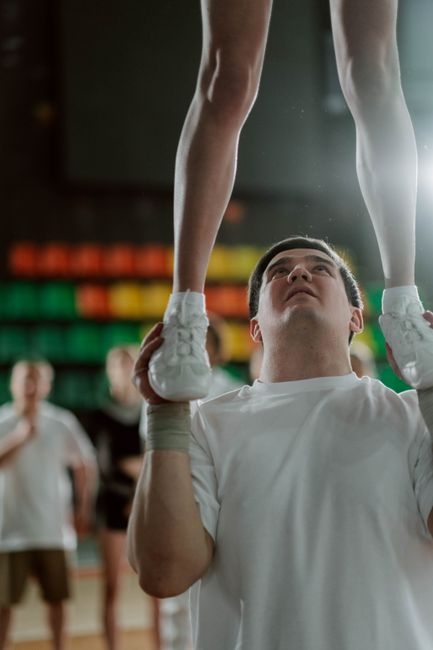
Sunday night after a two-day competition. The bow is off, the hairspray is finally washed out, and the bases’ forearms are bruised in the familiar places. Somebody’s ankle is propped on a pillow, a flyer is asleep in the back seat before the car leaves the parking garage, and there’s practice again Tuesday. Cheer has no real off-season for many athletes, which makes recovery part of the training, not a reward for it. This page covers cheerleading recovery at every level: the first hour after practice, sleep, refueling, rest days, getting through competition weekends, and which recovery tools are worth it.
General information, not medical advice. Pain that doesn’t settle with rest needs a sports medicine doctor, PT or athletic trainer. Back to the cheerleading hub.
Prices change often. The prices below are what we saw at the maker or a major retailer in October 2026; check the current price before you buy.
Why recovery matters so much in cheer
Cheer mixes repeated impact (tumbling landings, catches), heavy overhead loads for bases, and short all-out efforts. A study of elite cheerleaders found full-out routines push athletes to 80% or more of their maximum heart rate for most of the routine. And the volume adds up: in a survey of 440 Division I college cheerleaders, teams practiced about 205 days a year on average, close to three hours a session. Many younger athletes stack a school team, an all-star team and tumbling classes. The American Academy of Pediatrics (AAP) recommends that young athletes take at least 1–2 days off a week from their main sport and about 3 months off a year in total, in blocks of at least a month, to lower the risk of overuse injury and burnout.
The first hour after practice
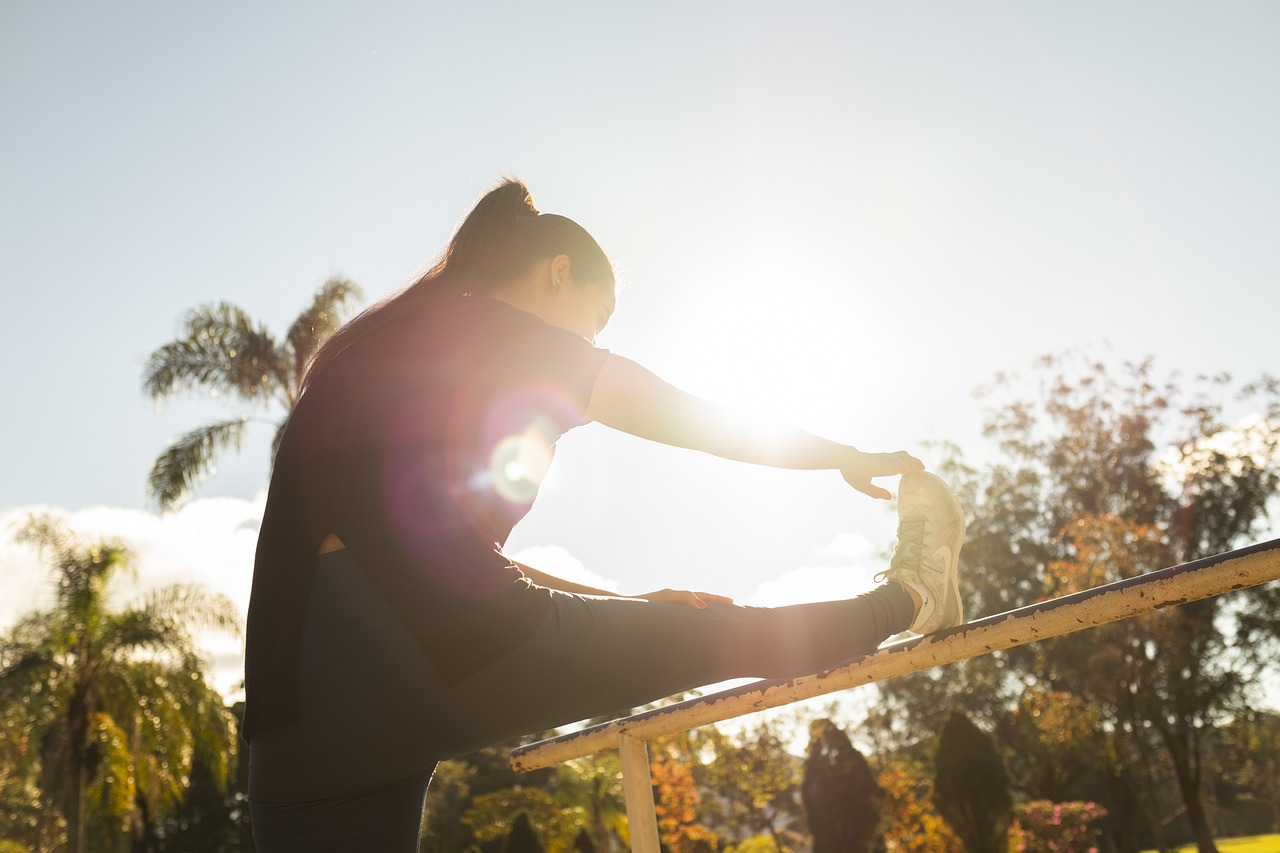
- Cool down easy. A few minutes of walking and light stretching helps you come down. Research reviews find a cool-down doesn’t do much for next-day soreness or injury, but it’s a good habit and a good time for flexibility work while you’re warm.
- Refuel. The 2016 ACSM, Academy of Nutrition and Dietetics and Dietitians of Canada position suggests about 15–25 g of protein (or 0.25–0.3 g per kg) in the first couple of hours after hard training, with carbohydrate to refill energy stores. Chocolate milk and a banana, a turkey sandwich, or yogurt with granola all work.
- Rehydrate. If you sweated hard, drink a bit more than you lost over the next few hours. The same position suggests 125–150% of the fluid deficit.
- Check in honestly. Tell your coach or athletic trainer about anything that hurt in a new way, especially after a fall, a hit to the head, or wrist or back pain during tumbling.
Sleep: the recovery tool you already own
The American Academy of Sleep Medicine, in guidance endorsed by the AAP, recommends 9–12 hours a night for children aged 6 to 12 and 8–10 hours for teens aged 13 to 18; adults need at least 7. Late practices, homework and early school starts squeeze cheerleaders from both ends, and competition weekends add 5 a.m. alarms and late awards. Helpful habits:
- Keep wake-up times steady on school days and weekends when you can.
- Screens down and lights low for the last 30–60 minutes before bed.
- No energy drinks: the AAP says they have no place in children’s and teens’ diets.
- A short nap (20–30 minutes) after a very early competition start can help; long late-afternoon naps can wreck the night.
Eat enough to recover
Recovery runs on food. When athletes eat too little for the training they do, the International Olympic Committee calls the result Relative Energy Deficiency in Sport (REDs), and its 2023 consensus links it to bone stress injuries, hormone problems, frequent illness and stalled performance. In a small study of college cheerleaders, every athlete had low energy availability on practice days. Regular meals with carbohydrate and protein are part of the recovery plan; more on our cheerleading nutrition page.
Competition weekends and the week after
- Between days: a proper dinner, a shower, legs up, early to bed. Lay out the uniform and pack the cooler the night before so you can sleep longer.
- The day after: rest or easy movement (a walk, a swim, gentle stretching). Soreness usually peaks a day or two after hard work.
- The next practice: lighter on full-outs and new skills if the team competed hard over the weekend.
- Watch for overload: tiredness that doesn’t lift, more aches, worse sleep, irritability, frequent colds or a drop in skills can mean training and life are piling up faster than the body recovers. Talk to your coach, and a doctor if it lasts.
Recovery tools: what’s worth it
None of these replaces sleep, food and rest days, but many cheerleaders like them:
- Foam roller. Rolling calves, quads, glutes and upper back feels good and is cheap. Avoid rolling directly on joints or the lower spine. A firm, compact one like the TriggerPoint GRID 1.0 fits in a gym bag.
- Massage gun. A 2018 review of 99 studies found massage was the most effective recovery method for muscle soreness and feelings of fatigue; a 2026 meta-analysis of percussive devices found some benefit for jump performance recovery but no clear benefit for strength or soreness. A small one like the Theragun Mini is popular with older athletes; younger ones should use one only with a parent’s OK, on muscles, never on the head, neck, bones or an injury.
- Cold water. Cold-water immersion (around 10–15 °C for 10–15 minutes) can reduce soreness after hard sessions, but one study found that regular ice baths after strength training blunted strength gains over 12 weeks, so save them for competition weekends, not every lifting day. Skip cold plunges if you have a heart condition, and kids should do them only with adult supervision.
- Recovery slides. After hours in cheer shoes, a cushioned slide like the OOFOS OOahh is a comfortable change.
TriggerPoint GRID 1.0
- 13 in, hollow core
- Multi-density surface
- About $40
Theragun Mini (3rd Gen)
- Pocket size, 3 speeds
- 3 attachments
- About $220
OOFOS OOahh Slide
- OOfoam slide
- APMA Seal of Acceptance
- Machine washable
Full comparisons in our best recovery tools for athletes, best massage guns and best recovery shoes guides, and a simple daily plan in our athlete recovery routine. To track sleep and recovery, see the best wearables for cheerleaders. Comparing sports? See soccer recovery.
Cheerleading recovery FAQs
How many rest days does a cheerleader need?
The AAP recommends at least 1–2 days off a week from the main sport for young athletes, plus about 3 months off a year in total. Count school, all-star and tumbling classes together.
How much sleep do teen cheerleaders need?
8–10 hours a night for ages 13 to 18, and 9–12 hours for ages 6 to 12, according to the American Academy of Sleep Medicine guidance endorsed by the AAP.
What should I eat after cheer practice?
Carbohydrate plus about 15–25 g of protein within a couple of hours: chocolate milk and fruit, a sandwich, yogurt and granola, or a normal dinner if it’s soon. Drink to replace what you sweated.
Are ice baths good for cheerleaders?
They can ease soreness after a hard competition, but regular cold-water immersion after strength training may blunt strength gains. Use them occasionally, with adult supervision for kids, and skip them with a heart condition.
Is it normal for bases’ wrists and forearms to be sore?
Some muscle soreness and bruising after a heavy stunt practice is common and should fade in a day or two. Pain in the joint itself, swelling, or pain that returns every practice should be checked by an athletic trainer or doctor.