This article contains affiliate links: if you buy through them we may earn a commission, at no extra cost to you. Learn more.
The curtain comes down at 10:15. By the time the makeup is off and the bobby pins are out, it’s nearly midnight, and the feet are throbbing in a way that only a two-show Saturday can produce. Tomorrow there’s class at 10. For dancers, recovery isn’t a weekend luxury; it’s what happens in the few hours between one long day and the next. This page covers the basics that matter most: cooling down, refueling, sleep, caring for feet and tendons, and handling heavy seasons, for students, competition dancers, college dancers and pros.
General information, not medical advice. If something hurts in one spot, is getting worse, or changes how you dance, see a sports medicine doctor, PT or athletic trainer. Back to the dance hub.
Rest is part of training
The International Association for Dance Medicine & Science (IADMS) lists rest as a component of dance fitness alongside strength and flexibility, and says its importance “cannot be stressed enough”. Rest helps muscles regenerate, reduces fatigue and lowers injury risk. Too much training without enough recovery leads to overtraining, with long-lasting fatigue, mood changes, loss of motivation and dancing that gets worse instead of better. IADMS’s advice: watch the quality of your dancing rather than just the quantity, and look after diet, hydration, rest and sleep.
Cool down and refuel
A few minutes of easy movement and gentle stretching after class or a show helps you wind down and is a good time to work on flexibility, since IADMS recommends full-range stretching when the body is warm. A 2018 review found an active cool-down doesn’t do much for next-day performance or soreness, so don’t stress about the perfect routine; the food and sleep that follow matter more.
After a long day, eat a real meal with carbohydrate and protein within a couple of hours. The 2016 sports nutrition position from the American College of Sports Medicine, the Academy of Nutrition and Dietetics and Dietitians of Canada suggests roughly 15–25 grams of protein early in recovery, plus carbohydrate to restock energy, especially when you dance again within a day. Late-night options that work: a turkey or peanut-butter sandwich and milk, Greek yogurt with granola and fruit, leftover rice and chicken. IADMS also reminds injured dancers to keep eating enough: healing tissue needs energy too. A protein shake like Thorne Whey Protein Isolate can be a convenient backup when the theater kitchen is closed; it doesn’t replace food (more in dance nutrition).
Sleep: the dancer’s weak spot
Late shows, early class, adrenaline and screens make sleep hard. In a 2024 study of 147 professional dancers in six German companies, 53% reported sleep problems at the start of the season, and “poor sleep” showed up in about 69% of weekly check-ins during the season, linked to pain, stress and heavy workload. The authors recommend screening sleep and paying special attention during busy periods. In a 2025 screening of 96 dancers in three ballet companies, almost two-thirds reported some sleep problems, and worse sleep went along with more symptoms of depression and anxiety. Sleep targets from the American Academy of Sleep Medicine: 9–12 hours for ages 6–12, 8–10 hours for teens, and 7 or more for adults.
- Wind down after shows: shower, eat, dim the lights, park the phone. Adrenaline takes time to settle.
- Protect the morning after: on heavy weeks, sleep in when you can and nap in long breaks.
- Watch caffeine late in the day if you sleep badly.
Want to see your own sleep trend? See our dance wearables page and the sleep tracker guide.
Feet, tendons and the next day
- Give tendons time. IADMS’s tendon paper says a tendon needs about three days to adapt to a big jump in load. After a heavy show or competition weekend, plan lighter jumping and pointe work for a couple of days rather than stacking another big load right away.
- Don’t stop completely, either. IADMS notes that fully unloading a sore tendon can be as unhelpful as overloading it; modified class (barre, floor work, adagio) often fits better than total rest, with your PT’s input.
- Care for skin and toes. Let blisters dry, keep nails trimmed straight, and change wet toe pads.
- Give feet a break off stage. Many dancers swap pointe shoes and character heels for cushioned slides like OOFOS OOahh on the walk home. More in our recovery shoes guide.
Recovery tools: what the research says
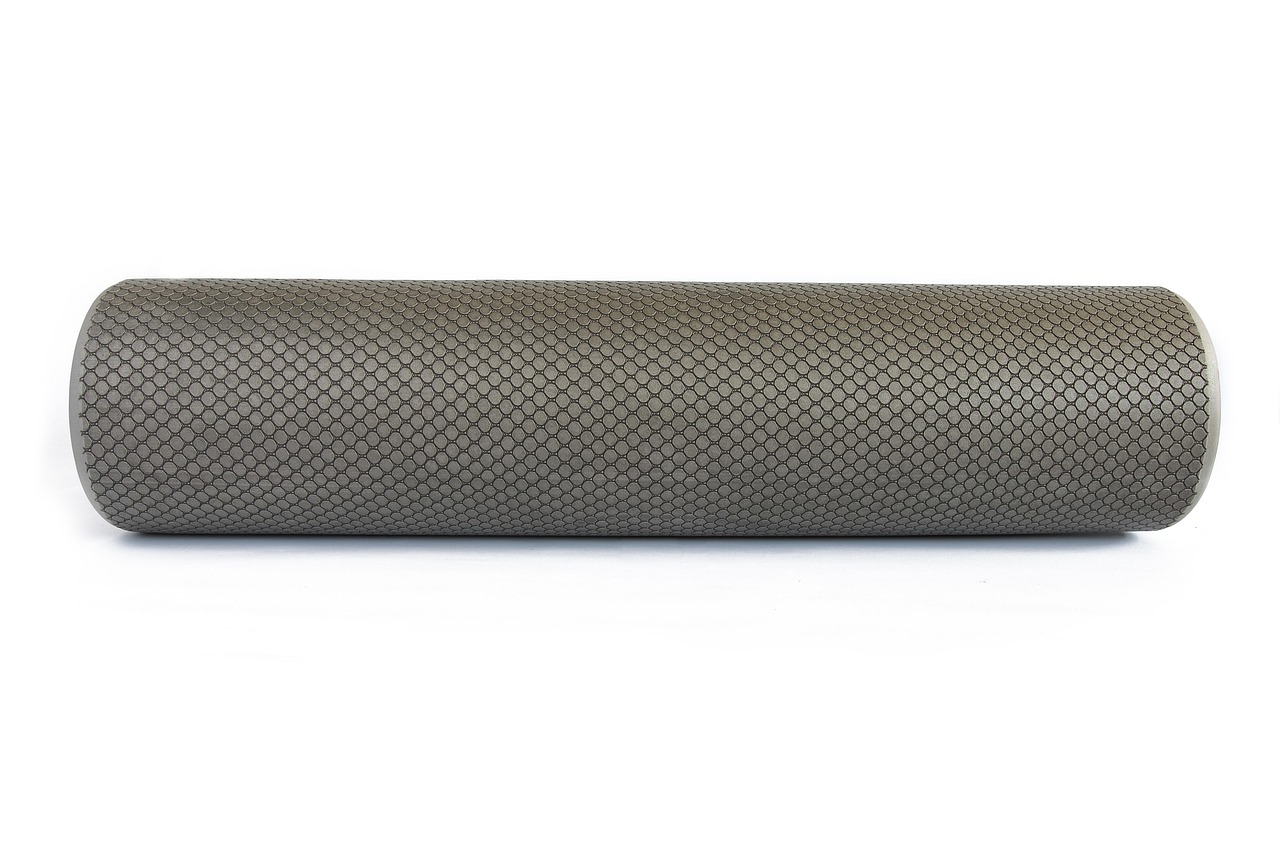
A 2018 analysis of 99 studies found massage was the most effective of the common recovery methods for reducing soreness and the feeling of fatigue. Foam rolling and massage guns are the do-it-yourself versions: a TriggerPoint GRID roller for calves, quads and glutes, or a small massage gun like the Theragun Mini that fits in a dance bag. A 2026 review of percussive devices found they helped jump performance recover, but showed no clear benefit for soreness or maximum strength. Use them for comfort, not as a fix for pain in one spot. Ice baths and cold plunges reduce soreness slightly, but used right after strength sessions they can blunt strength gains; they’re also not for everyone (heart conditions, high blood pressure, Raynaud’s, pregnancy). Our recovery tools guide compares options.
TriggerPoint GRID 1.0
- 13 in, hollow core
- Multi-density surface
- About $40
Theragun Mini (3rd Gen)
- 3 speeds, 3 attachments
- Travel case
- About $220
OOFOS OOahh Recovery Slide
- Foam recovery slide
- APMA Seal of Acceptance
- About $60
Heavy seasons: intensives, tech week, Nutcracker, competition season
- Plan the week, not just the show. Put the lightest class or rest day right after the biggest performance day.
- Young dancers need real breaks. The American Academy of Pediatrics recommends at least 1–2 days off a week from the main activity and 3 months off a year in 1-month blocks. Summer intensives right after the spring recital season leave little room for that.
- Check in on mood, not just muscles. Loss of motivation and irritability are overtraining signs too.
- Off-season isn’t no-season. Easy cross-training like swimming or cycling keeps fitness without the impact; see dance training.
When recovery isn’t enough and pain keeps returning, read dance injuries for warning signs. Athletes in other sports can compare with soccer recovery.
Dance recovery: FAQs
How many rest days do dancers need?
For young dancers, the AAP recommends at least 1–2 days a week off the main activity and 3 months a year in total. IADMS stresses rest for dancers of every age. One full day off a week and lighter days after big performances are a sensible baseline.
What should I eat after a late show?
Something with carbohydrate and protein that you can eat quickly: a sandwich and milk, yogurt with granola, rice and chicken. ACSM’s position suggests about 15–25 grams of protein early in recovery. Skipping food after a long day leaves you emptier for tomorrow’s class.
Why can’t I sleep after a performance?
Adrenaline, late meals, bright dressing rooms and screens all keep you alert. It’s common: professional dancers in one study reported poor sleep in about 69% of weekly check-ins during the season. A calm wind-down routine and protecting the next morning help.
Are massage guns good for dancers?
Many dancers like them for tight calves and glutes. Research shows massage reduces soreness and the feeling of fatigue, and a review of percussive devices found jump performance recovered better. Avoid bony spots and areas with sharp pain, and get any pain in one spot checked.
Should I stop dancing completely when something is sore?
Not always. IADMS suggests modified participation, like barre, floor work and no jumps, often works better than total rest for overuse problems, as long as movement is pain-free during and after class. Sharp or worsening pain needs a professional first.