This article contains affiliate links: if you buy through them we may earn a commission, at no extra cost to you. Learn more.
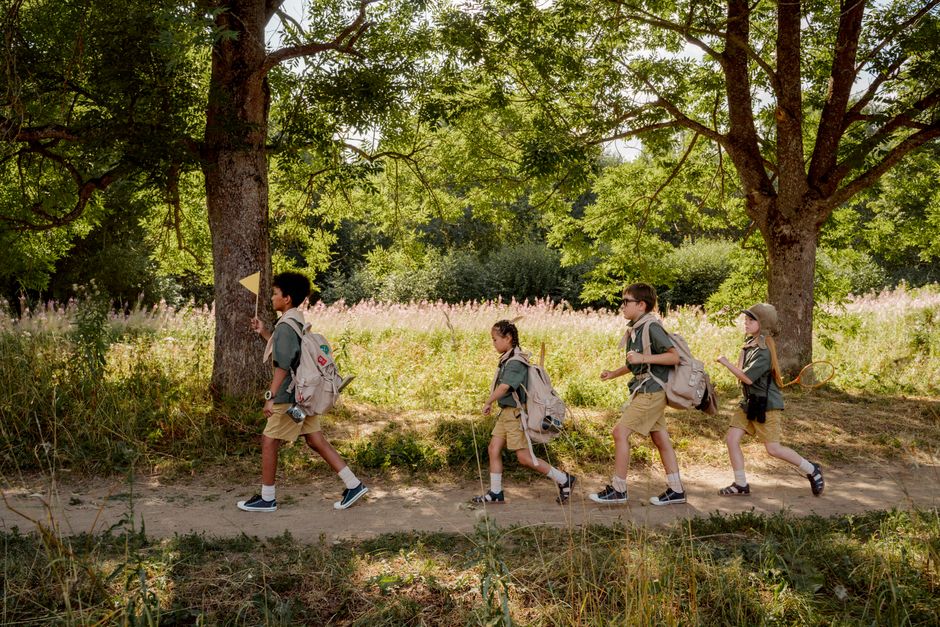
A four-year-old who refuses to walk another step, until someone spots a salamander under a log and suddenly she’s leading the way. A ten-year-old with his own pack, a whistle clipped to the strap and a pocket full of trail mix. A scout crew of teenagers heading into the backcountry for 12 days. Hiking with kids is slow, muddy and full of snack breaks, and it’s one of the best things a family can do together. Here’s how to do it safely at every age, from babies in carriers to teen backpackers, with the programs that help and the gear that’s worth it.
Hiking by age
| Age | What works | Watch for |
|---|---|---|
| Babies (carrier) | Short, shady, flat trails; the adult carries everything. | The American Academy of Pediatrics (AAP) says to keep babies under 6 months out of direct sun; use shade and clothing. |
| Toddlers and preschoolers | Short loops with a “prize”: water, a bridge, a view. Expect lots of stops. | Water, cliffs and fast streams; keep them within reach. |
| School-age kids | Longer day hikes, their own small pack, a whistle and a map to follow. | A pack that’s too heavy; teach the “hug a tree” rule. |
| Teens | Overnight backpacking, scout treks, outdoor schools, peak days with adults. | Pack weight, training before big trips, heat and altitude. |
The National Park Service (NPS) advice for any group fits families perfectly: let the slowest hiker set the pace, and always stay together. Plan the hike for the youngest legs, not the oldest, and turn around while everyone is still having fun.
Safety rules for kids on the trail
If a child gets lost: stay put and “hug a tree”
The NPS teaches kids three things if they’re separated from their group: stay where you are and listen for people calling your name; hug a tree (or a bench, a lamp post or a big rock, so you stay in one place); and make yourself easy to find by waving your arms, blowing a whistle or flashing a light. The idea goes back to the “Hug-a-Tree and Survive” program, created after a 1981 search for a nine-year-old boy in southern California; some parks still teach it to kids aged 5 to 10. Practice it at home, give every child a whistle, and dress them in bright colors.
The Ten Essentials, kid-sized
Adults carry the full Ten Essentials (see our trail rules and safety page), but older kids can carry their own whistle, water, snack, rain jacket, hat and a small flashlight. The NPS also suggests knowing your route and telling someone your plan before you go.
Sun, heat and water
- Sunscreen: the AAP recommends a broad-spectrum sunscreen of SPF 15 to 50, applied 15–30 minutes before going out and every 2 hours, plus a hat with a 3-inch brim and sunglasses. Up to 80% of UV gets through clouds.
- Timing: UV is strongest from 10 a.m. to 4 p.m., which is also when the NPS warns hikers away from the hottest trails in summer. Start early.
- Drink and snack often: kids rarely say they’re thirsty until they’re cranky. Offer water and salty snacks at every stop.
- Treat stream water: the CDC says to boil it for 1 minute (3 minutes above 6,500 feet) or use a proper filter.
Ticks and wildlife
Ticks love kids’ height. The CDC recommends an EPA-registered repellent, walking in the center of the trail, and a full tick check (behind the knees, under the arms, around the hairline) plus a shower within two hours of getting home. Teach kids to watch animals from a distance and never feed them.
Falls and head bumps
Most trips and falls mean scraped knees. After a blow to the head, watch for the signs in the CDC’s HEADS UP program, such as headache, dizziness, confusion, vomiting or a child who just isn’t acting right. End the hike and have a healthcare provider check them. Call 911 for danger signs such as a worsening headache, repeated vomiting, seizures or unusual drowsiness. For sprains, blisters and when to see a doctor, see our hiking injuries page.
How heavy should a kid’s pack be?
There’s no official number for hiking packs, but the AAP’s school-backpack advice is a good starting point: no more than 15% of a child’s body weight (15 pounds for a 100-pound child), worn on both shoulders with a waist belt or chest strap, heaviest items closest to the back. If they have to lean forward to carry it, it’s too heavy. Research on teens backs this up: in a study of 1,206 participants on 12-day backpacking treks at Philmont Scout Ranch, a heavier pack relative to body weight was one of the factors linked with injuries.
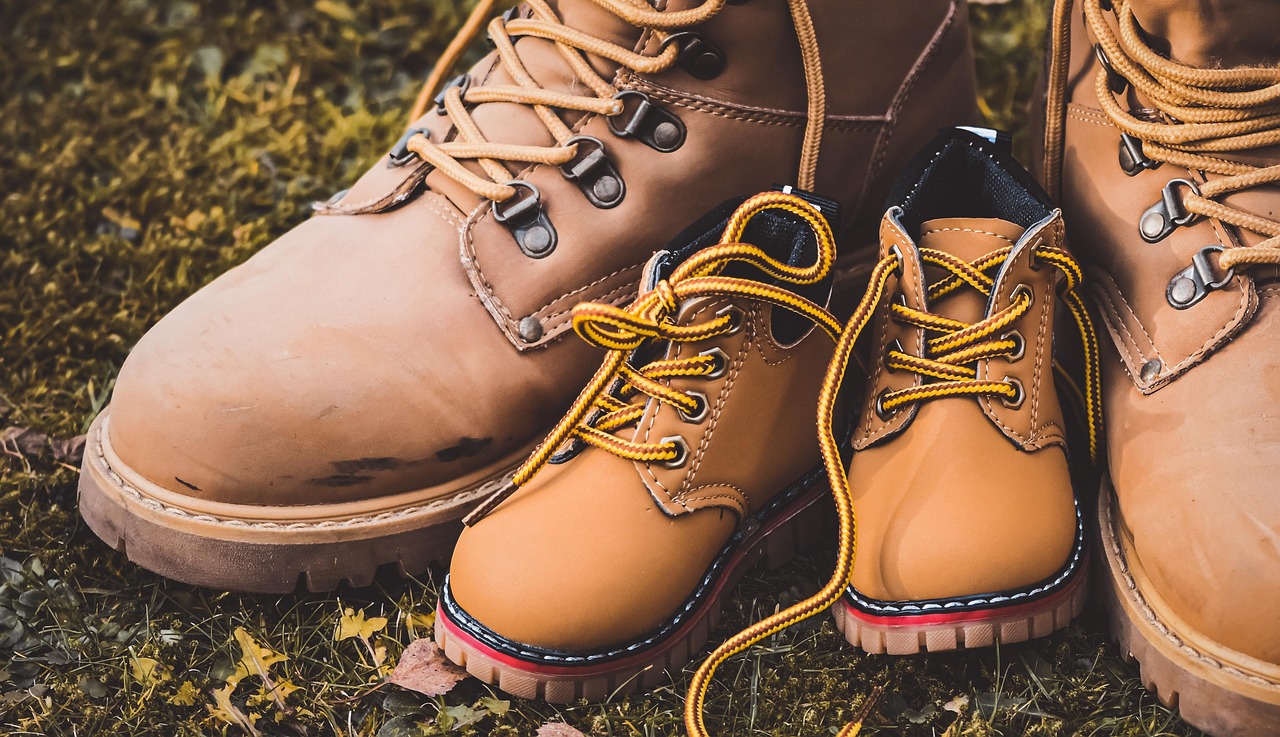
For young hikers, the Osprey Jet 12 is a 12-liter kids’ pack that Osprey says weighs about 0.75 pounds and fits ages 4 to 12, with a sternum strap that has a built-in safety whistle, mesh side pockets for bottles and a sleeve for a water reservoir. For feet, the KEEN Targhee 4 Mid is a waterproof kids’ hiking boot with KEEN’s roomy toe box and lugged soles (about $85 at KEEN for little kids’ sizes). Pack the Adventure Medical Kits Mountain Series Hiker first-aid kit for the scrapes. Adults’ gear is on our hiking gear page.
Prices change often. The prices on this page are what we saw at the maker or a major retailer in October 2026; check the current price before you buy.
Osprey Jet 12 Kids' Hiking Pack
- 12 liters, about 0.75 lb
- Sternum strap with safety whistle
- Ages 4-12 (maker)
KEEN Targhee 4 Mid Waterproof (Kids)
- KEEN.DRY waterproof membrane
- Lugged traction
- About $85
Adventure Medical Kits Mountain Series Hiker
- 1-2 people, 1-2 days (maker)
- About 7 oz
- About $34
Programs for young hikers
- NPS Junior Ranger: free at most of the more than 400 National Park Service sites. Kids pick up an activity booklet at the visitor center, complete it and earn a Junior Ranger badge. Adults are welcome too.
- Every Kid Outdoors: US fourth graders (including home-schooled kids aged 10) can download a pass for free entry to federal lands and waters for a year, September 1 to August 31. Up to three adults and all kids under 16 get in free with them.
- Scouting: troops hike year-round, and Philmont Scout Ranch in New Mexico sends youth crews on 12-day treks after physical conditioning and a doctor’s medical clearance.
- Clubs and outdoor schools: the Appalachian Mountain Club, Sierra Club chapters and many local clubs lead group outings, and outdoor schools such as the National Outdoor Leadership School (NOLS) run wilderness courses. More on our organizations and trails page.
- National Trails Day: the first Saturday in June, with family-friendly hikes and trail-work events organized with the American Hiking Society.
Teens: from day hikes to backpacking
Teens can handle real mileage and multi-day trips, and the same rules apply as for adults. Train before a big trip: in a survey of long-distance Appalachian Trail hikers, those who didn’t train beforehand were much more likely to report an injury. Keep packs light, break in footwear before the trip, change into dry socks when feet get wet (wet socks almost doubled the blister risk in a study of hikers on the Camino de Santiago), and learn map and compass. For high peaks, read up on altitude: the CDC says altitude illness can start for people sleeping at 8,000 feet and higher. Many families also do a training plan together in the weeks before a trip. The whole sport is on our hiking hub, and kids who love running trails will like our youth running guide.
Hiking with kids FAQs
How far can a child hike?
There’s no official chart; it depends on the child, the trail and the weather. Start short and flat, with something fun at the end, let the slowest hiker set the pace as the NPS suggests, and add distance as they ask for more.
What should a child do if they get lost on a hike?
Stop and stay put. The NPS teaches kids to “hug a tree” (or a bench or big rock), listen for their name, wave their arms and blow a whistle or flash a light so searchers can find them.
How much weight can a child carry in a backpack?
The AAP’s guidance for school backpacks is no more than 15% of body weight, which makes a sensible limit on the trail. If a child leans forward under the pack, lighten it.
Can babies go hiking?
Yes, in a carrier on easy trails, with lots of shade. The AAP says to keep babies under 6 months out of direct sunlight and to use sunscreen only on small areas when shade and clothing aren’t enough. Ask your pediatrician about anything specific to your baby.
How do kids get a free national parks pass?
Through Every Kid Outdoors: US fourth graders (and home-schooled 10-year-olds) can get a free pass on the program’s website, good at federal lands and waters from September 1 to August 31, for them and their family.