This article contains affiliate links: if you buy through them we may earn a commission, at no extra cost to you. Learn more.
Sunday evening after a show weekend. The horse has been hosed off, poulticed, wrapped and turned out with a full hay net. The trailer is unpacked, the tack is wiped, and only now do you notice: your inner thighs are on fire, your lower back is stiff from bucket-hauling, and you’ve had three hours of sleep a night since Thursday. Riders are famous for putting the horse first. That’s good horsemanship. But the rider recovers too, and a rider who never recovers rides tired, sore and less safely. Here’s what riders at every level, from weekend trail riders to college teams and international eventers, can do in the hours and days after riding.
General information, not medical advice. Pain that doesn’t settle, or any symptoms after a fall, deserve a visit to a sports medicine doctor, physical therapist (PT) or athletic trainer. More on the sport at our horseback riding hub.
Right after you ride
- Walk it out together. Your horse’s cool-down walk is your cool-down too. Research on cool-downs in general finds they don’t do much for next-day soreness, but an easy few minutes helps your heart rate and breathing settle, and it’s a good moment to check in with your body.
- Refuel. A 2023 review of rider nutrition recommends 1–2 g of carbohydrate per kg of body weight within three hours of a hard day or competition, sooner rather than later. The ACSM sports nutrition position statement adds 15–25 g of protein in the first couple of hours. Chocolate milk, a turkey sandwich, or yogurt with fruit and granola all work.
- Rehydrate. ACSM’s guidance is to drink about 1.25–1.5 liters for every kilogram of body weight lost while riding. If you didn’t weigh yourself, drink steadily and aim for pale urine. Go easy on alcohol after a show; the rider review notes it can slow rehydration.
- Stretch the riding muscles. Five minutes for the inner thighs, hip flexors, glutes, hamstrings and lower back feels good after long hours in the saddle.
The barn work counts
Mucking stalls, carrying water buckets and stacking hay bales are heavy, repetitive work. In a survey of 347 riders, low back pain in the past year was more likely in those with more weekly riding hours and in those who did daily stable chores. The same rider nutrition review counts grooming and horse care as part of the day’s energy cost. So:
- Lift bales and buckets close to your body, bend at the hips and knees, and don’t twist while carrying.
- Split loads: two half buckets instead of one full one, and switch the hand you carry with.
- Build the strength for it off the horse; see rider fitness.
After a fall: the next 48 hours
Many riders hit the ground, get back on, and only feel it the next morning. Pay attention to the hours and days after a fall:
- Head: the CDC notes concussion symptoms can show up hours or days later. Headache, dizziness, nausea, feeling foggy, trouble sleeping or mood changes mean no riding until a health care provider clears you. The 2022 international concussion consensus recommends only relative rest in the first 24–48 hours, then gradually more activity. Danger signs (worsening headache, repeated vomiting, slurred speech, weakness, confusion) mean the emergency department.
- Back, neck and pelvis: a US national study found the lower back is the most commonly injured part of the spine in riding falls, and a trauma center study linked spinal and pelvic injuries to falls from a horse. Back or neck pain after a fall, pain that wakes you at night, or numbness or tingling should be checked by a doctor.
- Wrists and arms: putting a hand out is how most riding fractures in children happen. A wrist that stays swollen or tender after a day needs an X-ray, not a brace and hope.
- Your helmet: if your head hit the ground, the helmet has done its job once. Replace it (more on our riding injuries page).
Sleep: the early mornings add up
Feeding at dawn, early ride times and late nights at the barn eat into sleep. Sleep experts recommend at least 7 hours a night for adults (American Academy of Sleep Medicine), 8–10 hours for teens and 9–12 hours for children 6–12. Before a show, go to bed early rather than trying to catch up later, and keep a regular wake time during the week. A short nap on the drive home (as a passenger) is fine.
Show weekends, long drives and rest days
- Take a real day off after a big show, for you as well as the horse. For young riders, the American Academy of Pediatrics recommends at least 1–2 days off a week from their main sport.
- Break up long trailer drives: get out, walk and stretch your hips and back at fuel stops.
- Easy movement the day after (a walk, a bike ride, light mobility work) usually feels better than lying on the couch.
- Listen to soreness. General muscle soreness fades in a few days. Sharp pain, pain in one spot, or pain that gets worse is a reason to see a PT or doctor.
Recovery tools many riders use
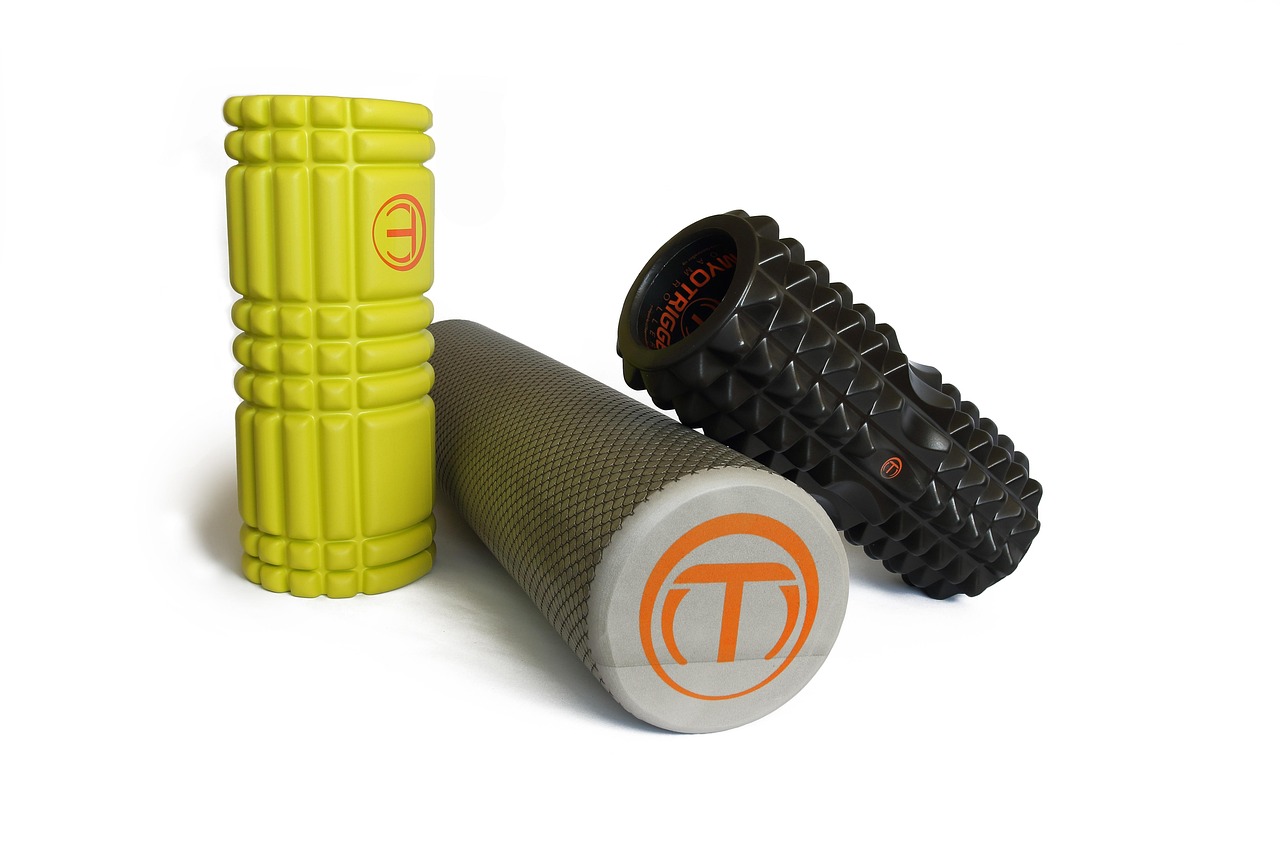
None of these replace food, water and sleep, but they make the evening after a long day more pleasant. A large 2018 review of recovery methods found massage the most effective for muscle soreness and perceived fatigue, which is why many riders keep a massage gun like the Hypervolt Go 3 (1.6 lb, five speeds, fits in a tack trunk) or a foam roller like the TriggerPoint GRID for thighs, glutes and calves. After a day in tall boots, recovery slides like OOFOS OOahh (APMA Seal of Acceptance) are a relief. If you want to see what show weeks do to your sleep and resting heart rate, a ring like the Oura Ring 5 tracks both without anything on your wrist at the barn; more on our riding wearables page.
TriggerPoint GRID 1.0
- 13 in, hollow core
- Multi-density surface
- About $40
OOFOS OOahh Slide
- OOfoam cushioning
- APMA Seal of Acceptance
- About $60
Oura Ring 5
- Sleep, HRV, resting heart rate
- 6 to 9 day battery
- About $399 + $5.99/month
Compare more options in our guides to the best massage guns, best recovery shoes and best recovery tools for athletes. For how team sports handle a busy week, see soccer recovery, and for show-day fuel, our show day page.
Riding recovery: FAQs
Why are my inner thighs so sore after riding?
Your adductors (inner thigh muscles) and hip muscles work to keep your leg on and absorb the horse’s motion, especially in sitting trot, two-point and after time off. Normal soreness eases in a few days; gentle stretching, easy movement and regular off-horse strength work help.
What should I eat after riding?
After a hard day or a show, a rider nutrition review recommends 1–2 g of carbohydrate per kg of body weight within three hours, plus about 15–25 g of protein (ACSM). A sandwich and chocolate milk, then a proper meal, covers it.
How long should I wait to ride after a fall?
It depends on what’s hurt. With any sign of concussion, don’t ride until a health care provider clears you, then return gradually. With back, neck or wrist pain, get checked first. Bruises alone usually allow riding once you can move freely and sit the horse safely.
Is it normal to have back pain from riding?
It’s common: in a survey of 347 riders, 62% had low back pain in the past year. Common doesn’t mean you should ignore it. Pain that keeps coming back or changes how you ride deserves an assessment by a doctor or PT.
Do riders need rest days?
Yes. Riding and barn work load the back and hips every day. Plan at least one full day off a week, and for young riders, the American Academy of Pediatrics recommends at least 1–2 days off a week from their main sport.