This article contains affiliate links: if you buy through them we may earn a commission, at no extra cost to you. Learn more.
Lunch break, a 45-minute game with a colleague, a sandwich eaten at your desk afterward. Or a junior’s tournament weekend, living on bananas and pasta from the club café. Squash burns a lot of energy in a short time: researchers measured elite players using about 4,900 kilojoules (roughly 1,200 calories) per hour of simulated match play. What you eat on the other days decides how well you play and recover. Here’s squash nutrition made simple, and an honest look at supplements.
Daily eating for squash players
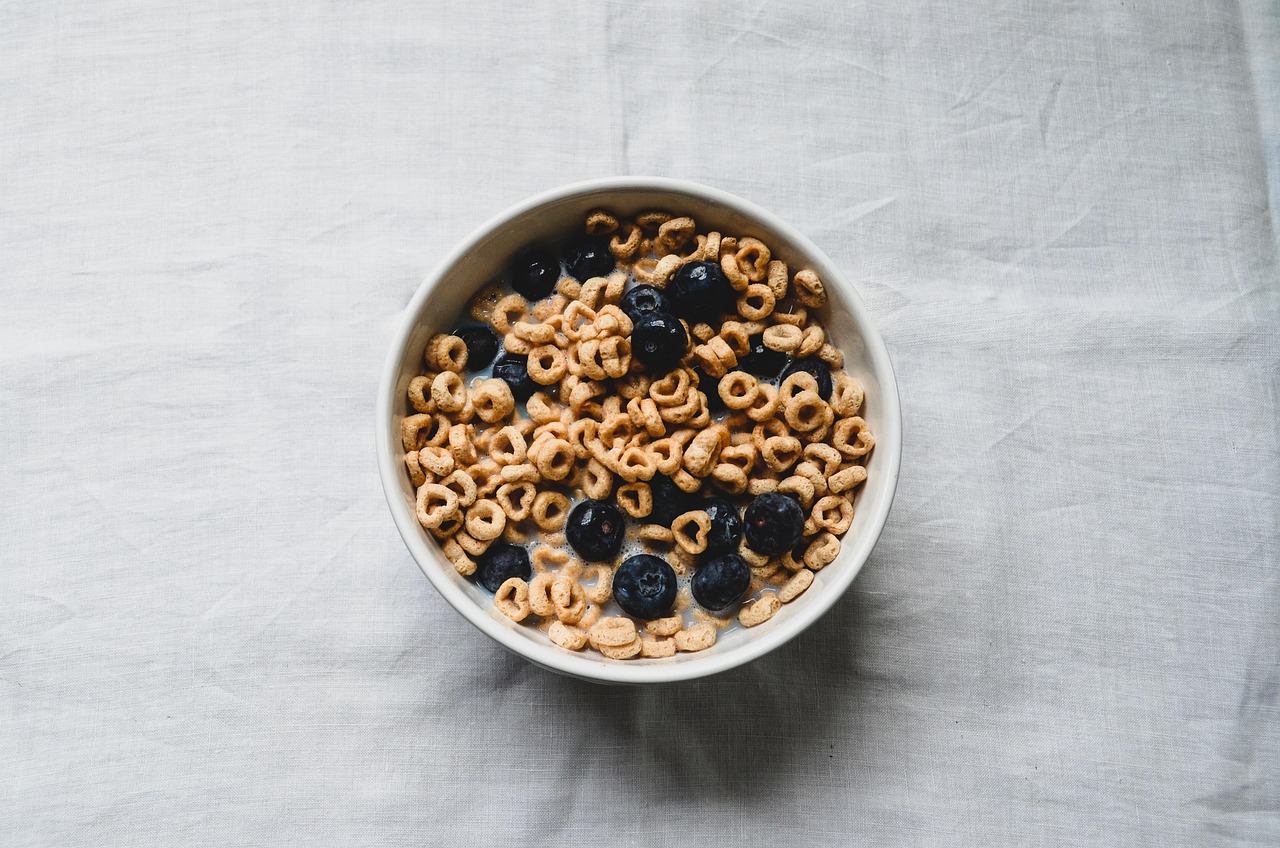
- Carbohydrate is your main fuel. Rice, pasta, bread, potatoes, oats, fruit. Eat more on heavy training and match days and less on rest days. In one squash study, players ran through a simulated match faster after two days of high-carbohydrate eating.
- Protein at every meal. The ACSM’s joint position for athletes suggests roughly 1.2 to 2.0 g per kilogram of body weight a day, spread out. Eggs, dairy, fish, chicken, beans and tofu all count.
- Fruit, vegetables and healthy fats round out the plate for vitamins, minerals and fiber.
- Fluids and salt: sweat losses on court are large and vary a lot between players (see match day).
Even top players don’t always get this right. In a survey of 77 elite squash players, the average score on a sports nutrition knowledge test was 56%. Players who got their information from a sports nutritionist knew more than those who relied on the internet or social media. If you’re competing seriously, a session with a registered sports dietitian is money well spent.
Young players: food first
Juniors need regular meals and snacks, plenty of water and real food. The American Academy of Pediatrics says sports drinks are only occasionally useful for young athletes in long, intense activity, and energy drinks should never be used. The AAP also advises against creatine for anyone under 18. More for families on our youth squash page.
Supplements for squash players: what the evidence says
Supplements are common in squash. In a Spanish study, every international-level player surveyed used at least one, compared with about two-thirds of national-level players. More than half of the national-level players got no nutrition advice at all. Here’s what’s actually worth considering:
- Electrolytes and sports drinks: the most useful. Sodium and carbohydrate you can drink in a 2-minute break.
- Protein powder: a convenience. Handy after a late match; food does the same job.
- Creatine: good evidence, for adults. The 2018 IOC consensus on supplements lists creatine among the few with good evidence, mainly for repeated high-intensity efforts. In a small squash study, players who took creatine did a ghosting test about 3% faster than when they took a placebo. It can add some body weight, and it isn’t for players under 18.
- Caffeine: some do, some don’t. It can disturb sleep after evening matches and isn’t for teens. If you have a heart condition or are pregnant, ask your doctor first, and never go beyond the label.
- Vitamins and iron: test, don’t guess. A basic multivitamin can help a limited diet; take extra iron or vitamin D only if a blood test and your doctor say so.
Anti-doping: why third-party testing matters
World Squash is a signatory of the World Anti-Doping Code, which runs on strict liability: if a banned substance is in your sample, you’re responsible, even if it came from a contaminated supplement. In the US, US Squash works with USADA, which tests squash players in and out of competition. US Squash says no organization can guarantee that a supplement is safe, effective or free of banned substances, and points players to USADA’s Supplement Connect. Squash debuts at the Los Angeles 2028 Olympics, so more players will be tested. Choose products certified by NSF Certified for Sport or Informed Sport/Informed Choice. These programs lower the risk, though they can’t remove it.
Our top picks
Nuun Sport Tablets
- 300 mg sodium per tablet
- 1 g sugar
- Informed Choice
Skratch Labs Hydration Sport Drink Mix
- 400 mg sodium per scoop
- 19 g carbs, 80 calories
- Real fruit flavor
Thorne Whey Protein Isolate
- 21 g protein per scoop
- 30 servings
- NSF Certified for Sport
Thorne Creatine
- 5 g creatine monohydrate
- 90 servings, unflavored
- NSF Certified for Sport
Klean Athlete Klean Multivitamin
- 2 tablets a day
- No iron listed
- NSF Certified for Sport
| Product | In one serving | Testing | About (Oct 2026) | Per serving |
|---|---|---|---|---|
| Nuun Sport | 300 mg sodium, 150 mg potassium, 1 g sugar | Informed Choice | $7.49 / 10 tablets | about $0.75 |
| Skratch Labs Hydration | 400 mg sodium, 19 g carbs | Maker says NSF Certified for Sport; not found in NSF’s database when we checked | $23.95 / 20 servings | about $1.20 |
| Thorne Whey Protein Isolate | 21 g protein | NSF Certified for Sport | $65 / 30 scoops | about $2.17 |
| Thorne Creatine | 5 g creatine monohydrate | NSF Certified for Sport | $44 / 90 scoops | about $0.49 |
| Klean Multivitamin | 2 tablets; 1,000 IU vitamin D | NSF Certified for Sport | about $46 / 30 servings | about $1.53 |
Prices change often; these are what we saw at the maker or a major retailer in October 2026. Follow the label for how much to take. If you’re tested, check the exact product and batch on the testing program’s own database. Full comparisons: best electrolyte powders, best protein powder for athletes, best creatine and best multivitamin for athletes.
Check the Nuun Sport price on Amazon
Talk to a professional. Before starting any supplement, check with your doctor or a registered sports dietitian, especially for players under 18 and anyone who is pregnant, takes medication or has a heart, kidney or other medical condition. Tested players should also check with US Squash, USADA or their college athletics staff.
Back to the squash hub, or keep going with squash recovery and squash training. Compare with tennis nutrition and supplements.
Squash nutrition questions
What should a squash player eat in a day?
Regular meals built on carbohydrate, with protein at every meal and plenty of fruit and vegetables. Eat more carbohydrate on heavy training and match days. Drink well, with extra salt if you sweat heavily.
Does creatine help squash players?
For adults, it’s one of the best-studied supplements for repeated hard efforts. A small squash study found about 3% faster ghosting times with creatine than with a placebo. It can add some body weight. Not for under-18s; choose a third-party tested product.
Are supplements safe for drug-tested squash players?
There’s always some risk. Under strict liability you’re responsible for anything in your sample, even from a contaminated product. Choose NSF Certified for Sport or Informed Sport products, check them on USADA’s Supplement Connect, and ask your federation or team staff.
Do squash players need electrolytes?
Many do, especially in long or back-to-back matches. Elite players lost about 1.1 liters of sweat an hour in one study, with a fair amount of sodium. For short social games, water and normal meals are usually enough.