This article contains affiliate links: if you buy through them we may earn a commission, at no extra cost to you. Learn more.
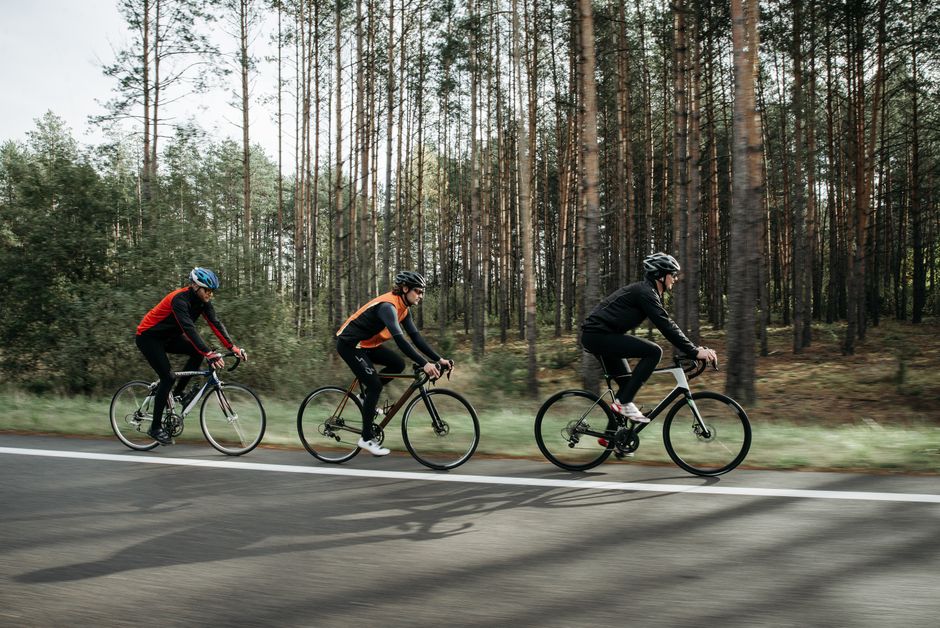
Saturday, 7 a.m., the coffee-shop group ride rolling out in a long line of blinking tail lights; a commuter clipping a buckle on the way out of the garage; a seven-year-old on her first loop around the block, dad jogging alongside. Every one of those riders is wearing the same thing that matters most. This guide picks the best bike helmets for 2026 for road riders, commuters and kids, using the two things you can actually check: the US safety standard every bike helmet must meet, and independent lab ratings from Virginia Tech. We also explain MIPS honestly, because it’s on almost every box now.
Prices change often. The prices below are what we saw on Amazon in October 2026; check the current price before you buy.
Our top picks
P2R A20 MIPS
- Virginia Tech: 5 stars
- MIPS, CPSC 16 CFR 1203
- USB rear light, 23 vents
Giro Aries Spherical
- Virginia Tech: 5 stars
- Spherical (powered by Mips)
- 24 vents, 270 g (size M)
MET Downtown MIPS
- Virginia Tech: 5 stars
- MIPS-C2 liner
- Removable visor
Bern Macon 2.0 MIPS
- Virginia Tech: 4 stars
- CPSC, EN 1078, EN 1077B
- Bike, skate and snow
Giro Register MIPS
- Universal adult 54-61 cm
- MIPS, Roc Loc dial
- 22 vents
Bell Sidetrack II MIPS
- Child 47-54 cm / youth 50-57 cm
- MIPS, Ergo-Fit dial
- 14 vents, visor
Giro Scamp MIPS II
- CPSC age 1+ (extended coverage)
- MIPS, Roc Loc Jr. dial
- Sizes XS and S
Bike helmets compared
| Helmet | Type | Virginia Tech rating | Rotational system | About (Oct 2026) |
|---|---|---|---|---|
| P2R A20 MIPS | Road | 5 stars (8.14) | MIPS | $55–$70 |
| Giro Aries Spherical | Road | 5 stars (8.40) | Spherical (Mips) | $210–$350 |
| MET Downtown MIPS | Commuter | 5 stars (10.01) | MIPS-C2 | $93 |
| Bern Macon 2.0 MIPS | Urban / multi-sport | 4 stars (12.20) | MIPS | $119 |
| Giro Register MIPS | Recreational | Not rated (MIPS version) | MIPS | $40 |
| Bell Sidetrack II MIPS | Kids / youth | Not rated | MIPS | $56–$63 |
| Giro Scamp MIPS II | Toddler / kids | Not rated | MIPS | $52–$75 |
Virginia Tech scores are from its bicycle helmet ratings list as we read it in October 2026 (lower score = better; it recommends 4 or 5 stars). Its bike list doesn’t include the kids’ helmets here.
The best bike helmets for 2026
1. P2R A20 MIPS: best value road helmet
The surprise of the Virginia Tech list. The A20 MIPS earned 5 stars with a score of 8.14, tenth best of the 311 bike helmets in the list, ahead of many helmets that cost five times as much (Virginia Tech logged its price at $55 when tested). The Amazon listing says it meets CPSC 16 CFR 1203, with a MIPS liner, a polycarbonate in-mold shell over EPS foam, 23 vents and a removable USB-rechargeable rear light. Sizes run Small (52–54 cm), Medium (55–58 cm) and Large (58–61 cm), and Amazon lists 290 g for a Large. Some colors come with a magnetic lens or a visor.
- Good: top-tier lab score for the price of a budget helmet; built-in rear light for dawn rides.
- Watch out: a newer, lesser-known brand; the listing bundles several versions, so check you pick a “MIPS” option.
- Best for: new road riders, group-ride regulars and fitness commuters on a budget.
Check the P2R A20 MIPS price on Amazon
2. Giro Aries Spherical: best premium road helmet
The Aries is Giro’s top road helmet. Its Spherical Technology is a ball-and-socket design powered by Mips, with two densities of EPS foam (Giro calls it Progressive Layering), 24 vents, a Roc Loc 5+ Air dial and a silicone bead in the brow pad that steers sweat to your temples. Giro lists 270 grams in size medium (CE version). Giro’s listing says Virginia Tech rated it #1; that was true when it was tested in 2023. Today it holds 5 stars with a score of 8.40, 13th of 311, and still one of the best-rated road helmets you can buy. Price depends a lot on color and size: we saw about $210 to $350.
- Good: excellent rating, very light and well vented; the helmet many club riders save up for.
- Watch out: expensive, and the P2R above scored slightly better in the same lab.
- Best for: serious road and gravel riders who ride long and hot.
Check the Giro Aries Spherical price on Amazon
3. MET Downtown MIPS: best commuter helmet
MET calls the Downtown a touring helmet, “ready for a weekend trek or the daily bicycle lane.” It pairs an in-mold polycarbonate shell and EPS liner with MET’s MIPS-C2 system, a Safe-T Twist 2 dial with 360° head belt and vertical adjustment, and a removable visor. It comes in Small/Medium and Medium/Large. Virginia Tech gave it 5 stars (score 10.01) in its multi-sport category. It looks like a city helmet but, per MET, vents like a road one.
- Good: 5-star rating in a classic, office-friendly shape; visor for sun and drizzle.
- Watch out: only two sizes, so measure your head first; fewer color choices in stock.
- Best for: daily commuters, bike tourers and casual weekend riders.
Check the MET Downtown MIPS price on Amazon
4. Bern Macon 2.0 MIPS: best for e-bikes and scooters
The skate-style Macon is the helmet for the rider who goes bike to e-scooter to snowboard. Bern lists it as certified for cycling, e-scooters, snowboarding and skating (CPSC, EN 1078 and EN 1077B), with MIPS, a Compass Fit dial, an optional winter knit liner and a clip for Bern’s Asteroid light (both sold separately). Virginia Tech rated the 2025 Macon 2.0 MIPS 4 stars (score 12.20). That’s below the three helmets above, but still in the range Virginia Tech recommends.
- Good: one helmet for several sports; winter liner option for year-round commuters.
- Watch out: warmer and heavier-looking than a vented road helmet; 4 stars, not 5.
- Best for: e-bike and e-scooter commuters, students, winter riders.
Check the Bern Macon 2.0 MIPS price on Amazon
5. Giro Register MIPS: lowest price
About $40 buys a CPSC-certified helmet with a MIPS liner, a Roc Loc Sport MIPS dial and 22 vents, in one universal adult size (54–61 cm; Giro also makes an XL). Be clear-eyed about it: Virginia Tech hasn’t rated the MIPS version, and the older Register without MIPS scored 2 stars in 2019. So it’s a good spare, a guest helmet or a first helmet for an occasional rider, not our pick if lab ratings matter most to you. For about $20 more, the P2R A20 MIPS has a 5-star rating.
- Good: lowest price here; one size fits most adults; easy dial.
- Watch out: no independent rating for this version; universal sizing won’t suit every head.
- Best for: occasional riders, bike-share users, a spare in the garage.
Check the Giro Register MIPS price on Amazon
6. Bell Sidetrack II MIPS: best for kids
For school-age kids, the Sidetrack II is a small adult helmet in spirit: a Fusion in-mold polycarbonate shell bonded to the EPS liner, a MIPS liner, an Ergo-Fit dial that turns without pushing, no-twist strap guides, a visor and 14 vents. It comes in two sizes, Universal Child (47–54 cm) and Universal Youth (50–57 cm). Bell’s own note is the right one: always measure your child’s head, because head sizes vary even at the same age.
- Good: fuller coverage, an easy dial kids can manage, two sizes to grow through.
- Watch out: no Virginia Tech rating for kids’ helmets; some colors are low in stock.
- Best for: kids from about kindergarten to middle school, from the driveway to NICA practice.
Check the Bell Sidetrack II MIPS price on Amazon
7. Giro Scamp MIPS II: best for little kids
For the balance-bike and training-wheels crowd. Giro says the Scamp complies with the CPSC standard for bicycle helmets for persons age 1 and older, with extended head protection (the XS size; the S size is certified for age 5 and up). It has a MIPS liner and a Roc Loc Jr. dial that adjusts both tension and height. We saw it for about $52 to $75 depending on size and color (list price $84.95).
- Good: certified for toddlers with extra coverage at the back of the head; simple dial.
- Watch out: retailers list different vent counts; check the size label matches your child’s age and head.
- Best for: toddlers and young kids on balance bikes, trikes and first pedal bikes.
Check the Giro Scamp MIPS II price on Amazon
How to choose a bike helmet: CPSC, MIPS and ratings
- CPSC label first, always. In the US, every bicycle helmet made after 1999 must meet the Consumer Product Safety Commission standard (16 CFR 1203), which protects against skull fractures and severe brain injuries. Look for the sticker inside. For BMX and downhill mountain-bike racing, the CPSC points to helmets built to ASTM F2032 and F1952.
- Then check an independent rating. Virginia Tech’s Helmet Lab, working with the Insurance Institute for Highway Safety, runs 24 impacts on each bike helmet and measures linear acceleration and rotational velocity. In July 2025 it raised its bar (5-star helmets dropped from 167 to 38). Its list now holds 311 helmets, 54 with 5 stars, and it recommends 4 or 5.
- Understand MIPS honestly. A MIPS bike helmet has a low-friction layer inside that Mips says can “move slightly inside the helmet to help redirect forces away from the head” in certain angled impacts. It’s a sensible extra, but not a guarantee: in Virginia Tech’s list, helmets with MIPS in the name range from 1 star to 5 stars, and some 5-star helmets use other systems. And the CPSC notes that no helmet has been proven to prevent concussions.
- Fit beats features. NHTSA’s rule of thumb: the helmet sits level, one or two finger-widths above your eyebrows; the side straps form a V just under and in front of your ears; no more than one or two fingers under the buckled chin strap; and when you yawn, the helmet should pull down on your head.
- Replace it after any crash. Bike helmets are made for one impact, even if no damage shows. Otherwise follow the maker; without guidance the CPSC suggests 5–10 years. No stickers or add-ons.
If you’ve hit your head in a crash, stop riding for the day and see a doctor, sports medicine physician or athletic trainer before you ride again. Our cycling injuries guide covers concussion signs and return-to-ride steps. Building the rest of your kit? See the full cycling gear checklist (lights, shoes, bike fit), our youth cycling guide for parents, the cycling hub, our best energy gels and best heart rate monitors guides for long rides, and more posts in cycling.
Bike helmet questions
Is a MIPS bike helmet worth it?
Usually, yes, since MIPS now adds little to the price (the $40 Giro Register has it). But MIPS alone doesn’t make a helmet good. Check the CPSC label and, for adults, a 4- or 5-star Virginia Tech rating.
Does a more expensive helmet protect better?
Not necessarily. In Virginia Tech’s list, the P2R A20 MIPS (tested at $55) scored better than the Giro Aries Spherical (tested at $300). Pricier helmets tend to be lighter and cooler, which matters on long, hot rides.
Are all bike helmets sold in the US safety certified?
Bicycle helmets made after 1999 must meet the CPSC standard. Look for the CPSC sticker inside; be wary of novelty or costume helmets, and of listings that only mention other standards.
How often should I replace my bike helmet?
After any crash where it hit something, right away. Otherwise follow the maker’s advice; the CPSC suggests 5–10 years if there’s none, or sooner if it’s cracked, faded or the straps are worn.
What size bike helmet do I need?
Measure around your head with a soft tape and compare it with the maker’s size chart (Bell’s own advice: always measure, because head sizes vary even at the same age). Between sizes, try both if you can; the right one sits snug before you turn the dial.