This article contains affiliate links: if you buy through them we may earn a commission, at no extra cost to you. Learn more.
The night before a big ride: tires pumped, bottles filled, lights charging on the kitchen counter, helmet hanging on the bike. Cycling is a gear sport, and it’s easy to spend a fortune on carbon wheels. But the cycling gear that matters most for safety and comfort is simpler and cheaper: a helmet that fits, a bike that fits, lights that make you seen, shoes and pedals that suit how you ride, and a little recovery kit for the day after. Here’s that cycling equipment list, with how to choose each piece.
Buying guide · Our Cycling buying guide compares the gear we'd pick, with prices and sizing:
Prices change often. The prices below are what we saw at the maker or a major retailer in October 2026; check the current price before you buy.
The quick checklist: a CPSC-certified helmet, a bike in the right size, a white front light and a red rear light, padded gloves and sunglasses, a pump, a spare tube and a multi-tool, a water bottle, and bright clothing. No loose pant legs or flip-flops, says the American Academy of Orthopaedic Surgeons (AAOS).
Our top picks
Giro Register MIPS Helmet
- MIPS rotational liner
- Universal adult fit (54-61 cm)
- About $40 to $85
Giro Scamp MIPS II Kids' Helmet
- MIPS liner, dial fit
- XS: CPSC age 1+; S: age 5+
- 13 vents
Garmin Varia RTL515 Radar Tail Light
- Radar alerts up to 153 yd
- Up to 16 h in day flash
- List $199.99
Cygolite Metro Plus 800 + Hotshot Pro 150
- 800-lumen headlight
- 150-lumen taillight
- USB rechargeable
Hyperice Normatec Go
- Calf compression sleeves
- 7 levels, 40-200 mmHg
- About $379
OOFOS OOahh Slide
- OOfoam slide
- APMA Seal of Acceptance
- Machine washable
Helmets: CPSC, MIPS and fit
A helmet is the one piece of gear with hard evidence behind it. A 2017 meta-analysis of more than 64,000 injured cyclists linked helmet use to about half the odds of head injury and about a third of the odds of serious or fatal head injury. Here’s how to choose one:
- CPSC label first. Every bicycle helmet made after 1999 must meet the Consumer Product Safety Commission standard (16 CFR 1203), which protects against skull fractures and severe brain injuries. Look for the label inside. For BMX and downhill mountain bike racing, the CPSC points to helmets made to their own ASTM standards (F2032 for BMX, F1952 for downhill).
- MIPS and rotational protection. MIPS is a low-friction layer inside the helmet that makers say helps reduce rotational forces in certain impacts. The CPSC is careful to note that no helmet has been proven to prevent concussions.
- Independent ratings. Virginia Tech’s Helmet Lab tests bike helmets for how well they reduce both linear and rotational head acceleration. In July 2025 it raised its bar (five-star bike helmets went from 167 to 38), and it says any helmet rated four or five stars is still a strong choice.
- Fit. Snug and comfortable, sitting level (not tipped back), not moving side to side or front to back, chin strap buckled. Follow the maker’s instructions for pads and straps, and don’t wear one that doesn’t fit.
- When to replace. After any crash, even if it looks fine (bike helmets are single-impact). Otherwise follow the maker; without guidance, the CPSC suggests 5–10 years, or sooner if it’s cracked, faded or worn. No stickers or add-ons.
The Giro Register MIPS is a no-fuss everyday helmet: one universal adult size (54–61 cm, with an XL version for 58–65 cm), a dial fit system and a MIPS liner, for about $40 to $85 depending on version and color. For kids, the Giro Scamp MIPS II has a kid-shaped dial fit, 13 vents and CPSC certification for age 1 and up in size XS (about $52 to $75). More in our youth cycling guide.
Check the Giro Register MIPS price on Amazon
Bikes by type, briefly
- Road bikes: light, with drop handlebars and narrow tires, for pavement, group rides and racing.
- Gravel bikes: road-style drop bars with wider, knobbier tires and more relaxed handling for dirt roads and long days; many riders’ one-bike answer.
- Mountain bikes: flat bars, wide tires and suspension: front only (hardtail) or front and rear (full suspension). Cross-country race bikes have largely standardized on 29-inch wheels.
- Hybrid and commuter bikes: upright position, flat bars, often fenders and racks.
- Track and BMX bikes: track bikes are fixed-gear with no brakes, built for the velodrome only; BMX bikes are small, tough single-speeds for tracks and parks.
- E-bikes: pedal-assist bikes share the road and the risks. Since 2022, NHTSA’s crash data counts their riders as bicyclists, and the same helmet and visibility advice applies.
Bike fit
AAOS recommends the right frame size and handlebar and seat heights to improve control and reduce overuse injuries, and a professional fit at a bike shop for regular riders. It matters because overuse problems are common: in a study of 109 professional road cyclists, 58% had had lower back pain and 36% pain at the front of the knee in the previous year. A review of lower-limb cycling injuries names bike fit and alignment, the right equipment and good pedaling technique as the focus for prevention. If knee or back pain keeps coming back after a fit, see a sports medicine doctor or physical therapist. Our cycling injuries page goes deeper.
Lights and visibility
The League of American Bicyclists asks for a white front light, a red rear light and reflectors when visibility is poor, and AAOS says they should be visible from 500 feet. NHTSA adds fluorescent or bright clothing by day, at dawn and at dusk. Many riders run flashing lights in daylight too: in a Danish trial of about 3,850 cyclists, those with permanent running lights had 19% fewer injury accidents.
The Cygolite Metro Plus 800 and Hotshot Pro 150 set covers both ends: an 800-lumen headlight and a 150-lumen taillight, both USB-rechargeable, for about $130 on Amazon. The Garmin Varia RTL515 is a tail light with radar that alerts you on a Garmin bike computer, watch or phone when vehicles approach from behind, up to 153 yards (140 m) away, the maker says. It runs up to 16 hours in day-flash mode, lists at $199.99 and often sells for about $150 to $160. It doesn’t replace looking over your shoulder.
Check the Garmin Varia RTL515 price on Amazon
Check the Cygolite light set price on Amazon
Shoes, pedals and the small stuff
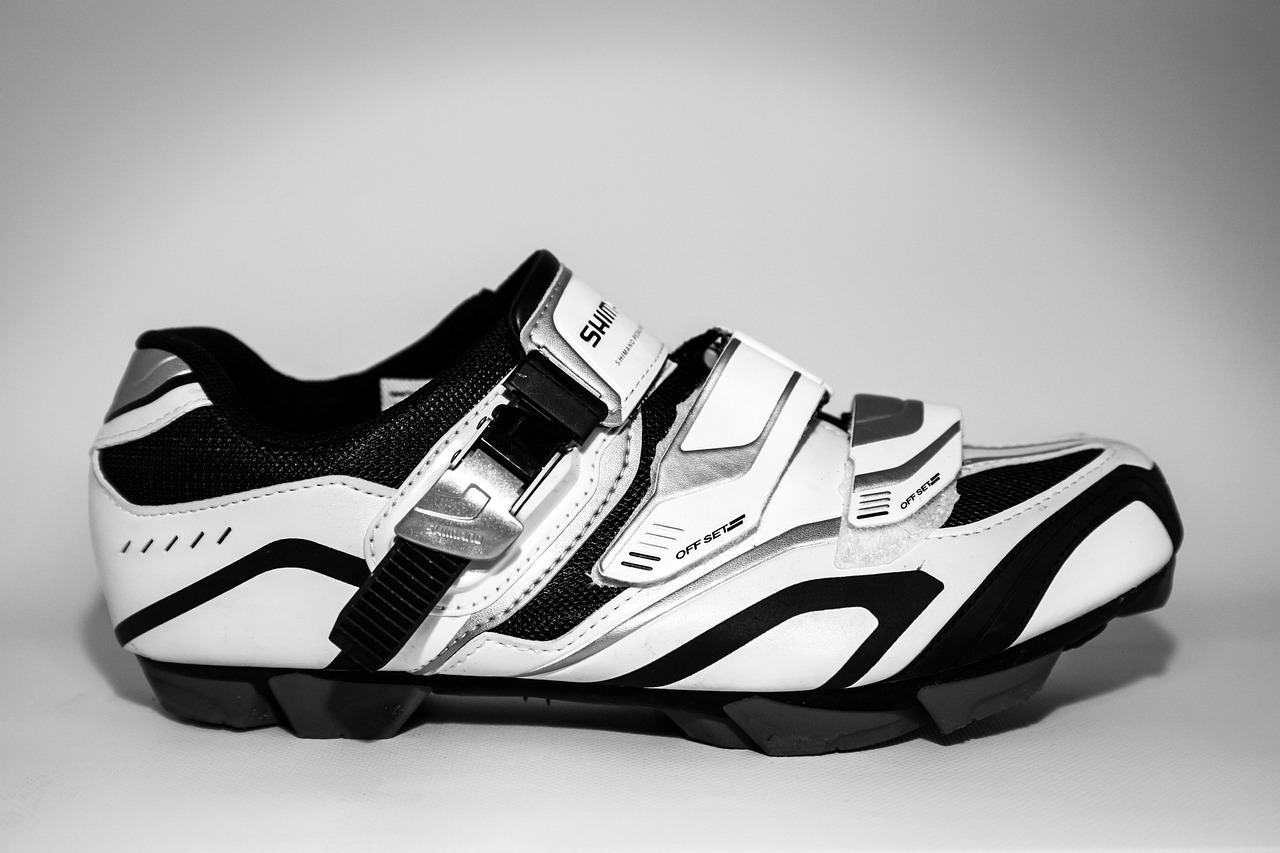
Flat pedals work with any sturdy shoe and let you put a foot down fast, which is why many beginners, commuters and mountain bikers like them. Clipless pedals lock a cleat on a stiff cycling shoe to the pedal: two-bolt mountain-style cleats are recessed so you can walk, and are common for mountain, gravel and indoor riding; three-bolt road cleats are bigger and stiffer for pure road riding. Practice clipping in and out somewhere quiet before a group ride. Shoes should fit snugly without pinching, since numb feet and pain under the ball of the foot are common cycling complaints.
The rest: padded gloves and wraparound sunglasses (AAOS), padded shorts for longer rides, and the League’s “ride ready” check before you go: tires inflated, brakes working, chain running smoothly and quick-release levers closed, with a pump, spare tube and multi-tool along. For long rides add bottles and fuel; see our electrolyte powder and energy gel guides, and the best wearables for cycling for heart rate straps and GPS.
Recovery gear
After a century or a stage-race weekend, legs are heavy and the couch looks good. The Hyperice Normatec Go is a pair of wireless calf compression sleeves with seven pressure levels (40–200 mmHg) that pack into a bag (about $379; the maker says up to 3 hours per charge, the Amazon listing says up to 2). The Hypervolt Go 3 is a 1.6-pound massage gun with up to 4 hours of battery (about $149) for quads, glutes and calves, and a TriggerPoint GRID 1.0 foam roller (about $40) does a lot for little money. For the walk home from the car, OOFOS OOahh slides (about $60) are a favorite after hours in stiff cycling shoes.
These are comfort tools, not treatment. Pain that doesn’t settle in a few days, numbness that lasts, or any pain after a crash needs a sports medicine doctor, physical therapist or athletic trainer. Check with your doctor before using compression devices if you have circulation problems or other health conditions. Our compression boots, massage guns and recovery shoes guides compare more, and the cycling recovery page covers the routine.
Check the Hyperice Normatec Go price on Amazon
Check the Hypervolt Go 3 price on Amazon
Back to the cycling hub, or see cycling rules and road safety and cycling training. Also play soccer? See our soccer gear list.
Cycling gear questions
Is a MIPS helmet worth it?
Many riders think so. MIPS is designed to reduce rotational forces in certain impacts, according to the makers. But the basics matter more: a CPSC label and a snug fit. Virginia Tech’s helmet ratings are a good way to compare models, and it recommends any bike helmet with four or five stars.
How do I know if my bike helmet fits?
It should feel snug and comfortable, sit level on your head rather than tipped back, and not shift front to back or side to side with the chin strap fastened. Use the pads and dial that come with it; if it still moves, try another size or model.
What lights do I need on my bike?
At night or in poor visibility, a white front light and a red rear light, plus reflectors; AAOS says they should be visible from 500 feet. Many riders also use flashing lights in daylight, and state laws set their own minimums, so check yours.
Do I need clipless pedals?
No. Flat pedals with sturdy shoes are fine for commuting, casual rides and lots of mountain biking. Clipless pedals connect you to the bike for efficient pedaling on longer or faster rides; practice clipping in and out before riding in traffic or a group.
Is a professional bike fit worth it?
For regular riders, AAOS recommends one. A good fit sets frame size, saddle and handlebar position to improve control and reduce overuse injuries such as knee and lower back pain, the most common problems among serious cyclists.