This article contains affiliate links: if you buy through them we may earn a commission, at no extra cost to you. Learn more.
The night before the first practice of the season, the living room floor turns into a checklist: cleats that fit last spring (do they still?), shin guards, a ball that may or may not hold air, a water bottle, socks that match the team color. Soccer is one of the cheapest sports to start, but the right soccer gear still matters, for safety and for how the game feels. Here’s a simple soccer equipment list: what the rules require, how to pick cleats for your surface, the right ball size for each age, goalkeeper gear, and the recovery kit that helps after a long weekend of games.
Buying guide · Our Soccer buying guide compares the gear we'd pick, with prices and sizing:
Prices change often. The prices below are what we saw at the maker or a major retailer in October 2026; check the current price before you buy.
What the rules require
IFAB’s Law 4, the rule most soccer follows, lists five compulsory items: a shirt with sleeves, shorts, socks, shin guards and footwear. Shin guards must be made of suitable material, be the right size to give reasonable protection, and be covered by the socks. Any tape or material worn on the outside of the socks must be the same color as the part of the sock it covers. Jewelry is forbidden and must come off, and taping over it isn’t allowed. US high school soccer (NFHS) and NCAA rules add one more thing: shin guards must meet the NOCSAE standard, and NFHS rules say the NOCSAE seal and the player’s height range must be stamped on the outside of the guard. Youth clubs and leagues may have their own rules, so check before you buy.
The quick checklist: cleats for your surface, shin guards (NOCSAE-certified for high school and college), team socks plus grip socks if you like them, a ball of the right size, a labeled water bottle, a snack, a warm layer for the sideline and, for keepers, gloves. Pack slides and a small recovery tool for after. Everything below explains how to choose each one, starting with a few staples we’d put in any bag.
Our top picks
Select Numero 10 (NFHS)
- Size 5, NFHS approved
- 32 hand-stitched panels
- FIFA Basic
Nike Mercurial Lite Shin Guards
- NOCSAE certified
- Sleeves hold them under socks
- Sizes XS to XL
Reusch Attrakt Freegel Infinity Finger Support
- Grip Infinity palm for turf and hard ground
- Finger support stays
- Sizes 7 to 11
SKLZ Quick Ladder
- 15 ft, 11 flat rungs
- 17 in wide
- Carry bag included
OOFOS OOahh Slide
- OOfoam slide
- APMA Seal of Acceptance
- Machine washable
Hypervolt Go 3
- 1.6 lb, 5 speeds
- Up to 4 hr battery
- USB-C, carry case
Cleats: pick by surface
The letters on the box tell you what ground the soleplate is built for. Wearing the wrong type can feel awkward, and long soft-ground studs can feel harsh and unsafe on a hard field.
- FG (firm ground): molded studs for dry or slightly damp natural grass. The most common type.
- AG (artificial ground): shorter, more numerous and often hollow studs for artificial grass, so the shoe grips without locking in.
- SG (soft ground): fewer, longer, usually screw-in metal studs for wet, muddy grass. Not for hard fields or turf, and check whether your league allows metal studs.
- TF (turf): small rubber lugs for short-pile turf and hard small-sided pitches.
- IC/IN (indoor): flat rubber soles for gyms, indoor courts and futsal.
Kids’ feet grow fast, so check fit every season, with the socks they’ll play in. If your team plays on several surfaces, many players keep an FG or AG pair plus a pair of turf shoes. Brand and model matter less than fit, and the right model changes every year, so we don’t push one cleat.
Shin guards
Shin guards are required at every level. For high school and college, buy guards with the NOCSAE seal (NOCSAE’s soccer shin guard standard is ND090), and pick the size by the height range printed on them. The Nike Mercurial Lite is a good example: a thin hard shell over foam, left/right-specific, NOCSAE certified, with sleeves that hold the guards in place under your socks and a carry case. It costs about $26 at Nike in sizes XS to XL.
See the Nike Mercurial Lite shin guards at Nike
Balls by age: size 3, 4 or 5
| Ball size | Ages (US youth standards) | Circumference (Nike guide) |
|---|---|---|
| Size 3 | U6–U8 | 23–24 in |
| Size 4 | U9–U12 | 25–26 in |
| Size 5 | U13 and up, high school, college, adults | 27–28 in |
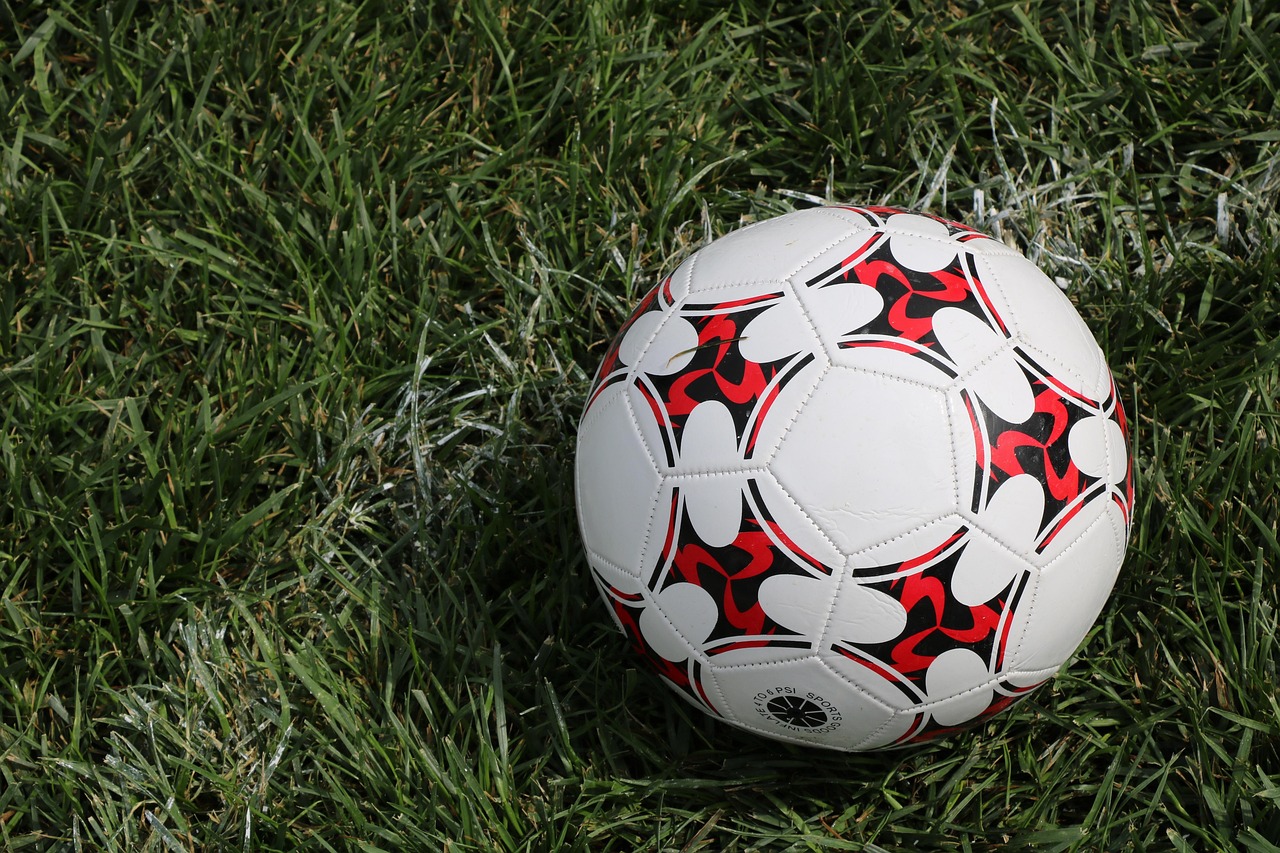
US Soccer’s small-sided standards pair size 3 balls with U6–U8 and size 4 with U9–U12. Your club has the final say. High school games need a ball with the NFHS mark. The Select Numero 10 is a long-running choice: 32 hand-stitched panels, a PU cover laminated with 2 mm foam, NFHS approval and FIFA Basic certification. Select lists it at about $75, and Amazon sells it too. For the backyard, any inexpensive ball in the right size works, and a size 1 “skills” ball is a fun extra for touches.
Check the Select Numero 10 price on Amazon
Goalkeeper gloves
Keepers go through gloves, so match the palm to the surface you play on most. The Reusch Attrakt Freegel Infinity Finger Support uses Reusch’s Grip Infinity latex, which Reusch says is built for durability and grip on hard surfaces and artificial grass. It adds a negative cut, light finger stays, a palm wear patch and a full wrist strap, for about $80 in sizes 7 to 11. Reusch’s own range starts around $35 (Attrakt Solid) and has junior sizes for younger keepers.
Check the Reusch Attrakt Freegel Infinity price on Amazon
Socks, grip socks and the rest of the bag
- Team socks cover the shin guards. Grip socks (TRUsox mid-calf grip socks were about $55 at Dick’s) stop your foot sliding inside the cleat. Some players cut their team socks and wear grip socks under them. Anything visible on the outside has to match the sock color under Law 4.
- Water bottle, labeled, and a snack for after. Our soccer nutrition guide covers what to pack.
- Mouthguard if you want one, and a warm layer and rain jacket for the sideline.
- For home training: a ball, a few cones and an agility ladder like the SKLZ Quick Ladder (about $30, 15 ft with 11 flat rungs). More ideas in our best speed training equipment guide.
Check the SKLZ Quick Ladder price on Amazon
Recovery gear for the bag
After 90 minutes, or three games in a tournament weekend, the cleats come off and comfort takes over. Recovery slides like the OOFOS OOahh (about $60, washable, with the APMA Seal of Acceptance) are a sideline favorite. Many players also carry a small massage gun such as the Hypervolt Go 3 (about $149, 1.6 lb, up to 4 hours of battery). These are comfort tools, not treatment. If something hurts for more than a few days, see a sports medicine doctor, physical therapist or athletic trainer. Our best recovery shoes and best massage guns guides compare more options, and the soccer recovery page covers the routine.
Check the OOFOS OOahh Slide price on Amazon
Check the Hypervolt Go 3 price on Amazon
Back to the soccer hub, or see soccer rules, youth soccer, soccer injuries and the best soccer wearables.
Soccer gear questions
What equipment do you need to play soccer?
Under IFAB’s Law 4: a shirt with sleeves, shorts, socks, shin guards covered by the socks, and footwear. Add a ball of the right size, a water bottle and, for keepers, gloves.
Do shin guards need to be NOCSAE certified?
For US high school (NFHS) and college (NCAA) soccer, yes, and NFHS says the seal and height range must be stamped on the outside. Youth league rules vary, so check yours; NOCSAE-certified guards are widely sold.
What size soccer ball does my child need?
Under US youth standards, size 3 for U6–U8, size 4 for U9–U12 and size 5 from U13 up. Check with your club, since leagues can differ.
Can you wear firm-ground cleats on turf?
FG cleats are built for natural grass. On artificial grass, AG cleats have shorter, more numerous studs made for that surface, and turf shoes suit short-pile and hard surfaces. Many players keep a second pair for turf.
Are grip socks allowed in soccer games?
Generally yes, as long as what shows on the outside matches your team sock color. Law 4 says any tape or material worn on the outside of the sock must be the same color as that part of the sock. Check your league’s uniform rules.