This article contains affiliate links: if you buy through them we may earn a commission, at no extra cost to you. Learn more.
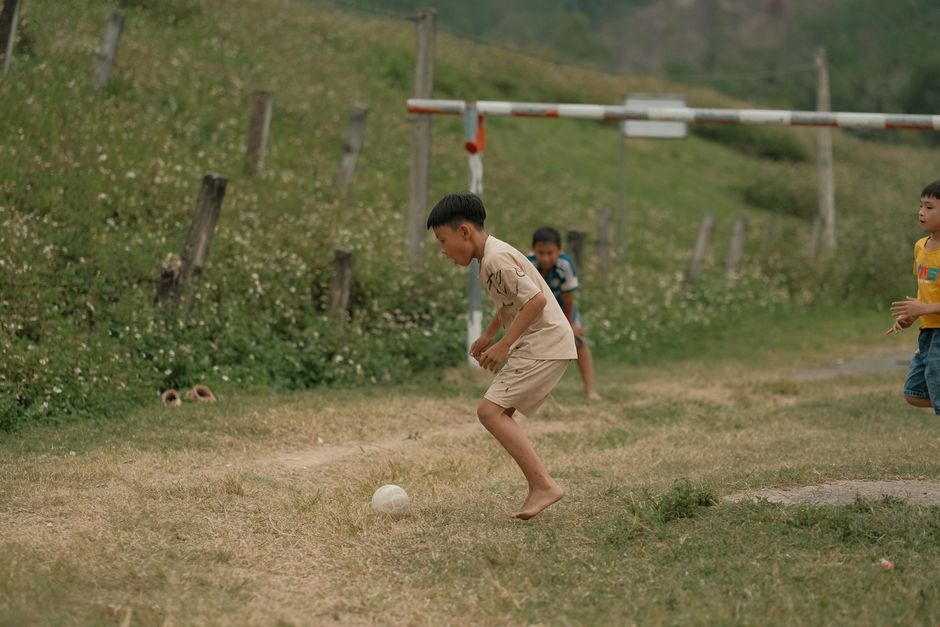
Saturday, 8:40 a.m. A swarm of six-year-olds chases one ball across a tiny field. Nobody is keeping score, at least officially, and one kid is sitting down to inspect a dandelion. Ten years later the same kids may be playing high school varsity under the lights, and their parents will have learned a lot along the way. This page puts that knowledge in one place: how youth soccer is organized by age, what the different kinds of teams cost in time and money, the safety rules every parent should know, and how high school soccer and college recruiting really work.
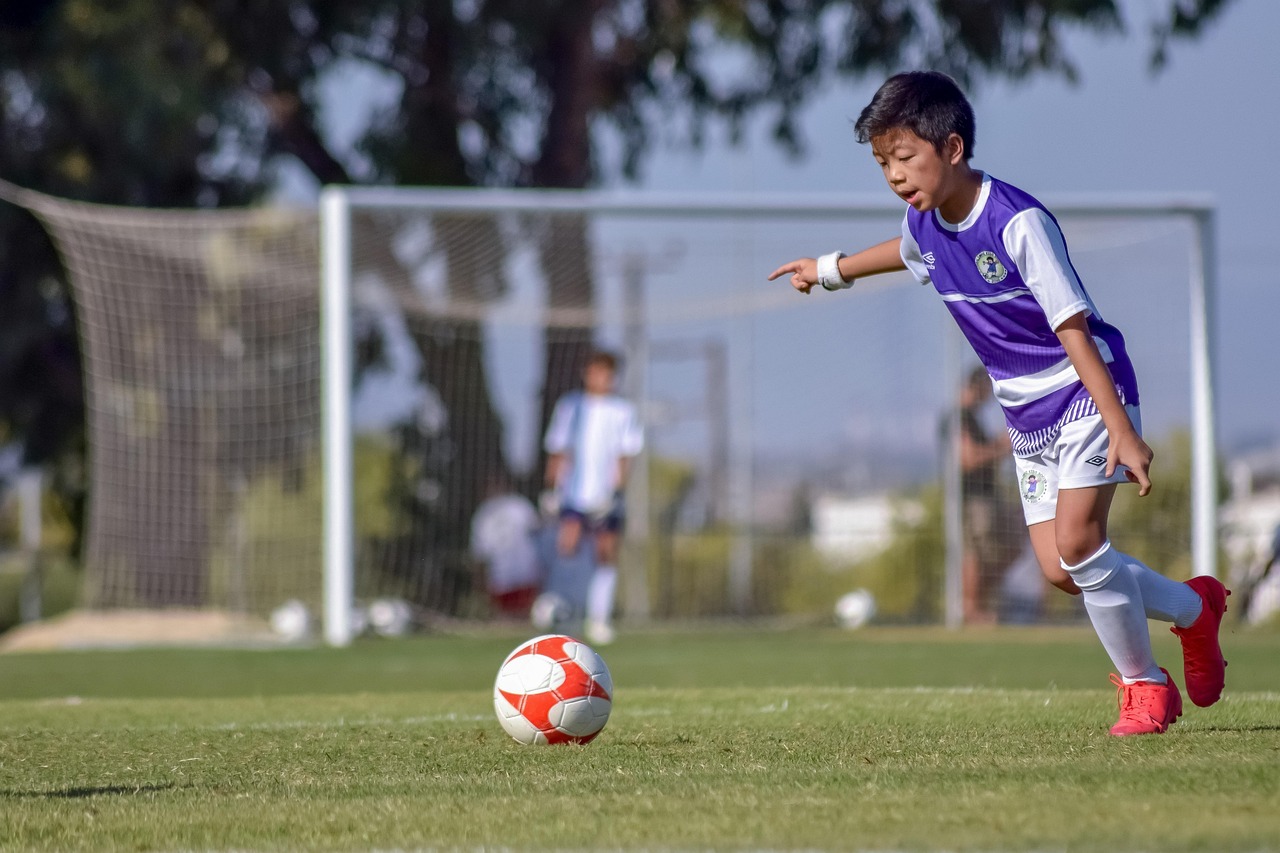
For an overview of the sport at every level, start at our soccer hub.
Age groups: what “U10” means, and the 2026–27 change
“U10” means “10 and under.” From 2017, U.S. Soccer had youth age groups set by birth year (January 1 to December 31). In late 2024 it dropped that rule and let its member organizations choose. From the 2026–27 season, US Youth Soccer, US Club Soccer and AYSO moved to a school-year cutoff of August 1 to July 31. They first announced September 1 and then changed it. The point is to keep kids on teams with their classmates. The ECNL and the MLS NEXT Academy Division use August 1 too. The MLS NEXT Homegrown Division (the MLS club academies) stays on birth year, to match FIFA and the national teams. If your child was born between August and December, check with the club which group they’re in now.
Small-sided soccer: field, ball and team size by age
Kids don’t play the adult game on an adult field. U.S. Soccer’s Player Development Initiatives set small-sided standards for players 12 and under, so everyone touches the ball more:
| Age group | Format | Field (yards) | Max goal | Ball | Game time | Offside |
|---|---|---|---|---|---|---|
| U6–U8 | 4v4, no goalkeepers | 25–35 × 15–25 | 4 × 6 ft | Size 3 | 4 × 10 min | No |
| U9–U10 | 7v7 with goalkeepers | 55–65 × 35–45 | 6.5 × 18.5 ft | Size 4 | 2 × 25 min | Yes |
| U11–U12 | 9v9 with goalkeepers | 70–80 × 45–55 | 7 × 21 ft | Size 4 | 2 × 30 min | Yes |
| U13 and up | 11v11 | Full field | 8 × 24 ft | Size 5 | Set by league | Yes |
For the 4v4 years, U.S. Soccer’s guidance is clear. Everyone plays at least half the time, results and standings aren’t recorded, travel stays to a minimum, and kids skip tournaments and showcases. Safety and fun come first. The full adult rules are on our soccer rules page.
Rec, travel, club and academy: what’s the difference?
- Recreational (rec): local, low-cost, open to everyone, mostly volunteer coaches. AYSO’s “Everyone Plays” rule promises every player at least half of every game.
- Travel or competitive club: tryouts, paid coaches, more practices and away games, often through a US Youth Soccer or US Club Soccer league.
- Elite club leagues and academies: ECNL, MLS NEXT and similar. National schedules, showcase events with college scouts, and the biggest commitment of time and travel.
What it costs, honestly. We won’t guess at club fees, which vary hugely by town. The best national data is the Aspen Institute’s Project Play survey of 1,848 sports parents, done in late 2024. The average family spent $1,016 that year on one child’s main sport. Soccer families were spending 69% more than in 2019. Answers ranged from $0 to almost $25,000. Registration, travel, camps, private training and gear all add up. So ask a club for the full-year number, including tournaments and uniforms, before you commit. Our soccer leagues and associations page explains who runs each kind of league.
Heading rules for kids
Since U.S. Soccer’s 2015–16 concussion initiative, US youth soccer follows these heading rules:
- 10 and under (U11 programs and younger): no heading at all, in practice or games. If a player heads the ball on purpose in a game, the other team gets an indirect free kick.
- Ages 11–13: heading training is limited to 30 minutes a week, with no more than 15–20 headers per player per week. There are no heading limits in games.
- Playing up: a younger player on an older team follows the rules for their own age.
Concussions: the rule every parent should know
All 50 states and Washington, D.C. passed youth sports concussion laws between 2009 and 2014. Details vary by state, but the core idea is the CDC’s HEADS UP guidance. A young athlete with a possible concussion should come out of play right away, stay out for the rest of that day, and return only when a health care provider clears them. In the CDC’s words to coaches: “When in doubt, sit them out.” Don’t try to judge how bad it is on the sideline. U.S. Soccer’s small-sided rules add that a coach or parent who pushes an uncleared player back in can get the game ended. Signs to watch for, and when to see a sports medicine doctor, are on our soccer injuries page.
Heat safety
Fall soccer often starts in the hottest weeks of the year. The National Athletic Trainers’ Association and the Korey Stringer Institute recommend that high schools use a heat-acclimatization period of at least 14 days at the start of preseason, building practice time and intensity slowly. The Laws of the Game also allow drinks breaks (up to one minute) and cooling breaks (90 seconds to three minutes) when competitions use them. Bring more water than you think you need, and never treat dizziness, confusion or collapse in the heat as something to “push through.” Call for medical help. Our soccer game-day page covers hydration and fueling.
ACL injuries and girls: the 20-minute warm-up that helps
Female soccer players tear their anterior cruciate ligament (ACL) more often than male players, mostly in non-contact moments like landing, cutting or stopping. Research reviews put the gap at two to nine times. The good news is that neuromuscular warm-ups help. The best-studied is the FIFA 11+: 15 exercises for running form, strength, balance and landing, done in about 15–20 minutes, at least twice a week. Trials and reviews have linked it to fewer injuries, ACL tears among them, when teams actually stick with it. There is a FIFA 11+ Kids version for younger players. If your team doesn’t use one, ask the coach. It costs nothing. More on prevention is on our soccer training page.
One sport or many? What pediatricians say
The American Academy of Pediatrics advises waiting on single-sport specialization until late adolescence, around 15 or 16, if at all. Kids who play several sports have fewer overuse injuries, less burnout and a better chance of staying active for life. AAP guidance also suggests one to two days off a week and at least three months off from the main sport each year, in one-month blocks. A 2016 consensus from the American Orthopaedic Society for Sports Medicine reached a similar view. There’s no evidence that early specialization helps in most sports, and playing several sports early won’t hold a talented kid back. Soccer is a late-specialization sport, so a spring of basketball or swimming is a fine idea.
Playing time: how to talk about it
In rec soccer, minutes are usually promised (AYSO’s 50% rule). In competitive club and high school soccer they aren’t, and that’s where most parent-coach friction starts. A few habits help. Let your child ask the coach first (“What can I work on to earn more minutes?”). Wait 24 hours after a game before you raise anything. And ask about the plan for development, not about the other kids. High school soccer is also more flexible than the pros. Under NFHS rules a substituted player can come back on any number of times, so coaches have room to rotate.
High school soccer
High school soccer runs on NFHS rules, adapted by each state association, with two 40-minute halves (or four 20-minute quarters) and state-set overtime. It’s one of the biggest school sports. In 2024–25, 484,908 boys and 393,048 girls played. Depending on your state, the season may be in fall, winter or spring. Many club players play both, so watch total weekly load and rest days.
How college recruiting works
- NCAA Division I: in soccer and most other sports, coaches may begin calls, texts and emails with a player on June 15 after sophomore year. Official and unofficial visits can start August 1 before junior year. Before that, coaches can still watch you play and talk to your club or high school coach.
- NCAA Division II: the same June 15 date (the summer before junior year) is the first day for official visits and in-person, off-campus contact.
- NCAA Division III: far fewer timing rules. Coaches can write to players at any time, but off-campus contact waits until after sophomore year. DIII gives no athletic scholarships, though most of its athletes get academic or need-based aid.
- NAIA and NJCAA: separate associations with their own rules, and real options worth a look.
What actually moves the needle: good grades, game video, playing where college coaches watch (showcases, ECNL, MLS NEXT, high school playoffs) and short, personal emails to coaches at schools that fit you. Recruiting rules change often, so check the current NCAA recruiting calendar for your sport.
The right ball and shin guards for kids
Two things every young player needs: a ball of the right size (size 3 up to U8, size 4 for U9–U12, size 5 from U13) and shin guards that fit. The adidas Trionda League is the training version of the 2026 World Cup ball. adidas sells it in sizes 4 and 5. The Nike Charge kids’ shin guards have a hard plastic shell with foam backing and are NOCSAE approved, per Nike. They’re sized by height: Small fits about 3’11″–4’3″ (ages 4–6), Medium 4’3″–4’7″ (7–9) and Large 4’7″–4’11” (10–12). Prices change often. These are what we saw at the maker in October 2026.
adidas Trionda League Ball
- Sizes 4 and 5 at adidas
- Seamless TSBE surface
- About $45 list ($32 on sale)
Nike Charge Kids' Shin Guards
- Hard shell, foam back
- NOCSAE approved (Nike)
- About $15
Cleats, goalkeeper gloves and the rest are on our soccer gear page. For tired legs after a tournament weekend, the recovery shoes guide has slides that fit kids and parents alike.
Parents’ questions about youth soccer
At what age can kids head the ball in soccer?
Under U.S. Soccer’s guidelines, not at all at 10 and under (U11 programs and younger). From 11 to 13, heading is allowed in games but limited in practice to 30 minutes and 15–20 headers per player per week.
What size soccer ball does my child need?
Size 3 for U6 to U8, size 4 for U9 to U12, and size 5 (the adult ball) from about U13, following U.S. Soccer’s small-sided standards. Check your league’s rules, as some vary.
What age group will my child play in for 2026–27?
In US Youth Soccer, US Club Soccer, AYSO, ECNL and the MLS NEXT Academy Division, age groups now run August 1 to July 31, so kids mostly play with their school grade. The MLS NEXT Homegrown Division still uses birth year. Ask your club if you’re unsure.
Should my child play only soccer?
Pediatricians advise against single-sport specialization before about 15 or 16. Playing several sports lowers the risk of overuse injury and burnout, and it doesn’t hurt long-term success in late-specialization sports like soccer.
When can college soccer coaches contact my child?
For NCAA Division I, from June 15 after sophomore year, with visits from August 1 before junior year. Division II uses the same June 15 date for visits and in-person contact, and Division III has far fewer timing rules. Your child can email coaches at any age. The limits are on what coaches may initiate.
What should happen if my child hits their head in a game?
If a concussion is possible, they come out right away and don’t go back in that day. A health care provider must clear them before they play again. That is the CDC’s guidance, and every state’s youth concussion law builds on it.