This article contains affiliate links: if you buy through them we may earn a commission, at no extra cost to you. Learn more.
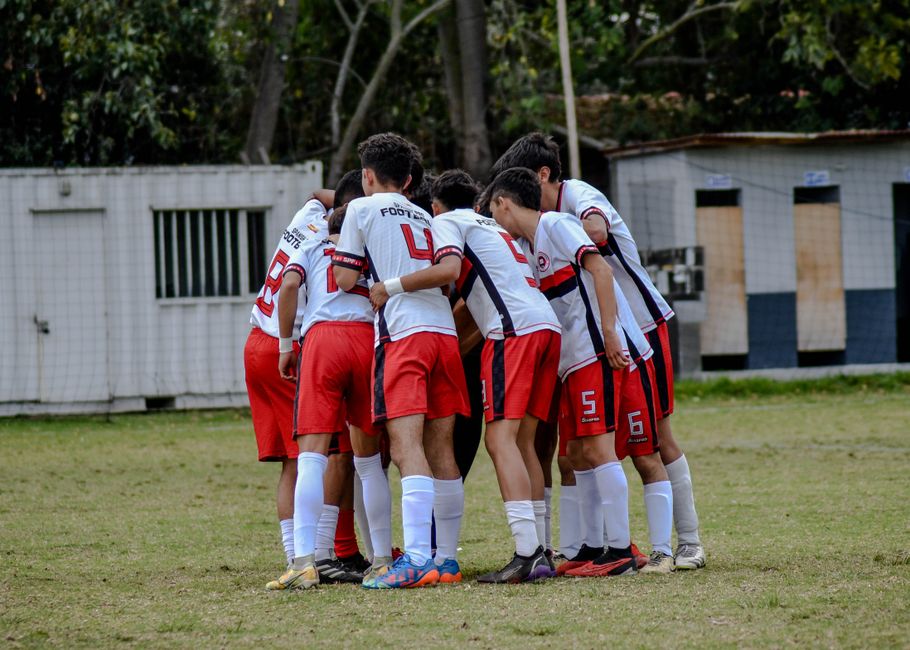
Saturday, 7:15 a.m. Shin guards hunted down, cleats in the bag, a half-eaten bagel in the car and a 9 o’clock kickoff an hour away. By the second half the sun is up, the field is hot, and the players who ate and drank well are the ones still pressing in the 80th minute. Game day is when all the training pays off, and the small things (what you eat, when you drink, how you handle heat and storms) decide how much of it shows up. Here’s a simple soccer game day plan, built on guidance from sports-medicine and sports-nutrition organizations.
General guidance for healthy players. Players with diabetes, heart conditions or other medical needs, and anyone with special diet needs, should follow their doctor’s or a registered dietitian’s plan. For the overview of the sport, see our soccer hub.
The pre-game meal: timing matters
The joint position statement on nutrition and athletic performance from the American College of Sports Medicine (ACSM), the Academy of Nutrition and Dietetics and Dietitians of Canada says that before exercise lasting over an hour, athletes do well with a carbohydrate-based meal or snack 1 to 4 hours before (their guide is 1–4 g of carbohydrate per kg of body weight). They add that foods high in fat, protein or fiber may need to be avoided right before, to lower the risk of an upset stomach.
- 3–4 hours out: a normal meal built on carbs: rice, pasta, potatoes, bread, oatmeal, with some lean protein and not much fat.
- 1–2 hours out (early kickoffs): something smaller and easy: a bagel, banana, toast with honey, a cereal bar.
- Test it in training, never on game day. The same position statement says choices should suit the individual and their experience.
Soccer hydration: before, during and after
Before the game
The goal is to start the game well hydrated, not waterlogged. The ACSM statement suggests drinking about 5–10 mL per kg of body weight (roughly 2–4 mL per pound) in the 2–4 hours before exercise, aiming for pale yellow urine, with enough time to use the bathroom before kickoff. For a 60 kg (132 lb) player, that’s about 300–600 mL, a regular water bottle or two.
During the game
Soccer only gives you natural drink stops: dead balls, injuries, halftime and, on hot days, official breaks. The National Athletic Trainers’ Association (NATA) fluid replacement statement has three useful rules:
- Avoid losing more than 2% of body weight during activity. ACSM uses the same 2% line.
- Don’t overdrink. You should not gain weight during exercise; drinking far more than you sweat can lead to a dangerous low-sodium condition (hyponatremia).
- If you don’t know your sweat rate, drinking to thirst is a safe strategy. Competitive players can learn their sweat rate by weighing themselves before and after training.
For energy, the ACSM statement lists about 30–60 g of carbohydrate per hour for 1–2.5 hours of stop-and-start sport. A sports drink at halftime, a few orange slices or a gel are the easy soccer ways to get some of it.
Sodium and electrolytes
NATA says most people get enough sodium from a normal diet, and that heavy, salty sweaters (white salt marks on the shirt are a clue) may benefit from extra sodium. That’s where electrolyte drinks fit, especially on hot days and tournament weekends. Three picks from our best electrolyte powder guide that work well in a soccer bag: Nuun Sport tablets (light, low sugar, Informed Choice tested), Skratch Labs Hydration Sport Drink Mix (with carbs for long games), and Thorne Advanced Electrolytes (NSF Certified for Sport, for players who are drug tested). Add a big bottle like the Nalgene 32 oz so there’s always water at the bench.
Nuun Sport Tablets
- 300 mg sodium per tablet
- 1 g sugar
- Informed Choice
Skratch Labs Hydration Sport Drink Mix
- 400 mg sodium
- 80 calories, 19 g carbs
- Real fruit flavor
Thorne Advanced Electrolytes
- 600 mg sodium
- 100 mg magnesium
- NSF Certified for Sport
Nalgene Sustain 32 oz Wide Mouth
- 32 oz, wide mouth
- BPA-free Tritan
- Made with 50% plastic-waste material
Electrolyte drinks are food products, not medicine. Follow the label, and check with a doctor or registered dietitian first if you have high blood pressure, kidney or heart problems, or are on a low-sodium diet.
Halftime: 15 minutes, use them
Under the Laws of the Game, halftime can’t be longer than 15 minutes. A simple routine: drink (water or a sports drink), take a small carb snack if you’re hungry, get into the shade, change a soaked shirt or socks if you can, and keep moving lightly near the end so your legs aren’t stiff for the restart.
Heat, hydration breaks and cooling
Heat is the biggest game-day danger in summer soccer. Organizers measure it with WBGT (wet bulb globe temperature), which combines air temperature, humidity, sun and wind.
- US Soccer heat guidelines: when WBGT reaches 89.6°F during a match, there should be a 4-minute hydration break for each 30 minutes of play (at about the 30th and 75th minutes of a 90-minute game). Training is shortened as the risk level rises, and in the highest (“black”) level outdoor training is delayed or canceled.
- Laws of the Game: referees add time lost to drinks breaks (up to 1 minute) and cooling breaks (90 seconds to 3 minutes) allowed by competition rules.
- FIFA World Cup 2026: for the first time, a 3-minute hydration break was held 22 minutes into each half of every match, whatever the weather.
Know the warning signs. US Soccer lists headache, nausea and dizziness as early signs of heat illness. Confusion, odd behavior or collapse in the heat can mean exertional heat stroke, a medical emergency. Call 911. NATA’s position statement says that when trained medical staff are on site, the player should be cooled first and transported second, and that cold-water immersion is the most effective cooling method. Arrive acclimatized: NATA says getting used to heat takes 7 to 14 days of gradual exposure. Shade on the bench and cold water on hand help too.
Weather and lightning
NATA’s lightning position statement is simple: “When thunder roars, go indoors.” If you can hear thunder, lightning is close enough to be a danger. No place outside is safe when thunderstorms are around. Safe places are substantial buildings with wiring and plumbing, or a fully enclosed metal vehicle like a car or bus. Play should wait until 30 minutes after the last lightning and the last thunder. Every club and tournament should have a lightning plan; parents can ask to see it.
Tournament days with two or three games
Tournaments squeeze several games into one day, so the gap between games becomes your recovery window:
- Rehydrate first. When there’s little time before the next effort, NATA says to drink about 150% of the fluid lost; ACSM puts it as 1.25–1.5 L for every kg of body weight lost. Include some salt (salty snacks or an electrolyte drink).
- Refuel early. Carbs soon after each game: sandwiches, fruit, pretzels, rice bowls, chocolate milk. With 1–2 hours between games, keep it light and familiar.
- Get off your feet and out of the sun. Shade, a chair, a cool towel, dry socks.
- Pack a cooler the night before: water, electrolyte drink, sandwiches, fruit, salty snacks, and a big refillable bottle per player.
After the final whistle, the work moves to recovery: see soccer recovery. And the habits that make game day easier start in the week before, on our soccer training page.
Soccer game day: FAQs
What should I eat before a soccer game?
A carbohydrate-based meal 3–4 hours before (pasta, rice, potatoes, bread, oatmeal) with some lean protein, or a smaller easy snack 1–2 hours before for early games. Keep fat and fiber low right before kickoff, and use foods you’ve tried in training.
How much water should a soccer player drink?
It depends on body size, heat and sweat rate. Sports-medicine guidance suggests about 5–10 mL per kg of body weight in the 2–4 hours before, then enough during play to avoid losing more than 2% of body weight, without gaining weight. If you don’t know your sweat rate, drinking to thirst is a safe approach.
Are sports drinks or electrolytes necessary for soccer?
Not always. For a short practice, water is usually enough. For full games, hot days, tournaments and heavy, salty sweaters, a drink with carbs and sodium can help you meet the fuel and fluid targets in the ACSM and NATA guidance.
When is it too hot to play soccer?
US Soccer’s heat guidelines use WBGT, not the plain temperature: at a WBGT of 89.6°F matches should have hydration breaks, training is cut back as risk rises, and at the highest level outdoor training should be delayed or canceled. Many leagues follow their own local heat rules too.
How long after thunder can we play again?
NATA says to wait 30 minutes after the last lightning and the last thunder. So a new rumble means the wait starts again.