This article contains affiliate links: if you buy through them we may earn a commission, at no extra cost to you. Learn more.
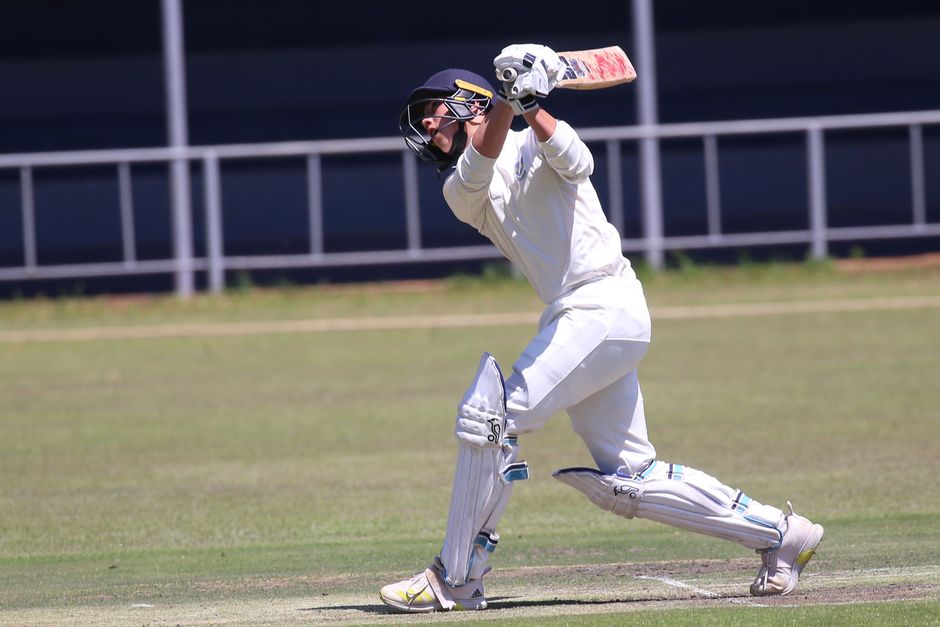
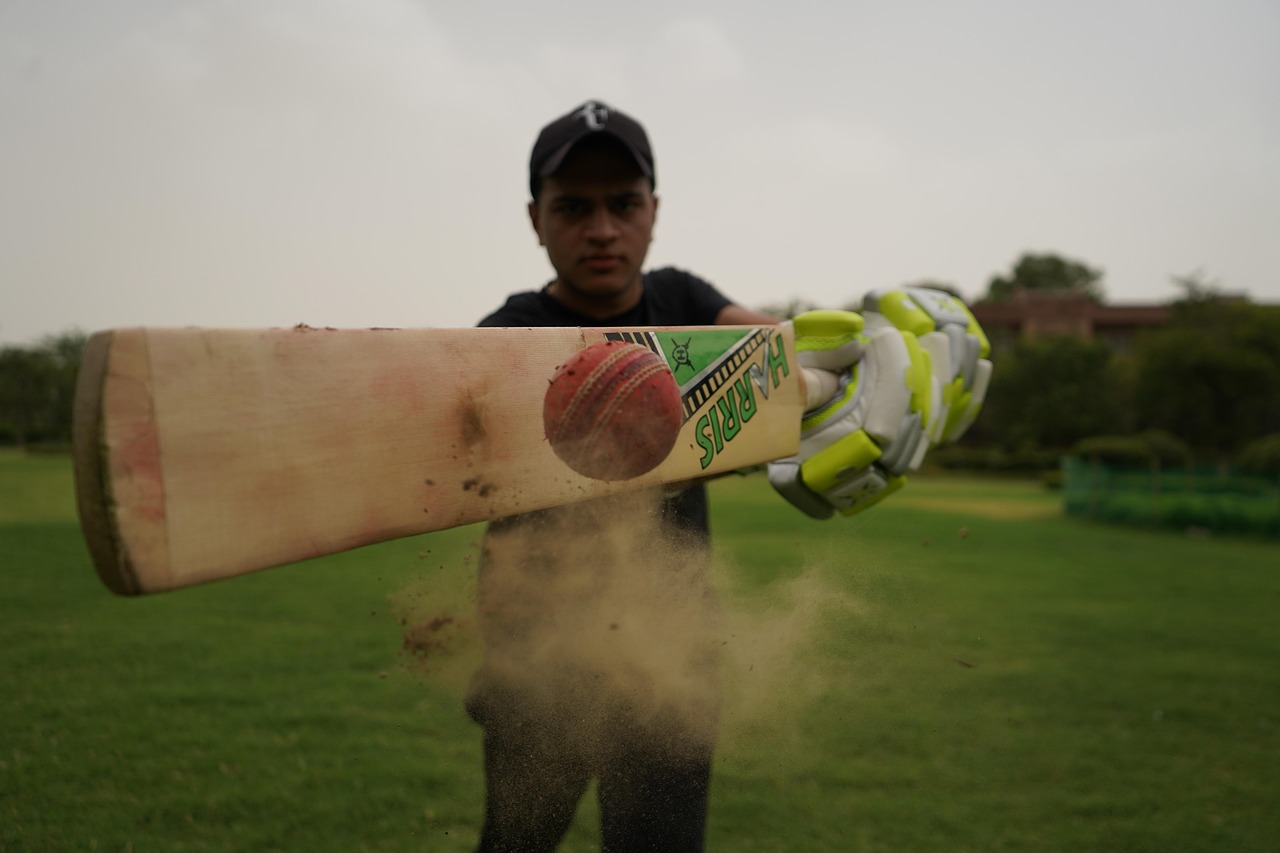
Sunday afternoon at a park ground: a club game on a mat pitch, a cooler under the shade tent, someone’s kids playing tape-ball by the parking lot, and a new batter walking out with a bat so fresh it still smells of linseed oil. Choosing one of the best cricket bats comes down to a few honest questions: English or Kashmir willow, hard ball or tennis ball, adult or junior size, and whether you’ll knock it in yourself. This guide covers seven bats sold on Amazon right now, from a cricket bat for beginners at about $59 to a made-in-England Gunn & Moore, plus sizes by age and height and what MCC Law 5 allows.
Prices change often. The prices below are what we saw on Amazon in October 2026; check the current price before you buy.
Our top picks
Gunn & Moore Noir Delta 404
- Grade 4 English willow, made in England
- Knocked in and oiled by GM
- About $178
SS T20 Legend County
- Hand-selected English willow
- 5-7 straight grains
- About $162
SS Tiger Strike 18
- English willow, 38-40 mm edges
- Toe guard, face sheet, cover
- About $124
Kookaburra Kahuna Pro 8.1
- Handcrafted Kashmir willow
- Textured grip
- About $97
Kookaburra Beast Pro 9.1
- Premium grade Kashmir willow
- Hand pre-prepared (KPP)
- About $76
SS T20 Legend Club
- Hand-pressed Kashmir willow
- Adult and sizes 3, 4, 5
- About $59
SS Noir Junior
- Grade 1 Kashmir willow
- Junior sizes, knocked in
- About $54
Cricket bats compared
| Bat | Willow | Sizes | Weight (listing) | Ready to play? | About (Oct 2026) |
|---|---|---|---|---|---|
| GM Noir Delta 404 | English, Grade 4 | Adult short handle | 1,120-1,145 g | Knocked in by maker | $178 |
| SS T20 Legend County | English | Men’s | Up to 1,160 g | Not stated | $162 |
| SS Tiger Strike 18 | English | Adult short handle | 1,140-1,170 g | “Ready to play” (title) | $124 |
| Kookaburra Kahuna Pro 8.1 | Kashmir | Adult | Not stated | Not stated | $97 |
| Kookaburra Beast Pro 9.1 | Kashmir, premium grade | Adult | Not stated | Partly (more prep advised) | $76 |
| SS T20 Legend Club | Kashmir | Adult, 3, 4, 5 | Not clearly stated | Not stated | $59 |
| SS Noir Junior | Kashmir, grade 1 | 3, 4, 5 | Varies by size | Knocked in | $54 |
The best cricket bats in 2026
1. Gunn & Moore Noir Delta 404: best English willow bat
Made in England from Grade 4 English willow, the Noir Delta 404 is, per the listing, one of the lightest bats GM makes, at about 1,120 to 1,145 grams. It has a mid swell with 38 mm edges and a 64 mm swell depth, and it arrives knocked in by the bat maker, with raw linseed oil, a clear anti-scuff cover on the face and edges, and GM’s ToeTek toe guard. A spare grip is included.
- Good: light pick-up for an English willow bat; the maker’s preparation saves you most of the knocking-in work.
- Watch out: Grade 4 is one of the lower English willow grades, which are graded on grain and blemishes; the listing’s weight figures don’t all agree.
- Best for: club batters moving up to their first proper hard-ball bat.
Check the GM Noir Delta 404 price on Amazon
2. SS T20 Legend County: best for club hard-ball batters
SS (Sareen Sports) makes this one in limited quantities from hand-selected English willow with 5 to 7 straight grains, at up to 1,160 grams. The bow is shaped to keep your hands ahead of the ball, and the 9-piece Sarawak cane handle with an aqua grip is meant to soak up some of the sting from a leather ball. An SS hologram on the back confirms it’s genuine.
- Good: straight-grained English willow for less than the GM; plenty in stock when we looked.
- Watch out: the listing doesn’t say it’s knocked in, so plan to prepare it yourself.
- Best for: regular league batters who face a hard ball every weekend.
Check the SS T20 Legend County price on Amazon
3. SS Tiger Strike 18: best value English willow
The cheapest English willow pick here, the Tiger Strike 18 is a full-size short-handle bat at 1,140 to 1,170 grams, with 5 to 8 grains and 38 to 40 mm edges. It comes fitted with a toe guard and a face sheet against wear and damp balls, plus a bat cover, and the title says it’s ready to play. SS pitches the profile at intermediate to advanced players who like power.
- Good: English willow, protection and a cover for about $124.
- Watch out: on the heavier side; stock was low when we looked; the listing warranty is 30 days.
- Best for: stronger batters who want English willow on a budget.
Check the SS Tiger Strike 18 price on Amazon
4. Kookaburra Kahuna Pro 8.1: best premium Kashmir willow
Kookaburra’s Kahuna shape in a handcrafted Kashmir willow blade, with a textured grip and, says the maker, a large sweet spot and balanced weight. Kashmir willow is harder and heavier than English willow for the same shape, but tougher, which makes this a good bat for heavy net sessions and tennis-ball or tape-ball games as well as practice with a leather ball.
- Good: a well-known brand and shape for well under $100.
- Watch out: no weight or edge size on the listing; adult size only.
- Best for: adult players who want one tough bat for nets and casual games.
Check the Kookaburra Kahuna Pro 8.1 price on Amazon
5. Kookaburra Beast Pro 9.1: best first leather-ball bat
First developed in 2001 with Ricky Ponting, the Beast Pro comes in premium grade Kashmir willow from clefts that Kookaburra dries naturally rather than in kilns. The listing gives real numbers: a mid-blade sweet spot 215 to 235 mm from the toe, rounded 34 to 38 mm edges and a 62 to 67 mm spine. It’s hand “pre-prepared” (Kookaburra calls it KPP), which the maker says is not a full knocking-in, so do a bit more yourself. A cover is included.
- Good: clear specs, part of the prep already done, in stock.
- Watch out: Kashmir willow won’t have English willow’s ping against a hard ball.
- Best for: new adult players joining a hard-ball league.
Check the Kookaburra Beast Pro 9.1 price on Amazon
6. SS T20 Legend Club: best cricket bat for beginners
For about $59 you get hand-pressed Kashmir willow with chunky 40 to 42 mm edges, a short cane handle with a ripple grip, a toe guard and an anti-scuff sheet. It’s one of the few bats sold in adult and junior sizes (3, 4 and 5) on one listing, so a parent and child can buy the same bat. Skip the weight line on the listing: it’s clearly a typo.
- Good: low price, protected face and toe, family sizing.
- Watch out: no reliable weight given; check the size you pick before ordering.
- Best for: beginners, backyard and tennis-ball cricket, and first league seasons.
Check the SS T20 Legend Club price on Amazon
7. SS Noir Junior: best junior bat
Built for kids, the Noir uses grade 1 Kashmir willow with straight grains, comes in sizes 3, 4 and 5 (the title also mentions 6), and every bat is knocked in and ready to play. It has a low profile, a clear anti-scuff sheet, a Dri toe guard, a 9-piece cane handle with an aqua grip, and a cover.
- Good: ready to use for a first hard-ball season; light low profile for small hands.
- Watch out: size 6 isn’t clearly offered; Harrow-size kids need another bat.
- Best for: kids about 8 to 11 moving up from a plastic bat.
Check the SS Noir Junior price on Amazon
How to choose a cricket bat
- English vs Kashmir willow: English willow (Salix alba caerulea, grown 15 to 20 years before it’s cut, says bat maker Gray-Nicolls) is lighter and livelier and is what most hard-ball players use. Kashmir willow is harder, heavier and much cheaper, the better choice for beginners and for tennis-ball cricket.
- Size by height, then age: a major retailer’s chart gives roughly size 3 at 4’6″-4’9″ (ages 8-9), size 4 at 4’9″-5’0″ (9-10), size 5 at 5’0″-5’3″ (10-11), size 6 at 5’3″-5’5″ (11-12), Harrow at 5’5″-5’7″ (12-14), then Small Adult and Short Handle, the standard adult size from about 5’9″. Measure the player; buy for now, not “to grow into.”
- Pick-up over weight: in your stance, you should lift the bat and play shadow shots without changing posture. If it drags your hands, go lighter or smaller.
- Know the Law 5 limits: the MCC Laws cap a bat at 38 inches long, with a blade no wider than 4.25 in, no deeper than 2.64 in and edges no thicker than 1.56 in; it must pass through a bat gauge. Face covers can be up to 0.04 in thick and toe guards up to 0.12 in. Every bat here is a standard wooden bat; laminated (Type D) bats, legal in open-age cricket under the 2026 Code, are allowed only where your governing body says so.
- Plan for knocking in: a new English willow bat needs its face, edges and toe compressed with a mallet before it meets a hard ball. Start gently, build up the force, then move to an old ball; if the ball still leaves deep seam marks, keep going. Retailers say there’s no magic number of hours (one US shop suggests 4 to 6). Oil only if the maker says so, lightly, avoiding the stickers and splice. A mallet like the SS bat mallet (about $17) does the job.
A bat is only part of the kit. Junior batters facing a hard ball need a helmet on the ICC’s BS 7928:2013 list in the right size, plus gloves, pads and (for boys) an abdominal guard. Our cricket gear list covers all of it, the youth cricket guide explains helmet rules and bowling limits for kids, and cricket injuries covers the hand, back and shoulder problems players deal with; for a sore wrist or elbow that lingers after a new, heavier bat, see a sports medicine doctor, physical therapist or athletic trainer. After a long day in the field, see our best recovery shoes and best massage guns. Everything else is on the cricket hub and in our cricket blog.
Cricket bat questions
What is the best cricket bat for beginners?
A Kashmir willow bat in the right size. It’s tough, cheap and needs less care than English willow. The SS T20 Legend Club (about $59) and Kookaburra Beast Pro 9.1 (about $76) are good first bats; kids can start with the SS Noir Junior.
What size cricket bat should my child use?
Go by height first. Roughly: size 3 for 4’6″-4’9″, size 4 for 4’9″-5’0″, size 5 for 5’0″-5’3″, size 6 for 5’3″-5’5″, and Harrow for 5’5″-5’7″. Ages (about 8 to 14 across those sizes) are only a rough guide. Between sizes, choose the lighter bat.
Can I use an English willow bat for tennis-ball cricket?
You can, but you’d be paying for performance you won’t feel. Tennis and tape balls don’t need English willow’s spring, so a Kashmir willow bat or a dedicated tennis-ball bat is the better buy.
How long does it take to knock in a cricket bat?
It depends on the bat and how the maker prepared it. An untreated English willow bat needs several hours with a mallet; retailers’ estimates start around 4 to 6 hours. Bats sold as knocked in still benefit from a gentle session with an old ball before nets. Follow the care card that comes with the bat.
How big can a cricket bat be?
Under MCC Law 5, no more than 38 inches long, with a blade up to 4.25 inches wide, 2.64 inches deep and 1.56-inch edges. There’s no weight limit in the Laws.