This article contains affiliate links: if you buy through them we may earn a commission, at no extra cost to you. Learn more.
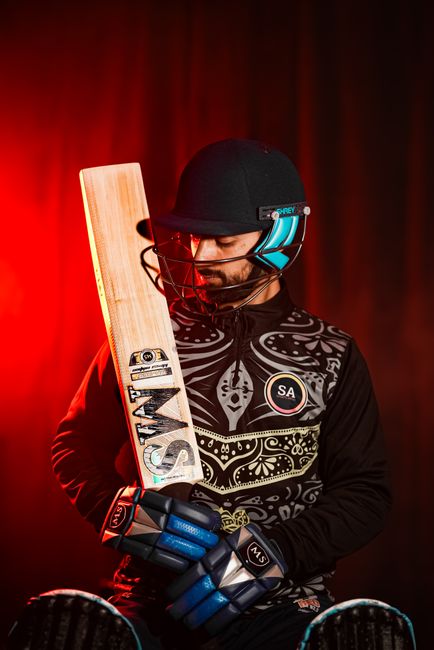
There’s a smell every cricketer knows: linseed oil on a new bat, rubbed into the face on the kitchen table the week before the season. Then come the evenings of knocking it in with a mallet, the first net session in a helmet that still feels too tight, and the kit bag that somehow weighs more than the kid carrying it. Cricket gear is what lets you face a hard ball with confidence, so it’s worth getting right. Here’s a plain cricket equipment list: bats (English vs Kashmir willow), helmets that meet BS 7928:2013, pads, gloves, abdominal guards, thigh pads, shoes, balls and bags, plus the recovery gear for after a long day in the field.
Buying guide · Our Cricket buying guide compares the gear we'd pick, with prices and sizing:
Prices change often. The prices below are what we saw at the maker or a major retailer in October 2026; check the current price before you buy.
What the rules and safety standards say
- Bats (Law 5): the blade must be wood, the bat no longer than 38 inches, the blade no wider than 4.25 inches and no deeper than 2.64 inches, with edges up to 1.56 inches. The 2026 Code of the Laws, in force since October 1, 2026, legalizes laminated bats in open-age cricket; check which bat types your league allows.
- Balls (Law 4): the men’s ball weighs 5.5–5.75 oz; two smaller sizes are used in women’s and junior cricket.
- Helmets: in international cricket, any batting helmet must meet British Standard BS 7928:2013; the 2019 update (A1:2019) added neck protectors. The ICC publishes a list of compliant helmets (updated September 29, 2026), showing which were tested against the men’s ball (5½ oz), the junior ball (4¾ oz) or both.
- Juniors: under ECB rules, players under 18 must wear a helmet with a faceguard when batting against a hard ball or keeping wicket up to the stumps, and boys must wear an abdominal guard. See our youth cricket guide.
Our top picks
Gunn & Moore Noir Delta 404 Bat
- Grade 4 English willow
- Knocked in, oiled by maker
- About $178
Kookaburra Kahuna Pro 8.1 Bat
- Kashmir willow
- Textured grip
- About $97
Shrey Armor 2.0 Steel Helmet
- On ICC BS 7928 list
- Junior to large sizes
- About $135
Gunn & Moore Purist Geo II Helmet
- BS 7928:2013 (maker)
- Geo steel grille
- About $91
Gunn & Moore Aion Batting Gloves
- Calf leather palm
- Adult, youth, junior
- About $40
SG Premium Abdominal Guard
- High-impact poly shell
- Men, youth, boys sizes
- About $13
SG Ultimate Combo Thigh Guard
- Thigh and inner thigh
- Adjustable straps
- About $33
Kookaburra County Club Ball
- 5.5 oz men's ball
- 4-piece, hand stitched
- About $37
OOFOS OOahh Slide
- OOfoam slide
- APMA Seal of Acceptance
- Machine washable
Bats: English willow vs Kashmir willow
English willow comes from cricket bat willow (Salix alba caerulea), which Gray-Nicolls says grows for 15–20 years before it’s cut into clefts, one cleft per bat. The wood is soft and fibrous, so bats are pressed, and they need knocking in with a mallet and light oiling before facing a hard ball. In return you get a lighter, livelier bat with more “ping”. Bats are graded by grain and blemishes, and price follows grade. Kashmir willow, grown in the Indian subcontinent, is harder and heavier for the same shape, less springy and much cheaper, which makes it a sensible first bat and a favorite for tennis-ball and tape-ball cricket.
Our picks: the Gunn & Moore Noir Delta 404 (about $178, seen October 2026) is Grade 4 English willow made in England, about 1,120–1,145 grams per its listing, already knocked in and oiled by the maker, with a ToeTek toe guard and anti-scuff face. On a budget, the Kookaburra Kahuna Pro 8.1 (about $97) is a handcrafted Kashmir willow bat, and the SS T20 Legend Club (about $59) comes in adult and junior sizes. Kids’ bats go by height: roughly size 3 at 4’6″–4’9″, size 4 at 4’9″–5’0″, size 5 at 5’0″–5’3″, size 6 at 5’3″–5’5″, then Harrow.
Check the GM Noir Delta 404 price on Amazon
Helmets and neck guards
Buy a helmet that’s on the ICC’s BS 7928:2013 list and tested against the ball you face: junior players need one tested against the junior ball, and the ECB suggests helmets tested against both balls where a women’s ball is used, since a smaller ball could slip through the gap above a men’s grille. The Shrey Armor 2.0 steel helmet (about $135, about 940 grams) is on the list in junior, youth, medium and large sizes, tested against both balls. The Gunn & Moore Purist Geo II (about $91) states BS 7928:2013 compliance on its listing and has a Geo steel grille to reduce the gap between peak and grille. For more ventilation, the Shrey Master Class AIR 2.0 (stainless steel, about $190) is listed with Shrey’s neck guard under the 2019 standard.
Neck guards (stem guards) clip to the back of the helmet to protect the upper neck; the ECB strongly advises them for juniors. Check that the guard is the one certified with your helmet model: Shrey sells the Neck Guard 2.0 (about $50), while the ICC list names the “Shrey Pro Neck Guard” for specific helmets. A helmet that has taken a hard hit or has a bent grille should be checked against the maker’s advice.
Check the Shrey Armor 2.0 helmet price on Amazon
Pads, gloves and thigh guards
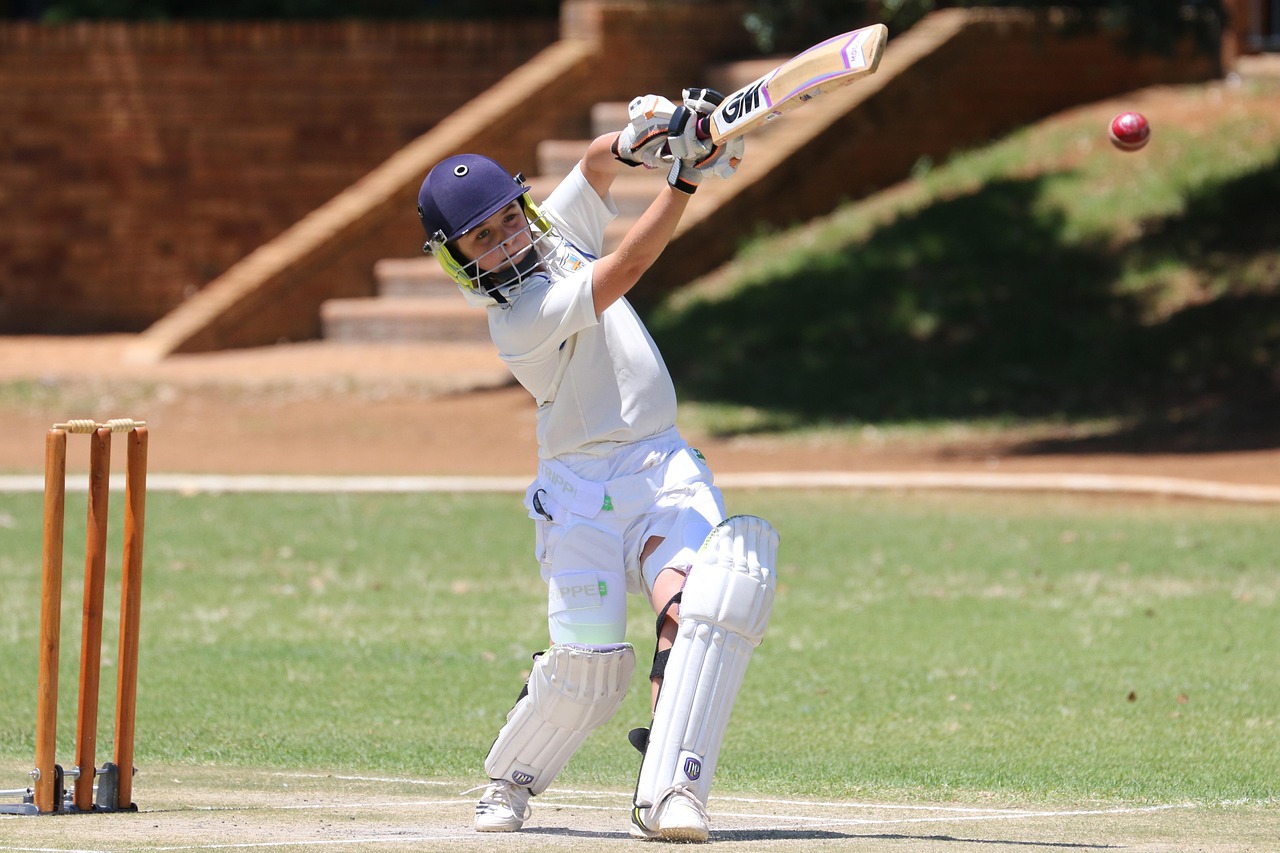
The ECB calls fingers and hands the most injured body parts in cricket, and the thigh the second most common injury site in recreational cricket, so these aren’t optional. Batting gloves need thick finger padding and a side bar on the thumb hand; the Gunn & Moore Aion (about $40, calf-leather palm, adult, youth and junior sizes) and SS Club Lite (about $38) are good club gloves. For pads, the SS Match Premium (about $70, dual-density foam with cane bolsters, adult and junior) suit most players, and the Kookaburra Pro 6.0 Supalite (about $90) has a slim, ambidextrous fit for juniors and lighter players. Add a thigh guard like the SG Ultimate Combo (about $33), which covers the outer and inner thigh. Fielders: one study at an English county club found most hand injuries hit the little and ring fingers while fielding, and its authors suggested buddy-strapping those fingers.
Check the SS Match Premium pads price on Amazon
Abdominal guards
Every batter and wicketkeeper should wear an abdominal guard (a “box”); under ECB rules it’s mandatory for boys whenever they’re required to wear a helmet. Cricket boxes are shaped to slip into a jockstrap or briefs. The SG Premium Abdominal Guard (about $13) has a high-impact poly shell with foam-bound edges in men’s, youth and boys’ sizes; the Gunn & Moore slip-in guard is about $15, and for kids the SG Ace Youth is about $9.
Check the SG abdominal guard price on Amazon
Shoes
Fast bowlers land hard on the front foot on every delivery, so shoes matter most for them. Metal spikes grip grass pitches and outfields; rubber studs suit mats, artificial pitches and hard ground. The SG Club 6.0 (about $60) has a rubber-studded outsole with an EVA midsole and insole; the SOLM8 S60Pro (about $85) has replaceable metal spikes and a strap for grass. Replace worn spikes, and try shoes on with the socks you’ll play in.
Check the SG Club 6.0 shoe price on Amazon
Balls and bags
For matches, a leather ball like the Kookaburra County Club (about $37, 5.5 oz, four-piece hand-stitched) works for games and training. For safer practice, the Kookaburra Supercoach (about $29) is foam-filled with real stitches, and FORTRESS Incrediballs (six for about $28) come in junior and senior weights. For tape-ball cricket, lightweight Invicto cricket tennis balls (three for about $17) do the job. To carry it all, the Gunn & Moore 707 duffle (about $80) fits two bats and a full adult kit with a shoe tunnel, and the SS County wheelie bag (about $55) has three bat pockets.
Check the Kookaburra County Club ball price on Amazon
Recovery gear for the bag
A club game can mean six hours on your feet, and a spell of fast bowling hits the back, hips, hamstrings and calves. Recovery slides like the OOFOS OOahh (about $60, APMA Seal of Acceptance, washable) feel good once the spikes come off. A foam roller like the TriggerPoint GRID 1.0 (about $40) or a small massage gun such as the Hypervolt Go 3 (about $149, 1.6 lb) helps many players loosen tight legs and hips, and an electrolyte mix like Nuun Sport is handy on hot days. These are comfort tools, not treatment; back pain in a bowler that keeps coming back is a reason to see a sports medicine doctor, physical therapist or athletic trainer. Compare more in our best recovery shoes, best foam rollers, best massage guns and electrolyte powder guides.
Check the OOFOS OOahh Slide price on Amazon
How to choose cricket gear
- Safety first: spend on the helmet, gloves and box before the bat. Check the ICC helmet list for your exact model and size.
- Match the ball: a helmet tested against the junior ball for junior cricket; Kashmir willow for tennis-ball cricket, English willow for the hard ball.
- Fit kids by height: the right bat size and a helmet that doesn’t move; check both every season.
- Buy for your hand: gloves, thigh pads and some pads come in right- and left-handed versions.
- Look after it: knock in and lightly oil English willow, keep bats dry, and retire cracked helmets and worn spikes.
Back to the cricket hub, or see cricket rules, youth cricket, cricket injuries and the best wearables for cricketers.
Cricket gear questions
Is English willow better than Kashmir willow?
For hard-ball cricket, most serious players prefer English willow: it’s lighter and livelier. Kashmir willow is heavier and less springy but tougher and much cheaper, so it’s a good first bat and a common choice for tennis-ball cricket.
What does BS 7928:2013 mean on a cricket helmet?
It’s the British Standard for cricket head protectors, required for helmets in international cricket. The 2019 amendment (A1:2019) added testing for neck protectors. The ICC lists compliant models and whether each was tested against the men’s ball, the junior ball or both.
Do I need to knock in a new cricket bat?
English willow bats do, unless the maker has already done it (some, like the GM Noir Delta 404, come knocked in). Knocking in with a mallet compresses the soft willow so it doesn’t crack on the first hard ball. Kashmir willow is harder and needs less care.
What protective gear does a batter need?
A helmet with a faceguard, batting pads, batting gloves and an abdominal guard at minimum; most also wear a thigh pad, and many add an arm guard and chest guard against fast bowling.
Are laminated cricket bats legal?
The 2026 Code of the Laws, in force since October 1, 2026, legalizes laminated bats in open-age cricket. Governing bodies and leagues still decide which bat types they allow at each level, so check your league’s rules.