This article contains affiliate links: if you buy through them we may earn a commission, at no extra cost to you. Learn more.
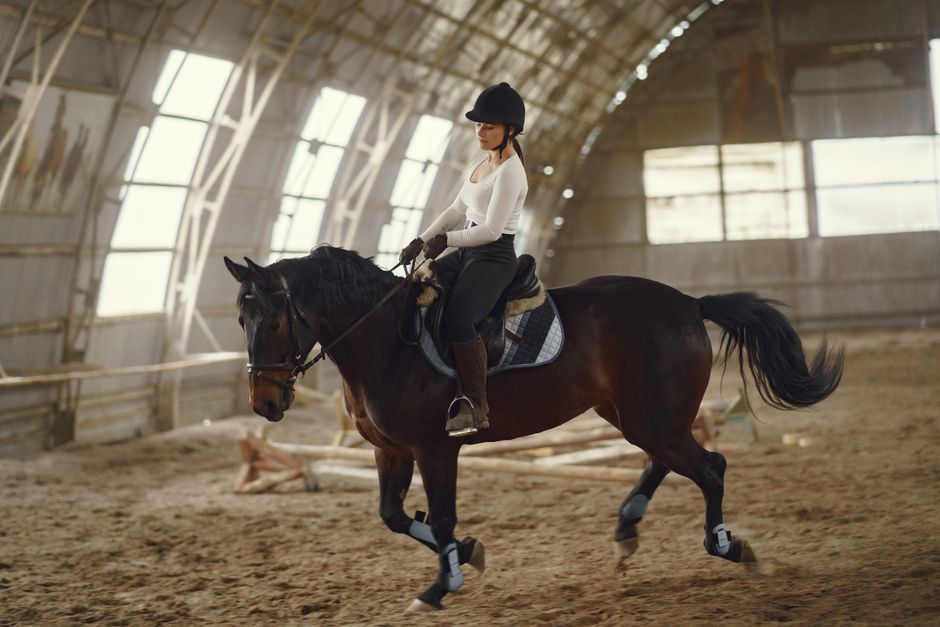
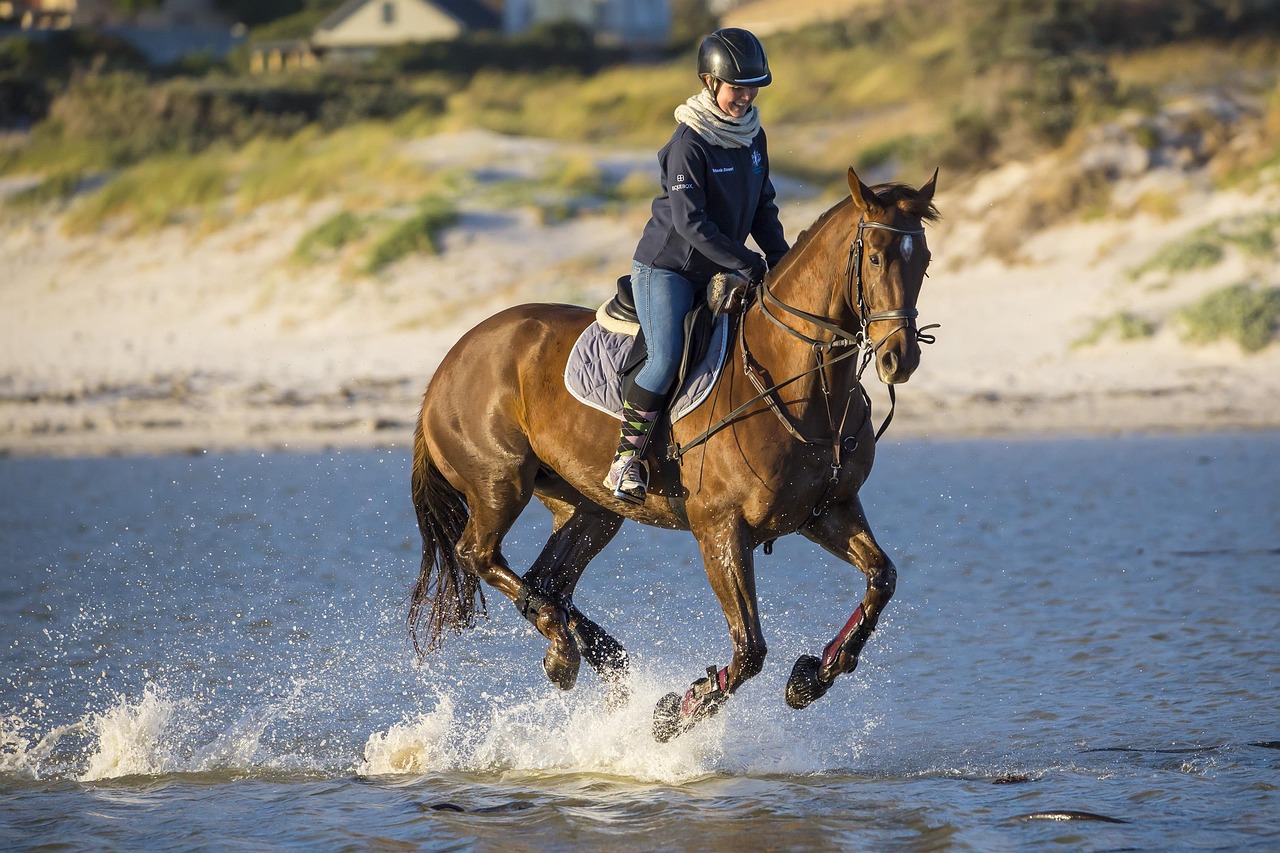
Saturday at the lesson barn: a ten-year-old on a fat bay pony walks a lap of the arena, two adult beginners wait their turn on the rail, and a teenager warms up for her first cross-rail course. The instructor checks the same thing on every rider before anyone trots: a helmet that fits, harness buckled. Choosing among the best horse riding helmets isn’t about the logo; it’s about an equestrian standard (ASTM F1163 with the SEI tag in the US), a snug fit on your head shape, and replacing it after a fall. Below are six helmets really sold in 2026, from a $40 kids’ schooler to a show helmet with MIPS, and how to choose.
Prices change often. The prices below are what we saw at the maker or a major retailer in October 2026; check the current price before you buy. On Amazon, prices also vary by size and color.
Our top picks
Troxel Spirit
- ASTM/SEI certified (Troxel)
- Full coverage, DialFit
- Removable washable liner
Troxel Terrain MIPS
- SEI to ASTM F1163-23
- Mips layer, 12 large vents
- Coolcore liner, DialFit
One K CCS with MIPS
- SEI ASTM F1163-23 + EN 1384
- Round or oval shape
- XS to 2XL
Ovation Deluxe Schooler
- ASTM F1163-15 + SEI
- Low-profile vents
- YKK adjuster and buckle
Troxel Sport 2.0
- ASTM/SEI certified (Troxel)
- XS to XL, 7 vents
- Washable liner
Riding helmets compared
| Helmet | Certification (as listed) | Sizes | Key feature | About (Oct 2026) |
|---|---|---|---|---|
| Troxel Spirit | ASTM/SEI | XS and up | Deep full coverage, DialFit | $63–$79 |
| Troxel Terrain MIPS | ASTM F1163-23 / SEI | S, M, L | Mips, 12 extra-large vents | $173 |
| One K CCS with MIPS | ASTM F1163-23 / SEI, EN 1384 | XS–2XL, round or oval | Interchangeable color panels | $308 (maker $385) |
| Tipperary Sportage | ASTM F1163-15 / SEI | XS–XL | Light, 11 vents, drop-back shell | $124 |
| Ovation Deluxe Schooler | ASTM F1163-15 / SEI | S/M and up | Low price, ABS shell | $59 |
| Troxel Sport 2.0 | ASTM F1163-23 / SEI | XS–XL | Widest Troxel size range | $40–$62 |
The best horse riding helmets for 2026
1. Troxel Spirit: best overall
Walk into almost any lesson barn and you’ll see a Spirit on a hook. Troxel redesigned it with a deeper, full-coverage fit, a low profile that suits a range of head shapes, airflow vents and a removable, washable headliner with Troxel’s Air-Channel design. A soft-touch DialFit dial at the back fine-tunes the fit. It comes in sizes for adults and children, including an extra small (6¼ to 6½) for young riders, and in lots of matte and glossy colors. Troxel says all its helmets are ASTM/SEI certified. We saw it for about $79, and about $63 for some sizes and colors.
- Good: fair price for a deep, dial-adjusted helmet; washable liner; sizes from small kids to adults.
- Watch out: no MIPS layer; the busier graphics aren’t for a formal show ring.
- Best for: lessons, schooling and trail riding, English or Western, for most riders.
Check the Troxel Spirit price on Amazon
2. Troxel Terrain MIPS: best with MIPS
The Terrain adds a Mips layer to a cool, low-profile helmet. Troxel describes Mips as a lightweight, low-friction layer that allows 10 to 15 mm of multi-directional movement in certain angled impacts. It has 12 extra-large vents, a frontal reinforcement cage that Troxel says adds impact resistance without blocking airflow, a Coolcore moisture-wicking headliner and a micro-adjustable DialFit. Troxel lists it as SEI certified to ASTM F1163-23 in three sizes: small (6½ to 6⅞), medium (7 to 7⅜) and large (7⅜ to 7¾). About $173, the same at Troxel and on Amazon.
- Good: Mips at a mid-range price; very well vented for summer trail rides.
- Watch out: only three sizes, none for small children; more than double the Spirit’s price.
- Best for: adult and teen riders who want Mips for everyday riding, especially in the heat.
Check the Troxel Terrain MIPS price on Amazon
3. One K CCS with MIPS: best show helmet
One K is a common sight in the hunter and jumper rings, and the CCS with MIPS is its show helmet with a Mips layer. One K lists it as dual certified to SEI ASTM F1163-23 and the European CE EN 1384:2023. Two head shapes, round and oval, and six sizes from XS to 2XL make it easier to find a true fit, and the Custom Color System lets you swap the top panel, stripe rails and front shield to change the look. The liner is washable. One K sells it for about $385; the black matte medium we checked on Amazon was about $308.
- Good: two shell shapes; US and European certification; a polished look for the show ring.
- Watch out: the priciest pick by far; the Amazon listing gives few details, so check the shape and size with One K’s chart.
- Best for: competitive hunter, jumper and equitation riders, and riders whose heads are long-oval.
Check the One K CCS with MIPS price on Amazon
4. Tipperary Sportage: best for hot days
Tipperary, better known for body protectors, built the Sportage to be light and airy: a high-density ABS shell over an EPS foam liner, a contoured drop-back shell for more coverage at the back of the head, 11 mesh-covered vents and a short, flexible visor. Riding Warehouse lists it at 17 ounces and as ASTM F1163-15/SEI certified, in five sizes from XS (19½ to 19⅞ inches around) to XL (22⅝ to 23⅞ inches). Tipperary recommends replacing a helmet within five years. About $124.
- Good: light and well ventilated; extra coverage at the back.
- Watch out: no dial: fit is fine-tuned with pads; the Amazon listing describes it for adults 18 and up.
- Best for: trail riders, eventers schooling at home and anyone who rides in summer heat.
Check the Tipperary Sportage price on Amazon
5. Ovation Deluxe Schooler: best budget for adults
For adults starting lessons who want their own helmet instead of the barn’s loaner, the Deluxe Schooler does the basics for about $59. It has a lightweight ABS shell, low-profile vents, and a YKK adjuster clip and buckle positioned to stay off your face. The listing says it is ASTM F1163-15 and SEI certified and pitches it at riders over 12. Ovation’s sizing advice: measure around the largest part of your head, an inch above the eyebrows, over the bump at the back and above the ears.
- Good: low price with the certification riders need; simple, classic schooling look.
- Watch out: no MIPS; fewer fit adjustments than the dial helmets.
- Best for: adult beginners and teens on a budget.
Check the Ovation Deluxe Schooler price on Amazon
6. Troxel Sport 2.0: best for kids
Kids outgrow helmets, so the first one doesn’t need to be fancy, only certified and snug. The Sport 2.0 has a sturdy injection-molded shell with an integrated visor, seven large vents and a removable, washable liner. Troxel says it has the largest size range in its line, XS (6¼ to 6½) to XL (7⅝ to 7⅞), and lists it as SEI certified to ASTM F1163-23. It’s one of the three helmets Troxel suggests for young riders in its kids’ helmet guide, alongside the Spirit. Troxel lists it at about $62; we saw some colors and sizes for about $40 on Amazon.
- Good: lowest price here; small sizes; tough matte shell for barn life.
- Watch out: no dial; check the fit with the pads rather than hoping for growing room.
- Best for: young riders, Pony Club and 4-H members, and spare helmets for visiting friends.
Check the Troxel Sport 2.0 price on Amazon
How to choose a riding helmet
- Look for the equestrian standard. In the US that’s an equestrian helmet certified to ASTM F1163 through SEI, with the SEI seal and date of manufacture under the liner. US Equestrian also accepts PAS 015, VG1 01.040 and Snell. A bike or ski helmet isn’t tested to the riding standard.
- Know the show rules. At US Equestrian licensed competitions, a certified helmet with the harness fastened is required for anyone mounted, except where division rules allow otherwise (Western and reining riders may wear a Western hat). For juniors, the parent or guardian is responsible for the helmet meeting the standard and fitting.
- Fit beats features. Measure about an inch above the eyebrows. The helmet should sit level and snug all around without pressure points, with the straps forming a V under the ears and room for only one or two fingers under the chin, as Troxel describes. US Equestrian advises having a helmet fitted by someone qualified and trying it on even if you’ve owned the same model before, so a tack-shop fitting before you order is time well spent.
- MIPS: nice to have, not magic. Mips is designed to help with rotational motion in some angled impacts. A 2025 study of collegiate equestrians found no difference in head-injury rates between helmets with and without MIPS, or between brands. A certified helmet that fits well matters most.
- Kids: fit for today. Troxel’s advice is to buy a helmet that fits properly now, not a loose one to grow into.
- Buy new, replace after falls. Troxel says equestrian helmets are made for one impact: replace any helmet after a fall where it hit, even if it looks fine, and every five years anyway. You can’t know a used helmet’s history.
If a fall leaves a rider with a headache, dizziness, confusion or any change in how they act, stop riding for the day and have them checked by a doctor or athletic trainer; our horseback riding injuries guide explains the warning signs. For the rest of the kit, see our horseback riding gear guide (body protectors, boots, gloves), the parents’ guide to horseback riding for kids, the full horseback riding section, more posts in the horseback riding blog, and, for the morning after a long day in the saddle, the best recovery tools for athletes.
Riding helmet questions
What does ASTM F1163 mean on an equestrian helmet?
ASTM F1163 is the US performance standard for helmets used in horse sports. Helmets are tested after heat, cold and water conditioning, against a flat surface and an “equestrian hazard” anvil. SEI, the Safety Equipment Institute, certifies helmets to it; look for the SEI tag inside. The number after the dash (F1163-15, F1163-23) is the edition of the standard.
How often should I replace my riding helmet?
After any fall or accident where it took a hit, even if you can’t see damage, and otherwise about every five years, as Troxel and Tipperary recommend. Many riders skip this: in one study, 78% of college equestrians said they wouldn’t replace their helmet after every fall. Some makers, such as Tipperary, offer a discount on a replacement after an accident.
Can I wear a bike helmet to ride a horse?
No. Bike helmets are certified to a different standard and aren’t tested against the equestrian hazard. US Equestrian shows accept only riding standards (ASTM F1163 with SEI, PAS 015, VG1 or Snell), and many barns and 4-H programs require the same.
Is a MIPS riding helmet worth it?
It can be if it fits you well and fits your budget, but it isn’t a guarantee. Mips is designed to reduce rotational motion in some angled impacts; a 2025 study of college riders found no difference in head injuries between MIPS and non-MIPS helmets. A certified, well-fitted helmet without MIPS is better than a loose one with it.
How should a kid’s riding helmet fit?
Level on the head about an inch above the eyebrows, snug enough that it doesn’t rock when they shake their head, straps in a V under the ears and one or two fingers under the buckled chin strap. Don’t buy a size up to grow into, and check the fit yourself before every ride.