This article contains affiliate links: if you buy through them we may earn a commission, at no extra cost to you. Learn more.
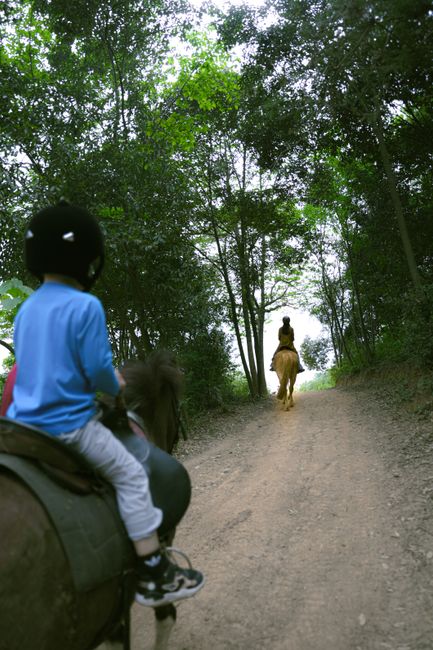
A Saturday lesson barn. A seven-year-old in a borrowed helmet stands at the shoulder of a patient old lesson pony, holding the lead rope just the way she was shown, while her dad tries not to look nervous. Two years later she’s grooming her own lesson horse before an IEA show; at 14 she’s teaching the little kids how to pick out hooves. Horseback riding for kids builds balance, strength, responsibility and a bond with an animal many times their size. That last part is why safety matters so much. This guide is for parents: when kids can start, how to find lessons, the safety rules around horses, helmets, youth programs and the questions parents ask most.
What age can kids start horseback riding?
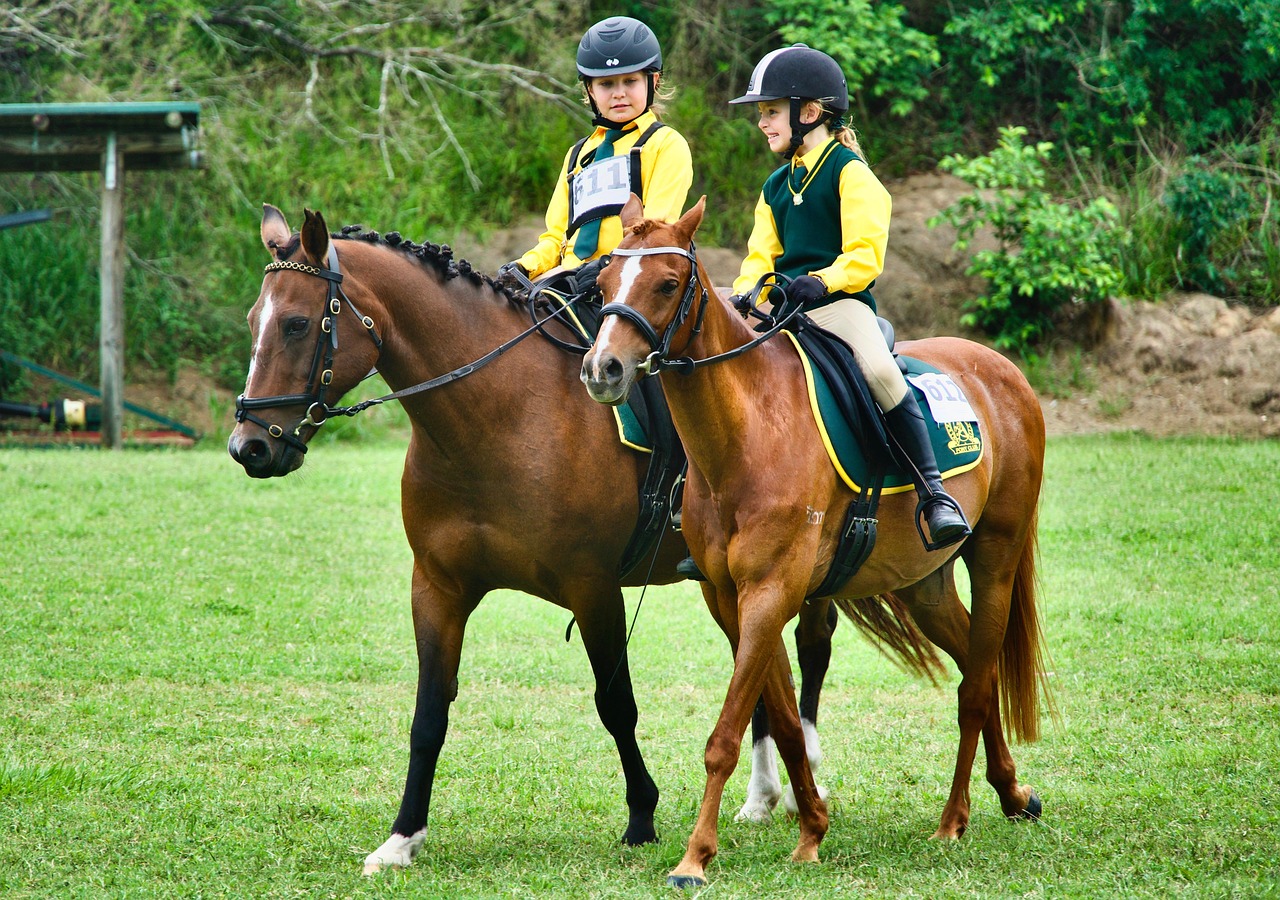
There’s no single national age. Each barn and program sets its own, and the youth organizations give a feel for it:
- 4-H: states set the rules. Idaho 4-H lets members handle and ride horses from age 8, and keeps its 5-to-7-year-old Cloverbuds away from any activity that involves handling or riding a horse; Utah County 4-H also starts riders at 8.
- IEA school teams: start in grade 4.
- Pony Club: open to anyone 25 and under, through local clubs and riding centers.
- Lesson barns: set their own minimums, so ask.
More important than the birthday: can your child listen and follow instructions every time, stay calm around a large animal, and sit balanced? A good instructor will tell you honestly. For the youngest riders, lessons should be short, led by an adult, on a quiet, well-trained horse or pony.
Finding lessons and a good instructor
If you don’t have horse experience, start with a certified instructor. US Equestrian points parents to instructors certified through the USDF Instructor/Trainer Program, the USEA Instructors’ Certification Program, the USHJA Trainer Certification Program, the American Riding Instructors Association (ARIA) and the Certified Horsemanship Association (CHA). Then visit and watch a lesson. Look for:
- Certified helmets on every rider, every ride, and heeled boots.
- Calm, well-kept lesson horses matched to each child’s level.
- Time spent on ground skills: catching, leading, grooming and tacking up safely.
- Small groups, a fenced arena and an instructor watching every rider.
- A clear plan for falls and emergencies.
Safety rules around horses for kids
Horses can frighten easily, and a startled horse moves fast. Many injuries happen on the ground, from kicks or being stepped on. In one trauma center’s review of facial fractures from horse activities, more than half the patients weren’t riding at the time. Teach these habits before the first ride, as extension horse specialists recommend:
- Walk up to the left shoulder and talk, so the horse knows you’re there. A horse can’t see you within about 4 feet in front of its face or directly behind it.
- Never walk directly behind a horse or approach it head-on.
- Lead from the left side, between the head and shoulder, and turn the horse to the right, away from your feet.
- Never wrap the lead rope or reins around a hand, wrist or body. Fold the extra rope in your hand instead.
- Tie only with a halter and a quick-release knot, to something solid, never with the reins.
- No running, shouting or flapping things in the barn, and an adult nearby for young kids.
Helmets: every ride, every time
Falls are part of riding, and the head is what matters most. At US Equestrian licensed shows, anyone mounted must wear a certified helmet with the harness fastened (Western and reining divisions excepted), and it’s the parent or guardian’s job to make sure a junior’s helmet meets the standard, fits and is in good condition. Some 4-H programs, Idaho’s for example, require an ASTM/SEI helmet whenever a member is mounted, practices included. Make it your family rule, too.
- Buy a riding helmet, not a bike helmet. Look for ASTM F1163 with the SEI tag inside (or another US Equestrian-accepted standard: PAS 015, VG1 or Snell).
- Have it fitted. US Equestrian advises having a helmet fitted by someone qualified, and trying it on even if you’ve bought the same model before.
- Replace it after a fall where it hit, even if it looks fine. Troxel says equestrian helmets are made for one impact and recommends replacing them every five years. Kids also outgrow them.
The Troxel Spirit comes in an extra-small size (6¼ to 6½) for young riders, with a DialFit adjuster and a washable liner, for about $63 on Amazon. Troxel says all its helmets are ASTM/SEI certified. For eventing and cross-country, kids also wear a body protector vest; see our horseback riding gear guide.
Troxel Spirit Riding Helmet (X-Small)
- ASTM/SEI certified
- XS fits 6-1/4 to 6-1/2
- About $63
SSG Digital Riding Gloves
- Digital grip palm
- Grips when wet
- About $40
Nalgene Sustain 32 oz Bottle
- 32 oz, wide mouth
- BPA-free Tritan
- Made with 50% plastic-waste material
Falls, broken arms and concussions
Most injuries to young riders come from falling off. A US emergency-room study estimated about 101,700 children under 16 treated for fractures from horseback riding between 2000 and 2023; falls from the horse caused 75.7% of them, being bucked or thrown another 17%, and 80% were in the arms, mostly the upper arm, elbow, forearm and wrist. Girls made up 72.5% of the patients, and most were sent home from the emergency room.
Concussions are the injury to watch for. In a study of college riders, more than half had fallen off in the past year, concussion was the most commonly reported head injury, and more than half of those with a concussion said they never got medical care. Teach kids to tell you if they hit their head. The CDC’s HEADS UP advice: if you suspect a concussion, stop riding for the day, see a healthcare provider, and return only when cleared. Signs include headache, dizziness, confusion, nausea and just not “feeling right.” A broken bone, a hard fall or pain that doesn’t settle needs a doctor; a sports medicine doctor or physical therapist can guide the return to riding. More on our horseback riding injuries page.
Youth programs and competition
- Pony Club: riding and horse care through mounted and unmounted lessons, with certifications from D level (beginner) up to A. Riding centers have lesson horses.
- 4-H: state-run horse projects covering horse care, riding, judging and shows, plus horseless projects in many states.
- IEA: school or barn teams for grades 4–12 in hunt seat, Western and dressage, on horses riders draw at the show.
- Breed and discipline youth programs: AQHYA (Quarter Horses), NRHA and NBHA youth classes, and US Equestrian’s junior divisions. Under USEF eventing and reining rules, a rider counts as a junior until the end of the year they turn 18.
- US Equestrian Interscholastic Athlete Program: students in grades 5–12 can earn varsity-style letters for riding hours or competition in any breed or discipline.
For teens thinking about college, IHSA and NCAA equestrian teams also provide horses. All the organizations are on our equestrian organizations page, and show rules are on horseback riding rules.
Sun, water and sleep
Show days are long, often hot and spent mostly waiting. Pack a big water bottle, sunscreen and real snacks; for teens riding in summer heat, our electrolyte guide compares drink mixes. Growing riders need their sleep, too: the CDC recommends 9–12 hours for children 6–12 and 8–10 hours for teens. Back to the horseback riding hub, or, if your child plays a team sport as well, see our youth soccer guide.
Parents’ questions about horseback riding for kids
What is a good age to start horseback riding lessons?
It depends on the child and the barn. Some programs start riders at 8 (Idaho and Utah County 4-H, for example), IEA starts in grade 4, and lesson barns set their own minimums. Readiness to listen and follow safety rules matters more than age.
Is horseback riding safe for kids?
Riding has real risks, mostly falls (arm fractures are the most common broken bones in children) and ground injuries such as kicks. A certified helmet every ride, heeled boots, a quiet horse, a qualified instructor and good habits around horses lower the risk.
Can my child use a bike helmet for riding?
Use a riding helmet. US Equestrian accepts helmets certified to equestrian standards such as ASTM F1163 with the SEI tag, and ASTM F1163 includes tests designed for horse-riding falls.
Do we need to buy a horse?
No. Lesson barns, Pony Club Riding Centers, IEA teams and 4-H horseless projects all let kids ride and learn without owning one.
What should my child wear to the first lesson?
A certified riding helmet (many barns lend them), long pants, and boots or shoes with a distinguishable heel (US Equestrian requires one at shows). Skip sandals and loose scarves.