This article contains affiliate links: if you buy through them we may earn a commission, at no extra cost to you. Learn more.
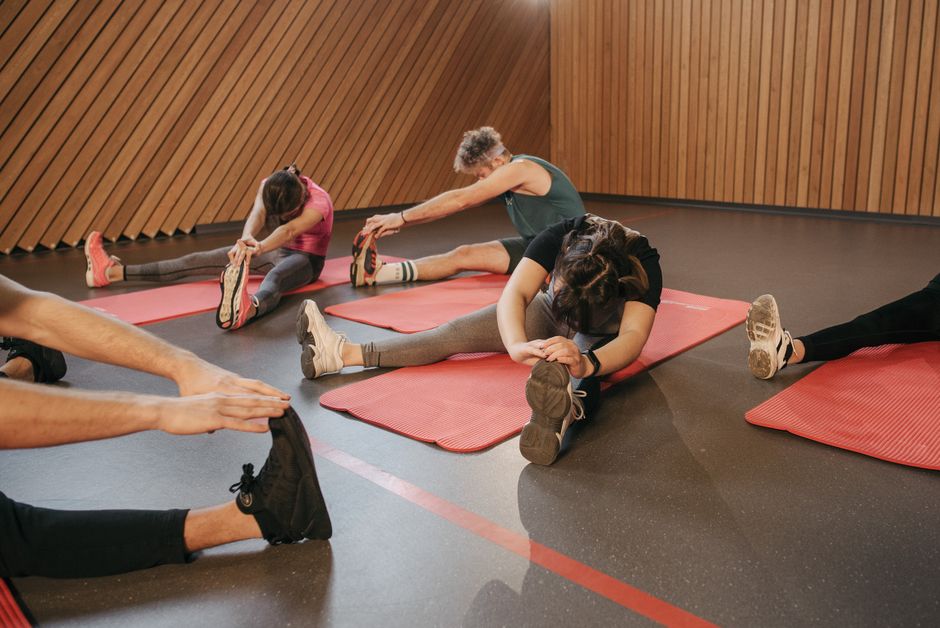
It’s Tuesday after a hard weekend of games, and the high school soccer team files into the wrestling room for their recovery yoga session. Twenty mats roll out on the floor. Ten minutes in, during the first downward dog, half the team’s hands start sliding forward on cheap mats, and the coach hands out towels. Whether you’re a teenager stretching after practice, a runner adding a weekly flow class or a lifter working on hips in a 100-degree studio, the best yoga mats are the ones that keep your hands and feet planted, cushion your knees and fit the way you practice. Below are seven real mats sold in 2026, compared by grip, thickness, material and price, with picks for hot yoga and travel.
Prices change often. The prices below are what we saw at the maker or a major retailer in October 2026; check the current price before you buy.
Our top picks
Manduka PRO Yoga Mat 6 mm
- 6 mm, 71 x 26 in, 7.5 lb
- Closed-cell PVC, latex-free
- Lifetime guarantee
JadeYoga Harmony Yoga Mat
- 3/16 in (about 5 mm)
- Open-cell natural rubber
- Made in the USA
Manduka GRP Adapt 5 mm
- Satin Grip top layer
- Sweat-absorbing core
- 71 x 26 in, 5.5 lb
Liforme Classic Yoga Mat
- 72.8 x 26.8 in, about 4.2 mm
- Printed alignment markings
- Bag included
Heathyoga TPE Yoga Mat
- TPE, no latex or PVC
- 72 x 26 in, 6 mm
- Alignment lines, strap
Gaiam Essentials 6 mm
- 72 x 24 in, 1/4 in thick
- 3.5 lb, carrier sling
- 6P-free PVC
Manduka eKO SuperLite
- 1.5 mm, foldable
- 2 lb, 71 x 24 in
- Natural tree rubber
Yoga mats compared
| Mat | Material | Thickness | Size and weight | About (Oct 2026) |
|---|---|---|---|---|
| Manduka PRO | PVC, latex-free | 6 mm | 71 × 26 in, 7.5 lb | $144 |
| JadeYoga Harmony | Natural rubber | 3/16 in (~5 mm) | 68 × 24 in, 4.2 lb | $115 |
| Manduka GRP Adapt | Polyurethane and rubber | 5 mm | 71 × 26 in, 5.5 lb | $94–$128 by color |
| Liforme Classic | Eco-polyurethane and rubber | 0.16 in (~4.2 mm) | 72.8 × 26.8 in, 5.5 lb | $165 |
| Heathyoga TPE | TPE, no latex or PVC | 6 mm | 72 × 26 in, about 2.8 lb | $37 |
| Gaiam Essentials | 6P-free PVC | 1/4 in (~6 mm) | 72 × 24 in, 3.5 lb | $18 |
| Manduka eKO SuperLite | Natural tree rubber | 1.5 mm | 71 × 24 in, 2 lb | $54 |
The best yoga mats for 2026
1. Manduka PRO 6 mm: best overall
The Manduka PRO is the heavy black mat you see at the front of a lot of studios. It’s 6 mm of what Manduka calls ultra-dense cushioning, 71 × 26 in and 7.5 lb, made in Germany from OEKO-TEX certified PVC and latex-free. The closed-cell surface keeps sweat from soaking in, a dot pattern underneath stops the mat from creeping on the floor, and Manduka guarantees it for life. It’s firm rather than squishy, so it feels stable in balance poses and still kind to knees on a hard floor. Longer and wider sizes are sold for tall or broad athletes. New PRO mats can feel slick at first; Manduka recommends cleaning only with its own mat wash.
- Good: stable, cushioned and built to last for years; latex-free; wide 26 in surface.
- Watch out: 7.5 lb is a lot to carry to class; grip improves with use, so add a towel early on if you sweat.
- Best for: athletes who practice at home or in one studio several times a week.
Check the Manduka PRO price on Amazon
2. JadeYoga Harmony: best natural rubber grip
If your hands slide in plank, natural rubber is the usual fix. The JadeYoga Harmony is open-cell natural rubber, 3/16 in thick (about 5 mm) and 24 in wide, and the listing gives 68 in long and 4.2 lb (a 74 in long version is also sold). JadeYoga says it contains no PVC or phthalates and is made in the USA with imported rubber, and the company plants a tree for each mat sold. Open-cell rubber feels tacky from the first class and has a little more give than the PRO. Because it’s natural rubber, it is not a choice for anyone with a latex allergy.
- Good: grippy right away; comfortable cushioning; lighter than the PRO.
- Watch out: natural rubber (latex); open-cell surfaces absorb sweat, so clean it often; 68 in is short for tall athletes.
- Best for: vinyasa and power yoga, and anyone whose hands slip on PVC.
Check the JadeYoga Harmony price on Amazon
3. Manduka GRP Adapt 5 mm: best for hot yoga
In a heated room, sweat turns most mats into a slide. Manduka built the GRP Adapt for that: a Satin Grip top layer and what it calls a Moisture Flow layer that draws sweat into the mat (Manduka says it absorbs twice as much as competitors) so the surface stays dry, with no towel needed. The listing gives 5 mm thickness, 71 × 26 in and 5.5 lb, made of polyurethane and rubber. Manduka says to clean it with its mat wash and a damp cloth and to keep it away from soap, salt, sunlight and the washing machine. Price depended on color, from about $94 to $128 when we looked.
- Good: made for sweaty classes; wide; works for slower styles too.
- Watch out: contains rubber, so check with Manduka if you have a latex allergy; needs regular cleaning since it soaks up sweat.
- Best for: hot yoga, Bikram-style classes and heavy sweaters in any class.
Check the Manduka GRP Adapt price on Amazon
4. Liforme Classic: best for alignment
The Liforme is the mat with the printed lines. Its AlignForMe markings give you reference points for where hands and feet go, which many newer athletes like when a coach isn’t there to cue them (Liforme also says the system helps prevent injuries; we haven’t seen research on that). It’s longer and wider than most at 72.8 × 26.8 in, 0.16 in thick (about 4.2 mm) and 5.5 lb. The top is Liforme’s GripForMe eco-polyurethane over rubber, PVC-free, and a carry bag is included. It’s the most expensive mat here.
- Good: lots of room; grippy top; markings help you set up poses the same way every time.
- Watch out: highest price; thinner than the PRO; contains rubber.
- Best for: tall athletes and anyone practicing at home from videos.
Check the Liforme Classic price on Amazon
5. Heathyoga TPE: best latex-free value
TPE (thermoplastic elastomer) mats sit between cheap PVC and pricey rubber. Heathyoga says this one is SGS-certified TPE with no latex, PVC or heavy metals. It’s 72 × 26 in and 6 mm thick, light at about 2.8 lb per the maker, with a double-layer build, a non-slip texture on both sides, alignment lines and a carrying strap included. TPE is soft and springy, which feels good under knees, though it can dent more than dense PVC under long holds.
- Good: latex-free and light; wide; alignment lines at a low price.
- Watch out: soft foam is less stable in standing balances; usually wears out sooner than a premium mat.
- Best for: teens, team sessions and athletes with a latex allergy on a budget.
Check the Heathyoga TPE mat price on Amazon
6. Gaiam Essentials 6 mm: best budget
For under $20 the Gaiam Essentials is the mat a lot of people start on. It’s 72 × 24 in, 1/4 in thick (about 6 mm) and 3.5 lb, made of 6P-free PVC (Gaiam lists the six phthalates it leaves out), with a textured non-slip surface and a carrier sling. Gaiam suggests unrolling it to air out for two to three days before first use. It’s thick and cushy for floor work and stretching after practice, and cheap enough to buy one for every athlete on a team.
- Good: very low price; soft under knees; light to carry.
- Watch out: grip fades when you sweat; 24 in is narrow for broad shoulders; expect to replace it sooner.
- Best for: beginners, post-practice stretching and team or school programs.
Check the Gaiam Essentials price on Amazon
7. Manduka eKO SuperLite: best travel mat
Away games, training camps and hotel rooms are where a travel mat earns its spot in the bag. The eKO SuperLite is 1.5 mm natural tree rubber, 71 × 24 in and 2 lb, and it folds instead of rolling so it fits in a suitcase. It has a closed-cell, orange-peel textured surface. Manduka describes it as 99% latex-free, but it is still natural rubber, so be careful if you have a latex allergy. Lay it over a hotel carpet or a studio’s rental mat for your own clean, grippy surface; on a hard floor it gives almost no cushion.
- Good: folds flat; very light; good grip for its weight.
- Watch out: almost no cushioning; Manduka says no soap, soaking or sun.
- Best for: traveling athletes and anyone who wants their own surface on top of a shared mat.
Check the Manduka eKO SuperLite price on Amazon
How to choose a non-slip yoga mat
- Grip comes from the material. Natural rubber and polyurethane tops (JadeYoga, Liforme, GRP Adapt) usually grip best when hands get damp. PVC (Manduka PRO, Gaiam) is durable and easy to wipe, but can feel slick when you sweat. TPE is light and latex-free, softer and less durable.
- Latex allergy? Natural rubber comes from the rubber tree, and a protein in natural latex causes latex allergy, which can mean a rash, asthma or, rarely, a severe reaction. Choose PVC or TPE (Manduka PRO, Gaiam, Heathyoga) and ask your doctor if you’re unsure.
- Thickness is a trade-off. About 4 to 6 mm suits most athletes: enough cushion for knees, firm enough for balance. 1.5 mm is for travel; very thick, soft mats feel wobbly in standing poses.
- Check length and width. If your hands and feet hang off in downward dog, look at the 26 in wide mats or long versions.
- Hot yoga needs a plan for sweat. Use a sweat-ready mat like the GRP Adapt or put a full-length towel such as the Manduka Yogitoes (about $72) on top. Drink water before and during class; an ACE-sponsored study of 105°F classes recorded core temperatures above 103°F in some regular students. Skip hot yoga if you’re pregnant, and check with a doctor first if you have a heart or other medical condition.
- Weigh it against the commute. A 7.5 lb mat is great at home and heavy on a bike; a 2 to 3.5 lb mat is easier to bring to practice.
Start at our yoga for athletes hub, or see the full yoga gear guide for blocks, straps and bolsters, yoga for kids and teen athletes and common yoga injuries (if a wrist, back or knee keeps hurting, see a sports medicine doctor, physical therapist or athletic trainer). Pair your mat with our best foam rollers and best recovery tools for athletes, or browse more yoga articles.
Yoga mat questions
What thickness yoga mat is best for athletes?
For most athletes, 4 to 6 mm. The Manduka PRO, Gaiam Essentials and Heathyoga are about 6 mm, the JadeYoga Harmony and GRP Adapt about 5 mm and the Liforme about 4.2 mm. If your knees are sensitive, fold the mat or add a cushion under them rather than buying a very soft, thick mat.
Which yoga mat is the most non-slip?
Natural rubber and polyurethane-topped mats, like the JadeYoga Harmony, Liforme Classic and Manduka GRP Adapt, tend to stay grippy when your hands get damp. If you’re allergic to latex, use a PVC or TPE mat and add a mat towel for sweaty classes.
PVC, rubber or TPE: what’s the difference?
PVC mats are dense, durable and easy to wipe clean, and good ones are made without the harshest phthalates. Natural rubber grips best and is heavier, but contains latex. TPE is light, soft, latex-free and usually cheaper, with a shorter life.
Do I need a special mat for hot yoga?
Not necessarily. A sweat-ready mat like the GRP Adapt helps, but many people use their regular mat with a full-length towel on top. Bring plenty of water, start with shorter or cooler classes, and leave the room if you feel dizzy or sick.
How often should I clean my yoga mat?
Wipe it after sweaty sessions and let it dry before rolling it up. Follow the maker’s advice: Manduka recommends its own mat wash for the PRO and GRP Adapt and warns against soap and sun on its rubber mats, and JadeYoga sells a plant-based mat wash.