This article contains affiliate links: if you buy through them we may earn a commission, at no extra cost to you. Learn more.
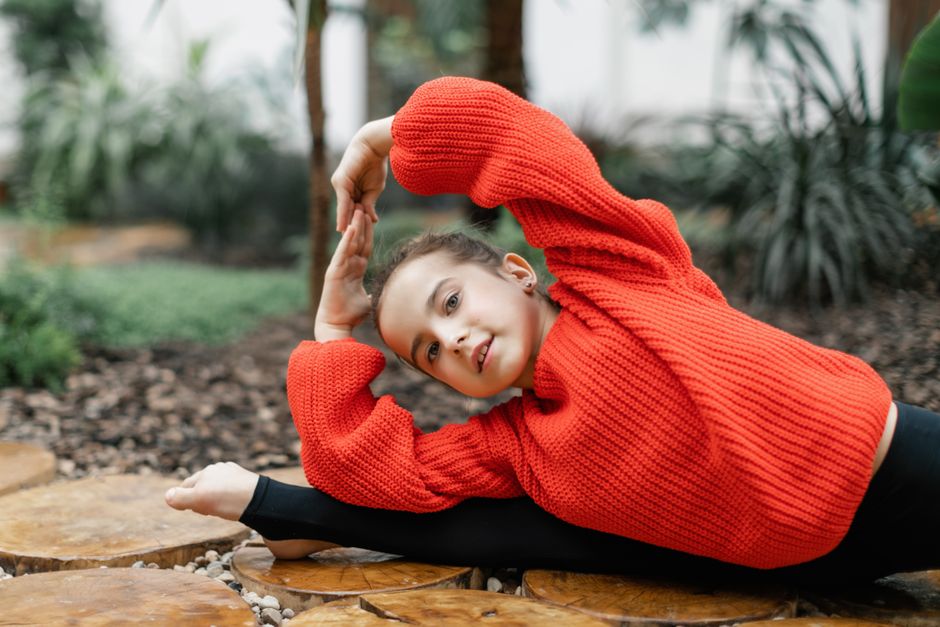
A circle of eight-year-olds on bright mats, roaring like lions, wobbling in tree pose and giggling when someone tips over. A U14 soccer team lying on the turf after practice, eyes closed, while their coach counts slow breaths. A high school pitcher doing ten minutes of hip and shoulder stretches on his bedroom floor before homework. Yoga for kids looks different at every age, and for young athletes it can be a calm, playful way to build balance and body awareness alongside their sport. Here’s what parents and coaches should know about yoga for teen athletes and younger kids: what research shows, how to keep it safe, and how to choose a class.
How many kids do yoga, and what research shows
Yoga is common in US families. NCCIH, the federal center for complementary health research, reports that 8.4% of US children aged 4 to 17 practiced yoga in 2017, and that the share of children using yoga more than doubled between 2012 and 2017.
The American Academy of Pediatrics (AAP) recommends yoga as a safe and potentially effective therapy for children and teens coping with emotional, mental, physical and behavioral health conditions. Its parenting site describes yoga as a mix of postures, regulated breathing, hand positions and meditation, and says it can help kids learn to focus on the task at hand and handle problems calmly.
What the studies say, honestly:
- Stress and mood: NCCIH notes that in a 2020 review of 27 studies in children and teens, 70% of studies found reductions in anxiety or depression, with more promising results for anxiety. NCCIH calls this preliminary evidence.
- Balance, strength and flexibility: NCCIH says yoga may improve balance, relieve tension and increase strength when practiced regularly. In a small study of college athletes, 10 weeks of twice-weekly yoga improved flexibility and balance scores; we found no comparable study in high school athletes.
- The limits: NCCIH describes the research in children as a limited number of studies, many small and with a high risk of bias, so results can’t be considered conclusive.
Yoga is not a treatment for a sports injury, anxiety or any medical condition. If your child has one, talk to their pediatrician first.
What yoga looks like by age
Young kids (about 4 to 8)
Short, playful classes: animal and nature poses (cat, cow, cobra, tree, mountain), balance games, partner poses and a few minutes of “belly breathing” or a story at the end. Attention spans are short, so 20 to 30 minutes is plenty. Kids’ mats are sized for them; the Gaiam Kids Yoga Mat (about $18, 60 × 24 in, 3 mm) is made for ages 5 to 8 and comes with a downloadable kids’ class.
Older kids (about 9 to 12)
This is a great age to learn the basic poses properly, with simple cues about knees over ankles and a long spine. Many kids this age play several sports, and a weekly class or a short routine at home can balance the repetitive movements of one sport. Keep it fun: challenges like holding a balance pose for five breaths go over better than long, silent holds.
Teen athletes (13 to 18)
Teens can take most regular beginner and all-levels classes, and many use yoga for mobility and recovery around a busy season. Good uses for teen athletes:
- Team cool-downs: 10 to 15 minutes of easy stretches and slow breathing after practice.
- Recovery days: a slow hatha, yin or restorative class after games or tournaments. See yoga for recovery.
- Breathing before competition: a few slow breaths before a free throw, a serve or the start line. See yoga before and after games.
- The off-season: one active class a week for mobility, balance and body control, on top of a strength program designed by a qualified coach.
Safety for young athletes
Yoga is generally low-impact and low-risk, and NCCIH lists it among the low-risk complementary approaches for children. Injuries still happen, mostly sprains and strains, and the same things that raise risk for adults apply to kids:
- Start slowly. The AAP cautions that even flexible, athletic kids should start slowly. Very flexible young gymnasts and dancers can push past a healthy range; the aim is control, not maximum stretch.
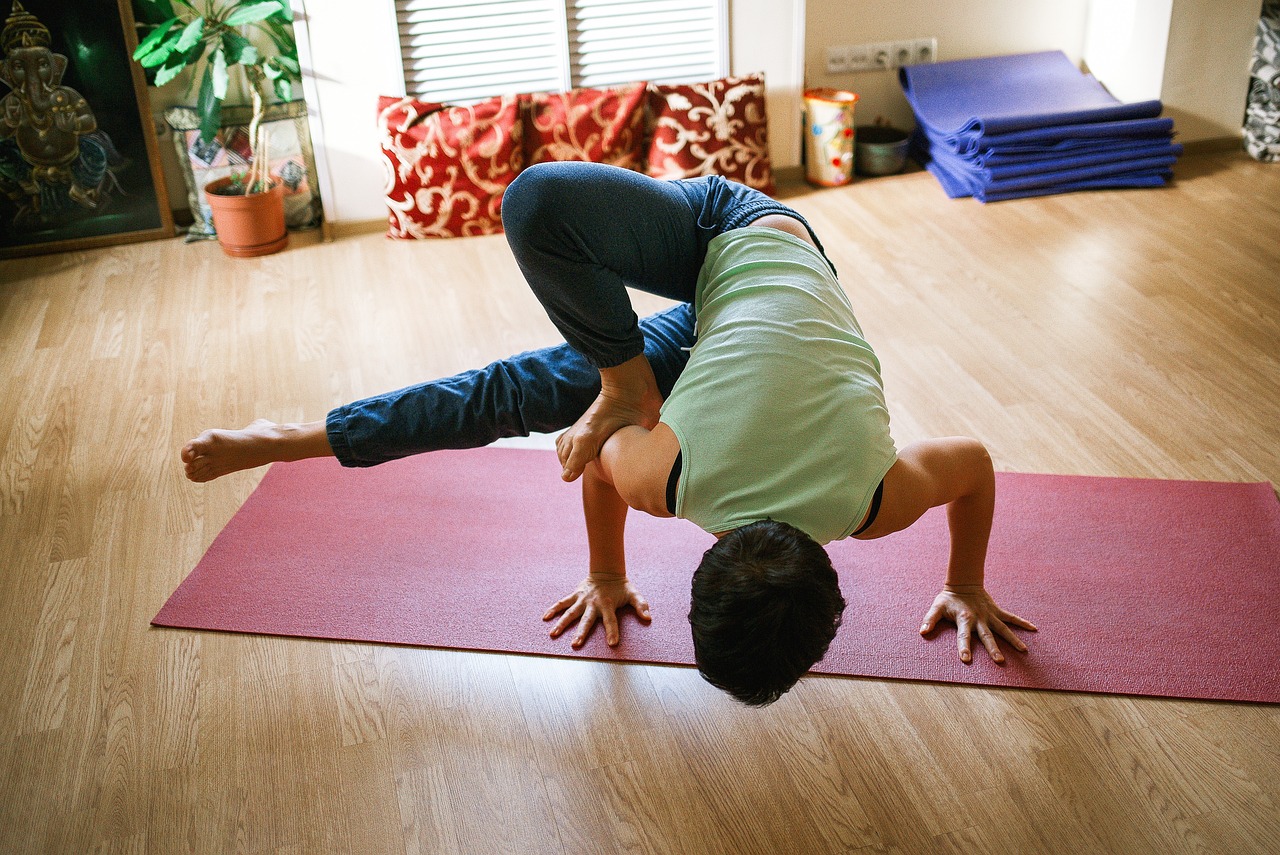
- Be careful with inversions. In a large survey of adult practitioners, hand, shoulder and head stands were the practices most often linked to acute problems, and NCCIH advises beginners to avoid headstands, shoulder stands, the lotus position and forceful breathing. Kids shouldn’t do headstands or shoulder stands without a teacher who is trained to teach them.
- Concussion first. A child who has had a concussion should follow their health care provider’s return plan before going back to yoga, especially upside-down and fast-moving poses. If you see concussion signs after any bump to the head, remove the child from activity and get them checked; CDC’s HEADS UP program says “when in doubt, sit them out.”
- Hot yoga is an adult choice. In an ACE-commissioned study of healthy adult regulars in a 90-minute Bikram class (about 105°F), 7 of 20 passed a core temperature of 103°F. We found no pediatric guidance that supports hot yoga for children; we’d keep kids and young teens in unheated classes.
- Pain is a stop sign. Teach kids that it’s fine to come out of any pose. Sharp pain, numbness or tingling means stop and tell an adult.
- Growing bodies: during growth spurts many kids feel tight. Gentle, regular stretching is fine; forcing stretches isn’t. Ongoing knee, heel or back pain needs a pediatrician, sports medicine doctor or physical therapist.
Choosing a class and a teacher
- Look for kids’ training. Yoga Alliance’s Registered Children’s Yoga Teacher (RCYT) credential means the teacher has a 200-hour training plus a 95-hour children’s yoga training and at least 30 hours teaching children. It isn’t the only good background, but it’s a useful sign.
- Ask about athletes. For teens, a teacher who works with sports teams will understand tight hamstrings, sore shoulders and busy schedules.
- Check the class level and room. Kids’ and beginner classes are the right place to start; skip heated and advanced classes.
- Ask about safety rules, such as how the teacher handles inversions, injuries and hands-on adjustments, and whether parents can watch the first class.
- Try it together. The AAP suggests parents try classes themselves; a parent-and-kid class is a fun place to start.
More on credentials is on our yoga teachers and organizations page.
Gear for kids and teens
Prices change often. The prices below are what we saw at the maker or a major retailer in October 2026; check the current price before you buy.
Kids need very little: a mat that fits and clothes they can move in. A smaller mat like the Gaiam Kids mat is easier for little ones to carry and keeps them in their own space. Teens can use an adult mat; the Gaiam Essentials 6 mm mat (about $18, 72 × 24 in) is a budget pick with a carrying strap. A firm block like the Manduka recycled foam block (about $26) helps stiff young athletes keep a long spine in standing poses. For more options see our yoga gear page.
Gaiam Kids Yoga Mat
- 60 x 24 in, 3 mm
- Textured non-slip surface
- Downloadable kids' class
Gaiam Essentials 6 mm Yoga Mat
- 72 x 24 in, 1/4 in thick
- 3.5 lb, carrying strap
- 6P-free PVC
Manduka Recycled Foam Yoga Block
- 9 x 6 x 4 in
- 0.9 lb, high-density EVA
- 50 to 75% recycled foam
Check the Gaiam Kids Yoga Mat price on Amazon
Back to the yoga for athletes hub, or see yoga styles and etiquette, yoga injuries and yoga training. For more on young athletes in a team sport, see our youth soccer page.
Yoga for kids questions
At what age can kids start yoga?
We found no official minimum age. NCCIH’s survey numbers cover children from age 4, and kids’ mats such as Gaiam’s are made for ages 5 to 8. Choose a class designed for your child’s age and start slowly, as the AAP advises.
Is yoga good for young athletes?
It can be a helpful add-on. Research in children is limited but suggests benefits for stress and anxiety, and NCCIH says regular yoga may improve balance and strength. Small studies in college athletes found better flexibility and balance. It doesn’t replace sport-specific training or strength work.
Is yoga safe for kids?
Generally yes. NCCIH describes yoga as low-risk for children, and the AAP calls it safe when started slowly. Avoid headstands, shoulder stands and heated classes for kids, and see a doctor about any ongoing pain.
Should kids do hot yoga?
We don’t recommend it. Even healthy adult regulars can reach core temperatures above 103°F in a Bikram class, and we found no pediatric guidance supporting hot yoga for children. Keep kids and young teens in unheated classes.
How often should teen athletes do yoga?
A short cool-down after practice and one class a week is a realistic start for most teens. In the off-season, one active and one slow class a week fits well with strength training. Watch total training load and make sure there’s still a real rest day.