This article contains affiliate links: if you buy through them we may earn a commission, at no extra cost to you. Learn more.
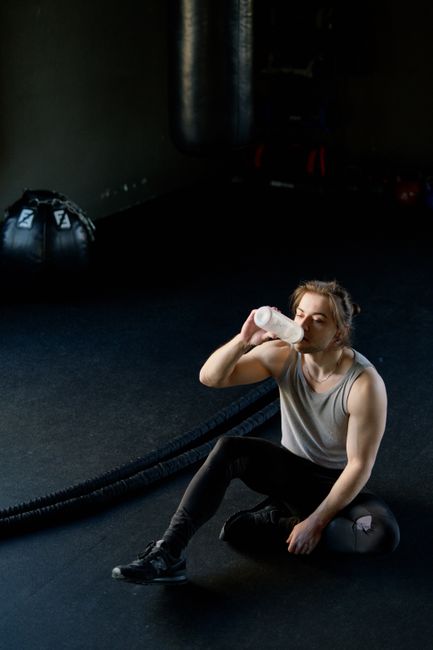
It’s Saturday at a packed AAU tournament. Game one tipped at 8 a.m., game two is at 12:40, and there may be a third before dinner if the team keeps winning. Between games the gym lobby fills with kids eating vending-machine chips and parents asking the same question: “What should they eat right now?” That’s basketball nutrition in real life. This page covers what players eat day to day, how to fuel around practices, games and tournament weekends, how much to drink in a hot gym, and which supplements for basketball players have real evidence and third-party testing behind them. It’s general information built from what sports-nutrition researchers and governing bodies say, not personal advice.
Prices change often. The prices below are what we saw at the maker or a major retailer in October 2026; check the current price before you buy.
What the experts base this on
This page leans on two 2022 basketball reviews (Davis and colleagues in Sports Medicine on in-season recovery, and Esen and colleagues in Nutrients on tournament fueling), a 2013 basketball taskforce report from the Gatorade Sports Science Institute (industry-funded, so we use only its research summaries), the 2016 ACSM/AND/DC position on athletic nutrition and the 2018 IOC consensus on supplements. All of them start in the same place: food first. Supplements come last, and only for a reason.
Daily eating: energy and protein for basketball
Basketball is a stop-and-go game of sprints, cuts, jumps and landings, and those hard efforts run largely on carbohydrate stored in the muscles and liver as glycogen. The Davis review suggests about 5–7 grams of carbohydrate per kilogram of body weight a day during the season to keep those stores topped up. The GSSI report’s table goes higher on heavy days: 7–12 g/kg for hard training or games, and 10–12 g/kg or more for repeated hard games, as in a tournament. It also notes that studies of players’ diets often find they fall short of these targets.
For protein, the Davis review suggests about 1.2–2.0 g/kg a day, spread across the day every 4–5 hours rather than saved for dinner. That matches the ACSM/AND/DC range. The GSSI practitioner chapter puts basketball players at 1.4–1.7 g/kg and adds that players who eat enough food usually get plenty of protein without supplements. In practice: rice, pasta, potatoes, bread, oats and fruit at most meals, a real protein source (eggs, dairy, chicken, fish, beans or tofu) every time you sit down, and vegetables to fill the plate.
Before, during and after a game
- Before: the Esen review suggests a carbohydrate-rich meal 3–4 hours before tip-off and a smaller snack 1–2 hours before. Keep it low in fat and fiber, and try your game-day meal before a practice first, never for the first time before a big game.
- During: both the Esen review and the GSSI report point to about 30–60 g of carbohydrate per hour, usually from a sports drink. Basketball gives you timeouts, substitutions and halftime, so use those breaks to drink on purpose instead of only when you’re thirsty. Our basketball game-day guide covers the bench routine in detail.
- After: when the next game is less than a day away, the reviews suggest about 1 g/kg of carbohydrate per hour for the first 4 hours, plus about 20–25 g of protein to start the repair work. Eat a proper meal within 1–3 hours.
- Before bed: both reviews mention 30–40 g of protein before sleep (from food such as Greek yogurt or milk, or a shake) as a recovery option during busy weeks. The Davis review also suggests aiming for at least 8 hours of sleep. More in our basketball recovery guide.
Hydration in a hot gym
Gyms get warm, and players sweat more than most people expect. In a study of 16- to 18-year-old players at the Australian Institute of Sport, cited in the GSSI report, the boys lost on average about 1.0–1.4 liters of sweat an hour in practice and about 1.6 liters an hour in games. The girls averaged about 0.7 liters an hour in practice and about 0.9–1.0 liters an hour in games. Losing too much matters on the court. In a 2006 study of 12- to 15-year-old players, losing 2% of body weight to sweat slowed sprints and lateral movement and dropped shooting from 53% to 45% compared with staying hydrated. A 2007 study in older players found performance got steadily worse from 1% to 4% dehydration.
The simple routine: start each session well hydrated (pale urine is a good sign), drink in every break, and weigh yourself before and after a practice to learn your own sweat rate. To catch up after a game, the Davis review suggests about 1.0–1.5 liters of fluid for every kilogram lost, sipped over a few hours rather than chugged. Sweat sodium varies a lot from player to player. Heavy, salty sweaters often do better with a drink or meal that contains some sodium.
Tournament fueling: three games in a day
Tournaments are where nutrition shows. Short gaps between games mean recovery starts the minute the buzzer sounds. The Esen review’s advice for travel tournaments works at an AAU weekend too: look at food options before you go, check whether the hotel room has a fridge, and pack your own. A cooler with sandwiches, bagels, bananas, pretzels, yogurt, chocolate milk, a big water jug and a sports drink beats the concession stand. After each game, have carbohydrate plus some protein right away (a sandwich and chocolate milk works). Have a light, carbohydrate-rich snack 1–2 hours before the next game, keep drinking all day, and get a real meal and early bed between days.
Young players: food first, no shortcuts
Growing athletes need a lot of food, and busy school-practice-homework days make it easy to come up short. Breakfast, a packed lunch, a snack before practice and a real dinner do more than any product. The American Academy of Pediatrics says caffeinated energy drinks have no place in children’s and teens’ diets, and it advises against creatine for athletes under 18. Expert groups such as UEFA’s nutrition panel say supplement use by young players should be limited, and decided with a doctor or sports dietitian. For a high school or AAU player, the “supplements” that matter are a water bottle, a sports drink for long tournament days, and a cooler of real food. See our youth basketball guide for more.
Supplements for basketball players: what the evidence says
- Sports drinks and electrolytes: useful sports foods. These are the most practical “supplement” in basketball: carbohydrate and sodium in a form you can drink during timeouts.
- Protein powder: a convenience. Food can do the job. A shake is just a quick option between games or after a late practice.
- Creatine: some of the stronger evidence, for adults. The IOC consensus puts creatine among the few supplements with good evidence, mainly for repeated high-intensity efforts and strength training. It isn’t for players under 18 (see above), and it can add 1–2 kg of body weight.
- Caffeine: works for some, not for everyone. Responses vary, and side effects include jitters, an upset stomach and poor sleep, which matters after night games. It isn’t for teens. Anyone with a heart condition or who is pregnant should ask a doctor first. If you use a caffeinated product, stay within the label, and remember the NCAA list below.
- Vitamin D and iron: test, don’t guess. Low vitamin D is common even at the top: of 279 players tested at the NBA Draft Combine from 2009 to 2013, about 74% were below the sufficient range (Grieshober et al., 2018). Iron needs are also higher for many female players. But extra iron when you don’t need it can do harm. Get a blood test through your doctor first, and supplement only if they recommend it.
Third-party testing and the NCAA banned list
Supplements can contain things that aren’t on the label. The NCAA’s 2026–27 banned-substances list says it plainly: there are no NCAA-approved supplements, supplements “may be contaminated with banned substances not listed on the label,” student-athletes have lost eligibility after using them, and all supplements are taken at the athlete’s own risk. The NCAA bans eight drug classes, including stimulants and anabolic agents. Its stimulant examples include ingredients common in pre-workouts and “energy” products: caffeine and caffeine sources such as guarana, DMAA, DMHA, synephrine (bitter orange), hordenine, octopamine and phenethylamine. College players should check every product with their athletics staff first. The NCAA uses Drug Free Sport AXIS to review labels. Programs such as NSF Certified for Sport and Informed Sport/Informed Choice test products for banned substances. The NCAA itself says third-party tested products may be options but can’t remove all risk, and these programs don’t test whether a product works.
Our top picks
Thorne Advanced Electrolytes
- 600 mg sodium per scoop
- 15 g carbs
- NSF Certified for Sport
Nuun Sport Tablets
- 300 mg sodium per tablet
- 1 g sugar
- Informed Choice
Thorne Whey Protein Isolate
- 21 g protein per scoop
- 30 servings
- NSF Certified for Sport
Thorne Creatine
- 5 g creatine monohydrate
- 90 servings, unflavored
- NSF Certified for Sport
Klean Athlete Klean Multivitamin
- 2 tablets a day
- No iron listed
- NSF Certified for Sport
| Product | In one serving | Certification | About (Oct 2026) | Per serving |
|---|---|---|---|---|
| Thorne Advanced Electrolytes | 600 mg sodium, 200 mg potassium, 15 g carbs | NSF Certified for Sport | $39 / 20 scoops | about $1.95 |
| Nuun Sport | 300 mg sodium, 150 mg potassium, 1 g sugar | Informed Choice | $7.49 / 10 tablets | about $0.75 |
| Thorne Whey Protein Isolate | 21 g protein | NSF Certified for Sport | $65 / 30 scoops | about $2.17 |
| Thorne Creatine | 5 g creatine monohydrate | NSF Certified for Sport | $44 / 90 scoops | about $0.49 |
| Klean Multivitamin | 2 tablets; 1,000 IU vitamin D | NSF Certified for Sport | about $46 / 30 servings | about $1.53 |
Why these five: each is on a sport-testing list, and together they cover what basketball players actually use. Thorne Advanced Electrolytes carries more sodium for salty sweaters and adds 15 g of carbohydrate, which suits long practices and tournament days. Nuun Sport is the cheap, low-sugar tablet that fits in any gym bag. Thorne Whey is a simple 21 g protein shake for between games or after a late practice. Thorne Creatine is plain creatine monohydrate with nothing else added, for adult players only. The Klean Multivitamin is a basic multi for players with limited diets; it lists no iron, which is a plus if you haven’t been tested. Follow the label for how much to take. Our full comparisons are in best electrolyte powders, best protein powder for athletes, best creatine and best multivitamin for athletes.
Check the Thorne Advanced Electrolytes price on Amazon
Check the Nuun Sport price on Amazon
Talk to a professional. Before starting any supplement, check with your doctor or a registered sports dietitian, especially for players under 18 and for anyone who is pregnant, takes medication or has a heart, kidney or other medical condition. College athletes should also check with their athletics department. This page is general information, not medical advice.
Back to the basketball hub, or keep going with game day, recovery, the best basketball wearables and basketball gear. Playing two sports? See soccer nutrition and supplements.
Basketball nutrition questions
What should a basketball player eat before a game?
A familiar, carbohydrate-rich meal that’s low in fat and fiber, about 3–4 hours before tip-off, plus a small snack 1–2 hours before. Think rice or pasta with chicken, or oatmeal, toast and fruit for a morning game. Practice the routine before a regular practice first.
What should you eat between games at a basketball tournament?
Right after a game, have carbohydrate plus some protein, such as a sandwich and chocolate milk, and keep drinking. Then have a light, carbohydrate-rich snack (a bagel, banana or pretzels) 1–2 hours before the next game. Packing a cooler beats relying on the concession stand.
How much water should a basketball player drink?
It depends on your sweat rate, which can be over a liter an hour in games. Start hydrated, drink at every break, and weigh yourself before and after practice to learn how much you lose. Aim not to lose more than about 2% of your body weight during play.
Can NCAA basketball players take supplements?
They can, but at their own risk. The NCAA says there are no NCAA-approved supplements, that supplements can be contaminated with banned substances, and that athletes should check any product with their athletics staff first. Caffeine sources and many pre-workout stimulants appear on its banned list.
Is creatine safe for high school basketball players?
The American Academy of Pediatrics advises against creatine for young athletes. For teens, the priority is eating enough real food, sleeping and staying hydrated. Talk to a doctor or sports dietitian before any supplement.