This article contains affiliate links: if you buy through them we may earn a commission, at no extra cost to you. Learn more.
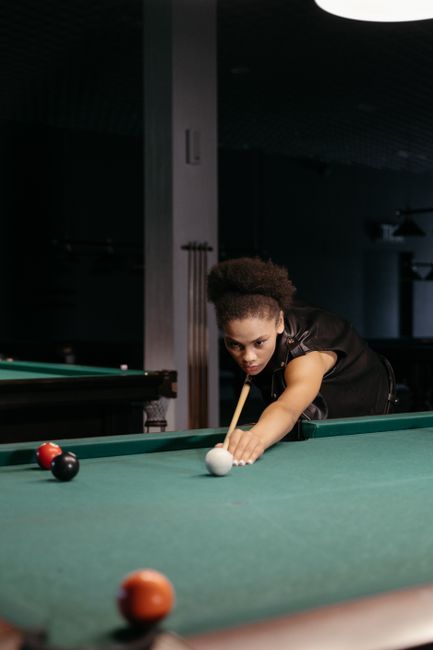
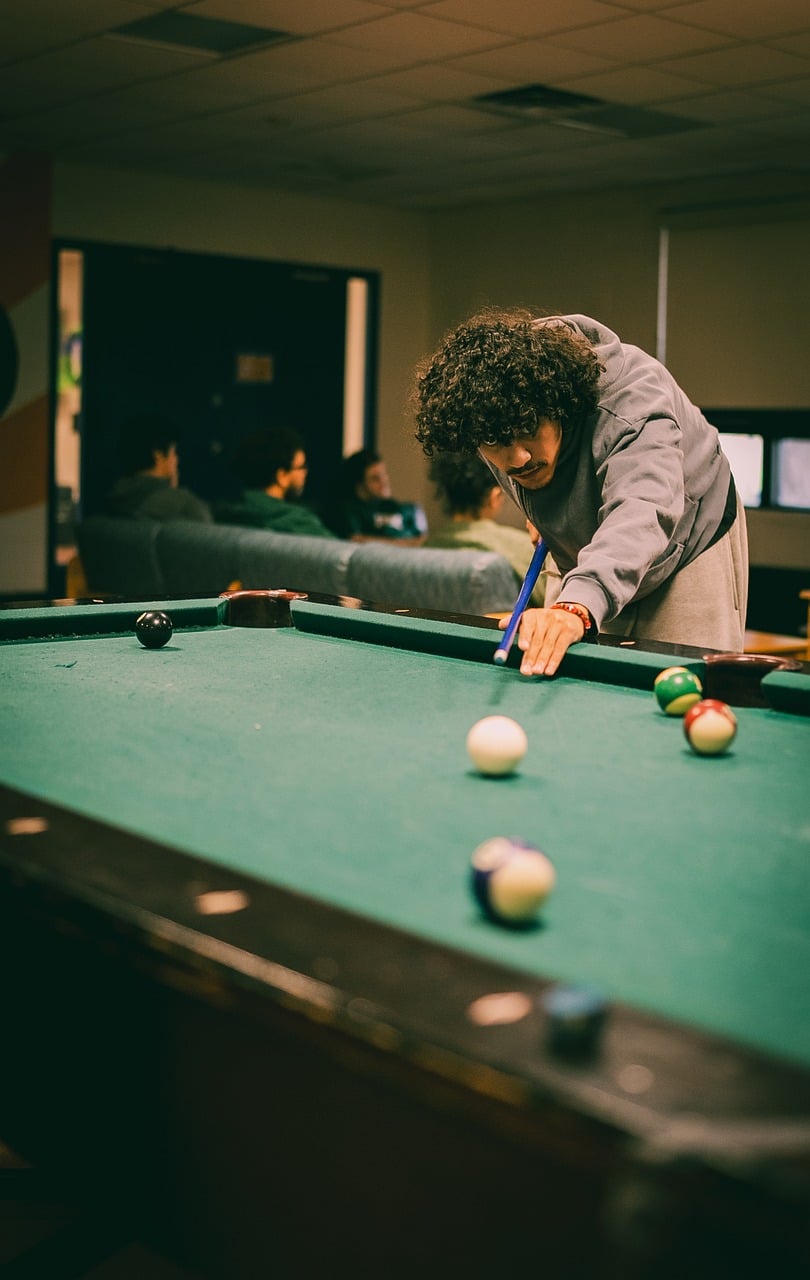
Tuesday league night, rack eleven, a little after 11 p.m. You’ve been bending over the table since seven, your lower back takes a second to agree when you stand up, and your neck is stiff from holding your chin over the cue. Pool and snooker are not dangerous sports. But hours of bent-over, very still posture, the same stroke repeated over and over and long nights under bright lights add up. This page covers the billiards injuries and aches that actually show up, from league players to tournament grinders: low back and neck, wrist and elbow, eye strain and headaches, plus the few accidents worth knowing about.
This page is general information, not medical advice. If something hurts and keeps hurting, see a sports medicine doctor, physical therapist (PT) or certified athletic trainer (AT); for your eyes, an optometrist or ophthalmologist. For the bigger picture of the sport, start at our billiards hub.
What the research does (and doesn’t) say
Honest answer first: there is very little research on overuse injuries in cue sports; we found no large study of back or elbow problems in pool players like those for golf or tennis. What we do have is a look at emergency rooms. A 2024 study of US emergency department data from 2000 to 2020 estimated about 78,500 billiards-related visits over those 21 years. The average patient was about 25, roughly 70% were male, and the most common cause, about half of all cases, was being struck by a ball or a cue. Bruises, scrapes and cuts were the most common injuries, and about 3% of patients were admitted to hospital. The everyday aches come from posture and repetition, so the advice below leans on general guidance from the American Academy of Orthopaedic Surgeons (AAOS) and the American Academy of Ophthalmology (AAO).
Low back: the price of bending over the table
Every shot puts you in a hinge, trunk tilted forward over the cue, and snooker players and many top pool players get very low. Done rack after rack, plus reaching across a big table, that is a lot of time spent bent forward. AAOS notes that almost every adult has low back pain at some point, and that one of the most common causes is muscle soreness from activity, when muscles and ligaments are overstretched.
- Hinge from the hips, not the spine. Let the bend come from your hips with your back fairly long, rather than rounding over the table. A lesson with a certified instructor can set up a stance that is both stable and kind to your back.
- Stand up between shots. Read the layout standing, not bent over.
- Use the bridge (the rake) for long reaches. Stretching flat across the table with one foot off the floor is where many backs complain. The mechanical bridge is there for a reason.
- Train the rest of the week. AAOS recommends regular exercise that combines aerobic activity with back-strengthening exercises, keeping a healthy weight and not smoking, which speeds up disk wear.
Neck and shoulders
Down on a shot, your head is lifted to look along the cue while your trunk faces the table, which keeps the back of the neck working for the whole stroke. AAOS lists muscle and ligament strain among the most common causes of neck pain, along with age-related wear in the neck’s joints and disks. Tension shows up in the shoulders too. A small study of novus players (a form of billiards) found that less-skilled players used more activity in the upper trapezius, the muscle that shrugs the shoulder, and that skilled players’ successful shots came with lower trapezius activity. A relaxed grip and shoulder is good for the stroke and for the neck. With a low, snooker-style stance, take regular breaks: stand up, roll the shoulders.
Wrist, hand and elbow
Your two arms do different jobs. The bridge hand holds a bent-back wrist with weight on it for hours, which can leave the wrist and the base of the thumb sore after long practice sessions. The cue arm swings from the elbow over and over, and a tight grip loads the forearm muscles that attach at the elbow. Pain on the outside of the elbow is tennis elbow (lateral epicondylitis); on the inside it is golfer’s elbow (medial epicondylitis). AAOS describes both as overuse problems of the forearm tendons and says most cases improve with nonsurgical care such as rest, activity changes, a counterforce brace and a strengthening program set up by a PT. There’s no pool-specific research, but common sense applies: hold the cue lightly and build practice time gradually.
Eye strain and headaches
The AAO lists focusing for long periods without blinking, the wrong glasses prescription, too much or too little light and poor posture among the causes of eye strain. Symptoms include tired or watery eyes, blurred vision and headaches, and the AAO notes that eye strain does not injure the eye or cause permanent damage. What helps: blink, rest your eyes between racks by looking at something far away, keep your prescription up to date, and use artificial tears if your eyes feel dry.
Glasses wearers: down on a shot, many players end up looking over or through the very top of their frames. Specialist billiards eyewear, such as Decot’s sport frames with a high bridge, sits the lenses higher for that upward gaze. Show your eye doctor how you hold your head when you shoot. Headaches: doctors have described a “pool player’s headache,” and in a 2007 survey of 203 players at two pool halls, 21 reported headaches when playing; older age and a history of headaches were linked to worse headaches. A headache that is new, severe, or comes with vision changes, weakness or confusion needs a doctor, not another rack.
Accidents around the table
Since half of the emergency visits come from balls and cues, watch your backstroke in a crowded bar and keep kids clear of the table during breaks and jump shots. If anyone takes a ball to the head or the eye, stop play. Follow the CDC HEADS UP advice for any blow to the head (watch for worsening headache, repeated vomiting, slurred speech or increasing confusion, and call 911 for those danger signs), and get any eye injury checked the same day.
Simple gear that helps
Many players keep a few basics around. A tube band set like Bodylastics covers the rows and back work AAOS recommends, a foam roller like the TriggerPoint GRID loosens up the upper back and hips after a long night, and a light glove like the Predator Second Skin lets the cue slide through the bridge hand without gripping sweaty skin. Compare more in our resistance band and foam roller guides.
Bodylastics Resistance Band Set
- Stackable tube bands
- Handles, ankle straps, door anchor
- Several set sizes on the listing
TriggerPoint GRID 1.0
- 13 in, hollow core
- Multi-density surface
- About $40
Predator Second Skin Billiard Glove
- Fits the left bridge hand
- Small/Medium on this listing
- Other sizes and colors available
When to see a sports medicine doctor, PT or eye doctor
- Right away: a blow to the head with concussion danger signs, any eye injury, back pain with leg weakness or loss of bladder or bowel control, or back pain with fever, chills or unexplained weight loss (all AAOS red flags).
- Soon: neck or back pain that spreads down an arm or leg, numbness or tingling, or clumsiness with fine tasks like buttons; AAOS lists these as reasons to get checked.
- If it lingers: elbow, wrist or back pain that keeps coming back or gets worse over weeks, or eye strain and headaches that don’t settle after you fix lighting, breaks and glasses.
AAOS says most low back pain settles within weeks with nonsurgical care; a PT can build a short routine, and an instructor can fix a stance that keeps hurting you. Our billiards training page has stance and practice ideas, and recovery covers what to do after a long session.
Billiards injuries: FAQs
Is it normal for my back to hurt after playing pool?
Mild soreness after hours of bending over the table is common and usually eases with rest and movement. Pain that spreads down a leg, comes with numbness or weakness, or keeps getting worse should be checked by a doctor or PT.
What is the most common billiards injury?
In US emergency rooms, about half of billiards injuries come from being hit by a ball or a cue, mostly bruises and cuts. Day to day, sore backs, necks and tired eyes are the usual complaints.
Can playing pool cause tennis elbow?
Repeated gripping and arm motion can irritate the forearm tendons. There’s no pool-specific research, but a light grip is sensible, and elbow pain lasting weeks deserves a doctor or PT.
Why do I get headaches playing pool?
Eye strain from intense focus, bright or poor lighting, the wrong glasses and neck tension can all play a part, and researchers have described a “pool player’s headache.” Regular breaks and an up-to-date prescription help; a new or severe headache needs a doctor.
Do I need special glasses for billiards?
Not necessarily, but if you look over the top of your frames when you’re down on a shot, ask your eye doctor about billiards frames that sit the lenses higher.