This article contains affiliate links: if you buy through them we may earn a commission, at no extra cost to you. Learn more.
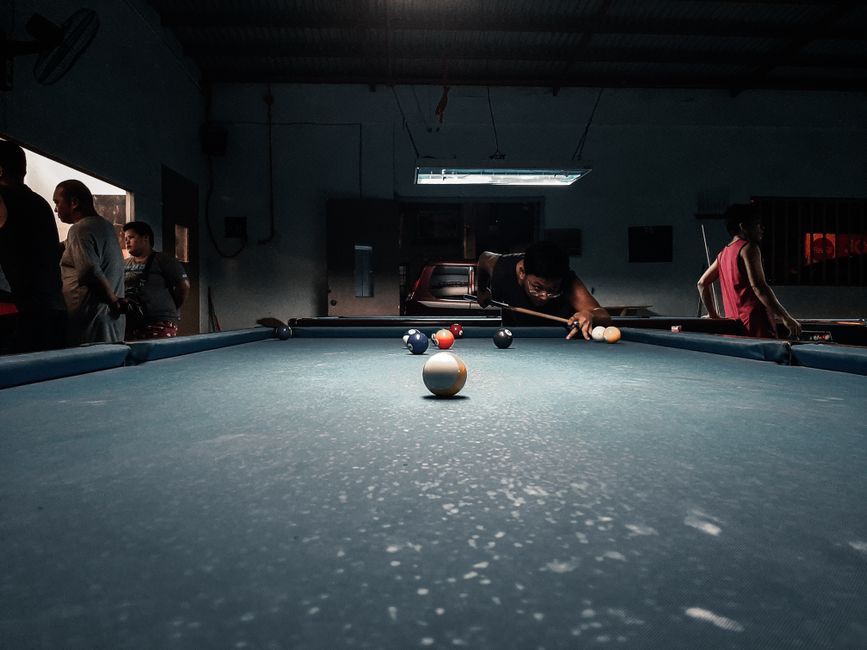
Midnight in the parking lot after league. Your team won 3–2, you sank the case 8 in the last match, and you’re wired. Your lower back is tight, your eyes feel like they’ve been staring at a bright screen all night, and you have work at eight. Pool doesn’t wreck your legs the way a soccer match does, so “recovery” sounds like overkill. But the things that do build up, a stiff back and neck, tired eyes and short sleep after late nights, are exactly the things that decide how you play next week. This page covers recovery after pool for league players, tournament regulars and juniors alike: what to do after the session, how to get to sleep after a late night, and how to handle a two- or three-day tournament weekend.
General information, not medical advice. If pain doesn’t settle, see a sports medicine doctor or physical therapist. Back to the billiards hub.
Right after you play: undo the bend
Hours of hinging over the table, then a drive home folded into a car seat, is how a mildly tired back becomes a stiff one by morning. Five minutes before you leave helps:
- Walk a little. A few minutes of easy walking gets your hips and back moving after hours of stop-start standing and sitting.
- Stand tall and reverse the posture. Gentle back extension (hands on hips, lean back slightly), shoulder rolls and chin tucks to ease the neck that was cranked up over the cue. Keep it comfortable; nothing should hurt.
- Shake out the arms. Loosen the cue-arm forearm and the bridge-hand wrist, which have held the same positions all night.
- Rest your eyes. Look at distant things for a minute and blink. The American Academy of Ophthalmology says eye strain is more a symptom than a condition and doesn’t injure the eye or cause permanent damage; it suggests breaks, and artificial tears can help if your eyes feel dry.
At home, many players spend a few minutes on a foam roller like the TriggerPoint GRID for the upper back, glutes and hips, or use a small massage gun like the Theragun Mini on tight shoulders and forearms. These feel good and many athletes use them, but they don’t fix a stance problem. If the same spot hurts after every session, see our billiards injuries page and get it checked. Comparisons are in our guides to foam rollers and massage guns.
Your feet and the hard floor
A long tournament means hours standing on concrete or thin carpet, often in dress shoes because WPA events have a dress code that rules out sneakers. Some players change into cushioned slides between matches or for the drive home, like the OOFOS OOahh, which carries the American Podiatric Medical Association’s Seal of Acceptance. Our recovery shoes guide has more.
Sleep after a late night
Sleep is the biggest recovery factor in a sport played at night. The CDC says adults need 7 or more hours, and the American Academy of Sleep Medicine recommends 8 to 10 hours for teens. League nights that end at midnight and tournaments that finish at 2 a.m. eat into that. A review of sleep in athletes who play night matches found that caffeine and alcohol close to bedtime, screens and mental arousal late at night, and irregular wake times all get in the way, and recommended a consistent sleep pattern and well-timed naps.
- Cut off caffeine early on league nights; switch to water after your last coffee.
- Go easy on alcohol; it’s a common part of pool culture, but it disrupts sleep.
- Give yourself a short wind-down: replaying every miss in bed keeps the brain wired.
- Keep your wake-up time steady, and use a short nap the next day if you need it.
If you like data, a sleep tracker shows how late nights add up. The Oura Ring 5 is comfortable to wear and doesn’t get in the way of your stroke or bridge, unlike a bulky watch. See our sleep tracker guide.
TriggerPoint GRID 1.0
- 13 in, hollow core
- Multi-density surface
- About $40
Theragun Mini (3rd Gen)
- Compact massage gun
- 3 speeds, 3 attachments
- Travel case
OOFOS OOahh Recovery Slide
- Cushioned foam slide
- APMA Seal of Acceptance
- About $60
Oura Ring 5
- Sleep and Readiness scores
- 6 to 9 day battery
- From about $399 + $5.99/month
Tournament weekends
A double-elimination weekend can mean several matches a day with long gaps and a late finish, then an early start on Sunday. Treat it like a multi-day event:
- Between matches: leave the hall for fresh air, walk, eat something real and drink water rather than sitting at the rail watching every rack.
- Saturday night: eat a proper dinner, skip the after-party if you’re still in the bracket, and do your five-minute back and neck routine.
- Sunday morning: a short walk and a warm-up on a practice table before your first match.
- Monday: an easy day. Light activity, like a walk or an easy bike ride, is a good counterweight to a weekend of standing and sitting. Ideas in our active recovery day guide.
The rest of the week
The best recovery for a pool player is a body that copes with the table in the first place. The American Academy of Orthopaedic Surgeons recommends regular exercise combining aerobic activity with back-strengthening work to help prevent low back pain, plus a healthy weight and not smoking. A couple of short strength sessions a week (rows, hip hinges, planks) and a few walks go a long way. Plan your practice around league and tournaments using our billiards training page, and get the night itself right with league night and tournament day.
Billiards recovery: FAQs
Do pool players really need recovery?
Not the way runners do, but the back, neck and eyes take a load over long sessions, and late nights cut into sleep. A few minutes of movement after play and protecting your sleep make a real difference to how you feel and play.
How do I fix a stiff back after playing pool?
Walk a little, stand tall, and do gentle back extensions and hip stretches before you get in the car. Over the week, back-strengthening exercise helps, and pain that spreads down a leg or doesn’t ease should be checked by a doctor or PT.
How can I sleep after a late league night?
Stop caffeine early, keep alcohol light, give yourself a short wind-down without replaying the match, and keep your wake-up time steady. Adults need 7 or more hours, according to the CDC.
Are my eyes damaged after a long session?
Eye strain is uncomfortable but, according to the American Academy of Ophthalmology, it doesn’t injure the eye. If symptoms keep coming back after you fix lighting, breaks and your glasses, see an eye doctor.