This article contains affiliate links: if you buy through them we may earn a commission, at no extra cost to you. Learn more.
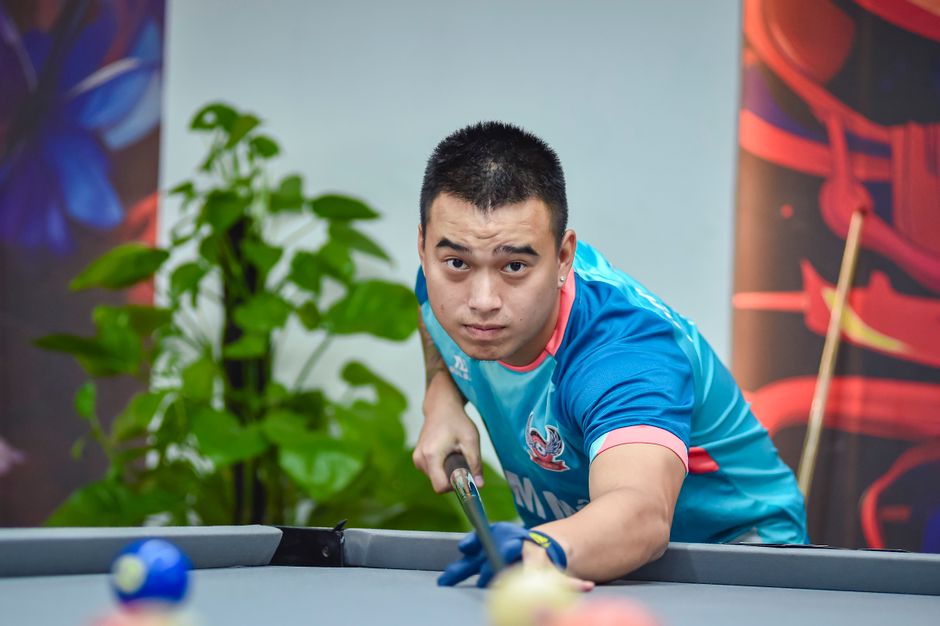
Saturday, 9 a.m. check-in, a 64-player double-elimination bracket, and you won’t know until tonight whether your last match is at 4 p.m. or 1 a.m. Or it’s Wednesday league: dinner rushed, five team matches to get through, and your turn comes up at 10:30 after two hours in a chair. Pool asks for something unusual among sports: very little physical effort, but sharp eyes, a steady arm and clear decisions across a long, stop-start night. This page is about getting through league night and tournament day sharp, from a junior event or college tournament to the bar league and the big open: what the rules say about time, what to eat and drink, and how to stay focused when you’ve been sitting for an hour.
General information, not medical advice. Back to the billiards hub.
Know the clock: how long nights really are
Plan your energy around the format. The American Poolplayers Association (APA) time guidelines say an 8-ball team match should take no more than 4 hours and a 9-ball team match no more than 3.5 hours, with about 20 seconds for an average shot and 45 seconds for a special situation. In APA play, skill levels 1 to 3 and new players get two coaching time-outs per game and skill levels 4 and up get one, and coaching should take about a minute.
At tournaments run under World Pool-Billiards Association (WPA) regulations, you have to be at your table ready to play at the match time: arrive more than 15 minutes late and you lose the match. A shot clock can be requested by an official or either player; the WPA recommends 35 seconds per shot, a warning at 10 seconds, and one 25-second extension per player per rack. In longer matches (more than 9 racks at 8-ball, 13 at 9-ball and 10-ball) each player gets one five-minute time-out, taken between racks, and the non-shooting player should stay in the chair and ask the referee before leaving the playing area. Local events often use their own versions, so read the player’s meeting notes.
Eat like it’s a long day, because it is
You won’t burn many calories at the table, but hunger and a crashing blood sugar both show up in your concentration. The joint position on athlete nutrition from the American College of Sports Medicine (ACSM), the Academy of Nutrition and Dietetics and Dietitians of Canada starts from “food first”: regular meals built from real food, matched to your day. For pool that means:
- League night: a proper meal two or three hours before you play beats bar snacks at 9 p.m. If you play straight from work, bring something simple: a sandwich, fruit, yogurt, nuts.
- Tournament day: breakfast before check-in, then snacks you can eat between matches, since you rarely know when the next one starts. Food at pool halls is often fried; packing your own keeps you steady.
- Between matches: small and familiar. A heavy plate right before a match can leave you sluggish.
Hydration, caffeine and alcohol
Water: pool isn’t sweaty, but halls can be warm and a tournament day can run from morning to late at night. Keep a bottle at your chair and sip between racks; plain water covers most players. On a hot day or a very long one, an electrolyte tablet like Nuun Sport is an easy add (more in our electrolyte guide).
Caffeine: many players use coffee to stay alert late. The FDA says about 400 mg a day, roughly two to three 12-ounce cups of coffee, is generally safe for most healthy adults, and lists jitters, a fast heartbeat, anxiety and poor sleep among the effects of too much. Jitters are the last thing a cue arm needs, and a 10 p.m. espresso may cost you the next day’s sleep. Teens and kids should skip energy drinks.
Alcohol: a lot of pool is played in bars, and every league has someone who swears they shoot better after two beers. Whatever the league legend says, the CDC points to the US Dietary Guidelines limits (two drinks or fewer a day for men, one or fewer for women) and that drinking less is better for health than drinking more. If you’re competing, water between racks and a drink to celebrate afterward is the safer plan. And never drive after drinking.
Nalgene Sustain 32 oz Bottle
- 32 oz, wide mouth
- BPA-free Tritan
- About $16
Nuun Sport Tablets
- 300 mg sodium per tablet
- 1 g sugar
- Informed Choice
Kamui QuickDry Billiard Glove
- Quick-dry fabric
- Left-hand, size L on this listing
- Other sizes on Amazon
Staying sharp in the chair
- Warm up before your match. A few minutes of stroke practice on a practice table, plus shoulder rolls and a gentle back and hip stretch, especially after sitting or driving. Our training page has a warm-up.
- Move between matches. Stand, walk, stretch your back. Sitting folded in a bar stool for hours and then bending over the table is a recipe for a stiff back.
- Rest your eyes. Look at something far away between racks and blink; the American Academy of Ophthalmology lists long periods of focusing and poor lighting among causes of eye strain. More on our injuries page.
- Use your pre-shot routine and a chair reset. Long waits are where focus leaks away. A breath and a cue word when you sit down, the full routine when you get up.
- Pack a bag: water, snacks, chalk, a glove, a tip tool, a layer for a cold hall, phone charger, and any medication you take.
Juniors and parents: youth tournaments can run long too. Pack real food and water, keep kids clear of tables where others are breaking or jumping balls, and plan sleep around early starts. After the last match, our recovery page covers the back, the eyes and getting to sleep after a late night.
League night and tournament day: FAQs
How long does an APA league night last?
APA’s guidelines say an 8-ball team match should take no more than 4 hours and a 9-ball team match no more than 3.5 hours. Exceeding them isn’t a foul, but local league management can treat it as a sportsmanship issue.
Is there a shot clock in pool?
In WPA-run events a shot clock can be requested by an official or a player. The WPA recommends 35 seconds per shot with one 25-second extension per player per rack. Many leagues use time guidelines instead.
What should I eat before a pool tournament?
A normal, familiar breakfast, then small snacks between matches, since you don’t know when you’ll play next. Pack your own so you aren’t relying on fried food.
Does a beer help your pool game?
Some players feel it calms their nerves, but we found no good evidence that it helps, and the CDC advises that drinking less is better for health. Water during the match and a drink afterward, if you want one, is the safer plan.
How do I stay focused during long waits?
Get up and move between matches, rest your eyes on something distant, and use a short reset (a breath and a cue word) when you sit down, then your full pre-shot routine when you get up.