This article contains affiliate links: if you buy through them we may earn a commission, at no extra cost to you. Learn more.
The morning after leg day, sitting down on the toilet becomes a strategic decision. Every bodybuilder knows that feeling, and every serious one learns the lesson behind it: muscle is built in the gym but grows while you rest. Whether you’re a teen lifting three days a week, a busy adult squeezing in four sessions, a competitor deep in contest prep or a masters lifter whose joints talk back more than they used to, recovery is where your training turns into results. Here’s what actually helps, what might quietly hold you back, and how recovery changes before and after a show.
General information, not medical advice. Pain that doesn’t settle, or any of the warning signs on our bodybuilding injuries page, is a reason to see a sports medicine doctor or physical therapist. Back to the bodybuilding hub.
Sleep: the most underrated anabolic
The American Academy of Sleep Medicine recommends 7 or more hours a night for adults, and 8 to 10 hours for teens 13 to 18. A 2021 expert consensus on sleep and athletes notes that many athletes fall short of 7 hours and recommends a personal approach: regular sleep and wake times, a dark, cool, quiet bedroom, a caffeine cut-off in the afternoon and less screen time before bed. For bodybuilders, two things often get in the way: late-evening training with a stimulant pre-workout, and hunger late in a diet. If you train at night, try a caffeine-free pre-workout or move caffeine earlier, and keep a planned evening meal or snack in your calories during prep.
Food after training
Sports nutrition guidance from the American College of Sports Medicine (ACSM) and its partners suggests about 15 to 25 grams of high-quality protein soon after exercise, and the International Society of Sports Nutrition (ISSN) suggests 20 to 40 grams per meal, spread through the day every 3 to 4 hours. Total daily protein and calories matter more than a perfect post-workout window. A normal meal with protein and carbohydrates within a couple of hours does the job. More detail on our bodybuilding nutrition and supplements page.
Fluids, every day
Hydration is part of recovery too, and it matters even more in a long diet, when food (which carries water) is lower. The National Athletic Trainers’ Association suggests avoiding fluid losses of more than about 2% of body weight, and ACSM’s sports nutrition guidance says that after a hard, sweaty session you can replace roughly 1.25 to 1.5 liters of fluid for every kilogram of weight lost, sipped over the following hours with your meals. Pale-yellow urine is a simple everyday check. Hot gyms, long cardio sessions and summer preps all raise your needs. And, for the same reasons, never cut water to look leaner: that’s a risk, not a recovery strategy.
Rest days and planning
- Rotate muscle groups. A split lets a trained muscle rest while you work another. If you train the same muscle twice a week, space the sessions a few days apart.
- Take at least one or two full rest days a week, and an easier week (lighter loads or fewer sets) every so often, especially when joints ache, sleep slips or progress stalls. This is common coaching practice rather than a fixed rule.
- Active recovery like walking, easy cycling or mobility work keeps you moving without adding fatigue. Ideas in our active recovery day ideas.
- Masters lifters: injury rates were higher in bodybuilders over 40 in a German study, so more warm-up time and a little more rest between hard sessions are sensible.
Soreness vs warning signs
Normal muscle soreness usually peaks a day or two after a hard or new workout and fades within a few days. It’s not a measure of a good session. Warning signs are different: severe muscle pain and swelling far beyond normal soreness, weakness, and dark, cola-colored urine can mean rhabdomyolysis, a muscle breakdown that can harm the kidneys and needs care the same day. MedlinePlus lists severe exertion and dehydration among its causes, so it’s a real risk with brutal high-rep sessions late in a diet. A sudden pop with bruising at the chest or elbow is a possible tendon tear: get it checked within days.
Recovery tools: what the evidence says
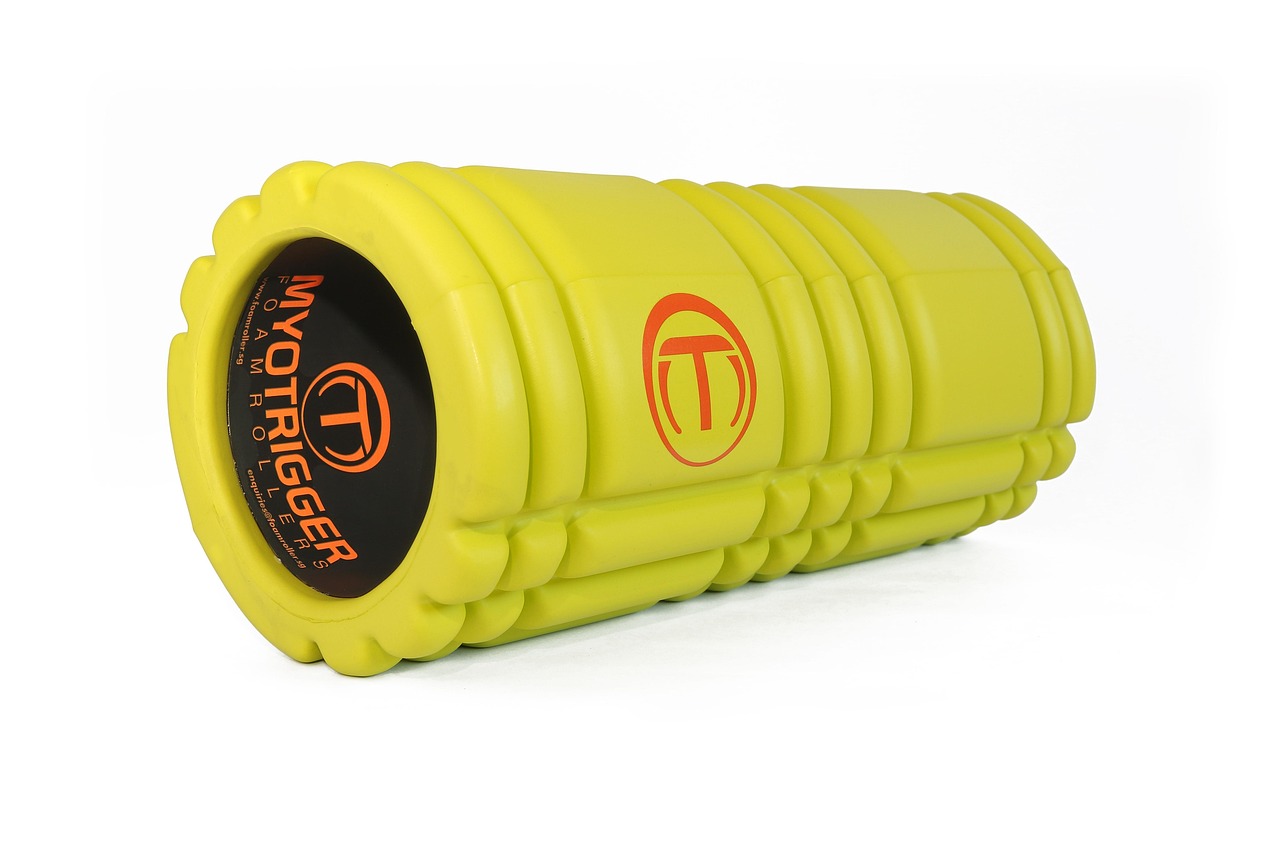
- Foam rolling: a 2019 meta-analysis found small effects, including slightly less perceived soreness after rolling. It feels good and costs little; a roller like the TriggerPoint GRID 1.0 is a gym-bag classic. See the best foam rollers.
- Massage: a large 2018 review found massage the most effective of the common methods for reducing soreness and perceived fatigue. A massage gun like the Hypervolt Go 3 is a home version many lifters use; compare in massage gun vs foam roller and the best massage guns.
- Compression: a 2017 meta-analysis found small benefits for recovery of strength. Comfortable, not magic.
- Ice baths: careful. This one matters for bodybuilders. A 12-week study (Roberts and colleagues, 2015) found that regular cold-water immersion after strength training led to smaller gains in muscle mass and strength than active recovery. If muscle growth is your goal, skip the routine plunge after lifting, or keep it to days far from your lifting sessions. More in how long to ice bath.
TriggerPoint GRID 1.0 Foam Roller
- 13 in, multi-density
- Hollow core
- About $40
Tracking recovery
Sleep and recovery trackers can show patterns: shorter sleep before bad sessions, resting heart rate creeping up during a hard block. A smart ring like the Oura Ring 5 is comfortable to sleep in (Oura suggests taking it off for heavy lifting). Treat scores as hints, not orders; how your lifts and joints feel matters too. See HRV for athletes and our bodybuilding wearables page.
Recovery in contest prep, and after the show
Dieting makes recovery harder. In a detailed case study of a natural bodybuilder (Rossow and colleagues, 2013), strength fell during prep and still hadn’t fully returned 6 months after the show; testosterone dropped sharply during the diet and came back after; mood got much worse during prep and recovered within months. Practical takeaways: expect training performance to dip late in prep and don’t chase new personal bests then; protect sleep; and plan the weeks after the show as a recovery phase, with calories rising gradually back toward maintenance, before starting a new building phase. If the post-show weeks bring binge eating or distress about your body, that’s common and help is available (see nutrition and supplements).
Bodybuilding recovery: FAQs
How long should a muscle rest before I train it again?
Most programs leave a few days between hard sessions for the same muscle, which is why splits rotate body parts. Research shows training a muscle once, twice or three times a week gives similar growth when weekly volume is the same, so plan rest around your schedule and how you recover.
Do ice baths hurt muscle growth?
Regular cold-water immersion right after strength training led to smaller gains in muscle mass and strength in a 12-week study. For bodybuilders, it’s best not to make it a post-lifting habit.
Is being sore a sign of a good workout?
No. Soreness is common after new or harder work and fades as you adapt. Progress shows up in your logbook: more reps or weight over time. Severe pain, swelling or dark urine is not normal soreness and needs medical care.
How much sleep do bodybuilders need?
At least 7 hours for adults and 8 to 10 for teens, per the American Academy of Sleep Medicine. Many athletes get less, so a regular schedule and a caffeine cut-off are good first steps.
How long does it take to recover from a contest prep?
It varies. In one detailed case study, hormones and mood returned to normal within months, while strength still wasn’t fully back after 6 months. Plan a gradual return to normal eating and training after the show.