This article contains affiliate links: if you buy through them we may earn a commission, at no extra cost to you. Learn more.
Sunday night after a two-day tournament: 18 games in the books, your bowling hand feels puffy, the thumb is tender where it rubs the hole, and your slide knee and lower back have that dull ache you feel climbing into the car. Or Tuesday at 10:30 p.m., home from league, still buzzing from a 600 series and nowhere near ready to sleep. Bowling doesn’t leave you wrecked like a football game, but the same hand, wrist and slide leg do the same job shot after shot, week after week. Recovery for bowlers is mostly about looking after those few spots, sleeping well after late nights, and spacing out the volume. Here’s what’s worth doing, honestly, and what isn’t.
General information, not medical advice. Pain that lasts, swelling, numbness or a joint that won’t move normally needs a sports medicine doctor, physical therapist (PT) or certified athletic trainer. Back to the bowling hub.
Right after you bowl
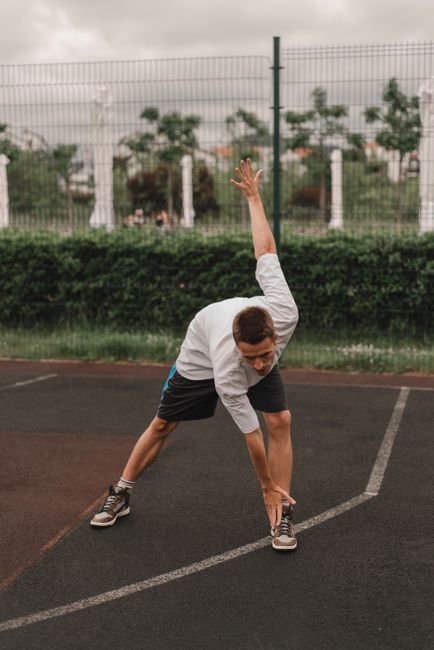
- Easy cool-down and stretches: a short walk, then gentle forearm, wrist, hip flexor, hamstring and lower-back stretches. A 2018 review found cool-downs do little for next-day soreness or performance, so think of this as a way to feel better and check in with your body, not a magic step.
- Check your hand: look for blisters, splits or a sore spot at the thumb. The United States Bowling Congress (USBC) tells coaches to check bowlers’ hands for blisters, calluses and pressure points; a new sore spot usually means the fit needs attention at a pro shop.
- Refuel and rehydrate: after a long tournament day, a meal with carbohydrate and protein. The American College of Sports Medicine (ACSM) suggests 15 to 25 grams of protein soon after hard exercise. After a three-game league night, a normal dinner covers it.
- Go easy on the beer: ACSM discourages excessive alcohol after exercise because it can interfere with recovery, and it also makes sleep worse.
Hand, wrist and forearm
This is where most bowling overuse problems show up. Gentle forearm stretches and light massage of the forearm muscles feel good to many bowlers, and a 2018 meta-analysis found massage was the most effective of the common recovery methods for reducing muscle soreness and perceived fatigue. A small massage gun on a low setting works for the forearm, but avoid using one directly on a tender tendon, a nerve (like the inside of the thumb) or a fresh injury. For a sore, swollen thumb-side wrist, the American Academy of Orthopaedic Surgeons (AAOS) lists rest from the aggravating motion and ice among the first steps for de Quervain’s; if it lasts beyond a few weeks, see a doctor. Numbness in the thumb is a reason to stop and get checked, not to massage harder; see our bowling injuries page.
Legs and lower back
The slide leg works hard in a deep lunge every shot, and the low back holds a forward bend. A foam roller on the thighs, hips and calves and some easy hip and back mobility the next day help many bowlers feel looser. Comfortable, cushioned shoes for the drive home and the next day are a small comfort after hours in flat bowling shoes. A light walk or bike ride on the day after a tournament is a good active-recovery choice.
Sleep after late league nights
League nights often end late, and the adrenaline of a close match doesn’t switch off on the drive home. Adults need 7 or more hours of sleep, according to the American Academy of Sleep Medicine (AASM); teens 13 to 18 need 8 to 10 and kids 6 to 12 need 9 to 12. Research on athletes’ sleep points to the same habits: a consistent wake time, and limiting caffeine, alcohol and screens close to bedtime. For youth bowlers with school the next morning, an early-shift league or weekend bowling can make a real difference.
Tournament weekends and rest days
- Between blocks: eat a real meal, drink water, get off your feet, and stretch your hand and hips before the next squad. More on our league night and tournament day page.
- After the event: take a day or two off from bowling, especially if your hand or thumb is sore.
- Youth bowlers: the American Academy of Pediatrics (AAP) suggests one to two days off a week from organized sport and time away from a single sport during the year.
- Volume: add games gradually after a layoff; college bowlers in one survey had high injury recurrence, so a sore hand that “comes back every season” is worth a proper assessment.
Recovery tools worth having
Bowlers don’t need a cold plunge. A small massage gun like the Theragun Mini fits in a ball bag for the forearm and hips, a foam roller like the TriggerPoint GRID covers legs and back at home, and recovery slides like OOFOS OOahh feel good after hours in bowling shoes. If you want to track sleep after late nights, see our bowling wearables page. Our guides to massage guns, foam rollers and recovery shoes compare more options.
Theragun Mini (3rd Gen)
- Compact massage gun
- For forearm, hips and legs
- About $220 on Amazon
TriggerPoint GRID 1.0
- 13 in, hollow core
- Multi-density surface
- About $40
OOFOS OOahh
- Cushioned foam footbed
- APMA Seal of Acceptance
- About $60
Massage guns: don’t use one over a recent injury, numb area, nerve, or if you have a blood-clotting or circulation problem or are pregnant without checking with your doctor first.
Bowling recovery: FAQs
Why is my hand sore after bowling?
Usually the grip and release: the thumb and fingers carry and spin a heavy ball game after game. Soreness that fades in a day is common; pain at the same spot every week, numbness or swelling means your fit or technique needs a look, and maybe a doctor.
Should I ice after bowling?
For a sore, irritated wrist or elbow, many people find ice soothing, and AAOS lists it among first steps for some tendon problems. It isn’t needed after every league night if nothing hurts.
How many days should I rest after a bowling tournament?
There’s no set rule. A day or two off from bowling, with light walking or stretching, suits most bowlers; take longer if your hand or thumb is sore. Youth bowlers should get one to two days a week off organized sport anyway.
How can I sleep better after a late league night?
Skip caffeine in the evening, go easy on alcohol, put the phone away when you get home and keep your usual wake time. Aim for 7 or more hours as an adult, 8 to 10 as a teen.