This article contains affiliate links: if you buy through them we may earn a commission, at no extra cost to you. Learn more.
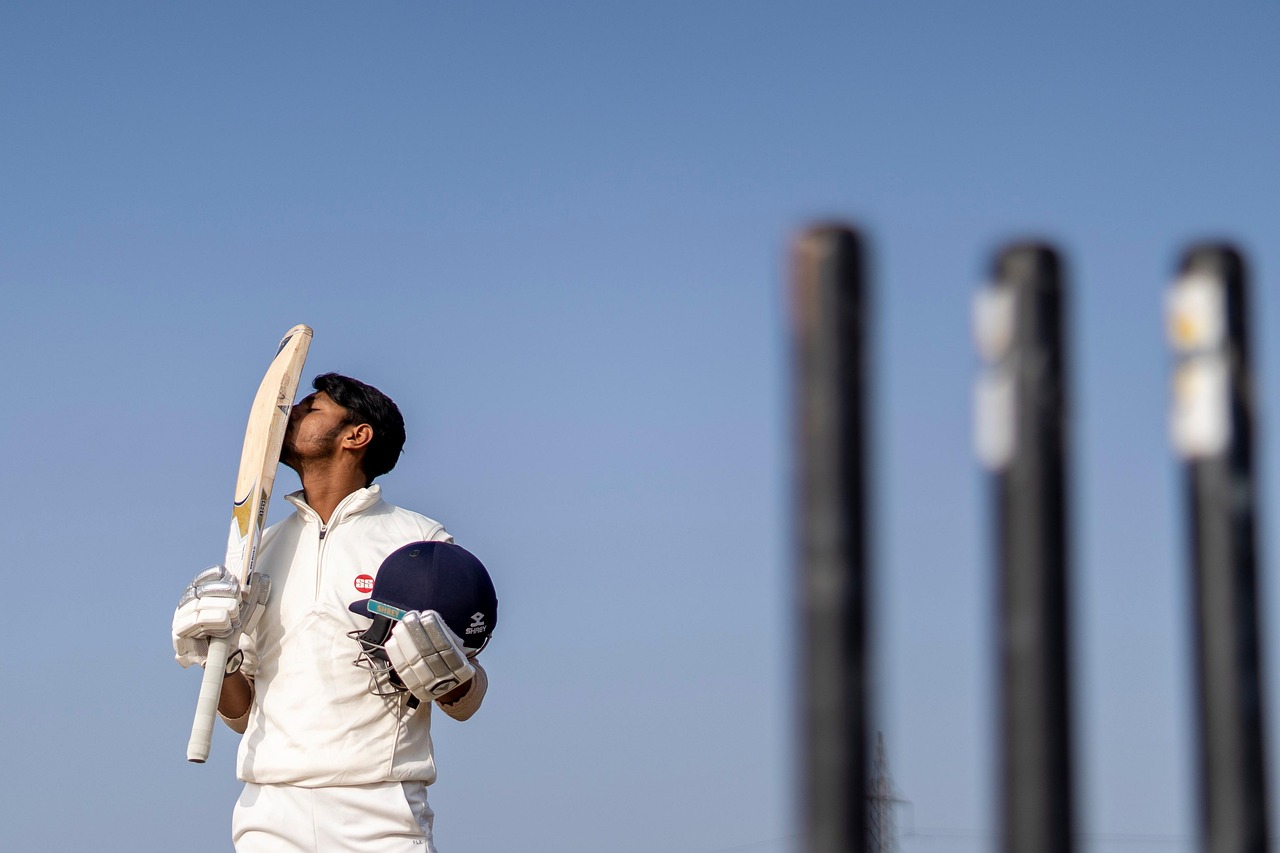
Stumps on day two. The opening bowler has sent down 22 overs, the keeper has crouched for every one of them, and the batters who were out early have spent the afternoon fielding. In about 16 hours they all go again. Multi-day cricket is the ultimate recovery test, but a club player with a Saturday 50-over game and a Sunday T20 faces the same question on a smaller scale: how do you turn up fresh for the next one? This page covers cricket recovery after a match or a long day: what the body needs, how fast bowlers should use rest days, sleep, and which recovery tools have some evidence behind them.
General information, not medical advice. Pain that lasts, gets worse or keeps you from bowling, throwing or running is a reason to see a sports medicine doctor, physical therapist or athletic trainer.
Prices change often. The prices below are what we saw at the maker or a major retailer in October 2026; check the current price before you buy.
How long recovery takes for cricketers
A spell of fast bowling leaves a mark you can measure. In a 2025 study, 11 club fast bowlers completed simulated bowling spells; their jump height (a common test of leg power and fatigue) dropped right after and was still lower 24 hours later. That’s why both cricket boards build rest days into their bowling guidelines and why the next day’s training should be lighter. Batters who made a long score, keepers after a long session in the field and anyone who did a lot of sprinting and diving feel it too, mostly as sore legs and stiff backs.
Rest days for fast bowlers
The England and Wales Cricket Board (ECB) links rest to how many overs were bowled. For bowlers 19 and under, its 2025 guidelines suggest, for example, one rest day from bowling after 3–12 overs for a 16- or 17-year-old and two rest days after more than 12. A “rest day” only means no bowling: batting, fielding drills or another sport still count as rest for the back, though the ECB says overhead sports like tennis or badminton should be managed alongside bowling. It also recommends a lighter week every 4–5 weeks and a 4-week bowling break after the season. Adult club bowlers can use the same logic. Details by age are on our cricket training page.
The first hour: cool down, refuel, rehydrate
- Cool-down: an easy walk and some gentle mobility feel good, but a 2018 review found active cool-downs do little for next-day performance or soreness. Do it for comfort, not as magic.
- Carbohydrate: after a hard day, especially with play again tomorrow, the ACSM joint position suggests about 1.0–1.2 g of carbohydrate per kg of body weight per hour for the first few hours.
- Protein: about 0.25–0.3 g/kg (roughly 15–25 g) soon after play, then regular protein through the evening.
- Fluids: about 1.25–1.5 L for every kilogram of body weight lost, sipped over the evening, with some salt in food or drinks after a hot day.
A dinner of rice or pasta with chicken or fish, plus a glass of milk or a yogurt, covers most of it. Alcohol in large amounts after play gets in the way of rehydration and recovery, ACSM notes. More in our cricket nutrition guide.
Sleep: the most underrated recovery tool
Cricketers sleep worse after matches. In a study of 26 elite South African players during home and away series, average sleep after a match was about 6.5 hours, compared with about 8.7 hours before a match. Shorter sleep and taking longer to fall asleep were linked with poorer performance in One-Day Internationals and Tests. Research in other team sports points to late finishes, caffeine and screens near bedtime and changing wake times.
- Aim for the consensus amounts: 7 or more hours for adults and 8–10 hours for teens (American Academy of Sleep Medicine).
- Keep the same wake time where you can, even on rest days.
- Keep caffeine away from the evening session and screens away from bedtime.
- Use short naps sensibly between days of a multi-day match.
A sleep tracker won’t fix sleep, but it can show a pattern. See our best sleep tracker guide.
Recovery tools: what the evidence says
- Massage and massage guns: a large review of recovery methods (99 studies) found massage the most effective for reducing soreness and perceived fatigue. A 2026 meta-analysis of percussion therapy found faster recovery of jump performance but no clear benefit for strength or soreness.
- Compression: compression garments showed small benefits for strength recovery in a meta-analysis. Pneumatic boots are a different tool; many players like how they feel after long days in the field.
- Cold-water immersion: slightly better than passive rest for soreness in a meta-analysis, with the best results at about 10–15 °C (50–59 °F) for 10–15 minutes. It’s popular between days of a multi-day match. But in a 12-week study, regular ice baths after strength sessions led to smaller strength and muscle gains, so skip them after off-season gym work. Don’t plunge alone; check with a doctor first if you have a heart condition, high blood pressure, Raynaud’s or are pregnant.
- Foam rolling and easy movement: many players do a light session the morning after a match for stiff backs and hips.
- Recovery footwear: after hours in spikes, a cushioned slide is simple comfort.
Our best recovery tools, massage guns and compression boots guides compare the options.
TriggerPoint GRID 1.0
- 13 in, hollow core
- Multi-density surface
- About $40
Hyperice Normatec Go
- 7 pressure levels
- Calf wraps, TSA friendly
- About $379
OOFOS OOahh Slide
- Cushioned foam footbed
- APMA Seal of Acceptance
- About $60
Recovery across a multi-day match or a busy week
- Evening after play: refuel, rehydrate, stretch lightly, sleep. Cold water or massage if you use them.
- Morning before play: a proper breakfast, a mobility routine, then a full warm-up before the first ball.
- Between matches: plan bowling rest days first, then lighter skill work. Young players need at least 1–2 days a week away from their main sport, the American Academy of Pediatrics says.
- End of season: the ECB’s 4-week bowling break is a good model for everyone’s body, not just young quicks.
Back to the cricket hub, read cricket injuries for warning signs, or compare with soccer recovery.
Cricket recovery: FAQs
How do cricketers recover between days of a Test match?
Most routines combine refueling and rehydrating soon after stumps, light stretching or mobility, cold-water immersion or massage for players who use them, and as much sleep as possible. Sleep often suffers after play, so a consistent routine and a short nap can help.
How many rest days does a fast bowler need?
For bowlers 19 and under, the ECB links rest days to overs bowled: for example, one rest day after 3–12 overs and two after more than 12 for 16- and 17-year-olds. Rest days mean no bowling; other training can continue.
Are ice baths good for cricketers?
They can ease soreness a little, with the best results at about 10–15 °C for 10–15 minutes. Avoid them after strength sessions you want to adapt from, never plunge alone, and check with a doctor if you have a heart condition or high blood pressure.
How much sleep do cricketers need?
Adults need 7 or more hours and teens 8–10, according to sleep medicine consensus. One study of elite South African cricketers found only about 6.5 hours after matches, and shorter sleep was linked with poorer performance.
What should cricketers eat after a match?
A meal with plenty of carbohydrate and some protein, plus fluids to replace sweat losses. After a big day with play again tomorrow, ACSM suggests about 1.0–1.2 g of carbohydrate per kg per hour for the first few hours and around 15–25 g of protein soon after.