This article contains affiliate links: if you buy through them we may earn a commission, at no extra cost to you. Learn more.

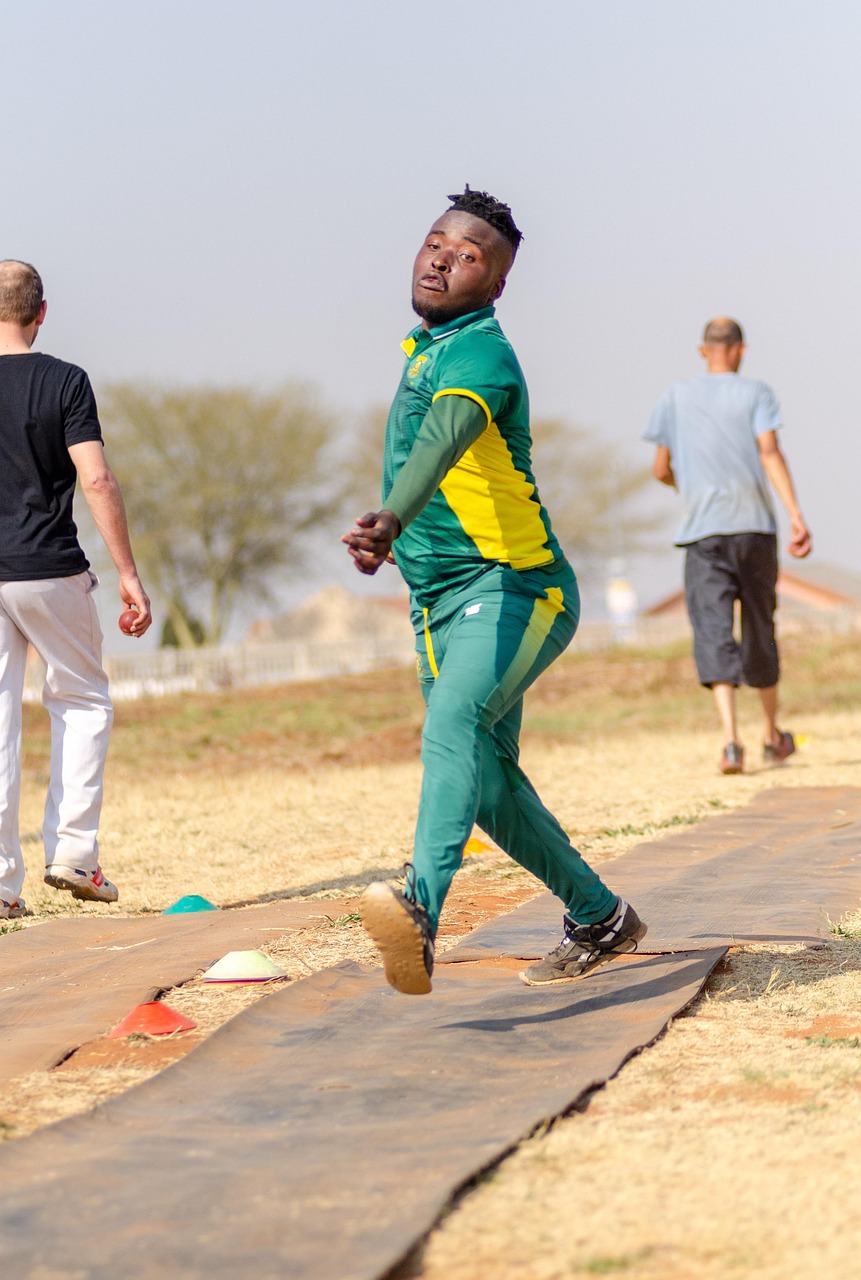
Late winter, indoor nets, the sound of leather on a bowling machine bouncing off the sports-hall walls. Somebody’s opening bowler is already charging in at full pace, keen to show what he’s done over the off-season. That keenness is exactly what cricket’s sports scientists worry about. Cricket training isn’t just batting practice and catches: fast bowlers need a planned build-up of overs, every fielder needs a throwing arm that’s ready for a long season, and batters need the legs to run hard between the wickets in the 40th over. This page covers the “before” part for every level, from a 12-year-old in the nets to a weekend club player and the pros.
General information, not a personal training plan. If you’re returning from injury or have pain when you bowl or throw, see a sports medicine doctor, physical therapist or athletic trainer first.
Prices change often. The prices below are what we saw at the maker or a major retailer in October 2026; check the current price before you buy.
Bowling workload management
Fast bowling is the most injury-prone job in cricket, and the lower back is where it shows (see our cricket injuries page). The good news: the research points to things a bowler and coach can control.
- Too much, too soon is risky. In elite fast bowlers, a week’s workload more than double the average of the previous four weeks was linked to a 3.3 to 4.5 times higher injury risk in the following week.
- Too little is risky too. In Australian first-class bowlers, averaging fewer than 2 days or 5 or more days between bowling sessions raised injury risk compared with 3–4 days. Bowlers averaging fewer than 123 or more than 188 deliveries a week also tended to be at higher risk. The ECB says bone strength drops after only two weeks without bowling.
- Young bowlers need more rest days. In 44 junior bowlers (average age about 15), those with fewer than 3.5 rest days on average between bowling days were about three times as likely to be injured.
What the ECB recommends for bowlers 19 and under
The ECB’s 2025 fast-bowling guidelines give a weekly range of overs and say bowling above or below it may raise risk. They count full-effort deliveries in matches, nets and soft-ball cricket.
| Age | Target overs per week | One rest day after | Two rest days after |
|---|---|---|---|
| 11 and under | 12–16 | 2–7 overs | more than 7 overs |
| 12–13 | 16–20 | 2–8 overs | more than 8 overs |
| 14–15 | 20–24 | 2–10 overs | more than 10 overs |
| 16–17 | 22–26 | 3–12 overs | more than 12 overs |
| 18–19 | 24–28 | 3–14 overs | more than 14 overs |
The same guidelines recommend at most 4 bowling days in any 7, with only one pair of back-to-back days; a lighter week (about half the target overs) every 4–5 weeks; a 7- to 10-day bowling break in mid-season; and a 4-week break after the season. Cricket Australia’s simpler version for under-17s is the “1-3-5” rule: a rest day after each bowling day, no more than 3 bowling sessions a week, no more than 5 overs a spell. Match limits by age are on our youth cricket page.
Coming back after a break: “Ready to Bowl”
After two weeks or more without bowling (off-season, injury, exams), the ECB suggests rebuilding gradually, starting lower the longer the break. For a 16- or 17-year-old returning after 7 weeks or more, its template starts at 8–10 overs across 2–3 days in the first week and builds from there. Adults can borrow the same idea: start well below your usual weekly overs and add a little each week before your first match. Count every ball. A notebook or phone note with deliveries per day is the cheapest workload tool there is; the pros use sensors that do it automatically (see cricket wearables).
Fielding and throwing
Fielding is where many shoulder injuries happen: in eight seasons of elite Australian women’s cricket, 69% of sudden shoulder injuries came while fielding, often diving or throwing. Throwing gets less attention than bowling, and even pros miscount it. In elite Australian players, only 22% of self-reported throw counts were within 10% of the real number, and reports made a day later were the least accurate. So count throws on the day, and build long throwing up gradually in preseason rather than starting with a full session of flat returns from the boundary.
Shoulder strength work helps prepare the arm. In a small study of 43 sub-elite cricketers, 12 weeks of shoulder neuromuscular training improved throwing accuracy and speed. Many cricketers borrow band routines from baseball, using a set like Jaeger J-Bands or a light THERABAND kit for rotator-cuff and shoulder-blade exercises in the warm-up. Ask a PT or athletic trainer to set the program, especially after a shoulder injury.
Batting conditioning
Batting looks static until you count the running. In English county cricket, running between the wickets was the activity with the highest rate of hamstring injuries in the one-day and T20 formats, and hamstring injury rates were highest in April, the first month of the season. A long one-day innings means repeated sprints of about 22 yards (the length of the pitch), turning hard, often in the heat with pads and a helmet on. Preseason conditioning should look like that: short sprints with turns, built up over weeks, not saved for the first match.
For the hamstrings themselves, the strongest evidence comes from soccer, where the Nordic hamstring exercise cut injuries sharply in trials (see soccer training). A survey of UK professional cricket clubs found that every club with a hamstring prevention program used Nordics or other eccentric exercises, though few followed the full published program. A strap like the NordStick lets you do them at home without a partner.
Strength and fitness for every role
- Fast bowlers: legs, trunk and upper back strength to handle the delivery stride. Strength work counts as training load too, so plan it around bowling days.
- Spinners: lower workloads, but long spells and a lot of finger and shoulder use; keep the bowling arm and core strong.
- Wicketkeepers: a crouch for every ball, all day in long formats; hip and leg strength and mobility matter.
- Batters: repeated sprints, hamstring strength and the endurance to concentrate for hours.
- Kids: the American Academy of Pediatrics (AAP) supports supervised, technique-focused resistance training for children and teens, and recommends 1–2 days off a week from the main sport.
Tools many cricketers train with
A radar gun is the simplest way to see whether extra effort is actually adding pace. The Pocket Radar Smart Coach is listed for baseball, softball and cricket; the maker says it’s accurate to ±1 mph and records speed into video in its app. Use it to track trends, not to chase a number every ball: maximum-effort deliveries are the ones that count most toward workload.
Pocket Radar Smart Coach
- ±1 mph accuracy (maker)
- Bluetooth app, speed in video
- About $400
NordStick Nordic Hamstring Curl Strap
- Holds heels for Nordic curls
- 350 lb capacity (listing)
- Packs for travel
Jaeger J-Bands
- Resistance bands for throwers
- Laminated exercise sheet
- About $43
THERABAND Resistance Band Beginner Kit
- Yellow, red and green bands
- Shoulder and warm-up work
- About $19
More options are in our resistance bands guide and speed training equipment guide. For the day itself, see cricket match day, and back to the cricket hub.
Cricket training: FAQs
How many overs a week should a fast bowler bowl?
For bowlers 19 and under, the ECB’s 2025 guidelines give weekly targets from 12–16 overs (11 and under) up to 24–28 overs (18–19), counting matches and full-effort net sessions. Adult targets vary; elite research found risk rises with sudden spikes and with long gaps, so steady weekly loads matter more than one magic number.
How should a fast bowler prepare for the season?
Start bowling well before the first match and build up gradually. The ECB’s “Ready to Bowl” templates start low after a break of two weeks or more and add overs each week. Add strength work and sprint conditioning, and count every delivery.
Can bowling too little cause injuries?
Yes. In Australian first-class bowlers, those who averaged 5 or more days between bowling sessions had a higher injury risk than those bowling every 3–4 days, and the ECB says bone strength drops after only two weeks without bowling.
How do cricketers avoid hamstring injuries?
Preseason sprint conditioning (running between the wickets is the riskiest moment in short formats) and eccentric strength work such as the Nordic hamstring exercise, which cut hamstring injuries in soccer trials. Most hamstring injuries in English county cricket happened early in the season.
Should young cricketers lift weights?
The AAP supports supervised resistance training for children and teens when technique comes first and loads are sensible. A coach or trainer who knows young athletes should set the program.