This article contains affiliate links: if you buy through them we may earn a commission, at no extra cost to you. Learn more.
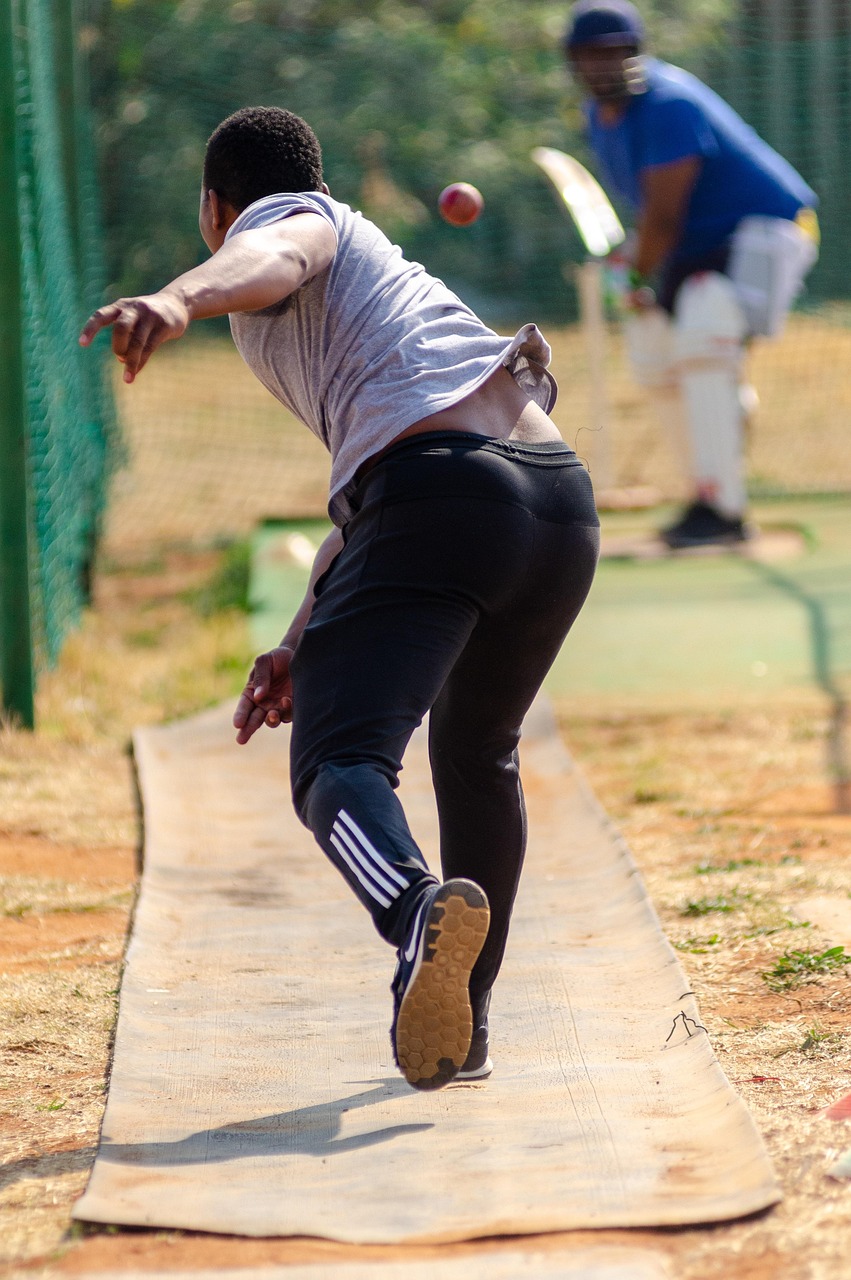
Eleven o’clock, first ball. By lunch the fielders have been on their feet for two hours, by tea the sun has moved round to the slips, and the fast bowlers are on their third spell with an hour still to play. A Test match does that for five days in a row. A club 50-over game on a July Saturday in Texas or California does it in one long day, with a helmet, pads and gloves on for the batters. Cricket match day is less about a single burst and more about staying fueled, hydrated, cool and sun-safe for hours. This page covers what to eat, what to drink, how the heat rules work and how to protect your skin, for every format and level.
General information, not medical or dietary advice. Players with heart, kidney or blood-pressure conditions, or on medication, should check their match-day plan with a doctor.
Prices change often. The prices below are what we saw at the maker or a major retailer in October 2026; check the current price before you buy.
How long you’re out there, by format
- Test cricket: up to five days. ICC playing conditions call for 6 hours of scheduled play a day and a minimum of 90 overs, in three sessions split by lunch and tea, with a drinks break in each session.
- One-day cricket (ODI, club 50-over): 50 overs a side, which fills most of a day.
- T20: 20 overs a side, the shortest day; it’s the format of Major League Cricket in the US (played in June and July, as of the 2026 season) and of the cricket tournament at the LA28 Olympics.
Each format asks different things. In one study of English professional seam bowlers, average heart rate while bowling was higher in one-day matches than in multi-day matches. Multi-day cricket asks for endurance across days. For both, the plan below is the same: start fueled, refuel at every break, drink to a plan in the heat.
Fueling: the pre-match meal and the breaks
The joint position of the American College of Sports Medicine (ACSM), the Academy of Nutrition and Dietetics and Dietitians of Canada recommends about 1–4 grams of carbohydrate per kilogram of body weight in the 1–4 hours before long exercise, keeping fat, fiber and protein moderate to avoid stomach trouble. In practice: oats, toast, rice or pasta with a lean protein, eaten 2–3 hours before the toss, plus a small snack nearer the start. Try new foods at training, not on match day.
Cricket gives you built-in refueling points. Use them:
- Drinks breaks: fluids first; a banana, sports drink or a few dried fruit pieces if you’re bowling.
- Lunch: a real meal, but not a heavy one if you’re about to bowl or bat. Carbohydrate plus some protein: a sandwich, rice and chicken, pasta.
- Tea and between innings: a carb snack and fluids for the last session.
- Waiting to bat: padded up for an hour in the sun is easy to forget. Sip, eat lightly, sit in shade.
Many cricketers under-eat. In a 2025 study of elite and highly trained female cricketers over 50-over home matches (a preprint, not yet peer reviewed), players ate about 2,560 kcal on match days but used an estimated 4,330, a large energy gap. The researchers suggest planning match-day fuel around each player’s role. More on everyday eating is on our cricket nutrition page.
Hydration for a long day
- Before: ACSM suggests about 5–10 mL of fluid per kg of body weight in the 2–4 hours before exercise (roughly 350–700 mL, or 12–24 oz, for a 70 kg player, our arithmetic), aiming for pale yellow urine.
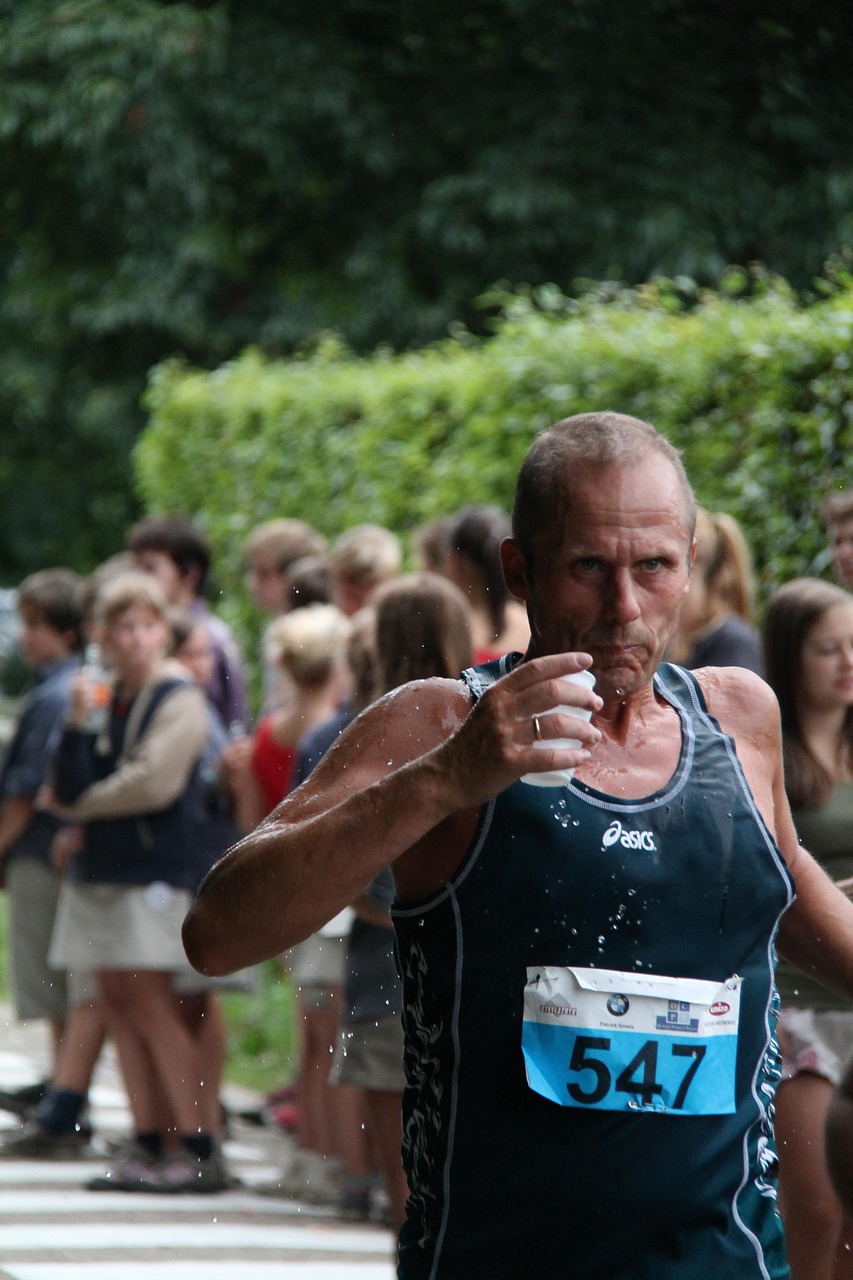
- During: the National Athletic Trainers’ Association (NATA) says to keep body-weight loss from sweat under 2% and not to over-drink (gaining weight during play means too much). If you don’t know your sweat rate, drinking to thirst is a safe strategy; to learn it, weigh yourself before and after a session.
- Salt: NATA notes that heavy, salty sweaters may need extra sodium. A sports drink or electrolyte tablet in your bottle is the easy way on long, hot days.
- After: replace about 1.25–1.5 L of fluid for every kilogram lost (ACSM), especially before a second day of play.
Bring your own bottle, as Cricket Australia advises for hot days. Our best electrolyte powder guide compares the options.
Heat: how cricket manages it
Cricket Australia uses a cricket-specific Heat Stress Risk Index (HSRI) built from shade temperature, wind, humidity and sun exposure. Its community guidance is a good model for any club:
- Low risk: manage heat as usual: drinks, hats, long sleeves and sunscreen.
- Moderate risk: extra or more frequent drinks breaks, for example every 20–30 minutes, and watch players for muscle cramps, dizziness and unusual fatigue.
- High risk: longer breaks so players can come off the field and cool down.
- Extreme: matches are suspended until conditions improve for at least 30 minutes, or abandoned.
Batters and keepers in helmets and pads hold in more heat. In a survey of 365 junior cricketers in Sri Lanka, most rated the heat risk from wearing protective gear as low, so coaches and parents need to watch for it. NATA’s position statement says athletes should acclimatize over 7–14 days of training in the heat, and that exertional heat stroke (confusion or collapse with a very high body temperature) is an emergency: call 911 and cool first, ideally by cold-water immersion, before transport when medical staff are on site. Early warning signs include headache, nausea, dizziness, cramps and heavy fatigue. Take an affected player off, into the shade, loosen gear and cool them.
Sun protection
Few team sports keep you in the sun as long as cricket. The American Academy of Dermatology (AAD) recommends a broad-spectrum, water-resistant sunscreen of SPF 30 or higher, reapplied about every two hours and after sweating, plus SPF 30 lip balm. The CDC notes UV is strongest from 10 a.m. to 4 p.m., which is most of a match. Add a wide-brimmed hat in the field (Cricket Australia recommends hats and long sleeves), UV-blocking sunglasses where you can, and reapply at every drinks break. A mineral sport sunscreen like Blue Lizard Sport SPF 30+ and a wet cooling towel like the MISSION Max Plus around the neck at breaks are common kit-bag items.
Storms and lightning
NATA’s rule is simple: “When thunder roars, go indoors.” If you can hear thunder, lightning is close enough to strike. No place outside is safe; go to a building with wiring and plumbing or a hard-topped vehicle, and wait 30 minutes after the last thunder before going back out.
The match-day bag
Blue Lizard Sport Mineral Sunscreen SPF 30+
- Zinc oxide, broad spectrum
- Water and sweat resistant
- Fragrance free
MISSION Max Plus Cooling Towel
- Microfiber, soak and wring
- UPF 50 (listing)
- About $23
Nuun Sport Tablets
- 300 mg sodium per tablet
- 1 g sugar
- Informed Choice (maker says)
Skratch Labs Hydration Sport Drink Mix
- 400 mg sodium per serving
- About 20 g carbs
- 20 servings, about $24
Electrolyte products: follow the label, and check with a doctor if you have high blood pressure, kidney or heart problems or follow a low-sodium diet. After the match, switch to the cricket recovery routine, and look at cricket training for building the fitness to last a long day. Back to the cricket hub, or compare with soccer game day.
Cricket match day: FAQs
What should cricketers eat before a match?
A carbohydrate-based meal 2–4 hours before the start, such as oats, toast, rice or pasta with some lean protein, kept light on fat and fiber. ACSM suggests about 1–4 g of carbohydrate per kg of body weight in the 1–4 hours before long exercise.
What do cricketers eat at lunch and tea?
Lunch is a proper but not heavy meal with carbohydrate and some protein; tea is a lighter carbohydrate snack. Both are also the time to catch up on fluids and reapply sunscreen.
How much water should a cricketer drink during a match?
Enough to keep sweat losses under 2% of body weight without gaining weight, according to NATA. Weighing before and after a training session shows your sweat rate; without that, drinking to thirst is a safe approach. Hot days call for more frequent drinks breaks.
When is it too hot to play cricket?
Cricket Australia uses a Heat Stress Risk Index. At the highest level, matches are suspended until conditions improve for at least 30 minutes, or abandoned. Below that, it calls for more frequent and longer drinks breaks.
What sunscreen is best for cricket?
The AAD recommends a broad-spectrum, water-resistant sunscreen with SPF 30 or higher, reapplied about every two hours and after sweating. Mineral sport formulas with zinc oxide are a common choice. Add a wide-brimmed hat and lip balm with SPF.