This article contains affiliate links: if you buy through them we may earn a commission, at no extra cost to you. Learn more.
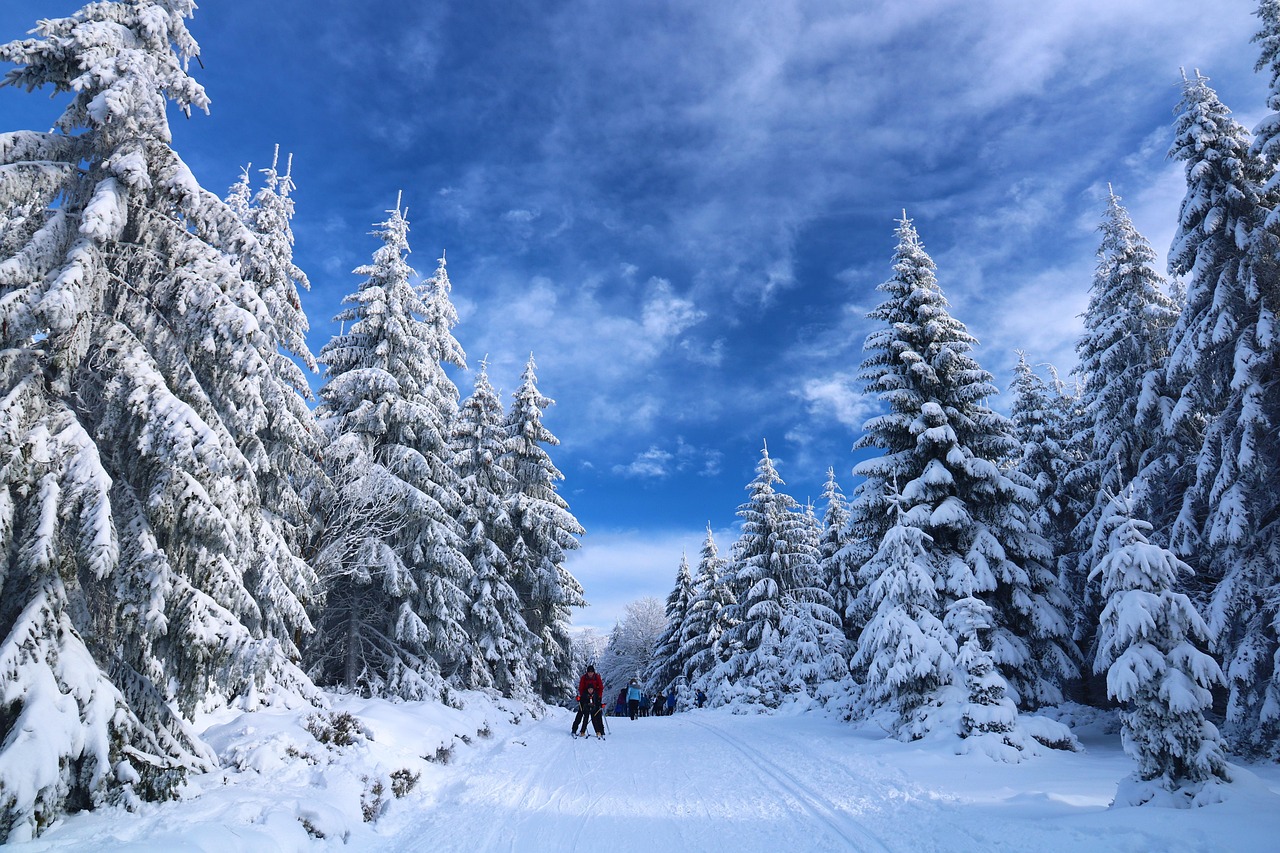
Kilometer 40 of the Birkie. The sun is low over the Wisconsin pines, your arms have been double-poling for three hours, and the downhill into the next feed station is glazed and fast. One skier ahead catches an edge, lands on an outstretched hand and gets up slowly, shaking a wrist. Another stops by the track to cough, a dry, tight cough that started in the cold. Cross-country skiing is one of the healthiest, lowest-risk sports there is, but it has its own short list of problems: falls, overuse in the back and knees, cold injuries, tight airways and, rarely, the heart. Here’s each one, with what helps and when to get checked.
General information, not medical advice. If you’re hurt or worried, see a sports medicine doctor, physical therapist (PT) or certified athletic trainer (AT). For the sport as a whole, start at our cross-country skiing hub.
How risky is cross-country skiing?
Not very. Reviews call it a low injury-risk sport with few long-term health risks; faster equipment and busier trails mean more reported injuries than in the past, still fewer than in other skiing. Problems come from a single event (usually a fall) or slow-building overuse.
For racers, overuse is the bigger story. In a 12-month study of elite North American skiers, overuse injuries outnumbered acute ones more than two to one, legs were hurt far more than arms or trunk, and the strongest link to a new injury was a previous one. Among Swedish elite high-school athletes, injuries peaked in pre-season, and 16- and 17-year-olds were at higher risk than older teammates.
Falls: wrists, thumbs and shoulders
Skinny skis, icy downhills, ruts in a classic track and a tired body at the end of a long tour: that’s when falls happen. The usual instinct is to put a hand out, and the American Academy of Orthopaedic Surgeons (AAOS) says a fall onto an outstretched arm is the most common cause of a broken wrist (distal radius fracture). Go to an emergency room for severe or worsening pain, numb or pale fingers, or a wrist that looks out of place.
Skier’s thumb is the other classic. AAOS describes it as a sprain of the ligament on the inside of the thumb, often from falling with the hand still in a pole strap. Signs are bruising, swelling and a weak or unstable pinch; AAOS advises having even a mild sprain checked if it doesn’t improve quickly. The same outstretched-arm fall can also hurt the shoulder (AAOS lists shoulder dislocations, sprains and fractures among common skiing injuries).
Roller skiing in summer moves the falls onto pavement, with no snow to soften them and few ways to slow down. That’s why the International Ski and Snowboard Federation (FIS) requires a safety helmet and eye protection for official roller-ski training and competition. Recreational roller skiers should do the same, on quiet, smooth roads, and learn to stop before going fast.
Overuse: lower back, knees and shins
Low back pain is the overuse problem skiers talk about most, from thousands of forward bends in double poling. In a 2025 study, 75% of elite skiers reported low back pain compared with 54% of non-athlete controls, even though MRI showed disc degeneration was no more common in the skiers. Over the long run the news is better: a 10-year Norwegian cohort study found former elite skiers had no more low back pain than non-athletes, but a big training year (more than 550 hours, compared with under 200) and a previous episode of back pain were both risk factors.
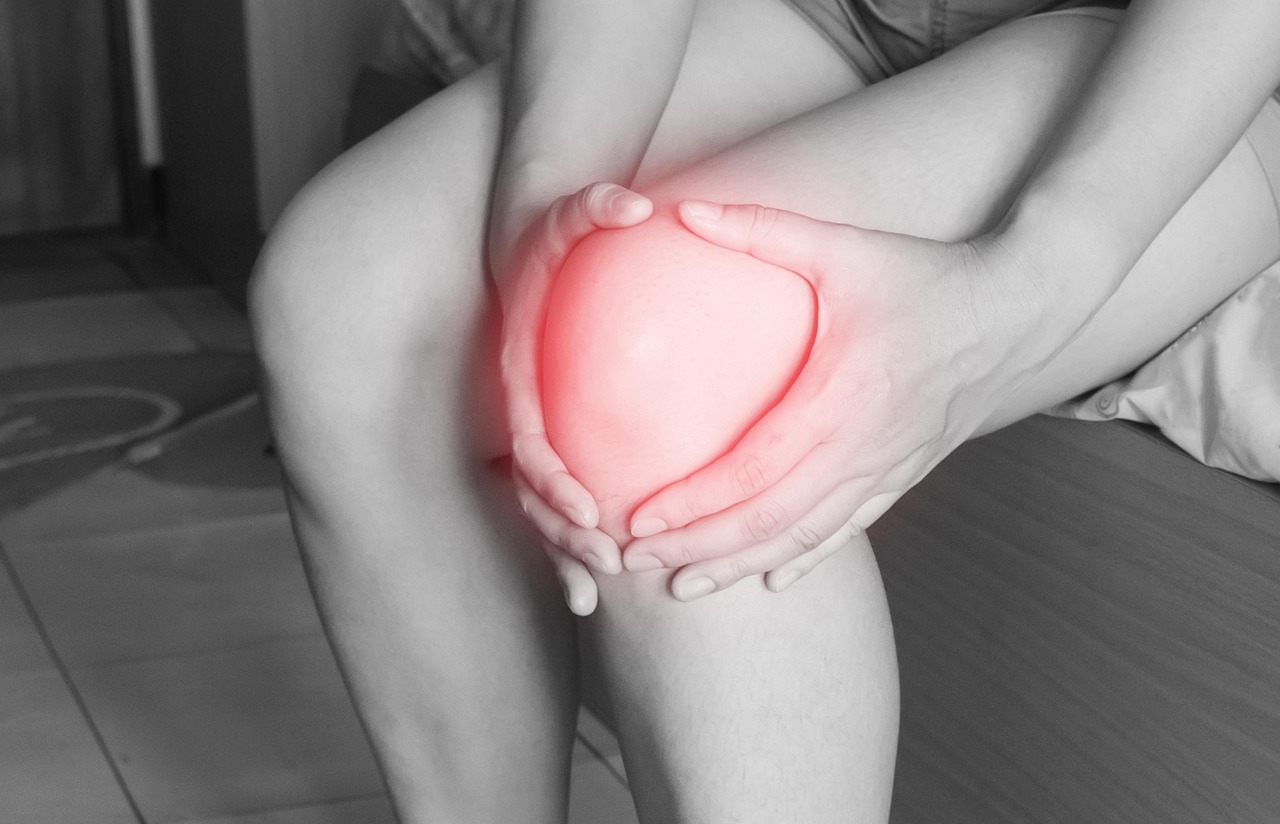
Knees, shins and feet carry the dryland load. Running and bounding add impact that snow skiing doesn’t, foot and knee injuries were the most severe in the adolescent study, and sudden jumps in volume are a common trigger. Pain that is sharp in one spot, hurts at rest or at night, or makes you limp deserves a check for a stress injury.
Cold injuries and frostbite
In a 2025 study of elite racers in Finland (−13 °C to −1 °C), core temperature rose to about 39 °C during races while skin temperature fell sharply, most on the thighs. A warm core, sweaty layers and exposed skin in the wind of a fast downhill: that’s the setup for frostbite.
- Know the signs (CDC): redness or pain first, then white or grayish-yellow skin that feels firm or waxy, and numbness. Nose, ears, cheeks, chin, fingers and toes are hit most.
- First aid (CDC): get somewhere warm, use warm (not hot) water, don’t rub the area, and don’t use a fireplace, heat lamp or heating pad on numb skin. Seek medical care.
- Hypothermia (CDC): shivering, exhaustion, confusion, fumbling hands, slurred speech or drowsiness. A body temperature below 95 °F is an emergency, and it can happen above 40 °F when you’re chilled by sweat or wet snow.
- Wind chill: the National Weather Service chart shows that at 0 °F with a 15 mph wind, exposed skin can freeze in about 30 minutes. The American College of Sports Medicine (ACSM) advises extra vigilance below a wind chill of −27 °C (−18 °F).
Racing has its own cold rules. FIS rules say a cross-country race is postponed or cancelled if the temperature is below −20 °C at the coldest point of the course. For citizen (popular) races on the FIS calendar, organizers give cold-weather advice between −15 °C and −25 °C and delay or cancel at −25 °C or below in a major part of the course. Practical habits: cover face and neck on cold, windy days, carry a dry hat and mitts, and check each other’s faces for pale patches. Layering is covered on our ski day and race day page.
Breathing: asthma and exercise-induced bronchoconstriction
Hours of hard breathing in cold, dry air are tough on airways, and skiers show it. A 2020 systematic review and meta-analysis in Sports Medicine found that about 21% of competitive cross-country skiers, biathletes and ski-orienteers reported doctor-diagnosed asthma, and that asthma was often underdiagnosed. In a Finnish survey of competitive skiers, asthma was about 2.5 times as common as in matched controls (25.9% vs 9.2%), usually starting after the skiing career had begun; in a related study it was most common (56%) among the most successful skiers.
Exercise-induced bronchoconstriction (EIB) means the airways narrow during or after exercise: coughing, wheezing, chest tightness or shortness of breath that’s out of proportion to the effort. It can happen with or without known asthma. The American Thoracic Society (ATS) guideline recommends a short-acting inhaler before exercise for people diagnosed with EIB, with daily options if symptoms continue, and ACSM says people with asthma can exercise in the cold but should be monitored closely. What that means for you:
- If you cough or wheeze after hard skiing, don’t just accept it as “ski cough”. See a doctor; breathing tests can confirm or rule out EIB or asthma.
- Many skiers cover the mouth with a thin neck gaiter or balaclava on very cold days to warm the air a little.
- Competitive athletes: some asthma medicines are covered by anti-doping rules. Check every medicine with your doctor and on the Global DRO database (globaldro.com) before racing.
The heart in long races: what the Vasaloppet studies show
Sweden’s Vasaloppet, 90 km from Sälen to Mora, is the world’s best-studied ski race. A study of all starters from 1970 through 2005 (698,102 starts) counted 13 deaths during the races, 12 from cardiovascular disease. That’s more than expected at rest, so racing carries a short-term risk, and two to four of those who died probably had conditions a doctor would have flagged. The authors’ conclusion: the long-term benefits of exercise far outweigh it.
The long-term data support that. Comparing nearly 400,000 Swedes, half of them Vasaloppet skiers, researchers found the skiers had about half the risk of death (hazard ratio 0.52) and lower rates of heart attack and stroke. Heart rhythm is more mixed: men who finished the most races or the fastest had a higher risk of atrial fibrillation and slow rhythms, and in a study of more than 200,000 skiers, women had less atrial fibrillation than non-skiers while men had about the same rate overall.
If you’re over 40, new to endurance racing, or have heart disease, high blood pressure, diabetes or a family history of sudden death, see a doctor before training for a long race. During training or racing, stop and get help for chest pain or pressure, fainting, unusual shortness of breath, or a racing or irregular heartbeat. Show a doctor any irregular pulse at rest or a watch alert about one.
Head injuries
Falls on icy downhills and roller skis can cause concussions. The CDC’s HEADS UP rule applies: if a concussion is possible, stop for the day until a health care provider clears you, and call 911 for danger signs such as unequal pupils, a worsening headache, repeated vomiting, slurred speech, seizures or growing confusion.
Gear many skiers use to stay out of trouble
Common in skiers’ bags: a helmet like the Giro Register MIPS for roller skiing, a thin BUFF ThermoNet neck gaiter for cold, windy days, and HotHands hand warmers. For sore knees from dryland training, some athletes use a sleeve like the Bauerfeind GenuTrain; ask your PT first.
Giro Register MIPS Helmet
- MIPS liner
- Universal adult size 54–61 cm
- About $40 (Oct 2026)
BUFF ThermoNet Neck Gaiter
- PrimaLoft yarn, light and warm
- Wear 12 ways
- About $30
HotHands Hand Warmers, 40 pairs
- Up to 10 hours of heat
- 40 pairs, single use
- About $25
When to see a sports medicine doctor, PT or athletic trainer
- Right away (emergency): chest pain, fainting or a racing heartbeat during exercise; signs of hypothermia; skin that stays white, hard or numb after warming; a wrist or shoulder that looks out of place; any concussion danger sign.
- Within a day or two: a thumb that feels weak or unstable after a fall, a wrist that’s swollen and tender, a possible concussion, or blisters after frostbite.
- Soon: back pain that keeps returning or goes down the leg, shin or foot pain that’s sharp in one spot, a cough or wheeze after hard sessions, an irregular pulse, or tiredness and frequent illness that don’t lift with rest (see nutrition and RED-S).
Prevention in short: build volume gradually, add strength and trunk work (see training), respect old injuries, dress for the wind chill and recover well (see recovery). Compare alpine skiing injuries and soccer injuries.
Cross-country skiing injuries: FAQs
Is cross-country skiing safer than downhill skiing?
Generally, yes. Reviews describe cross-country skiing as a low injury-risk sport, with fewer reported injuries than other skiing styles. Its main issues are overuse (back, knees, shins), falls on icy downhills, cold exposure and airway problems rather than high-speed crashes.
Why do so many cross-country skiers have asthma?
Breathing large volumes of cold, dry air for hours strains the airways. Studies find asthma in about one in five competitive skiers, often starting in the teens after years of training, and many cases go undiagnosed. If you cough or wheeze after hard skiing, see a doctor for breathing tests.
How cold is too cold to cross-country ski?
FIS postpones or cancels races below −20 °C at the coldest point of the course, and citizen races at −25 °C or below. For training, consider wind chill as well as temperature: at 0 °F with a 15 mph wind, exposed skin can freeze in about 30 minutes. Cover skin, shorten sessions and stay close to shelter on the coldest days.
Is a long race like the Vasaloppet or the Birkie bad for your heart?
For most people, no: Vasaloppet skiers live longer and have fewer heart attacks and strokes than non-skiers. Deaths during races are rare but higher than at rest, and men with many fast races have a higher rate of atrial fibrillation. Over 40, new to it or with heart risk factors? Get a medical check first.
What causes low back pain in cross-country skiers?
Repeated forward bending in double poling and high training volume are the usual suspects. Research shows elite skiers report more back pain than non-athletes, that big training years raise the risk, and that a past episode is a strong predictor. Back pain that keeps returning, or spreads down a leg, should be checked by a doctor or PT.