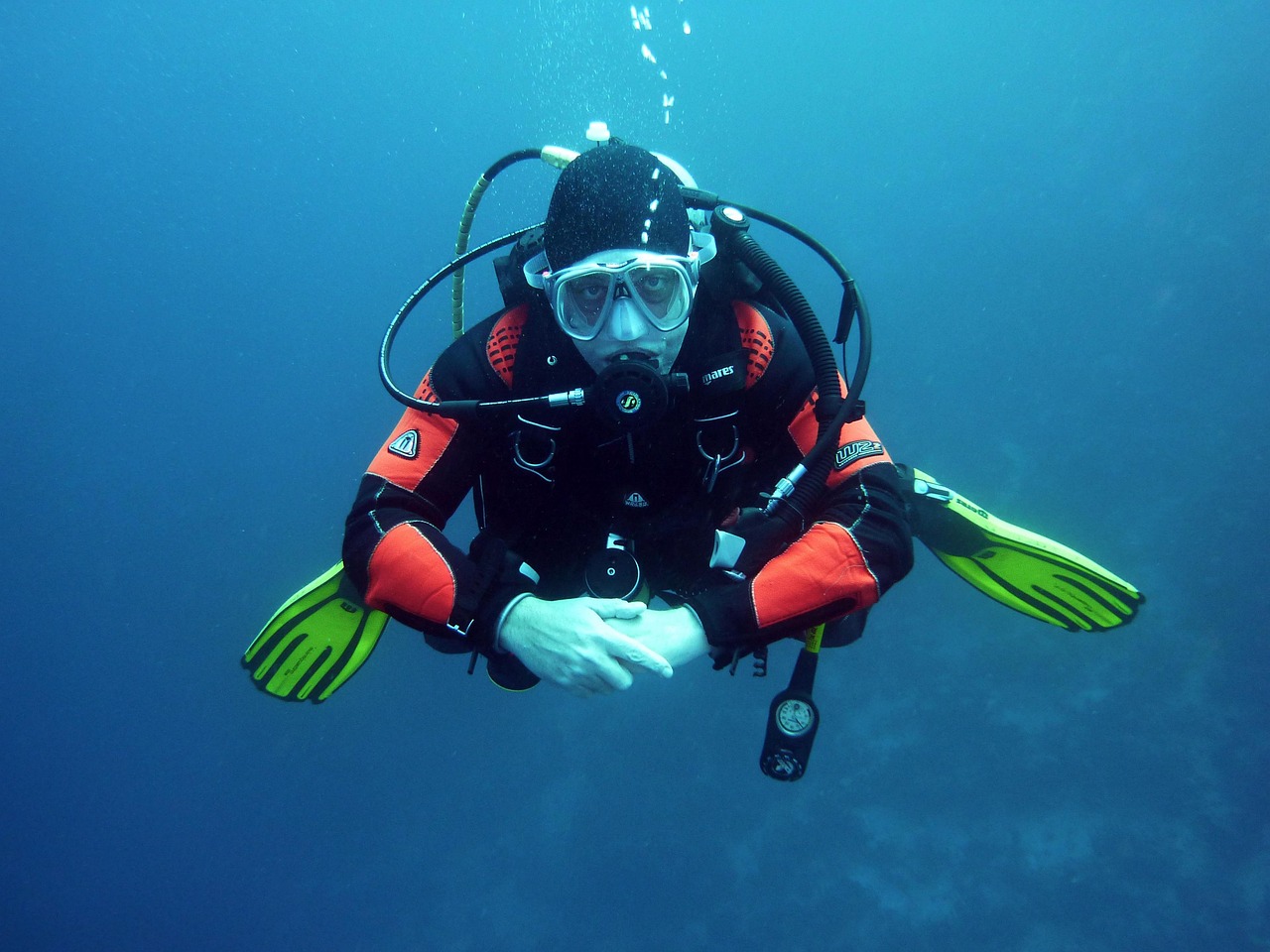
This article contains affiliate links: if you buy through them we may earn a commission, at no extra cost to you. Learn more.
Saturday morning at the high school pool. A sophomore stands at the end of the 1-meter board, arms up, and goes for her inward dive. On the way down there’s a dull knock: she came too close and clipped the board. She surfaces, swims to the side and says she’s fine. Is she? This page answers that question and the others every diving family asks. Diving looks graceful, but the body takes real forces: a diver coming off the 10-meter platform hits the water at close to 40 miles per hour, according to the American Academy of Pediatrics (AAP). Here are the injuries that keep showing up in springboard and platform diving, what lowers the risk, and the signs that mean “get it checked”.
This page is general information, not medical advice. If you’re hurt, see a sports medicine doctor, physical therapist (PT) or certified athletic trainer (AT). For the bigger picture of the sport, start at our diving hub.
How divers get hurt: the big picture
A 2025 systematic review of 28 studies of elite and pre-elite divers found the shoulder, lower back, trunk and wrist/hand were the most often injured areas, with up to 1 in 5 divers hurt or ill during a competition period. Most injuries don’t happen at meets, though. When Australia’s national program tracked 63 divers for four seasons, 79% of injuries happened in training and only about 2% in competition. The two most common moments were water entry (30%) and take-off (28%), and most divers had at least one injury a year (70–85% annual prevalence).
The pattern changes by level. In U.S. high school surveillance data (a small sample of 41 diving injuries), the head and face were the most injured area (37%), and contact with the diving board caused 68% of injuries. In the NCAA, head and face (29%) and trunk (20%) injuries led in women’s diving; shoulder and trunk (23% each) in men’s, with surface contact the top cause. In a U.S. survey of 182 divers aged 8 to 25, more years in the sport went with more injuries in every body part.
Wrist and hand: the price of a clean entry
Every head-first dive ends with the hands hitting the water first. Modern divers use a flat-hand entry: hands overlapped and grabbed, palms flat, wrists bent back, to “punch a hole” in the water for a small splash. In a classic study of 21 platform divers, 18 complained of pain from the hand’s impact with the water, and injuries included fractures, sprains and two cases that needed surgery. The AAP describes the everyday version: the wrist is forced backward again and again, causing pain, swelling, stiffness and irritation of the joint.
What helps: a correct hand grab taught by a coach, stronger forearms and wrists (see our diving training page), building height and dive difficulty gradually, and taping. Many divers tape their wrists for practice; an athletic trainer can show you a taping method that fits your wrist. Wrist pain that lasts more than a week or two, a swollen or tender spot on the bone, or pain when you push up from a chair deserves a visit.
Shoulder
Arms take the full load at entry, overhead and locked. The AAP notes that shoulder dislocations can happen on water entry, and that chronic shoulder pain often comes from the rotator cuff getting pinched. Divers who also swim for conditioning add the overhead load of swimming on top (see swimming injuries). A shoulder that pops out, feels loose, or aches at night needs a sports medicine doctor; steady pain on entries is a reason to drop height and see a PT before it becomes long-term.
Low back and spondylolysis
Diving asks the spine to arch on back and reverse dives and on a “saved” short entry, and to fold hard in pike and tuck. The AAP describes two common back problems in divers: spondylolysis (a stress fracture in the back of a vertebra, from repeated arching) and disc injury (from repeated bending forward). A literature review of pars defects (the crack behind spondylolysis) across sports found the highest reported rate in diving, about 35%. In the elite-diver review, lifetime low back pain was reported as high as 89%.
The American Academy of Orthopaedic Surgeons (AAOS) says spondylolysis can feel like a muscle strain: pain across the low back, sometimes into the buttocks or thighs, worse with activity and better with rest. It’s common in young athletes, and most cases are managed without surgery. The AAP’s rule for divers is simple: low back pain for longer than 2 weeks means see a doctor. Don’t let a young diver “train through” back pain that hurts more when arching.
Neck, knees and feet
- Neck: the AAP notes that repeated extension of the neck on entry can irritate the neck joints, and that platform diving causes more neck problems because the impact is greater.
- Knees: hurdles and take-offs load the kneecap; the AAP names patellar tendonitis (pain just below the kneecap). In high school data, knee injuries were a bigger share for girls (17%) than boys (6%).
- Bone stress: in the Australian study, stress fractures in springboard divers caused the longest time away of any injury type. Pain in one spot on a bone that gets worse with jumping needs a doctor.
Head strikes and concussion
Hitting the board or platform is diving’s most feared accident, and it’s the reason head and face injuries top the list in school and college diving. In the high school data, concussion was the most common diving injury type (32%), and researchers note that concussions can also come from the head hitting the water on a bad entry, especially from height.
The rule is the same as in every sport. The CDC’s HEADS UP program says: if you think an athlete may have a concussion, remove them from practice or competition. “When in doubt, sit them out.” They stay out for the rest of that day and until a health care provider clears them. That includes the diver who clipped the board and insists on doing her next dive. Signs to watch (CDC): looking dazed or confused, slow answers, clumsiness, forgetting the dive list, mood changes, vomiting. Symptoms divers report: headache, dizziness, nausea, blurry vision, sensitivity to light or noise, feeling foggy.
Call 911 for the CDC’s danger signs: one pupil larger than the other, a worsening headache, slurred speech, weakness or numbness, repeated vomiting, seizures, increasing confusion, or loss of consciousness. If a diver is limp or unresponsive in the water, or has neck pain, numbness or tingling after a strike, get them out with a lifeguard or trained responder, keep the head and neck still, and call for emergency help.
Coming back. The CDC describes a gradual return in steps, moving on only without new symptoms. The 2022 Amsterdam international consensus statement recommends relative rest only for the first 24 to 48 hours, then light activity, with each step usually taking at least 24 hours. The American Medical Society for Sports Medicine (AMSSM) says there is no same-day return after a concussion diagnosis and school comes back before full sport. In diving, the last steps are worth taking slowly: feet-first jumps and simple dives from 1 meter before twisting, back or inward dives, and before going up in height. Final clearance comes from a licensed health care provider.
Public safety: shallow-water diving and the spinal cord
Competitive diving happens in deep, purpose-built pools. The catastrophic diving injuries happen somewhere else: backyard pools, lakes, quarries and beaches. In the U.S. National Spinal Cord Injury Database, kept by the National Spinal Cord Injury Statistical Center (NSCISC), diving is the fifth most common cause of spinal cord injury (5.5% of nearly 38,000 cases since the 1970s; 6.3% in men) and by far the most common sports cause. The NSCISC estimates about 18,000 new traumatic spinal cord injuries a year in the U.S. The CDC notes that diving into shallow water is a risk factor for head and spinal cord injuries that affect young men disproportionately, and that alcohol or drugs are a factor in some aquatic injuries.
- Feet first, first time. The CDC’s advice: do not dive in shallow water, and always enter the water feet first.
- See the bottom. AAOS: avoid murky water; you should be able to see the bottom at the deepest point and check that the whole diving area is deep enough.
- Boards are for diving straight out. AAOS: dive only off the end of the board, don’t run on it, don’t try to dive far out, bounce only once, one person on the board at a time, and swim away right after.
- No alcohol. The CDC says don’t drink before or during swimming, diving or boating.
Gear many divers keep in the bag
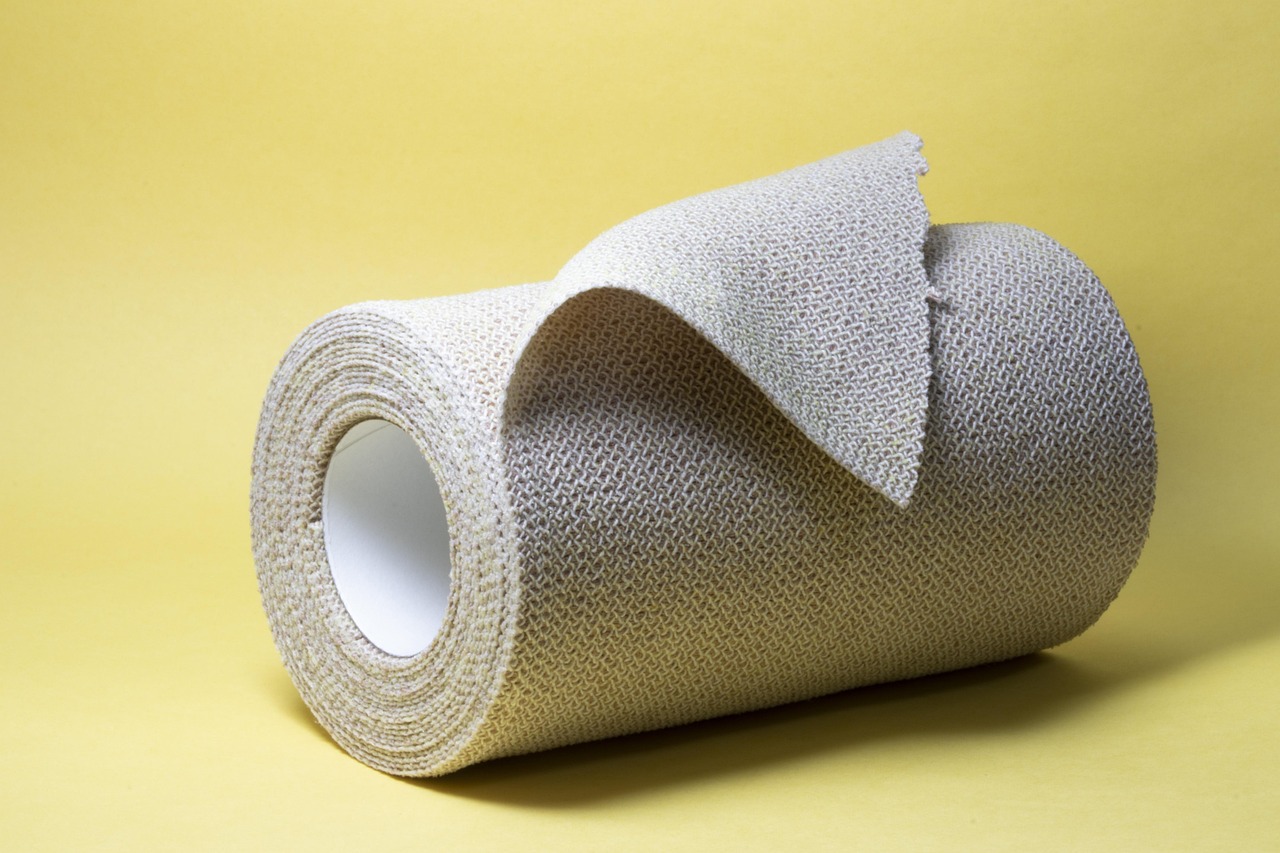
None of these prevent injuries on their own, and tape is no substitute for rehab, so ask your AT or PT what fits you. Many divers carry athletic tape like Mueller MTape for wrist taping, a band kit like the THERABAND Beginner Kit for shoulder and wrist strength work, and a foam roller like the TriggerPoint GRID for warm-ups and cool-downs.
Mueller MTape Rolls to Go
- 6 rolls, 1.5 in x 10 yd
- Cotton, zinc-oxide adhesive
- Tears by hand
THERABAND Resistance Band Beginner Kit
- 3 bands: yellow, red, green
- Latex (latex-free kit sold too)
- About $19
TriggerPoint GRID 1.0
- 13 in, hollow core
- Multi-density surface
- About $40
When to see a sports medicine doctor, PT or athletic trainer
- Right away (emergency): any concussion danger sign, neck pain with numbness or tingling, a diver who can’t move a limb, a shoulder that looks out of place, or a possible broken bone.
- Same day or next: any head strike on the board or platform, a suspected concussion, a wrist that swells after a bad entry.
- Soon: low back pain longer than 2 weeks (AAP), wrist or shoulder pain that keeps coming back, pain in one spot on a bone, a young diver who avoids arching or certain dives.
Who does what: a sports medicine physician diagnoses and decides on imaging; a physical therapist guides rehab and the return to dryland and the boards; a certified athletic trainer is often on deck at high school and college meets. Look after the basics between sessions on our diving recovery page, and see how other sports handle it on soccer injuries and gymnastics injuries.
Diving injuries: FAQs
What is the most common injury in diving?
It depends on level. Elite divers most often hurt the shoulder, lower back, trunk and wrist/hand. In U.S. high school and college diving, head and face injuries (including concussion from hitting the board) make up the largest share.
Why do divers’ wrists hurt?
The flat-hand entry bends the wrists back hard every time the hands hit the water. Repeated hundreds of times a week, that can irritate the joint. Good technique, wrist strength, gradual progressions and taping help; pain that lasts needs an exam.
Can a diver keep competing after hitting the board?
Not if a concussion is possible. The CDC says remove the athlete and keep them out that day until a health care provider clears them; AMSSM says no same-day return after a concussion diagnosis. Symptoms can show up hours later.
Is back pain normal for divers?
It’s common, but not something to ignore. Diving has one of the highest reported rates of spondylolysis (a stress fracture in the back of a vertebra). The AAP says divers with low back pain for more than 2 weeks should see a doctor.
How deep does water need to be for diving?
Competition pools are built deep for a reason. Outside them, don’t guess: the CDC says never dive into shallow water and always go in feet first, and AAOS says you should be able to see the bottom at the deepest point. Diving is the fifth leading cause of spinal cord injury in U.S. data.