This article contains affiliate links: if you buy through them we may earn a commission, at no extra cost to you. Learn more.
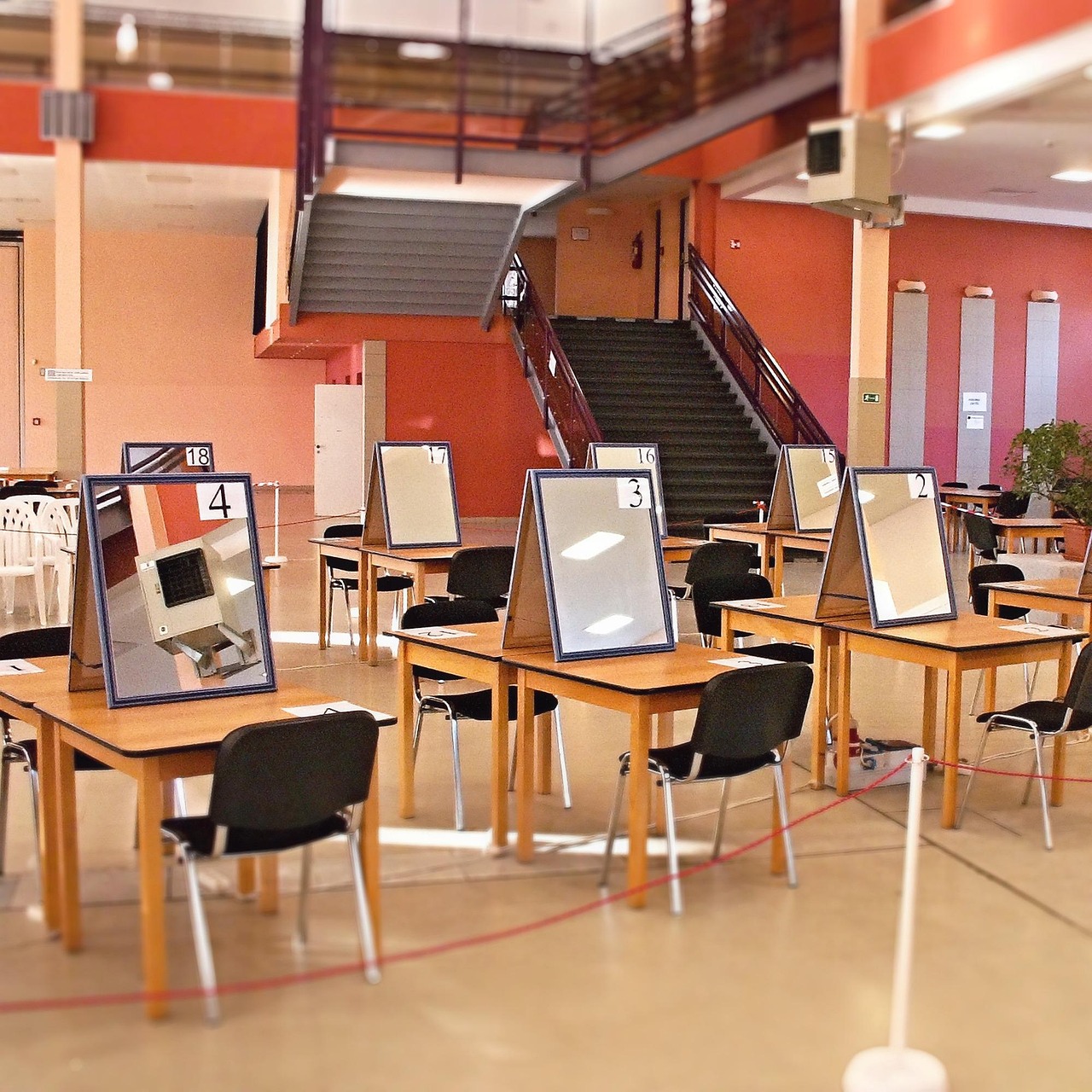
Saturday, 8:30 a.m., in a convention-center hall. Rows of tables, a forest of monitors, cables taped to the floor, and the hum of hundreds of PCs warming up. Your team’s first match is at 10; if you keep winning, the last one could start after dark. Whether it’s a high school league match from the school computer lab, a collegiate conference final, an open LAN bracket or a pro match on a stage under lights, esports match day is a long day of sitting, focus and adrenaline. What you eat, drink and do between games decides how sharp you are in the last series. This page covers food, hydration, caffeine limits (with honest numbers), breaks, sleep the night before and a LAN-day packing list.
General guidance for healthy players. Players with diabetes, heart conditions, anxiety or other medical needs should follow their doctor’s or a registered dietitian’s plan. For the overview of the sport, see our esports hub.
The night before: sleep is your first buff
The American Academy of Sleep Medicine (AASM) recommends 8 to 10 hours for teens 13 to 18 and 7 or more for adults. Esports players often miss that: pro shooter players in one multinational study slept a median 6.8 hours, falling asleep around 3:43 a.m. In 24 Australian esports athletes, nights when gameplay ended 1 to 2 hours before bed came with poorer sleep quality than nights without gaming. So the night before a match:
- No late scrims. Finish competitive play a couple of hours before bed and wind down with something calm.
- Work back from the alarm. A 10 a.m. match with a 7 a.m. wake-up means lights out by 11 p.m. for an adult, earlier for a teen.
- Cut caffeine early. In a sleep study, 400 mg of caffeine taken even 6 hours before bed disrupted sleep; the authors support avoiding substantial caffeine for at least 6 hours before bedtime.
- Pack the night before so the morning is calm (list below).
Food: steady energy, no crash
Gaming burns far less energy than a soccer match, so you don’t need to “carb load”. What you need is steady energy and no stomach trouble while you sit for hours. Sports nutrition guidance from the American College of Sports Medicine (ACSM) and dietitians puts the pre-event meal 1 to 4 hours before, mostly carbohydrate, and warns that very fatty, high-protein or high-fiber choices right before can upset the stomach. Choices should suit you and be tested on practice days.
- Breakfast 2 to 3 hours before: oatmeal with fruit, eggs and toast, yogurt and granola.
- Between matches: small snacks every couple of hours: a banana, a sandwich, trail mix, a granola bar, cheese and crackers.
- Lunch on a long day: a normal meal (rice or pasta bowl, wrap, burrito) in your longest break, not a greasy feast 20 minutes before a match.
- Bring your own. Venue food can mean long lines and pizza only.
Hydration: water first
You sweat much less sitting than running, but a hot, crowded hall, nerves and hours of talking on comms still dry you out. ACSM suggests starting well hydrated, with pale yellow urine as a simple check, and the National Athletic Trainers’ Association (NATA) says drinking to thirst is a safe strategy when you don’t know your sweat rate. Keep a big bottle such as the Nalgene 32 oz at your station and sip between rounds; it also keeps you from filling up on soda. On hot days or if you sweat a lot, an electrolyte tablet like Nuun Sport (the regular version, not the caffeinated one) is an option; more in our electrolyte guide. Keep drinks away from keyboards, of course.
Nalgene Sustain 32 oz Wide Mouth
- 32 oz, wide mouth
- BPA-free Tritan
- Made with 50% plastic-waste material
Nuun Sport Tablets
- 300 mg sodium per tablet
- 1 g sugar
- Informed Choice certified
Loop Experience 2 Ear Plugs
- 17 dB SNR (maker)
- Reusable, 4 tip sizes
- Keychain case
TriggerPoint GRID 1.0 Foam Roller
- 13 x 5 in, hollow core
- Multi-density surface
- About $40
Caffeine and energy drinks: the honest limits
Energy drinks are practically part of the esports uniform, and caffeine does work: in a study of 24 shooter players, caffeine improved aim-trainer scores and reaction time. But the side effects are real. In 181 Brazilian esports players, a quarter (25.7%) went over 400 mg a day, and insomnia (45.2%), stomach pain (45.5%), a racing heart (29.1%) and tremors (23.7%) were common. A team of elite Chinese pros averaged 2 cups of coffee and 2.5 energy drinks a day.
- Teens and kids: skip energy drinks. The American Academy of Pediatrics (AAP) says the caffeine and other stimulants in energy drinks have no place in the diet of children and adolescents. The American Academy of Child and Adolescent Psychiatry says there’s no proven safe dose for children, advises under-12s to avoid routine caffeine and suggests at most 100 mg a day for ages 12 to 18.
- Adults: the FDA cites 400 mg a day (about two to three 12-ounce cups of coffee) as an amount not generally linked to dangerous effects for most healthy adults. Some people are more sensitive, and people who are pregnant, have heart problems or take certain medicines should ask their doctor.
- Read the can. The FDA says energy drinks have 54 to 328 mg of caffeine per 16 ounces, so one can can be most of an adult’s day or triple a teen’s limit.
- Never try caffeine for the first time on match day, and don’t stack drinks for a late series; jitters hurt aim, and the crash and lost sleep hurt tomorrow. Too much caffeine can cause a fast heartbeat, palpitations, anxiety, jitters, nausea and headaches, per the FDA.
More on caffeine, energy drinks and supplements is on our esports nutrition and supplements page.
Breaks between matches
Researchers studying esports say interrupting long gaming sessions with short bouts of exercise is strongly recommended, and a review found short exercise bouts improved reaction time and aim, with gaps of up to 30 minutes before playing not erasing the effect. Use the downtime:
- Stand up and walk the hall or go outside for a few minutes between every match.
- Hands and shoulders: repeat your warm-up (fist open and close, wrist circles, shoulder rolls); a few minutes on a foam roller like the TriggerPoint GRID loosens the back after hours in a folding chair.
- Eyes: the American Academy of Ophthalmology’s 20-20-20 rule (every 20 minutes, look 20 feet away for 20 seconds) fits between rounds; between matches, look far away for longer.
- Ears: take the headset off. NIDCD says long or repeated exposure at or above 85 dBA can damage hearing, and LAN halls and arenas are loud; earplugs like Loop Experience 2 help when you’re off the headset.
- Head: a short reset (a few slow breaths, a quick review of one thing to fix) beats replaying every mistake.
LAN day packing list
- Your own peripherals (mouse, keyboard, headset, mousepad) and spare cables, if the event allows them.
- A big water bottle, snacks and a packed lunch.
- A hoodie (halls swing from cold to hot), earplugs, any glasses or contacts you use for the screen, and artificial tears if your eyes dry out.
- A small foam roller or resistance band, and any wrist support your doctor or PT has recommended.
- Phone charger and the schedule, so you know when you can eat.
After the last match, the job is winding down so you can sleep: see our esports recovery page. For how players in a field sport handle game-day fuel and heat, see soccer game day, and for a physical plan to back it all up, esports training.
Esports match day: FAQs
What should I eat before an esports tournament?
A normal, mostly carbohydrate meal 2 to 3 hours before (oatmeal, eggs and toast, yogurt and fruit), then small snacks between matches. Avoid heavy, greasy food right before you play, and try your match-day food on practice days first.
Are energy drinks OK for teen gamers?
No. The AAP says the caffeine and stimulants in energy drinks have no place in the diet of children and adolescents, and child psychiatrists suggest teens keep caffeine to at most 100 mg a day. Many energy drinks have more than that in one can.
How much caffeine is too much for adult gamers?
The FDA cites 400 mg a day as an amount most healthy adults can have without dangerous effects, but people vary. Caffeine within about 6 hours of bed can disturb sleep, and pregnant people or anyone with a heart condition should ask a doctor.
How should I spend breaks at a LAN?
Stand up, walk, drink water, eat a small snack, stretch your hands and shoulders, rest your eyes on something far away and take the headset off. Short movement breaks may even help your reaction time.
How much sleep do I need before a match?
The AASM recommends 8 to 10 hours for teens and 7 or more for adults. Stop competitive play a couple of hours before bed and cut caffeine early so you can actually fall asleep.