This article contains affiliate links: if you buy through them we may earn a commission, at no extra cost to you. Learn more.
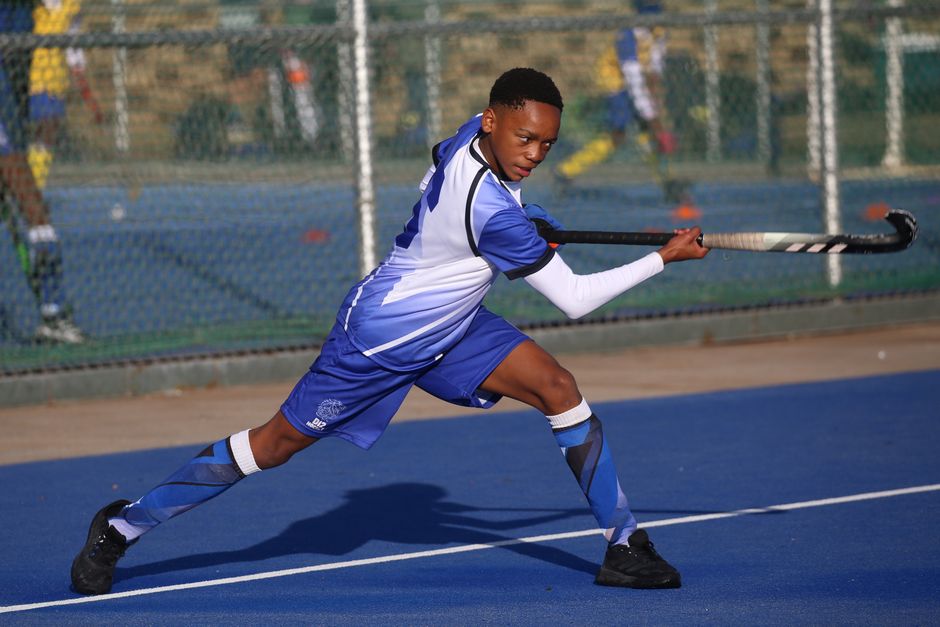
The bus back from an away game, Thursday night in October. Thighs tight from an hour in the low position, lower back a little stiff, a bruise blooming on the shin where a hit got through. There’s school tomorrow and another game Saturday. Field hockey recovery is everything that happens between those two games: food, fluids, sleep, a little movement and some care for the parts of the body this sport works hardest. Done well, it’s how players stay sharp through a fall season, a tournament weekend or an adult league that plays every week.
General guidance for healthy players, not medical advice. If something hurts more each day, see a sports medicine doctor, physical therapist (PT) or certified athletic trainer (AT). For the overview of the sport, see our field hockey hub.
How long recovery takes
Field hockey is a game of short sprints and hard stops: in six games at the 2016 Olympics, 15 Australian men logged almost 9,000 hard decelerations between them. That kind of braking is what leaves muscles sore. A review of team-sport studies found performance often comes back before markers of muscle damage do, and those markers can stay raised for 72 hours or more. Field hockey research shows the same pattern over a tournament: at a five-day international youth tournament, players’ muscle soreness, perceived effort and a blood marker of muscle damage all rose as the days went on, and at a women’s international tournament soreness was higher by the seventh game than the first.
After the game: the first few hours
Cool down and stand up straight
A few minutes of easy jogging or walking helps the heart and breathing settle, though a research review found an active cool-down does little for next-day performance or injury risk, so keep it short. For field hockey players, it’s a good moment to undo the posture of the game: gentle hip-flexor stretches, standing back bends within comfort, and easy movement for the hips and thighs. If your back is sore after every game, though, that’s worth a conversation with your athletic trainer or PT (see field hockey injuries).
Refuel and rehydrate
The joint position statement of the American College of Sports Medicine (ACSM), the Academy of Nutrition and Dietetics and Dietitians of Canada gives the targets:
- Fluids: replace 125–150% of the weight lost (about 1.25–1.5 liters per kilogram), with some sodium if you sweat heavily.
- Protein: about 15–25 grams (or 0.25–0.3 g per kg) in the first couple of hours.
- Carbohydrate: when the next game is less than 8 hours away, about 1.0–1.2 g per kg per hour for the first 4 hours.
- Alcohol: for adults, heavy drinking after games is discouraged; it gets in the way of rehydration and sleep.
Easy options: chocolate milk, a turkey sandwich, Greek yogurt with fruit, a rice bowl. Our field hockey nutrition page has the details.
Check the bumps and bruises
Bruises from the ball and stick are part of the game. Ice and elevation for the first day are common first aid. But a finger that won’t straighten, a shin that’s getting more swollen and painful instead of less, a blow to the eye area that affects vision, or any headache, dizziness or fogginess after a hit to the head needs to be checked, not slept off.
Sleep: the recovery tool that costs nothing
The American Academy of Sleep Medicine, endorsed by the American Academy of Pediatrics, recommends 9–12 hours for kids aged 6–12 and 8–10 hours for teens aged 13–18; adults need 7 or more. Sleep matters in field hockey research too: at an international men’s tournament, players’ morning wellness scores, which included sleep quality, tracked closely with how much they ran in that day’s match. Helpful habits, from sports sleep research:
- Keep a regular wake-up time, even after a late game.
- Skip caffeine late in the day and screens right before bed.
- A cool, dark, quiet room; a short early-afternoon nap if the night was short.
Tournament weekends and rest days
Club tournaments, indoor events and the Thanksgiving National Hockey Festival mean several games over two or three days. Between games, follow the field hockey game-day plan: rehydrate, eat familiar carbs early, get off the hot turf and into the shade, and put your feet up. After the weekend:
- Take the next day off or very easy: a walk, an easy bike ride or a swim.
- Protect rest days: the AAP recommends young athletes take at least 1–2 days off a week from their main sport and time off during the year.
- Ease back into hard training a couple of days after the last game, not the morning after.
Recovery tools: what helps and what’s just nice
Recovery tools don’t replace food, fluids and sleep, but many players like them. The research, in plain words:
- Massage and self-massage: in a large review, massage was the most effective recovery method for soreness and perceived fatigue. A foam roller like the TriggerPoint GRID on the quads, glutes and calves is a cheap way to do some at home.
- Massage guns: a 2026 meta-analysis of 12 trials found percussion helped jump performance recover but showed no clear benefit for strength or soreness. Nice, not necessary. The Theragun Mini fits a stick bag.
- Compression: a meta-analysis found compression garments give small benefits for recovery of strength and power. Calf sleeves or a device like the Normatec Go are for players who like them.
- Cold water: research in other sports found cold-water immersion around 10–15°C for 10–15 minutes eased soreness, but regular ice baths after strength training may blunt strength gains. And in field hockey specifically, a study of Germany’s under-18 national team at a five-day tournament found daily 5-minute cold baths at about 6°C did not improve match running, soreness or muscle-damage markers compared with passive recovery. So it’s optional, not magic.
- Comfortable shoes: after hours in turf shoes, a cushioned recovery slide like the OOFOS OOahh just feels good.
Cold plunges aren’t for everyone: check with a doctor first if you have a heart condition, high blood pressure, Raynaud’s or circulation problems, or are pregnant, and never plunge alone. Children should only use cold water with an adult present.
TriggerPoint GRID 1.0
- 13 in, hollow core
- Multi-density surface
- About $40
Theragun Mini (3rd Gen)
- Pocket size, 3 speeds
- 3 attachments
- Travel lock
Hyperice Normatec Go
- Calves only, 1.2 lb
- 7 levels
- Wear it standing or walking
OOFOS OOahh Slide
- OOfoam slide
- APMA Seal of Acceptance
- Machine washable
Our best recovery tools, massage guns, compression boots and cold plunges guides compare more options, and athlete recovery routine puts it all together. For a similar weekly rhythm, see soccer recovery.
Goalkeepers, young players and adults
Goalkeepers recover from a different game: fewer sprints, but explosive saves, lots of time in a crouch and full kit that traps heat. Extra fluids after hot games, hip and groin mobility work and an easy bike session suit them well.
Young players recover mainly through food, fluids, sleep and time off. They don’t need massage guns or cold plunges; rest days and playing more than one sport protect them more than any gadget.
Adult and masters players often feel games for longer. Leave more time between hard sessions, keep up strength work through the year, and treat sleep as part of training. A recovery tracker can show the pattern; see our field hockey wearables.
Field hockey recovery: FAQs
How long does it take to recover from a field hockey game?
Most players feel close to normal in a day or two, but research in sprint-and-stop team sports shows muscle-damage markers can stay up for 72 hours or more. Plan your hardest training at least a couple of days after a game.
Do ice baths help field hockey players?
The evidence is mixed. In other sports, cold-water immersion eased soreness, but a study of under-18 national-team field hockey players found daily cold baths during a five-day tournament made no difference to match running or soreness. If you like them, fine; food, fluids and sleep matter more.
How do I loosen my back after field hockey?
Many players use an easy walk or jog, hip-flexor stretches and gentle back movement after games, plus trunk and hip strengthening during the week. Back pain that keeps returning, or comes with leg numbness or weakness, should be checked by a doctor or PT.
What should I eat after a field hockey game?
Carbs and protein together soon after, with fluids: chocolate milk, a sandwich, yogurt with fruit or a rice bowl. About 15–25 g of protein in the first couple of hours is a good target, per the ACSM joint position.
How should I recover after a tournament weekend?
Rehydrate, eat well, sleep long, and make the next day off or very easy. Young athletes should get at least 1–2 days off a week from field hockey, per the American Academy of Pediatrics.