This article contains affiliate links: if you buy through them we may earn a commission, at no extra cost to you. Learn more.
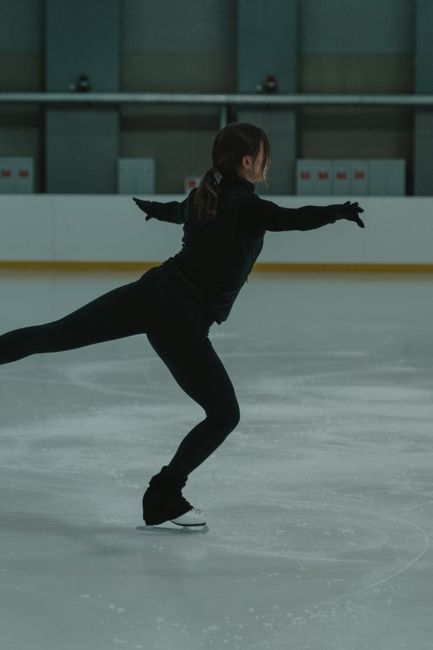
It’s 6 a.m. freestyle ice and a 13-year-old has landed her double axel four times in a row. On the fifth she steps out, grimaces, and quietly loosens her top laces before the next attempt. Figure skating looks weightless, but every jump ends on one leg, going backward, on a blade a few millimeters wide, inside a stiff leather boot. Add thousands of repetitions, lifts and hard falls, and skating has its own set of injuries. This page covers the figure skating injuries that come up again and again, from Learn to Skate classes to the Olympics: ankle and foot problems, the ones caused by the boot itself, low back pain and stress fractures, the hip, falls and concussion, and the extra risks of pairs lifts. Then: how to lower the risk and when to see a professional.
This page is general information, not medical advice. If you’re hurt, see a sports medicine doctor, physical therapist (PT) or certified athletic trainer (AT). For the bigger picture of the sport, start at our figure skating hub.
How often figure skaters get hurt
A 2024 review in Current Sports Medicine Reports estimated the lifetime prevalence of injury for figure skaters at about 79.5%, with the spine and the legs the most common sites. Singles skaters mostly develop overuse injuries; pairs skaters, ice dancers and synchronized skaters have more acute ones from falls, collisions and partner elements. A 2018 literature review in Sports Health found ankle sprains are the most common skating injury overall, patellar tendinitis (jumper’s knee) the most common overuse injury, and stress fractures the most common overuse injury in female singles skaters. A 2025 systematic review called the research patchy, but individual studies linked injury to older age, a previous stress fracture, more than 12 sessions a week, skipped meals, tight hamstrings and quadriceps, and a mismatch between foot and boot length.
For young skaters, a 15-year review of 294 patients (ages 9 to 19) at a pediatric sports medicine center found about 69% of injuries were overuse. In girls the most injured areas were the foot and ankle (29.6%), knee (19.3%) and back (15.8%); in boys, the foot and ankle, hip and knee. About 1 in 10 injuries (11.8%) was a bone stress injury.
Ankle and foot injuries
Missed landings and toe-pick catches make ankle sprains the classic acute injury. Overuse is just as common: in the pediatric review, tendinopathy was the top foot-and-ankle diagnosis, and the American Medical Society for Sports Medicine (AMSSM) notes that stress fractures of the foot bones can come from repetitive toe take-offs. The American Academy of Pediatrics’ HealthyChildren.org lists shin splints and stress fractures of the metatarsals, navicular and sesamoids among skating’s bone injuries. Pain in one spot on a bone that gets worse with every session, or pain at rest or at night, needs a doctor, not more ice time.
Boot problems: lace bite, pump bump and ankle-bone bursitis
A competitive boot has to be stiff enough to support landings, and that stiffness rubs and presses. The common problems:
- Lace bite. AMSSM describes it as painful irritation of the front of the ankle from pressure under the laces. Changing how you lace, adding padding and adjusting the tongue may relieve it.
- Pump bump (Haglund’s deformity). A bony prominence at the back of the heel, with or without Achilles irritation, that AMSSM links to the heel moving too much inside the boot. HealthyChildren.org says it affects 49% of skaters; bunions (57%) and hammertoes (18%) are also common.
- Malleolar bursitis. Pain and swelling over the inside or outside ankle bone from boot pressure. AMSSM lists fixes such as adjusting the heel fit, padding, or having a skate technician “punch out” the boot over the sore spot.
- Blisters, calluses and chafing, listed by HealthyChildren.org, are small problems that grow if ignored.
Fit is the fix. The AAP advice is to make sure boots fit and are broken in, check size regularly in growing kids, and avoid boots that are too big, too stiff for the skater’s level, or too narrow in the toe. In a 1989 study of elite pair skaters and ice dancers, 7 of 33 serious injuries were directly related to the boot. A good skate fitter is part of the medical team. Gel sleeves such as ZenToes Ankle Bone Protection Sleeves, made for boots and skates, are one padding option many skaters try; ask your fitter or PT what suits your boot.
Low back pain and stress fractures of the spine
Layback spins, Biellmann positions, spirals and the twisting of every jump bend the lower spine backward and sideways again and again. AMSSM names spondylolysis and disc injuries among the results. Spondylolysis is a stress fracture of a small part of a lower vertebra (the pars interarticularis); the American Academy of Orthopaedic Surgeons (AAOS) describes pain that can feel like a muscle strain, may spread to the buttocks and thighs, and gets worse with activity, and says most cases are treated without surgery. The pediatric review’s warning is worth repeating: nearly 1 in 3 young skaters seen for back pain had a bone stress injury of the spine. Back pain with arching that lasts more than a couple of weeks deserves a doctor’s visit.
Hip and knee
Skating demands extreme hip range along with hard landings. A 2018 systematic review of hip problems in dancers, figure skaters and gymnasts found injuries to the labrum and cartilage (chondrolabral pathology) and muscle injuries reported most often. AMSSM calls iliac apophysitis, an irritated growth area on the rim of the pelvis, a common injury in teen skaters. At the knee, front-of-knee pain and patellar tendinitis are common; in one study of adolescent elite skaters, those with knee pain had tighter quadriceps, and three-quarters of those who improved their quadriceps flexibility got rid of the pain. A deep groin ache, clicking or catching in the hip, or knee pain that keeps you from landing should be checked.
Falls, head injuries and concussion
Ice is hard, and skaters fall a lot: a caught edge going backward, a crash from a jump, a collision on a crowded practice session, a missed catch in a lift or synchronized element. In a survey at the 2004 World Synchronized Skating Championships, about 20% of acute injuries in women were head injuries. U.S. Figure Skating’s concussion guidance is clear: a skater should be immediately removed from the ice and from training or competition if a concussion is suspected, and should not return until evaluated by a licensed health care professional trained in concussion management and given written clearance, followed by a supervised step-by-step return. The CDC’s HEADS UP program says the same: “When in doubt, sit them out.” Signs include looking dazed, confusion, clumsiness and mood changes; skaters may report headache, dizziness, nausea, blurry vision, light or noise sensitivity, or feeling foggy.
Call 911 or go to the emergency department for the CDC danger signs: one pupil larger than the other, a headache that gets worse and won’t go away, slurred speech, weakness or numbness, repeated vomiting, seizures, growing confusion or agitation, or loss of consciousness. After a fall with neck pain, numbness or tingling, don’t move the skater; call for help. A 2025 clinical commentary on elite skaters recommends bringing back jumps, spins and inverted lifts late and carefully in the return-to-sport steps.
Pairs lifts, throws and twists: the extra risks
Pairs skating adds a second person and a lot of height. The Sports Health review found pairs skating accounts for most upper-body injuries in figure skating and that partner disciplines see more acute injuries because of high-risk throws and lifts. In a 9-month study of elite pairs skaters and ice dancers, 11 of 33 serious injuries were caused by lifts, and senior female pair skaters averaged 1.4 serious injuries each. Ways teams lower the risk: learn lifts off-ice and on the floor first with a qualified coach and spotters, progress one level at a time, build the lifter’s shoulder, trunk and leg strength, stop when either partner is fatigued, and never practice new lifts or throws without the coach present.
Lowering the risk: what helps
- Get the boot right. Proper fit, the right stiffness for the skater’s level, and regular checks in growing kids. Reviews keep listing boot fit as a prevention priority.
- Count and limit jumps. HealthyChildren.org advises limiting repetitions of new moves and increasing training by less than 10% a week. The American Academy of Pediatrics also recommends 1–2 days off a week from the main sport and about 3 months off a year in 1-month blocks. More in figure skating training.
- Train off the ice. Strength, balance, core and flexibility work (especially hamstrings and quadriceps) appear in every prevention review.
- Eat enough. Skipped meals and energy deficiency are linked to injury and stress fractures in skaters. See figure skating nutrition.
- Speak up early. Pain that changes how you jump or land is a reason to stop.
Supports and gear many skaters use
For pressure spots in the boot, gel ankle sleeves like the ZenToes pair are a common first try. After an ankle sprain, many athletes wear a lace-up brace like the ASO EVO for off-ice conditioning (not inside a skating boot), and a TriggerPoint GRID foam roller is a rink-side staple. None of these prevent injury on their own; ask your PT or athletic trainer.
ZenToes Ankle Bone Protection Sleeves
- Gel pads over the ankle bones
- Made for boots and skates
- 1 pair
ASO EVO Ankle Stabilizer
- Lace-up with figure-8 straps
- Fits left or right foot
- Low profile
TriggerPoint GRID 1.0
- 13 in, hollow core
- Multi-density surface
- About $40
More in our best ankle braces for athletes and best foam rollers guides.
When to see a sports medicine doctor, PT or athletic trainer
- Right away (emergency): any concussion danger sign, a fall with neck pain, numbness or weakness, a joint that looks out of place, a possible broken bone, or a skate-blade cut that won’t stop bleeding.
- Within a day or two: a suspected concussion (no skating until cleared in writing), an ankle you can’t stand on, or a wrist or shoulder that swelled after a fall or lift.
- Soon: low back pain with arching that lasts more than a couple of weeks, pain in one spot on a foot or shin bone, pain at night or at rest, a hip that clicks, catches or aches in the groin, knee pain that changes your landings, or a boot sore that won’t settle after the boot is adjusted.
A sports medicine physician diagnoses and decides on imaging; a physical therapist guides rehab and the return to jumps, spins and lifts; a certified athletic trainer often covers competitions and college programs. A skate fitter or technician handles the boot. Return to full jumping should be step by step and signed off by the person treating you. Meanwhile, look after the basics on our figure skating recovery page, and compare with gymnastics injuries, a sport with a lot in common.
Figure skating injuries: FAQs
What is the most common injury in figure skating?
Across all disciplines, ankle sprains are the most common injury and patellar tendinitis the most common overuse injury, according to a 2018 review. In female singles skaters, stress fractures are the most common overuse injury. In young skaters, the foot and ankle, knee and back are injured most.
What is lace bite and how do skaters get rid of it?
Lace bite is painful irritation at the front of the ankle from pressure under the laces and tongue of the boot. AMSSM says changing the lacing, adding padding and adjusting the tongue may relieve it. If it keeps coming back, have the boot checked by a fitter and see a PT or doctor.
Is back pain normal in figure skating?
It’s common, but it isn’t something to skate through. In one pediatric review, nearly 1 in 3 young skaters seen for back pain had a bone stress injury of the spine, such as spondylolysis. Pain with arching or laybacks that lasts more than a couple of weeks should be seen by a doctor.
Can a skater keep practicing after hitting their head if they feel fine?
No, not if a concussion is suspected. U.S. Figure Skating’s guidance is immediate removal from the ice and no return until a professional trained in concussion management gives written clearance. Symptoms can appear hours later, and spins and jumps come back last.