This article contains affiliate links: if you buy through them we may earn a commission, at no extra cost to you. Learn more.
Saturday morning after a Friday-night game. Getting out of bed takes two tries, the shoulders feel like they went through a car wash, and there’s a bruise you don’t remember getting. In the NFL, the same feeling arrives on Monday. Football recovery is what turns that body back into a player by the next game, and in a sport with one game a week, the six days in between matter almost as much as the game.
This page covers the first hours after a game, a simple recovery week, sleep, the tools many players use, and an honest look at what research says about ice baths and cold water. It’s general information for youth, high school, college, pro and adult players. Pain, swelling or concussion symptoms that don’t go away are a reason to see a sports medicine doctor, physical therapist or athletic trainer, not to tough it out.
The first hours after the game
- Check for injuries first. Tell the athletic trainer about anything that hurts. Concussion signs can appear hours after a hit, so parents and teammates should keep watching that evening. Headache, confusion, vomiting or unusual sleepiness mean a medical check.
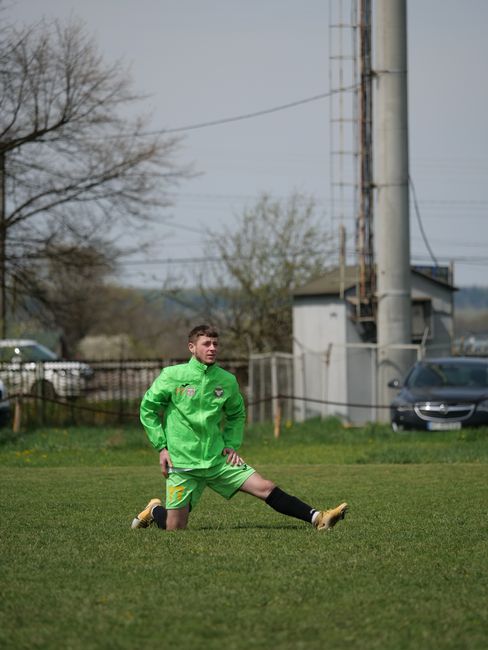
- Cool down. A few minutes of easy movement and stretching. AAOS notes that stretching after practice is often skipped and can help with soreness.
- Rehydrate. The American College of Sports Medicine (ACSM) nutrition position recommends drinking about 125–150% of the fluid you lost: 1.25–1.5 liters for every kilogram of body weight lost, or roughly 19–23 ounces per pound. Weighing in before and after shows you how much that is.
- Refuel. The same position recommends about 0.3 grams of protein per kilogram of body weight (roughly 15–25 g for most athletes) after hard sessions and every 3–5 hours over the day, plus carbohydrate to restock muscle fuel. When the next hard session is close, it suggests about 1.0–1.2 g of carbohydrate per kilogram per hour for the first 4–6 hours. In real life: a full plate of pasta, rice or potatoes with chicken, eggs or fish; chocolate milk or a shake if a meal is hours away.
A protein shake is a convenience, not a requirement; our protein powder guide lists third-party tested options. The ACSM position discourages heavy drinking after exercise because alcohol works against rehydration, and for under-21 players it’s not an option anyway.
A simple recovery week
Most football players play once a week: high school on Friday, college on Saturday, the NFL on Sunday (with some Monday and Thursday games). Teams and coaches set the real schedule. A common pattern for a Friday game looks like this:
| Day | Focus |
|---|---|
| Game night | Fluids, a real meal, injury check, sleep |
| Day 1 (Saturday) | Easy movement: a walk, a bike ride or a swim; foam roll; film; long sleep |
| Day 2 (Sunday) | Rest or light activity; good meals; homework and family |
| Day 3 (Monday) | Lift and a lighter practice; tell the athletic trainer about anything still sore |
| Midweek | Hardest practice days, contact within your state’s limits |
| Day before | Walk-through, carbohydrate-rich meals, early bed |
For Saturday and Sunday games, shift everything by a day or two. One thing the NFHS asks schools to watch: players who play in more than one game a week (junior varsity and varsity) get extra hits with less time to recover, especially in games on consecutive or the same days.
Sleep: the recovery tool that works
The CDC, citing the American Academy of Sleep Medicine, recommends 9–12 hours a night for kids 6–12, 8–10 hours for teens and 7 or more for adults. Sleep matters for injuries too: in a study of middle and high school athletes, those who slept less than 8 hours a night on average were 1.7 times more likely to have been injured than those who slept 8 or more. After a night game, adrenaline makes falling asleep hard, so give yourself a wind-down: a shower, food, dim lights, phone away, and a later wake-up on Saturday if you can.
Many players track sleep and readiness with a ring or band; see our sleep tracker guide and HRV for athletes. A tracker can tell you that you slept badly. Only going to bed earlier fixes it.
Recovery tools: what they’re good for
Football bodies take a beating, and many players use a foam roller or massage gun on tight hips, quads and hamstrings, compression boots after a game, and soft recovery slides once the cleats come off. Many athletes say these help them feel looser and less sore. They’re about comfort, not treatment: they don’t heal a sprain, and a bruise or joint that keeps getting worse needs a professional. Our recovery tools guide compares them all.
Ice baths and cold water: what the evidence says
Ice tubs are a football locker-room classic. The evidence is real but modest. A 2016 review of nine trials found cold water immersion was slightly better than passive rest for muscle soreness, with the best results at about 11–15 °C (52–59 °F) for 11–15 minutes. A larger 2023 review of 44 trials also found less soreness, but only with short and medium immersion times; long soaks didn’t help more.
There’s a catch for the off-season. In a 2015 study, men who took a 10-minute cold bath after every strength session for 12 weeks gained less strength and muscle than men who did an active cool-down instead. So a practical split many athletes use: cold water after games and hard in-season weeks, when feeling fresh for Friday is the goal, and not right after lifting in the off-season, when building strength and size is the goal. See how long to ice bath and our cold plunge guide.
Safety: start with short, not-too-cold sessions, never plunge alone, and check with a doctor first if you have a heart condition, high blood pressure, Raynaud’s or are pregnant. Recovery soaks are not the same thing as the emergency ice-water cooling used for exertional heat stroke, which is a 911 situation (see football injuries).
Soreness or injury?
Normal game soreness is spread out and eases over a few days with easy movement. Get checked for pain in one spot that gets worse, swelling, a joint that gives way or locks, numbness or weakness in an arm, or any headache, fogginess or light sensitivity after a hit. AAOS says a player should be back to no pain, no swelling, full motion and normal strength before returning from a joint injury.
Recovery gear for football players
Our picks from the guides: the Ice Barrel 300, an insulated upright tub you fill with water and ice; Hyperice Normatec 3 compression boots; the TriggerPoint GRID 1.0 foam roller; and the OOFOS OOahh Slide for after the cleats come off.
Ice Barrel 300
- 77 gal, up to 6 ft tall
- Insulated, chiller-ready
- Made in the USA
Hyperice Normatec 3 Legs
- 7 levels, 40–110 mmHg
- 5 zones with ZoneBoost
- Up to 3 hr battery
TriggerPoint GRID 1.0
- 13 in, hollow core
- Multi-density surface
- About $40
OOFOS OOahh Slide
- OOfoam slide
- APMA Seal of Acceptance
- Machine washable
More: the football hub, game day, training, our athlete recovery routine, and soccer for another fall sport.
Football recovery FAQs
How long does it take to recover after a football game?
General soreness usually eases over a few days, which is why the first days after a game are best kept light. Injuries are different and need their own timeline from a professional.
What should football players eat after a game?
A real meal with carbohydrate and protein, plus plenty of fluids. The ACSM position suggests about 0.3 g of protein per kilogram after hard sessions; for most players that’s 15–25 g.
Are ice baths good for football players?
They can ease soreness a little, especially 11–15 minutes at about 11–15 °C. But regular ice baths right after lifting may blunt strength and muscle gains, so many players save them for after games and hard weeks.
How much sleep do football players need?
Teens 8–10 hours, adults 7 or more, kids 6–12 even more (9–12), per the CDC. Young athletes who slept under 8 hours were more likely to be injured in one study.
Should I play through soreness after a game?
Easy movement through general soreness is fine and usually helps. Sharp, one-spot pain, swelling, instability or any concussion symptom is not soreness: stop and see a professional.