This article contains affiliate links: if you buy through them we may earn a commission, at no extra cost to you. Learn more.
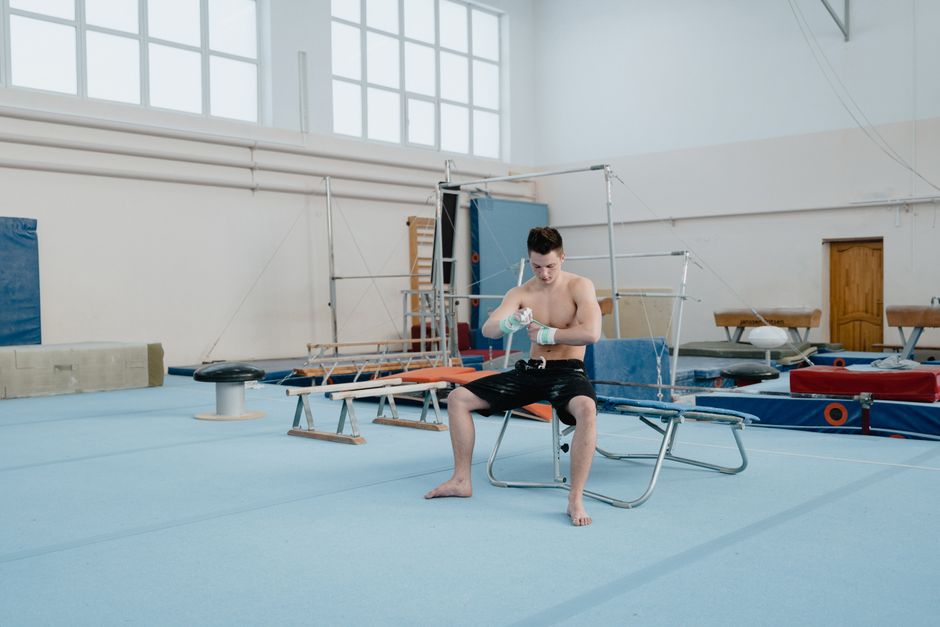
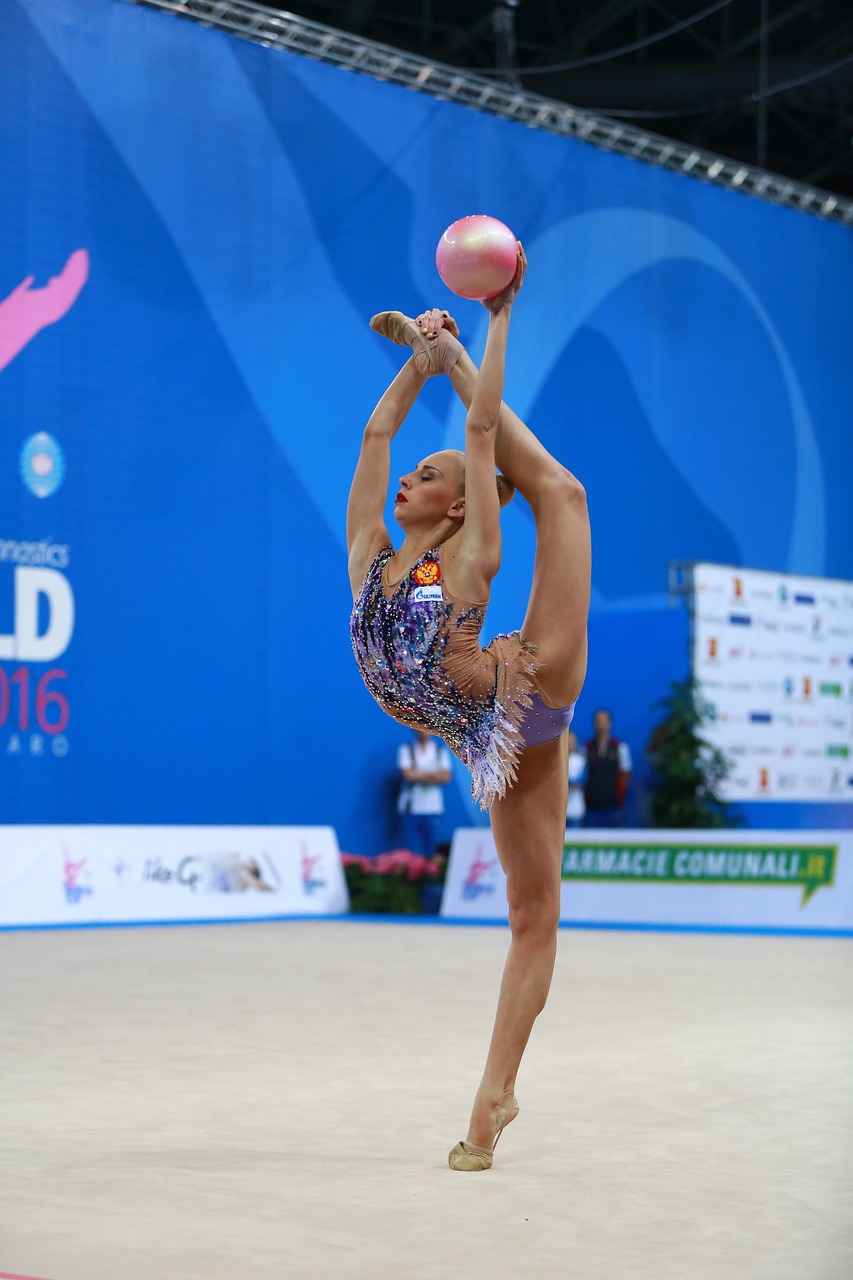
The alarm goes off at 5:45. Hair gets slicked into a bun with enough gel to survive a tornado, the competition leotard goes on under a team warm-up, and the car heads to a convention center where eight gyms’ worth of girls are already stretching on the carpet. Then comes the long part: march-in, warm-ups, four rotations, a lot of sitting and waiting between short routines, and awards. This is gymnastics meet day. It rewards gymnasts who arrive fueled, stay warm and calm through the waiting, and treat each routine like the only one that matters. Here’s how to plan the day, from the pre-meet breakfast to snacks between rotations and handling nerves.
General information, not personal medical or nutrition advice. Back to the gymnastics hub.
How a meet runs (and why it’s long)
In USA Gymnastics women’s Development Program (Levels 1–10) and Xcel meets, as of the 2026–27 rules, a session usually starts with a 15–30 minute general warm-up and stretch, then timed warm-ups on each event, then competition in rotations. Women rotate in Olympic order: vault, uneven bars, balance beam, floor. Timed warm-up time grows with level, from about 30 seconds per gymnast per event at Levels 1–2 to 2 minutes at Levels 8–10 (2½ minutes on bars at Levels 9–10). When gymnasts warm up away from the competition apparatus, a short “touch” warm-up (30 seconds per gymnast on bars and beam) comes right before competing. The rules say gymnasts shouldn’t be on the floor more than five hours in one session, and recommend no more than 2½ hours for the youngest levels. In college, women’s teams put up to six gymnasts on each of the four events and count the top five scores, and men compete six events: floor, pommel horse, still rings, vault, parallel bars and high bar.
The upshot: each routine is short, but the session around it can last hours. Meet day is less about stamina and more about staying fueled, warm and focused through the gaps.
The pre-meet meal
The 2016 joint position of the American College of Sports Medicine, the Academy of Nutrition and Dietetics and Dietitians of Canada suggests a carbohydrate-based meal 1 to 4 hours before longer exercise, going easy on foods high in fat, protein and fiber that can sit heavy, and choosing timing and foods that suit the individual. For a morning session that might be oatmeal with fruit, toast with a little peanut butter, or a bagel and yogurt. For an afternoon session, a normal lunch like rice or pasta with a lean protein, eaten 3 to 4 hours before march-in, plus a small snack later. The golden rule: never try a new food on meet day. Practice your pre-meet breakfast before a big training day first.
Nerves often kill appetite, especially in young gymnasts. If a full meal won’t go down, smaller and simpler is better than nothing: a banana, crackers, a smoothie. Skipping food entirely and then sitting through a five-hour session is a recipe for shaky legs on the last event.
Fueling between rotations
USA Gymnastics rules ask athletes to eat and drink outside the competition area, but say water bottles should be allowed (or a water fountain available). So plan your fuel around the gaps you actually get:
- Before march-in: a small, easy snack 30–60 minutes before the session if the meal was early, such as a granola bar, fruit or pretzels.
- During the session: water at your spot on the floor. Sip regularly rather than gulping right before vault. If your coach and the meet allow it in a break, a few bites of something simple can help in long sessions.
- Between sessions or meet days: if you compete twice in a day, the rules require adequate rest between sessions. Use it for a real meal with carbohydrate and some protein, not just vending-machine candy.
- Hydration: the ACSM position suggests about 5–10 mL of fluid per kilogram of body weight in the 2–4 hours before exercise, aiming for pale yellow urine. For a 40 kg (88 lb) gymnast that’s roughly 200–400 mL (7–14 oz). Arenas and convention halls can be warm and dry, so keep the bottle full.
Gymnasts don’t sweat like soccer players, so most don’t need sports drinks for a meet; water and normal food usually do the job. A low-sugar electrolyte tablet such as Nuun Sport can help on hot travel days or long two-session days, and a big bottle like the Nalgene 32 oz makes it easy to see how much you’ve had. More on everyday eating in gymnastics nutrition.
Stay warm between events
NCAA injury data show the injury rate in competition was about 1.7 times the practice rate, and a survey of college gymnasts found Achilles ruptures happened at a much higher rate in competition than in training. Nobody can say exactly why, but long waits followed by maximal efforts are part of the picture. Keep your team warm-up on between rotations, move around a little, and use your touch warm-up fully. Higher-level meets must have medical coverage on site; for Levels 8–10, Elite and the top Xcel divisions, the rules require a certified athletic trainer, EMT, paramedic, sports medicine physician, sports-certified PT or equally skilled licensed professional during warm-up and competition. If something hurts, tell your coach and that person. If a fall to the head happens, the CDC rule applies: when in doubt, sit them out (see gymnastics injuries).
Nerves and routines
Gymnastics is a “closed skill” sport: you start when you’re ready, on an apparatus that doesn’t move, with everyone watching. That’s exactly where mental routines help most. A 2026 meta-analysis of interventions against choking under pressure, including pre-performance routines, self-talk and mindfulness, found they reduced the drop in performance under pressure, with larger and more consistent effects in closed-skill sports. Practical ways to use that:
- Build a pre-routine ritual you also use in practice: chalk, a deep breath, a look at the beam, one cue word (“tight”, “tall”), salute, go.
- Rehearse in your head while you wait. Imagery is widely used by gymnasts, and a 2026 review found several studies where it improved judged performance.
- One event at a time. A fall on beam doesn’t follow you to floor. Reset with your routine.
- Parents: keep it simple. “I love watching you” beats a score report on the drive home. Let the coach coach.
For more, a short, readable book like The Champion’s Mind by sports psychologist Jim Afremow is a good place to start; our mental training tools guide has more options. If anxiety is constant or affects sleep, eating or enjoyment, talk to a doctor or a licensed sport psychologist.
Nalgene Sustain 32 oz Wide Mouth
- 32 oz, wide mouth
- BPA-free Tritan
- Made with 50% plastic-waste material
Nuun Sport Tablets
- 300 mg sodium per tablet
- 1 g sugar
- Informed Choice
The Champion's Mind (Jim Afremow)
- Paperback
- By a sports psychologist
- About $10–$20
Meet-day bag checklist
- Competition leotard (plus a spare), team warm-up, socks or slides for walking around.
- Grips, wrist supports and tape, all already broken in.
- Hair supplies. Jewelry stays home: USA Gymnastics allows only stud earrings, and other piercings must be removed, not taped.
- Full water bottle and familiar snacks for before and after.
- A plan for after: food within a couple of hours, then rest (see gymnastics recovery).
Playing another sport too? Compare with our soccer game-day guide.
Gymnastics meet day: FAQs
What should a gymnast eat before a meet?
A familiar, carbohydrate-based meal 1 to 4 hours before, light on fat and fiber, as the ACSM position suggests: oatmeal and fruit, toast, a bagel and yogurt, or rice or pasta with lean protein for later sessions. Add a small snack if the session starts long after the meal.
How long is a gymnastics meet?
A USA Gymnastics session can last up to about five hours on the floor including warm-ups, and the rules recommend no more than 2½ hours for the youngest levels. Big invitationals run several sessions a day, so check your session time.
Can gymnasts eat during a meet?
USA Gymnastics rules say to eat and drink outside the competition area, with water bottles allowed. Eat before the session and between sessions, sip water during, and follow your coach and the meet’s rules on snacks.
What order do gymnasts compete in?
Women’s artistic gymnastics uses Olympic order: vault, uneven bars, balance beam, floor exercise. Squads start on different events and rotate. Men’s Olympic order is floor, pommel horse, rings, vault, parallel bars, high bar.
How can a gymnast calm meet nerves?
Use the same pre-routine ritual you practice in training, with a breath and a cue word, and rehearse the routine in your head while waiting. Research on choking under pressure supports routines and self-talk, especially in sports like gymnastics.