This article contains affiliate links: if you buy through them we may earn a commission, at no extra cost to you. Learn more.
Back at camp after dark. Boots off by the stove, hands stinging as they warm up, a plate of something hot and a tired, happy crew retelling the day. Maybe there was a long drag out of the creek bottom; maybe it was nine hours of sitting in a cold wind with nothing to show for it. Either way, tomorrow’s alarm is set for 4:30 again. Recovery after hunting is a little different from other sports, because a hunter’s body takes two kinds of hits: long, cold, still hours, and short bursts of very hard work. This page covers warming up and drying out, refueling, sleep, sore legs and backs, multi-day hunts and opening week, and the warning signs that mean it’s more than tired.
General information, not medical advice. If something hurts more than it should, see a sports medicine doctor, physical therapist or athletic trainer. Back to the hunting hub.
First: warm up and dry out
Get out of wet clothes as soon as you’re back, especially socks and base layers. Warm up gradually with dry layers, a warm (non-alcoholic) drink and a warm room. Check fingers, toes, ears and nose: the CDC lists redness or pain as a possible first sign of frostbite, followed by white or grayish-yellow skin that feels firm or waxy, or numbness. Skin like that needs medical care, not a hot stove. Then deal with the boots. Wet boots at 4:30 a.m. are how cold feet start, and a boot dryer like the DryGuy DX dries two pairs (or boots plus gloves) in one to three hours, with or without heat. Pull the insoles out to help them dry.
Fall hunting is also tick season. The CDC recommends checking your body for ticks after coming in from wooded or brushy areas and showering within two hours. Check your gear and clothing too, and put clothes in a hot dryer to kill ticks you missed.
DryGuy DX Boot Dryer
- 4 ports: 2 pairs or boots + gloves
- Heat or no-heat
- 1-3 hours
OOFOS OOahh Recovery Slide
- Soft OOfoam slide
- APMA Seal of Acceptance
- About $60
Theragun Mini (3rd Gen)
- Pocket-size massage gun
- 3 speeds
- About $220
TriggerPoint GRID 1.0 Foam Roller
- 13 in hollow core
- Firm, textured
- About $40
Refuel and rehydrate
A big day of walking or packing burns a lot, and dragging game is rated at about 9.8 METs in the Compendium of Physical Activities, the hardest hunting activity on its list. The joint position of the American College of Sports Medicine and sports dietitians gives simple targets after hard exercise: about 15 to 25 grams of protein (roughly 0.25 to 0.3 g per kg of body weight), plenty of carbohydrate if you’re going out again the next morning, and fluids to replace what you lost; when rapid rehydration is needed, about 1.25 to 1.5 liters for every kilogram of body weight lost. In practice: a real dinner with meat or another protein, potatoes, rice, pasta or bread, and a few glasses of water. Since cold weather blunts thirst, many hunters come back drier than they think. More on hunting nutrition.
A word on the campfire beer: the same position statement discourages heavy drinking after exercise because it gets in the way of recovery, and alcohol also hurts sleep quality. One is part of the tradition; several before a 4:30 alarm is not recovery.
Sleep: the cheapest recovery tool
Hunting seasons cut sleep from both ends: late nights processing game or driving home, early mornings to be in the stand before light. Sleep experts recommend at least 7 hours a night for adults and 8 to 10 hours for teens aged 13 to 18, which is hard to hit on opening week. Go to bed early, keep the camp quiet and dark, and use a midday nap on long hunts. At high elevation sleep gets lighter; the CDC notes that breathing at night often becomes periodic above about 9,000 feet, with more waking, and advises no alcohol for the first 48 hours. A recovery tracker such as an Oura Ring or a Garmin watch can show the pattern (see hunting wearables and HRV for athletes), but you’ll usually feel it first.
Sore legs, stiff back
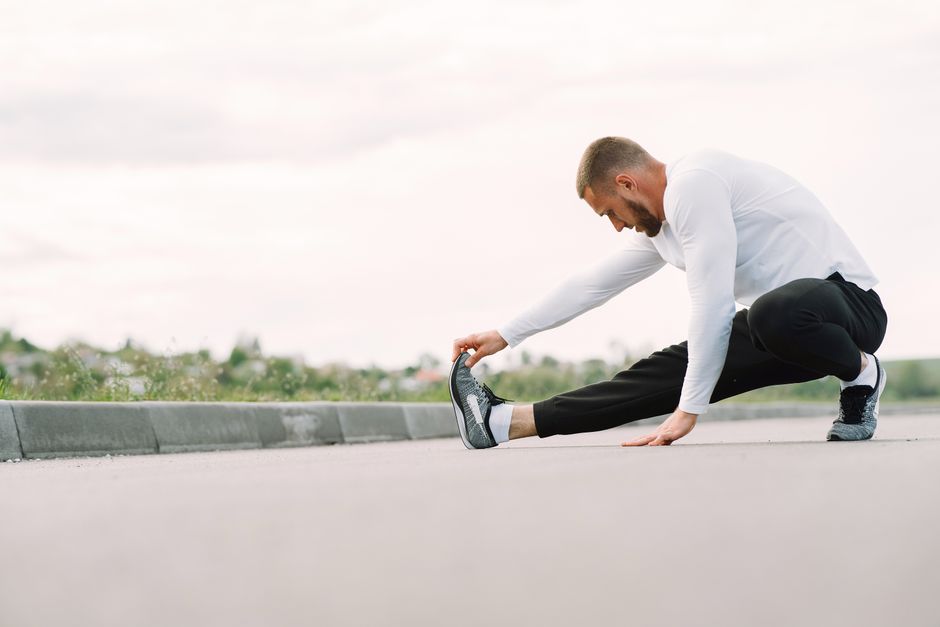
Steep descents and dragging cause the classic delayed soreness that peaks a day or two later. Long sits do something else: hips and low back stiffen from hours in one position, often in the cold. A few easy minutes of walking, hip openers and gentle back stretches at the end of the day help many hunters feel looser. A large review of recovery methods found massage the most effective of the techniques studied for reducing soreness and the feeling of fatigue, so a foam roller or a small massage gun is worth the space in the truck (compare options in best massage guns and best foam rollers). Slip into soft recovery slides after a day in heavy boots; our recovery shoes guide compares them. Ice baths aren’t needed after a hunt; you’ve probably been cold enough.
Multi-day hunts and opening week
- Pace the week. Hunt hardest in the first light and last light, rest in the middle of the day, and plan an easier day if your legs are wrecked. Fatigue makes for sloppy climbs and bad decisions.
- Eat and drink more than feels normal, especially in the mountains, and keep snacks with you.
- Look after your feet every night: dry socks, check for hot spots and blisters, dry the boots.
- After a big pack-out or drag, take it easier the next day. That’s the moment heart and back strain peak (see hunting injuries).
- After the season, take a week of easy activity, then get back to the walking and strength work from hunting fitness so next season starts from a better base.
Warning signs: more than tired
- Chest pain, shortness of breath, light-headedness or pain in the jaw, neck, back or arms, even if it passed: call 911 or see a doctor the same day.
- Skin that stays white, waxy, hard or numb after warming, or blisters on frost-exposed skin: medical care.
- Back pain that runs down a leg, with numbness or weakness, or doesn’t ease in a few days: doctor or physical therapist.
- Fever, rash or flu-like illness in the weeks after a tick bite: see a doctor and mention the bite.
- Any fall from a stand, even one you walked away from, with neck or back pain or a head bump: get checked.
Hunting recovery: FAQs
Why am I so tired after a day of hunting when I mostly sat?
Short nights, hours in the cold, the walk in and out, and the adrenaline of seeing game all add up. Shivering and staying warm cost energy too. Eat a real meal, drink water and get to bed early.
What should I eat after a long hunt?
A normal, hearty dinner: a protein (sports nutrition guidelines suggest about 15 to 25 grams after hard exercise), plenty of carbohydrate if you’re hunting again tomorrow, and fluids. Cold blunts thirst, so drink even if you’re not thirsty.
How do I dry hunting boots overnight?
Pull out the insoles, open the boots wide and use a boot dryer; the DryGuy DX’s maker says one to three hours. Avoid putting leather boots right against a stove or fire, which can damage them.
My back hurts after dragging a deer. What should I do?
Keep moving gently, avoid heavy lifting for a few days, and let it settle. If the pain runs down a leg, comes with numbness or weakness, or doesn’t improve in a few days, see a doctor or physical therapist.
Should I check for ticks after hunting?
Yes. The CDC recommends a full-body tick check and a shower within two hours of coming in from wooded or brushy areas, plus checking gear and clothing. See a doctor if you get a fever or rash in the weeks after a bite.