This article contains affiliate links: if you buy through them we may earn a commission, at no extra cost to you. Learn more.
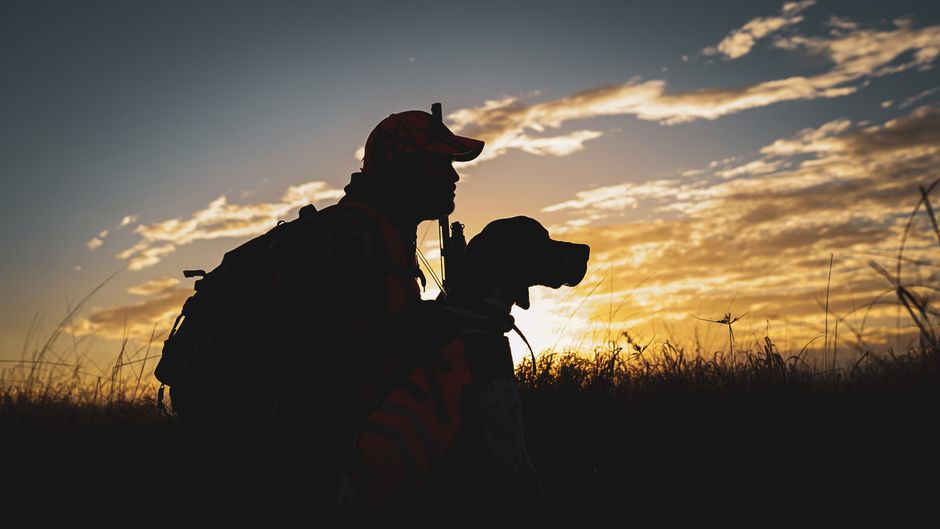
It’s August, the tag came through in the draw, and the elk hunt is eight weeks away. You load a pack with water jugs and walk up the steepest hill in the neighborhood. Halfway up, legs burning and lungs loud, it hits you: in the mountains this will be thousands of feet higher, twice as long, and on loose rock in the dark. That moment is why hunters train. Whether you sit in a whitetail stand two hundred yards from the truck, walk fields behind a bird dog all day, or backpack into elk country, hunting fitness makes the hunt safer and more fun. This page covers what hunting asks of your body, how to train for it with a loaded pack, leg and back strength, endurance for mountain hunts, and altitude.
General information, not medical advice. If you’re over 40, have heart disease or its risk factors, or have been inactive, see your doctor before starting a new training plan. Back to the hunting hub.
Why fitness matters for hunters
Two reasons: your heart and your joints. Studies that strapped heart monitors on deer hunters found that dragging a deer pushed heart rate to an average of 89% of the hunters’ treadmill maximum, and in a group of middle-aged men, 10 of 25 went higher in the field than on a maximal treadmill test. The researchers also found that the fitter the hunter, the smaller the relative strain. In other words, the same drag is a much smaller event for a fit heart. Our hunting injuries page covers the heart warning signs.
For joints, the best evidence comes from hikers carrying packs, which is what most hunters do. In a survey of 1,295 Appalachian Trail hikers, those who didn’t train beforehand had higher odds of a musculoskeletal injury, while strength, flexibility and endurance training were linked with fewer problems. At Philmont Scout Ranch, a heavier pack relative to body weight was one of the risk factors for injury.
What a hunt asks of your body
The Compendium of Physical Activities, the reference researchers use to rate effort in METs (multiples of resting energy use), shows how uneven hunting is:
| Activity | METs | What it feels like |
|---|---|---|
| Hunting large game from a stand, limited walking | 2.5 | Sitting still, getting cold |
| Hunting, general | 5.0 | Steady walking |
| Hunting deer, elk, large game | 6.0 | Brisk walking, some hills |
| Hiking with hunting gear | 9.5 | Hard climbing with a pack |
| Dragging a large game carcass | 9.8 | Very hard, short bursts |
So you need two engines: aerobic endurance for long days on your feet, and strength in the legs, hips, back and grip for climbing, carrying and dragging. Balance and ankle stability matter too, because most of this happens on uneven ground in poor light.
The baseline: what every hunter should do
The US Physical Activity Guidelines recommend 150 to 300 minutes a week of moderate aerobic activity for adults, plus muscle-strengthening work at least two days a week. That’s a good year-round floor for any hunter. Then, 8 to 12 weeks before the season, make it more specific. Build slowly: orthopaedic surgeons warn that a sudden jump in how often, how long or how hard you train is a classic cause of overuse problems like shin splints. A common pattern is to add a little each week and take an easier week every third or fourth week.
Hiking with a pack
The most specific training for a walking hunt is walking with weight, on hills, in the boots you’ll hunt in. Start with a light pack on easy terrain and add weight or distance gradually, not both in the same week. Two or three pack walks a week is plenty; make one of them longer each week. Use stairs, a steep hill or an incline treadmill if you live somewhere flat. A rucking pack that holds a weight plate high and still, like the GORUCK Rucker 4.0 with a 20 lb plate, is an easy way to start; your real hunting pack loaded with water jugs works too (you can pour the water out before a steep descent to spare your knees).
Break in your boots on these walks, never on the hunt itself, and practice with trekking poles if you’ll use them: in a study on Snowdon, hikers using poles had less muscle soreness and kept more leg strength in the days after a mountain hike. A few weeks before the season, do a dress rehearsal: full pack, full clothing, the same start time as your hunt, and the longest day you expect.
GORUCK Rucker 4.0 (15L) + 20 lb Ruck Plate
- Elevated plate pocket
- Padded hip belt included
- Pack + plate bundle
Black Diamond Trail Sport Trekking Poles
- About 500 g per pair
- 100-140 cm adjustable
- FlickLock aluminum
Polar H10 Heart Rate Sensor
- Chest strap
- Bluetooth + ANT+
- About $105
TriggerPoint GRID 1.0 Foam Roller
- 13 in hollow core
- Firm, textured
- About $40
Leg and back strength
Two strength sessions a week of 30 to 45 minutes cover what most hunters need. Pick one or two moves from each line, 2 to 3 sets of 8 to 12 reps, and stop a couple of reps short of failure:
- Climbing legs: step-ups onto a box or bench (add a pack as you get stronger), walking lunges, split squats.
- Downhill legs: slow lowering on step-downs and squats. Descents are where the thighs get sore.
- Hip hinge for the back: Romanian deadlifts or kettlebell deadlifts, glute bridges. This is the movement for lifting heavy loads off the ground.
- Carries and pulls: farmer’s carries and sled or rope drags (the closest gym move to dragging game), rows.
- Trunk: planks, side planks, bird dogs.
- Ankles and balance: single-leg balance, then on a pillow or with eyes closed. The National Athletic Trainers’ Association recommends at least three months of balance training after an ankle sprain.
If you hunt from tree stands, add something hunter education asks for anyway: practice putting on your harness, climbing and using the suspension relief strap at ground level before the season. A strong grip, shoulders and hips make that climb safer.
Endurance for mountain hunts
Backcountry elk, mule deer, sheep or goat hunts mean several days in a row of climbing, often on little sleep. Build your aerobic base with long, easy sessions (hiking, cycling, running or the stair climber) where you can still talk, then add one harder session a week: hill repeats with a pack, or steady climbing at a pace that makes talking difficult. A heart rate strap helps keep easy days easy. In the last few weeks, put two long pack days back to back on a weekend, which is the best rehearsal for day three of a hunt. Ease off for the final week so you arrive fresh. Our hiking training page goes deeper on long days with a pack.
Altitude
Many Western hunts start high. The CDC says anyone who isn’t acclimatized and sleeps at 8,000 feet (2,450 m) or higher is at risk of acute mountain sickness (headache, nausea, tiredness, poor sleep), and about a quarter of visitors sleeping above that height in Colorado get it. Fitness doesn’t protect you; how fast you go up does. The CDC advises against going from low elevation to sleeping above 9,000 feet in a single day, taking it easy and skipping alcohol for the first 48 hours, and going down if symptoms get worse. If you can, arrive a day or two early, sleep at a middle elevation, and expect your training pace to feel slower up high. People with heart or lung disease should talk to a doctor before a high-altitude hunt.
Every hunter, every age
Young hunters on their first season mostly need to be able to walk, carry their own small pack and stay warm; keep it fun and keep days short (see youth hunting). Older hunters benefit most from strength and balance work, because tree stand fall rates rise with age (peaking in hunters in their 50s in Pennsylvania) and the drag is hardest on an unfit heart. Lifelong whitetail hunters who sit near the truck still need to climb, drag and lift once a season, so a few months of walking and two strength sessions a week pay off. Then plan the day itself on hunt day, and bounce back with hunting recovery.
Hunting fitness: FAQs
How far ahead should I start training for hunting season?
Keep a year-round base of 150 to 300 minutes of moderate activity a week plus two strength sessions, as the US guidelines recommend. Then start hunt-specific pack walks and hill work 8 to 12 weeks out, building gradually, with a dress rehearsal a few weeks before.
What’s the best exercise for elk hunting?
Hiking uphill with a loaded pack, in your hunting boots. The Compendium rates hiking with hunting gear at 9.5 METs, among the hardest things hunters do. Add step-ups, lunges, deadlifts and carries for strength, and back-to-back long days before the trip.
How heavy should my training pack be?
Start light and build toward what you’ll actually carry on the hunt, increasing weight or distance gradually, not both at once. Research on backpackers links heavier packs relative to body weight with more injuries, so carry only what you need.
Can I train to avoid altitude sickness?
Not really. The CDC’s prevention advice is about ascent: don’t go from low elevation to sleeping above 9,000 feet in one day, take it easy for the first 48 hours, skip alcohol and go down if symptoms worsen. Fitness helps with the work, not with acclimatizing.
Do I need to train if I only hunt from a tree stand?
Yes. The climb, the drag and lifting the animal are short, hard efforts; heart-monitor studies found dragging a deer pushed heart rates close to maximum. Regular walking, leg and back strength, and practicing with your harness make those moments safer.