This article contains affiliate links: if you buy through them we may earn a commission, at no extra cost to you. Learn more.
The morning after a low-kick fight. Your lead thigh has colors you didn’t know skin could make, your ribs remind you of every body kick when you laugh, and your legs are heavy on the stairs. Even after a hard week of pads and sparring, or a long Saturday of point-fighting bouts on the tatami, you feel some version of this. Training is what makes you better, but recovery is when your body actually adapts. This page covers how kickboxers recover after sparring, fights and tournaments: head checks first, refueling, sleep, looking after legs and ribs, which recovery tools have evidence behind them, and how to plan the days and weeks after a bout.
General information, not medical advice. If something hurts more than it should, see a sports medicine doctor, physical therapist (PT) or certified athletic trainer (AT). Back to the kickboxing hub.
What a fight takes out of you
A kickboxing bout mixes all-out bursts with short pauses, and the cost adds up. In a 2026 study, elite kickboxers who cut at least 5% of their body weight in the 48 hours before competing showed lower heart rate variability, a marker of physical stress, right through fight day. Another study of elite kickboxers found every one of them was still dehydrated on competition day even after regaining the weight they’d cut. And a 2025 review found rapid weight loss in combat sports raised muscle damage markers and fatigue and lowered perceived recovery. Add the bruises, and it’s no surprise the days after a fight feel slow.
First: look after your head
- Watch the next 24–48 hours. The CDC notes concussion symptoms can show up hours or days later. Headache, dizziness, nausea, fogginess or sleeping much more than usual mean a check with a health care provider. A worsening headache, repeated vomiting, confusion or slurred speech mean the emergency department.
- No sparring while you have symptoms. After a knockout or a stoppage for head blows, WAKO bars competition for at least four weeks. A pro commission suspension covers fights, not the gym, so keep the sparring break yourself, and return only when a doctor clears you.
Rest after a bout
Kickboxing rules set few rest periods beyond the knockout rules. In California, a pro or amateur who has fought anywhere can’t fight in the state again for seven days without the commission’s written approval. Treat those as minimums for competing, not as a sign you’re recovered: after a hard ring fight, many coaches keep the first week to easy movement and technique, and add sparring back only once bruises and soreness let you train normally. (Muay Thai’s federation does write rest days into its rules; see Muay Thai recovery.)
Refuel and rehydrate
- Fluids: the ACSM and dietitians’ joint position suggests drinking about 125–150% of the fluid you lost over the hours after exercise; weighing yourself before and after hard sessions shows how much that is. An electrolyte drink helps if you sweat heavily or cut weight.
- Food: the same position suggests about 0.25–0.3 grams of protein per kilogram of body weight with carbohydrate soon after hard training (roughly 17–20 g of protein for a 150 lb fighter), then normal meals. Our nutrition page covers the rest.
- Weight-cut rebound: since kickboxers who had regained their weight were still dehydrated by urine tests on fight day, keep drinking steadily for a day or two after a cut.
Sleep: the best recovery tool
Research on athletes ties sleep to recovery and performance, and evening fights often wreck the first night. The CDC recommends at least 7 hours for adults, 8–10 for teens and 9–12 for children aged 6–12. Keep a regular wake time, avoid caffeine late in the day, and make up for a short night with a nap rather than a hard session. A sleep tracker can show patterns; see our sleep tracker guide.
Legs, shins and ribs
- Bruised thighs and shins: low kicks and checked kicks leave their mark. Give the bruised leg days off contact; do pad and bag work with punches and kicks from the other leg while it settles. A calf or shin that becomes tight, swollen and far more painful than the bruise explains needs the emergency department (compartment syndrome is rare but serious, and has been reported in a kickboxer after repeated calf kicks).
- Keep moving: easy cycling, walking or swimming the day after helps you feel less stiff. Our active recovery ideas have more options.
- Ribs: sore ribs from body kicks are common. A broken rib takes at least six weeks to heal; don’t wrap it tightly, keep breathing deeply, and see a doctor for shortness of breath, coughing blood or fever, as our injuries page explains.
- Skin: shower after every session and don’t share towels or gear, as NATA advises for contact sports; keep cuts covered and off the mats until healed. Air out and wipe down gloves, shin guards and headgear too.
Recovery tools: what the evidence says
- Massage: a review of 99 studies found massage was the most effective recovery method for muscle soreness and feeling fatigued. A massage gun like the Theragun Mini or Hypervolt Go 3 gives you a home version; keep it off fresh bruises, the shinbone itself, the neck and the front of the throat.
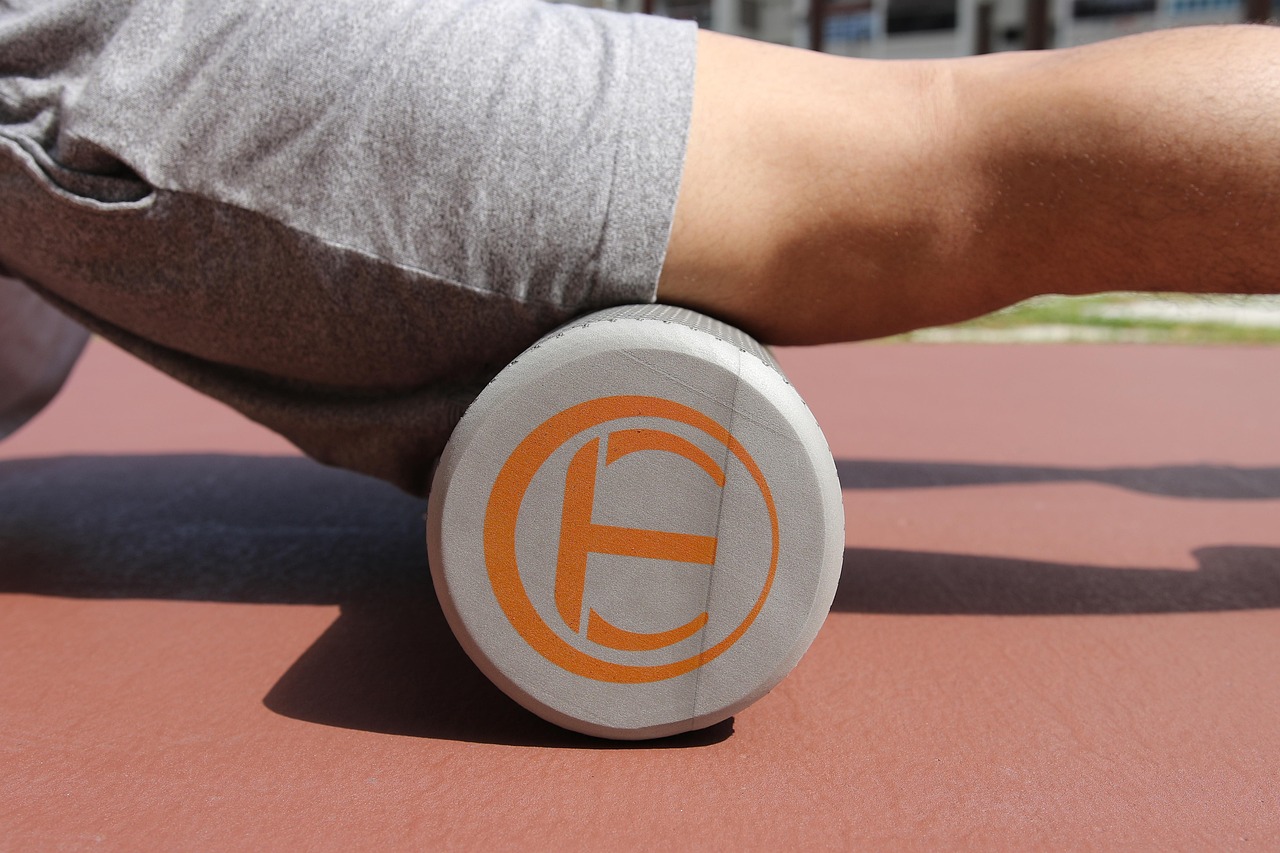
- Foam rolling: small benefits for soreness; a roller like the TriggerPoint GRID works well for quads, hips and upper back once the bruises have settled.
- Compression: a review found compression garments gave small recovery benefits, mostly for strength. Boots like the Hyperice Normatec Go are a comfortable option for tired calves.
- Ice baths: fine after a fight or a tournament day, but regular cold-water immersion right after strength training reduced long-term strength and muscle gains in a well-known study. Check with a doctor first if you have a heart condition. See our cold plunge guide.
- Comfortable feet: cushioned slides like OOFOS are nice on sore, kicked-up feet between sessions.
Theragun Mini (3rd Gen)
- 3 speeds, 3 attachments
- Bluetooth app
- About $220
TriggerPoint GRID 1.0
- 13 in, hollow core
- Multi-density surface
- About $40
Hyperice Normatec Go
- 7 pressure levels
- Wireless calf sleeves
- About $379
OOFOS OOahh Recovery Slide
- APMA Seal of Acceptance
- Machine washable
- About $60
Tournaments: recovering between bouts
WAKO tournaments can mean several short point-fighting or light-contact bouts in one day on the tatami, or a ring fight each day for several days, with a weigh-in each morning at major events. Between bouts: sip an electrolyte drink, eat a carbohydrate-based snack or meal as soon as you can stomach it, get any cuts and bruises looked at by the event doctor, keep your legs moving gently, and get to bed early. California requires a doctor’s exam before every bout in a tournament format event. Don’t cut weight between tournament days.
Fight camp and the season
The International Olympic Committee’s consensus on training load names poor load management, including sudden jumps in training, travel and stress, as a major injury risk. Plan easy days after hard sparring, a lighter week every few weeks, and real time off after a fight before the next camp. Older fighters, including masters competitors, usually need more time between hard sessions. A wearable that tracks sleep and heart rate variability can help you spot when you’re running down; our kickboxing wearables page and our HRV guide explain how. For cousins of this sport, see boxing recovery, MMA recovery and our MMA recovery gear guide.
Kickboxing recovery: FAQs
How long does it take to recover from a kickboxing fight?
It varies with the bout, the bruises and any weight cut, and there’s no official timeline. WAKO bars competition for at least four weeks after a knockout, and California requires seven days between bouts. Let soreness, bruises and, after head blows, a doctor’s check guide your return to sparring.
How do I recover a bruised thigh from low kicks?
Give it time off contact and keep training punches, footwork and the other leg until it settles. A tight, swelling, very painful calf or shin, or pain in one spot of the shinbone that lasts for weeks, needs a doctor.
Should I train the day after a fight?
Easy movement like walking, cycling or swimming is fine if you feel up to it and have no concussion symptoms. Skip sparring and hard pad work until your body, and the rules, say you’re ready.
Are ice baths good for kickboxers?
They can help you feel fresher after fights or tournament days, but using them after every strength session may blunt strength gains. Check with a doctor first if you have a heart condition.
How much sleep do kickboxers need?
The CDC recommends at least 7 hours for adults and 8 to 10 for teens. Many athletes do better with more during hard training blocks; a regular schedule and naps help after late fights.