This article contains affiliate links: if you buy through them we may earn a commission, at no extra cost to you. Learn more.
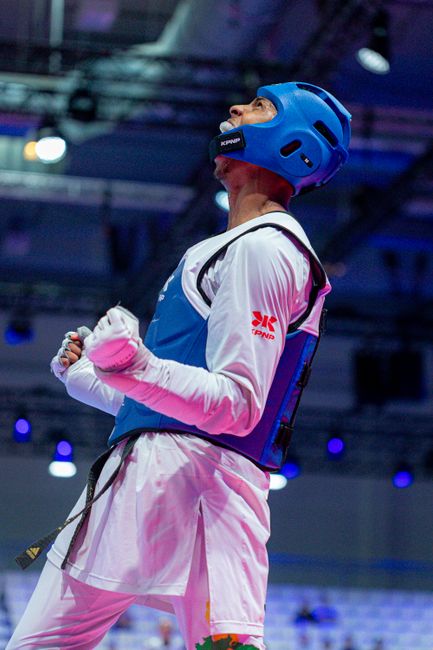
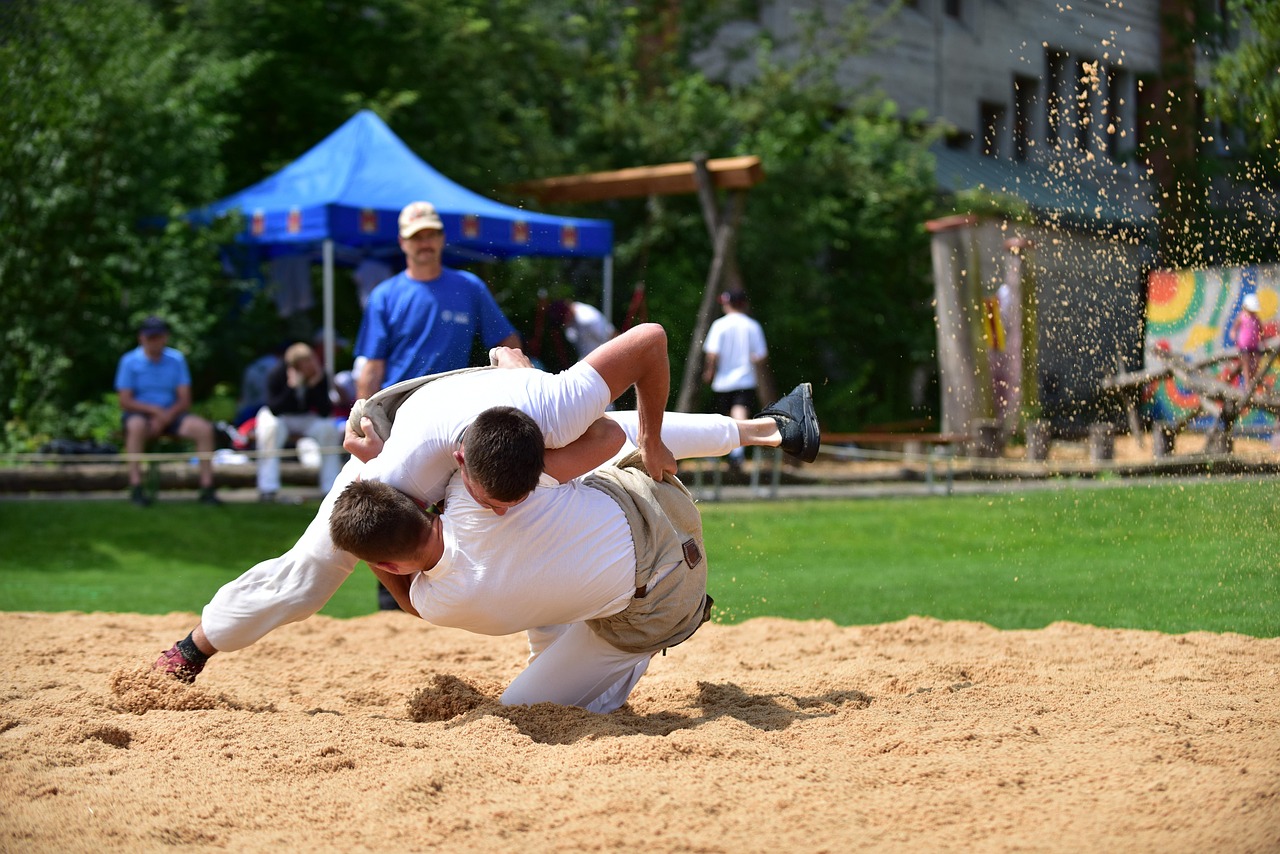
A high school gym on a Saturday, eight mats taped together, a buzzer going off somewhere every few seconds. You checked your bracket on your phone at 7 a.m., and your first match might be at 9:40, or 1:15. Parents line the bleachers with coolers, coaches shout from three directions, and somewhere a ten-year-old just won her first gold medal in taekwondo. Tournament day in the martial arts is long, loud and mostly waiting. How you handle the weigh-in, the waiting and the food between matches matters almost as much as your game plan. Here’s a plain guide for karate, taekwondo, judo and BJJ, from a first kids’ tournament to an international event.
Rules vary by organization and change often; always read your event’s information packet. General guidance, not medical or nutrition advice. Part of our martial arts section. Fighting in MMA or boxing? See MMA fight day.
Weigh-ins: when, how, and what happens if you miss
The biggest difference between the arts is when you step on the scale. That one detail should shape your whole week.
| Art (rule book) | Official weigh-in | Second check | Missing weight |
|---|---|---|---|
| BJJ (IBJJF) | Right before your first match, wearing your gi; you step on the scale once | None | Eliminated |
| Judo (IJF events) | The day before, at 16:00 local time | Random weigh-in the morning of competition: no more than 5% over the category limit | Excluded from the competition |
| Taekwondo (USA Taekwondo, following World Taekwondo) | The day before; two attempts within the window | Random weigh-in on the morning (typically 5% of athletes): no more than 5% over | Disqualified |
| Karate (WKF) | No later than the day before, one step on the scale | None; tolerance 0.2 kg for men, 0.5 kg for women | Disqualified (kiken) |
Local and club tournaments may run weigh-ins differently from these rule books, so check the packet for the exact time and any allowance. Kids under 18 in USA Taekwondo weigh in wearing clothes, with a 0.2 kg allowance, and one same-sex parent may come into the room.
Why it matters for your health. When the weigh-in is right before your first match, as in IBJJF BJJ, there is no time to recover from a cut: you fight dry. Judo and taekwondo’s random morning checks exist partly to limit how much weight athletes can put back on after a day-before weigh-in. The safest plan is the same everywhere: pick a division you can make at your normal, well-fed, hydrated weight. Our martial arts nutrition page covers safe weight management in detail.
Divisions: age, belt and weight
- BJJ (IBJJF): age divisions from “Mighty Mite” at 4 through Juvenile (16–17), Adult (18+) and Master 1 (30+) up to Master 7 (61+), split by belt and weight, plus the open-weight “absolute”. Adult match length grows with belt: 5 minutes for white up to 10 for black.
- Judo (IJF): cadets are 15–17 in the calendar year, then juniors and seniors; senior contests last 4 minutes, with golden score if tied.
- Taekwondo (USA Taekwondo): Dragon (6–7), Tiger (8–9) and youth divisions, then World Class cadets (12–14), juniors (15–17) and seniors, divided by belt, age and weight; cadets also have height categories.
- Karate (WKF): under-14, cadet, junior, under-21 and senior kumite by weight, plus kata (forms). You get a rest period between bouts equal to the bout length.
Checks before you step on the mat
- Uniform check: the IBJJF measures sleeves, pants, collar and belt (you get three tries), and you can’t change gis after weighing in for your first match. Judo has its own judogi control.
- Skin check: IBJJF gi inspectors look for skin lesions; an athlete with one goes to the medical area and needs a doctor’s statement that it isn’t contagious. The tournament doctor has the final say.
- Nails, hair, jewelry: short nails in every art; USA Taekwondo won’t let you weigh in until your nails are short, and bans rings, necklaces, watches and earrings in sparring.
- Protective gear: taekwondo requires head, trunk, forearm, shin and groin protectors and a mouthguard (at least 3 mm, clear or white); WKF karate requires mitts, a gum shield, body protector, shin and foot pads, and a helmet for under-14s.
Fueling before and between matches
Tournament days are long, with short, intense bursts. A BJJ review notes athletes often fight four to six matches in one day, more if they enter the absolute. The goal is to stay fueled and hydrated without a heavy stomach.
- The night before and morning of: a normal, carbohydrate-rich dinner, then breakfast about 1–4 hours before your expected start. ACSM and sports dietitians suggest 1–4 g of carbohydrate per kg of body weight in that window, keeping fat and fiber low. Toast or a bagel with honey, oatmeal, a banana and yogurt are common picks.
- After a day-before weigh-in: the International Society of Sports Nutrition (ISSN) says rehydrating with an oral rehydration drink comes first, followed by fast carbohydrates at a rate your stomach tolerates, up to about 60 g an hour, with little fiber.
- Between matches: small, familiar snacks: half a banana, a few pretzels, rice cakes, a sports drink, sipped water. If the next match is more than a couple of hours away, a small sandwich works for many athletes.
- Fluids: sip regularly; don’t chug. The National Athletic Trainers’ Association warns that drinking far more than you sweat can cause dangerously low blood sodium. An electrolyte drink helps on hot days and long brackets.
Pack it the night before. Many athletes bring a marked bottle like the Nalgene Sustain 32 oz, low-sugar electrolyte tablets like Nuun Sport, a carb-and-electrolyte mix like Skratch Labs Hydration and, for grapplers, Defense Soap body wipes for between rounds on shared mats.
Nuun Sport Tablets
- 300 mg sodium per tablet
- 1 g sugar
- Informed Choice (maker)
Skratch Labs Hydration Sport Drink Mix
- 20 servings
- Lemon lime
- NSF Certified for Sport (maker)
Nalgene Sustain 32 oz Wide Mouth
- 32 oz, wide mouth
- BPA-free Tritan
- About $16
Defense Soap Body Wipes (2 x 40)
- Tea tree and eucalyptus oils
- No-rinse, extra-wet cloths
- 80 wipes
Warming up, waiting and nerves
Brackets run late, so warm up in stages: a light 10-minute warm-up when your division is called to the area, then a short, sharper one (movement drills, a few fast entries or kicks) when you’re two or three matches out. Between matches, stay warm with a hoodie and light movement instead of sitting cold for an hour. For nerves, many coaches suggest a simple routine: slow breaths with a longer exhale, two or three key reminders, and a plan for the first exchange. More ideas are in our mental training tools guide.
If someone gets hurt mid-tournament
Medals can wait. The CDC says anyone with a suspected concussion leaves competition for the day and returns only when a health care provider clears them; the IJF keeps judoka with a suspected concussion out of competition for 7 days. In IJF cadet events, a cadet who loses consciousness in a choke cannot continue. Dizziness, confusion, a racing heart or cramps after a hard weight cut are warning signs too: stop and get the event’s medical staff. Our martial arts injuries page lists the emergency signs.
When the last match is done, start recovering on the drive home with fluids, a real meal and a shower; the rest is on martial arts recovery.
Tournament day: FAQs
Do you weigh in with your gi on at a BJJ tournament?
At IBJJF gi events, yes: you weigh in wearing the gi you’ll compete in, right before your first match, and you can’t swap gis for that first match afterwards. Check your event, since some local organizations use different rules or weigh-in windows.
What is a random weigh-in in judo and taekwondo?
After the official weigh-in the day before, some athletes are drawn for a second weigh-in on competition morning. In IJF judo and USA Taekwondo events, you can’t be more than 5% above your category limit at that check, or you’re out.
What should I eat between matches?
Small, familiar, easy-to-digest carbohydrates and fluids: fruit, pretzels, rice cakes, a sports drink. Keep fat and fiber low until your last match, and don’t try a new food or supplement on tournament day.
How early should we get to a martial arts tournament?
Arrive in time for check-in, weigh-in and uniform checks with a buffer, usually at least an hour before your division’s estimated start. Brackets can move earlier as well as later, so stay near your mat area.
Can kids cut weight for a tournament?
It isn’t a good idea. The American Academy of Pediatrics’ report on weight control in young athletes names martial arts among the weight-class sports where kids try to drop weight, describes the unhealthy methods, and steers families toward healthy, gradual approaches. Let a child compete at their normal weight, and be wary of any program that asks kids to sweat or starve to make a division.