This article contains affiliate links: if you buy through them we may earn a commission, at no extra cost to you. Learn more.
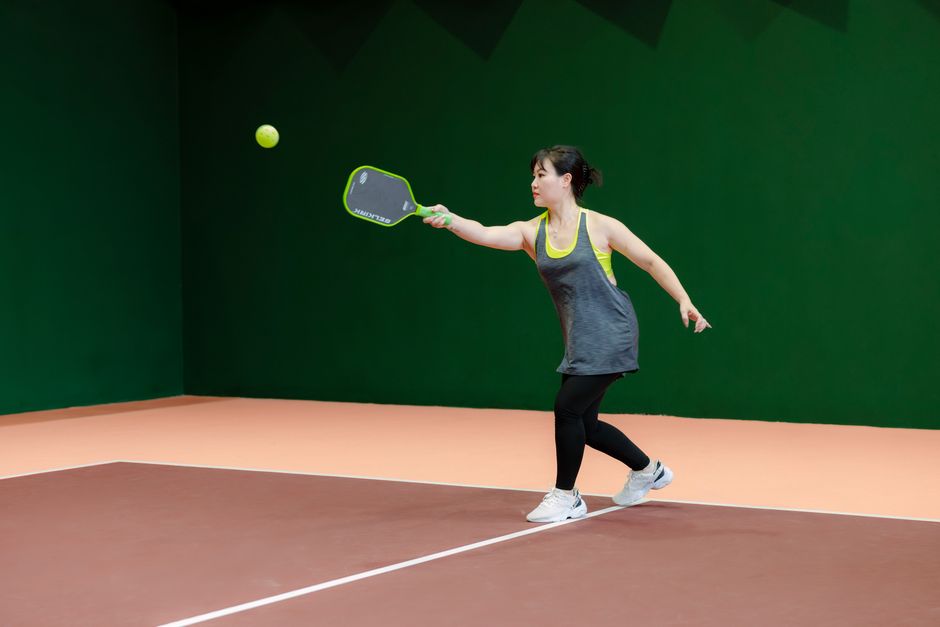
Tuesday, 8:15 a.m., open play at the park courts. A lob goes up, a 67-year-old backpedals to chase it, and his heels catch. He puts a hand down to stop the fall. Everyone knows the sound a wrist makes on concrete. Pickleball is one of the friendliest ways to stay active for life, but it sends more players to emergency rooms every year, and research now shows who gets hurt, how, and what lowers the risk. This page covers the common pickleball injuries, from falls and wrist fractures to Achilles tears and eye hits, plus the warning signs that mean “stop and get it checked”.
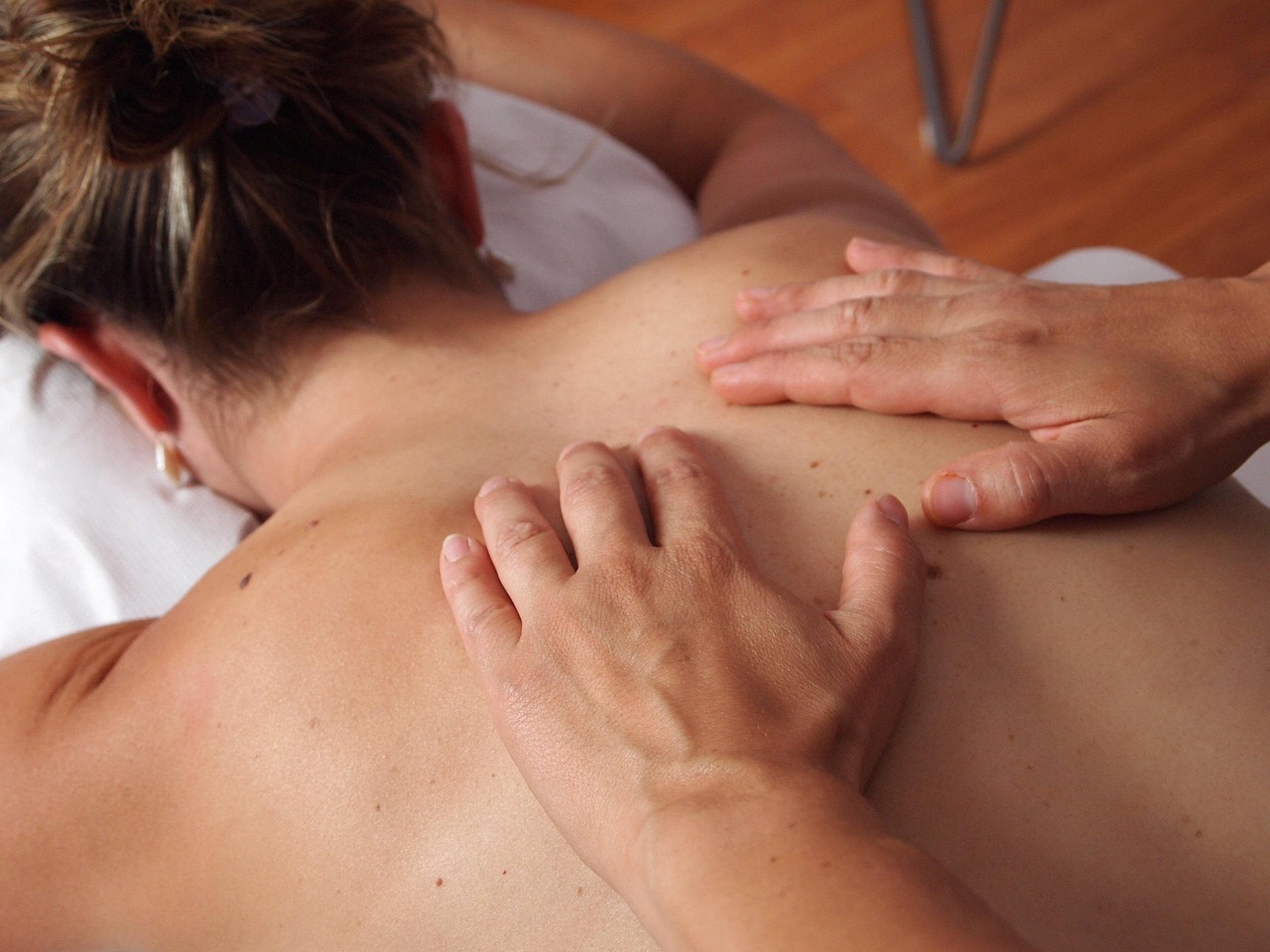
This page is general information, not medical advice. If you’re hurt, see a sports medicine doctor, a physical therapist (PT) or a certified athletic trainer (AT). For the bigger picture of the sport, start at our pickleball hub.
What the numbers say about pickleball injuries
Several studies have used the U.S. emergency-room injury database (NEISS). One of the largest, covering 2013 to 2022, estimated about 66,000 pickleball injuries treated in U.S. emergency departments. The average patient was 64, and about 61% were aged 65 to 80. Falls caused about two in three injuries. Fractures were the most common diagnosis (about 33%), just ahead of sprains and strains, and the wrist was the body part hurt most often. Another study counted a 90-fold rise in pickleball fractures between 2002 and 2022, mostly in the arm after a fall, and mostly in women over 60.
ERs see only the worst of it. In a 2025 national survey of 1,758 regular players (average age 63), 69% reported some injury or physical complaint in the past year, and 41% had one that stopped them playing for at least a day. The knee was named most often, then the lower leg and foot, shoulder, back and elbow, and about one in three were playing through pain. Playing more often, being male and having fewer years in the sport all went with more injuries.
The most common pickleball injuries
Falls and wrist fractures
The classic pickleball injury is a backward or sideways fall, often while backpedaling for a lob, with a hand thrown out to break it. The American Academy of Orthopaedic Surgeons (AAOS) says a fall onto an outstretched arm is the most common cause of a broken wrist (distal radius fracture), and that in people over 60 many come from a simple fall from standing height, especially with osteoporosis. In a study of players 60 and older, women were about nine times as likely as men to break a wrist playing pickleball, while men were more likely to strain or sprain something.
Achilles tendon and calf
A sudden push-off toward the kitchen line, a pop, and the feeling of being kicked in the back of the leg: that’s how AAOS describes an Achilles rupture, typically when the calf is stretched quickly while pushing off or landing. In one large practice, players who ruptured the Achilles in pickleball were much older (median age 60) than those hurt in tennis (45), and 82.5% were over 50. In another group of 28 pickleball Achilles ruptures (average age 64), 68% happened in the first month of playing, and 32% on the very first day, and fewer than half got back to the court. The message: build up slowly when you’re new, and warm up the calves. If you felt a pop and can’t rise up on your toes, see a doctor soon.
Ankle sprains and knees
Quick side steps and sudden stops roll ankles. Among younger players in the ER data, twisting and rolling were the most common ways to get hurt, and in a review of pro tour injuries, ankle sprains were the most frequent lower-body injury. The National Athletic Trainers’ Association (NATA) says the strongest risk factor for a sprain is a previous one. It recommends a balance program of at least three months, and a brace or tape for players who have sprained before. Knees top the list in surveys of everyday players, and AAOS notes that playing too hard or too long can make arthritic knees swell, and shorter sessions may help.
Shoulder and “pickleball elbow”
In a university clinic’s five years of pickleball patients, rotator cuff tears made up 70% of shoulder cases, and lateral epicondylitis (the same condition as tennis elbow) made up 75% of elbow cases. AAOS explains that most rotator cuff tears come from slow wear with age, more after 40, and that pain at night or when lifting the arm is a reason to see a doctor. Tennis elbow brings burning pain on the outside of the elbow and a weaker grip; AAOS says 80–95% of patients do well without surgery. A survey of recreational players found acute arm injuries were more likely in those who played more than two hours at a time, played on back-to-back days (about five times the risk) or held a tight grip on baseline shots. Lessons on stroke technique help here; AAOS lists “take lessons” among its top tips.
Eye injuries
The American Academy of Ophthalmology (AAO) notes that a served ball can travel up to 40 mph and reach the other side in under half a second, and doubles players at the kitchen line are close together. An analysis in JAMA Ophthalmology estimated about 1,262 pickleball eye injuries in U.S. emergency rooms in 2024 alone, rising quickly since 2021, with more among players 50 and older. Most are minor, but reported cases include retinal detachment and orbital fractures. Many come from falling face-first, not just from balls and paddles. Eye protection isn’t required, and in one 2026 study only about 20% of pros and 45% of amateurs wore it. The AAO recommends polycarbonate goggles with front and side coverage. The current test standard for racket-sport eye protectors, ASTM F3164-24, includes pickleball. The AAO says to see an ophthalmologist right away for any change or loss of vision, or substantial pain, bleeding or bruising.
Head knocks and concussion
Falls, partner collisions and paddles can all hit heads. Among kids in the ER data, getting hit by a paddle was the most common way to get hurt. The CDC’s HEADS UP rule applies here too: if a concussion is suspected, stop playing for the day and get checked by a health care provider before returning. Call 911 for the danger signs, such as worsening headache, repeated vomiting, slurred speech, unusual drowsiness or one pupil larger than the other.
Older players: what the studies show
- Fractures: in one ER study, players 65 and older were about three times as likely as younger players to have a fracture, and also about three times as likely to have been hurt in a slip, trip or fall. Younger players more often strained or sprained something lunging or stopping suddenly.
- Bones: AAOS warns the risk is higher if you have weaker bones from osteoporosis. If you know you have osteoporosis, or you’ve broken a bone in a minor fall before, ask your doctor about your fracture risk before you play.
- Heart events: not every ER visit is an injury. In a 2004–2023 analysis, exertional heart events (such as chest pain during play) made up about 14% of pickleball-related ER cases, more among players 60 and up. The CDC’s heart attack warning signs (chest pain or pressure, shortness of breath, feeling faint, pain in the jaw, neck, back or arm) mean stop and call 911.
- Falls in general: the CDC says about 1 in 4 adults 65 and older reports a fall every year. Pickleball may also help: a small study found older players had better balance and leg strength than similar non-players.
Pickleball injury prevention: what helps
- Warm up, then hit easy first. AAOS suggests light calisthenics and stretching, then easy hitting before going all-out.
- Don’t backpedal. Turn and move back with a crossover step, or let the lob go.
- Train balance and strength. In a small 2025 study of older players who had fallen or feared falling, a 10-week strength, balance and footwork program cut fear of falling. Five months later, 25% of the trained group had fallen during play, compared with 44% of those who didn’t train. Our pickleball training page has a plan.
- Wear court shoes. AAOS recommends shoes made for pickleball or tennis, with side support and the right grip for the court. Running shoes aren’t built for lateral moves.
- Ramp up slowly when you’re new, and space your sessions. Both the Achilles and the arm studies point the same way: the first weeks and back-to-back days are when people get hurt.
- Protect your eyes with sport goggles rated for racket sports (ASTM F3164), not just everyday glasses.
- Stay hydrated and clear the court of stray balls and wet spots. AAOS says dehydration can bring weakness and slower reactions. More at pickleball tournament day.
Gear many players use
Gear can’t prevent injuries on its own, so ask your PT or athletic trainer what fits you. Common picks: wraparound goggles like the IMPACTABLE Pickleball Safety Glasses (the listing cites ASTM F3164), a court shoe like the ASICS Gel-Renma, and, after a sprain, a lace-up brace like the ASO EVO Ankle Stabilizer. More choices are in our ankle brace guide and knee sleeves guide.
IMPACTABLE Pickleball Safety Glasses
- Listing cites ASTM F3164, F803 and ANSI Z87.1
- Wraparound clear lens
- Several frame colors
ASICS Gel-Renma
- Sold as a pickleball shoe
- TRUSSTIC stability piece
- Runs narrow (listing)
ASO EVO Ankle Stabilizer
- Lace-up with figure-8 straps
- Fits left or right foot
- Low profile, fits in court shoes
When to see a sports medicine doctor, PT or athletic trainer
- Call 911: chest pain or pressure, fainting, severe shortness of breath, concussion danger signs, or a fall after which the player can’t get up or put weight on a leg.
- Emergency room or same day: a wrist or ankle that looks deformed, numb or pale fingers or toes, a pop in the calf with trouble standing on your toes, or any eye injury that changes your vision.
- Within a few days: a sprain you can’t walk on normally, swelling in the knee, or a suspected concussion.
- Soon: shoulder pain at night, elbow pain that weakens your grip, or any pain that keeps coming back after play.
A sports medicine physician diagnoses, a physical therapist guides rehab, and an athletic trainer is often the medical person at larger tournaments. Return step by step, from walking to drills to games, only when each step causes no pain or swelling. Look after the basics on our pickleball recovery page. See also our soccer injuries page.
Pickleball injuries: FAQs
What is the most common pickleball injury?
In emergency rooms, it’s an injury from a fall. Falls cause about two in three cases, and fractures (especially the wrist) are the top diagnosis, with sprains and strains close behind. In surveys of everyday players, knee, leg, shoulder, back and elbow problems, many from overuse, are the most common complaints.
Why do so many older pickleball players break their wrist?
Most fall backward or sideways and catch themselves with a hand. AAOS notes that after 60, and especially with osteoporosis, a fall from standing height can break the wrist. In one study of players 60 and older, women were about nine times as likely as men to break a wrist. Avoiding backpedaling and training balance are the main fixes.
Should I wear eye protection for pickleball?
The American Academy of Ophthalmology recommends it: polycarbonate goggles with front and side coverage. Eye injuries in pickleball have risen sharply, and serious ones include retinal detachment. Look for eyewear tested to ASTM F3164, which covers pickleball. It isn’t required in casual or pro play.
How do I avoid an Achilles tear in pickleball?
Ease in. In one group of pickleball Achilles ruptures, most happened in the first month of play. Warm up the calves, build playing time over weeks and add calf-strength work. A pop and trouble standing on your toes means see a doctor.
Is pickleball safe for seniors?
For most people it’s a great way to stay active and social. The main risks are falls, fractures and heart strain, so if you have a heart condition, osteoporosis or balance problems, talk to your doctor first and build up slowly.