This article contains affiliate links: if you buy through them we may earn a commission, at no extra cost to you. Learn more.
The night before a first meet, a lifter lays everything out on the bed: singlet, t-shirt, belt, knee sleeves, wrist wraps, long socks, two pairs of shoes, chalk, a water bottle and far too many snacks. A week earlier she checked every item against the federation’s rules, because at a meet, every piece of gear is inspected before you lift. Powerlifting gear isn’t complicated, but the rules are specific, and the right few pieces make heavy training more comfortable for years. Here’s what’s worth buying, in what order, and what’s legal on the platform.
Buying guide · Our Powerlifting buying guide compares the gear we'd pick, with prices and sizing:
First, know your federation’s gear rules
If you lift in the IPF or Powerlifting America, your singlet, belt, knee sleeves and wrist wraps (and any suits or bench shirts) must come from makers on the IPF Approved List of Apparel and Equipment, at every level from local meets to Worlds; the current list runs through December 31, 2026. USA Powerlifting only requires listed brands for supportive squat suits, bench shirts and deadlift suits; everything else just has to meet its size rules. The USPA sets its own specs. Size limits under IPF rules:
| Item | IPF limit |
|---|---|
| Belt | At most 10 cm wide and 13 mm thick; prong or lever buckle; worn outside the singlet |
| Knee sleeves | Plain neoprene, at most 7 mm thick and 30 cm long; no straps or Velcro |
| Wrist wraps | At most 1 m long and 8 cm wide; thumb loop off during the lift |
| Singlet | One piece, form-fitting, legs 3 to 25 cm; t-shirt underneath for all lifts |
| Socks | Shin-length socks covering the shins for the deadlift; not touching sleeves |
| Shoes | Indoor sports, lifting shoes or deadlift slippers; flat sole no thicker than 5 cm |
The full equipment rules are on our powerlifting rules page. Lists change, so check the current one before you buy for a meet.
Our quick picks
Gymreapers 10mm Lever Belt
- 4 in wide, 10 mm leather
- Steel lever buckle
- IPF Approved List brand
Dark Iron Fitness Leather Lifting Belt
- 4 in wide, genuine leather
- Double-prong buckle
- About $60
Gymreapers 7mm Knee Sleeves
- 7 mm neoprene, 1 pair
- IPF Approved List brand
- About $60
Gymreapers 18" Wrist Wraps
- 18 x 3 in
- Reinforced thumb loop
- IPF Approved List brand
LiftingLarge Deadlift Socks
- Knee length, cushioned shin
- Listed as powerlifting legal
- About $16
Belts
A belt gives your midsection something to brace against on heavy squats and deadlifts. Many coaches suggest learning to brace without one first, then adding a belt for your heaviest sets. Powerlifting belts are the same width all the way around (unlike tapered bodybuilding belts) and usually 10 or 13 mm thick; 10 mm is the more comfortable choice for most lifters. Lever buckles are quick to lock and release between sets; prong buckles are easier to adjust if your weight changes.
- For meets anywhere: the Gymreapers 10mm lever belt (about $150) is 4 inches of leather with a suede finish and a steel lever buckle. Gymreapers’ lever and prong belts are on the IPF Approved List.
- A classic lever belt: the Inzer Forever Lever 10mm (about $130 from the maker, sizes XS to 5XL) has been a powerlifting staple for years, and Inzer lever belts are on the IPF list.
- For training on a budget: the Dark Iron Fitness leather belt (about $60) is 4 inches wide with a double-prong buckle, sizes XS to XL (22–49 in). It isn’t on the IPF list, so it suits training, USAPL and USPA meets rather than IPF ones.
A belt is support for lifting, not a treatment for back pain. If your back hurts, see a sports medicine doctor or physical therapist; our powerlifting injuries page has more.
Knee sleeves
Knee sleeves keep the knees warm and feel supportive in the squat. Powerlifters usually wear 7 mm sleeves, the IPF maximum, fitted snugly. In a small 2021 study in the Journal of Strength and Conditioning Research (Machek and colleagues, 15 trained men), squat maxes were about 5 kg higher in neoprene sleeves than in a thin control sleeve, and how tight the sleeves were made no difference. Most lifters simply like how they feel.
- Meet-legal pick: the Gymreapers 7mm knee sleeves (about $60 a pair, with a gym bag). Gymreapers sleeves are on the IPF Approved List.
- Premium training sleeve: the Rehband RX 7mm (about $90 a pair) is a popular non-slip sleeve; Rehband wasn’t on the IPF list we checked, so use it for training or federations without a brand list.
More sleeves, sizing tips and how tight is too tight are in our best knee sleeves guide. In the IPF you may not wear sleeves under a long-legged singlet, and they can’t touch your socks.
Wrist wraps
Wraps keep the wrists stacked under a heavy bench and a low-bar squat. Stiffer, longer wraps give more support; shorter, softer ones are easier to move in. The Gymreapers 18-inch wraps (about $20) are 18 by 3 inches with a thumb loop, well inside the IPF’s 1 m by 8 cm limit, and Gymreapers wraps are on the IPF list. Remember to slip the loop off your thumb before you lift at a meet. Our wrist wraps guide compares more.
Shoes
Many powerlifters own two pairs. For the squat, a shoe with a firm, slightly raised heel helps many lifters sit upright and hit depth; for the deadlift, most lifters want the thinnest, flattest sole possible, such as flat canvas sneakers or deadlift slippers. For the bench, wear whichever pair keeps your feet planted. Under IPF rules the sole can’t be thicker than 5 cm, must be flat underneath, and shoes must be laced or strapped.
- Powerlifting squat shoe: the inov-8 Fastlift 360 (about $130 on Amazon, seen October 2026; prices vary by size) has a 16.5 mm drop, a hook-and-loop strap and an external heel cage, at about 360 g (12.7 oz) per shoe.
- Higher heel: the Reebok Legacy Lifter III (about $220) has a taller heel (about 22 mm stated), and suits high-bar and narrow-stance squatters and anyone who also does Olympic lifts.
- Deadlift: flat-soled canvas sneakers or deadlift slippers. Nothing sticky on the soles: the IPF bans adhesives and chalk or resin on footwear, though a spray of water is allowed.
Singlet, t-shirt and socks
You only need these for meets. A singlet is a one-piece lifting suit; at IPF and Powerlifting America meets it has to be from an approved maker, such as the Gymreapers Apex singlet (Gymreapers singlets are IPF ID 1 on the list), SBD, Eleiko, Titan, Inzer or Strength Shop. Under it, wear a plain t-shirt with a round neck and sleeves that end between the shoulder and the elbow. For the deadlift you need shin-length socks that cover your shins; the LiftingLarge deadlift socks (about $16) are knee-length with extra cushioning over the shin.
Chalk
Chalk (magnesium carbonate) is the one grip aid every federation allows, on your hands and on your upper back for squats. Cannon Sports gym chalk (about $18 for eight 2 oz blocks) is simple and lasts a long time. Lifting straps aren’t allowed at IPF meets, so train your deadlift grip with chalk too.
A home gym for powerlifting
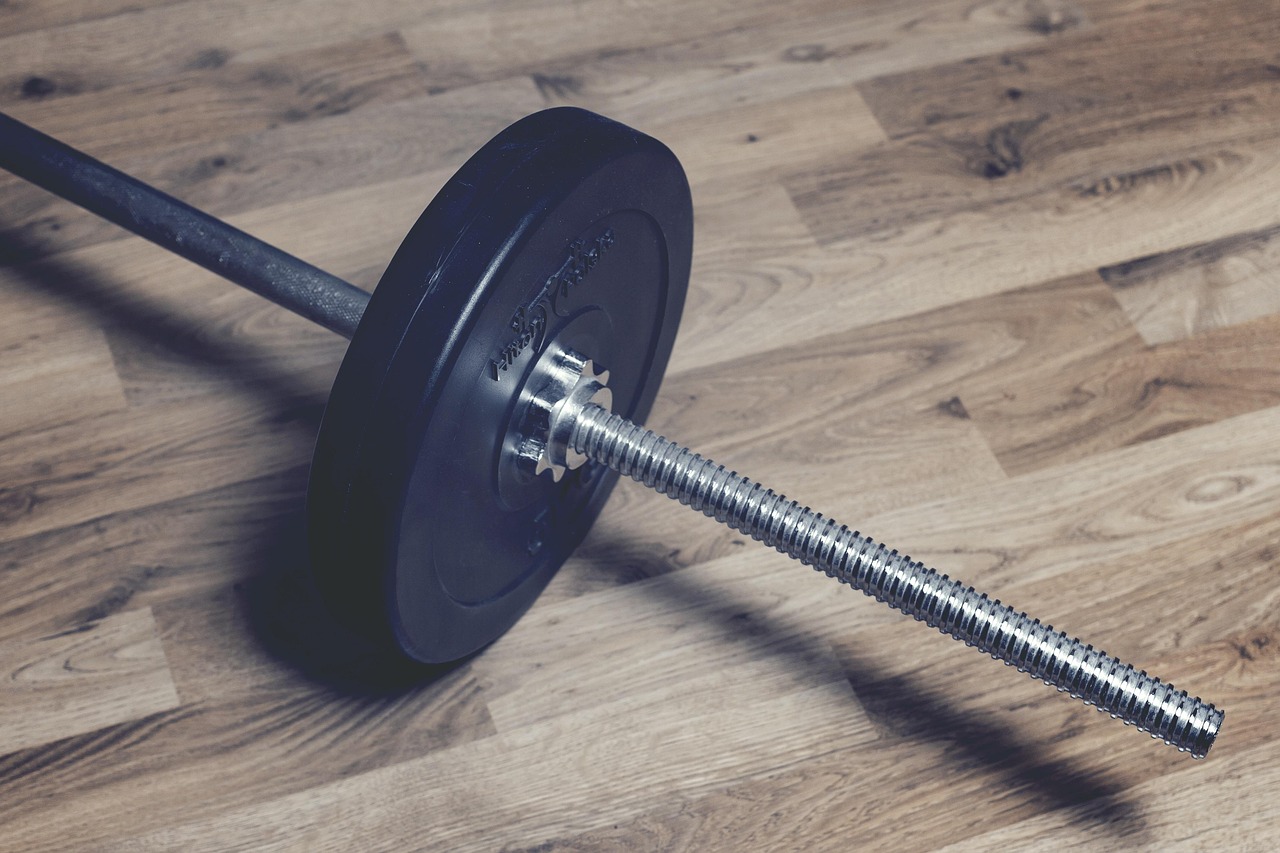
A rack with safety arms, a bar, plates and a sturdy bench cover all three lifts. The AAP notes that most resistance-training injuries treated in US emergency rooms happen on home equipment with unsafe behavior and no supervision, so the safety arms aren’t optional. Competition powerlifting bars are 28 to 29 mm thick with grip markings 81 cm apart, the bench press grip limit, and many home bars copy those markings.
- Rack: the REP Fitness PR-1100 (about $380) is a 700 lb rated power rack with two full-length safety bars, J-cups and a pull-up bar, and it stands without bolting down.
- Bar: the CAP Pro Series 7 ft Olympic bar (about $149) is rated to 1,200 lb with bronze bushings and a phosphate finish; a good all-round bar to start.
- Plates: the CAP bumper plate set (about $232 for the 160 lb set) has 2-inch holes and steel hubs; bumpers protect the floor on deadlifts.
REP Fitness PR-1100 Power Rack
- 700 lb rated
- Full-length safety bars
- About $380
CAP Pro Series 7 ft Olympic Bar
- 1,200 lb capacity
- Bronze bushings
- About $149
CAP 2-inch Bumper Plate Set
- 160 lb set (pairs of 10, 25, 45 lb)
- Steel hub
- About $232
Recovery gear
Many lifters use a foam roller on the upper back, hips and quads, a small massage gun for tight spots, and soft recovery slides after a long training day. The TriggerPoint GRID 1.0 (about $40), the Hypervolt Go 3 (about $149) and the OOFOS OOahh slide (about $60) are three easy picks. One note for strength: a 2015 study in the Journal of Physiology found regular cold-water immersion after strength training blunted long-term gains, so many coaches keep ice baths away from lifting days. See the powerlifting recovery page and our foam roller guide.
TriggerPoint GRID 1.0 Foam Roller
- 13 in hollow core
- Multi-density surface
- About $40
OOFOS OOahh Slide
- Cushioned foam slide
- Women's and men's sizes
- About $60
Back to the powerlifting hub, or see the best wearables for bar-speed and heart-rate tracking and the meet day page for what to pack. Doing the snatch and clean & jerk too? Our weightlifting section covers that gear.
Powerlifting gear questions
What gear do I need for my first powerlifting meet?
A legal singlet, a plain t-shirt, shin-length socks for the deadlift and shoes. A belt, knee sleeves and wrist wraps are optional. In the IPF and Powerlifting America, the singlet, belt, sleeves and wraps must be from makers on the IPF Approved List.
10 mm or 13 mm belt?
Most lifters do well with 10 mm: it’s stiff enough to brace against and easier to break in and wear. Some lifters prefer 13 mm, the IPF’s maximum thickness, for an even stiffer brace. Both are legal.
Are Gymreapers IPF approved?
Yes. The IPF Approved List (valid through 2026) includes Gymreapers singlets, wrist wraps, knee sleeves, lever belts and prong belts. Check the current list before a meet, since it’s updated.
Do I need weightlifting shoes for powerlifting?
No, but many lifters like a raised heel for squats. Flat shoes work for all three lifts, and most lifters deadlift in the flattest shoe they own. Try both in training before a meet.
Can I wear knee wraps in Classic powerlifting?
Not in the IPF or USAPL, where knee wraps are Equipped-only. The USPA’s Classic Raw division does allow knee wraps (up to 2.5 m) instead of sleeves.