This article contains affiliate links: if you buy through them we may earn a commission, at no extra cost to you. Learn more.
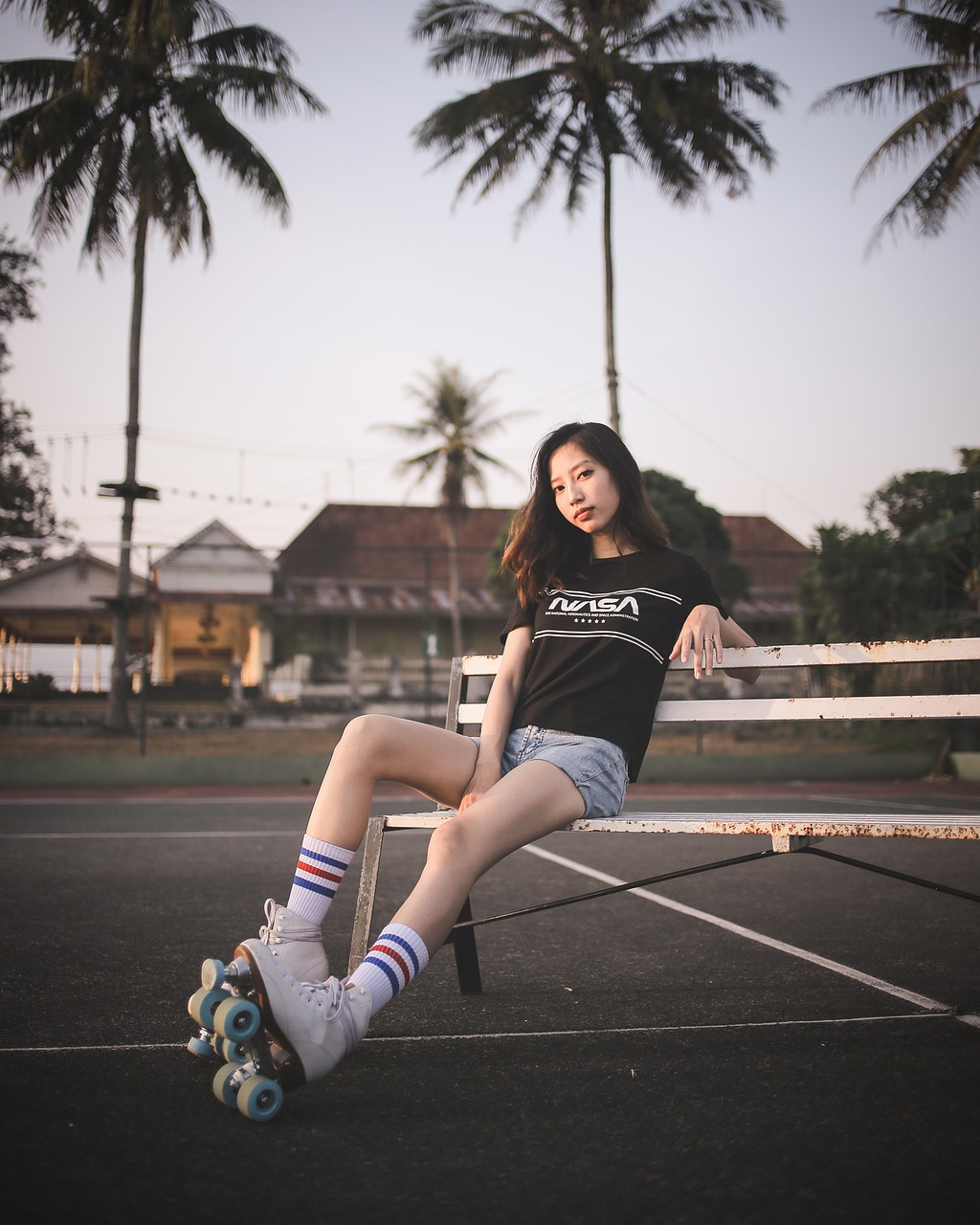
Seven a.m. at a national championship. In one hall a ten-year-old in a sequined costume waits for her free skate, laces double-knotted, while her mom holds the music backup. Outside on the banked track, inline speed skaters roll through warm-up laps before the first heat. Most skaters never see a nationals, of course: for them “the big day” is a long Saturday at the rink, a birthday party skate or a sunny afternoon cruising the beachfront path. This is our competition day and skate day guide for roller skaters: what to eat and drink, how to warm up, heat and sun, a gear check, and how to handle a meet with several events.
General information. If you have diabetes, a heart condition or another health issue, ask your doctor or a sports dietitian how to fuel. Back to the roller skating hub. Bout day has its own page: roller derby bout day.
What the day asks of you
- Artistic competitions: a few minutes of all-out skating, but a long day around it. USA Roller Sports’ national championships draw skaters from age 3 to 70, and events run over many days. You’ll spend more time waiting than skating, so the challenge is staying fueled, warm and calm.
- Speed meets: several races over a day or a weekend, from short sprints to long distances, often with heats and finals. Each race is hard, and the gaps between them are where you recover.
- Rink sessions and long outdoor skates: steady effort for one to several hours. The Compendium of Physical Activities rates roller skating at 7.0 METs, a real workout, so a long session needs food and water like any other.
Before: eat something real
The joint position statement from the American College of Sports Medicine (ACSM), the Academy of Nutrition and Dietetics and Dietitians of Canada suggests 1 to 4 grams of carbohydrate per kilogram of body weight, 1 to 4 hours before exercise lasting more than an hour. Close to the start, keep fat, protein and fiber lower if your stomach is touchy. In real life:
- 3 to 4 hours before: a normal meal built on carbs: oatmeal with fruit, rice or pasta with chicken, a turkey sandwich and fruit.
- 1 to 2 hours before: something small: a banana, a bagel with honey, a granola bar, crackers.
- Nerves? Liquid carbs (a smoothie or sports drink) often sit better than solid food before a program or a final. Try new foods at practice, never on competition day.
Hydration: before, during and after
The same ACSM statement suggests drinking about 5 to 10 mL of fluid per kilogram of body weight 2 to 4 hours before exercise (about 10 to 20 oz for a 60 kg / 132 lb skater), and aims to keep fluid losses during exercise under about 2% of body weight. The National Athletic Trainers’ Association (NATA) says drinking to thirst is reasonable when you don’t know your sweat rate, and warns against drinking so much that you gain weight during exercise.
- At the rink or the track: sip between events, sessions or laps of the park. A wide-mouth bottle like the Nalgene 32 oz is easy to grab with wrist guards on.
- On the trail: carry water, a small hydration pack or plan your route past fountains; summer paths have little shade.
- Heavy sweaters: an electrolyte tablet like Nuun Sport (300 mg sodium) or a carb-plus-electrolyte mix like Skratch Labs Hydration helps on hot days and at outdoor meets. Compare options in our electrolyte powder guide.
If you’re on a low-sodium diet or have high blood pressure, kidney or heart problems, check with your doctor before using electrolyte products, and follow the label.
Nalgene Sustain 32 oz Wide Mouth
- 32 oz, wide mouth
- BPA-free Tritan
- Made with 50% plastic-waste material
Nuun Sport
- 300 mg sodium per tablet
- 1 g sugar
- Informed Choice (maker says)
Skratch Labs Hydration Sport Drink Mix
- About 19–20 g carbs per scoop
- 400 mg sodium per scoop
- 20 servings, about $24
Pro-Tec Classic Certified Helmet
- CPSC bike, ASTM F1447 and F1492 (maker)
- ABS shell, EPS liner
- About $63
During: fuel the long day
For exercise lasting about 1 to 2.5 hours, including “stop and start” efforts like a speed meet, the ACSM statement suggests 30 to 60 grams of carbohydrate per hour. A single short program doesn’t need much, but a day of heats, or a three-hour trail skate, does. Easy options: a sports drink, a few orange slices, a handful of pretzels, half a banana, a granola bar. Skaters who skip lunch out of nerves often fade in the afternoon finals.
Warm-up: get ready to skate your best
A systematic review found warming up improved performance in 79% of the measures studied, and AAOS recommends warming up before skating. A simple competition warm-up of about 15 to 20 minutes, finishing shortly before your event:
- Off skates (5 min): marching, leg swings, hip circles, a few squats and lunges, arm circles.
- Easy laps (5 min): build from easy strides to crossovers in both directions, then backward skating.
- Skills (5 to 10 min): artistic skaters run edges, a few single jumps and spins before the hard elements; speed skaters add a couple of starts and short accelerations.
Long wait before your turn? Keep a jacket on and move a little every 15 minutes or so, so you’re not stiff when your name is called. Recreational skaters can keep it simple: a few minutes of easy laps and some stops before going faster. More on preparation in roller skating training.
Heat, sun and surfaces
AAOS warns that “skating may not seem like a strenuous sport”, but it’s easy to get overheated or dehydrated in hot, humid weather. Rinks without air conditioning get hot too, and outdoor speed meets run in summer. NATA’s heat illness statement says athletes should get used to the heat gradually over 7 to 14 days. Know the warning signs (confusion, collapse, very high body temperature): someone with suspected exertional heat stroke needs to be cooled right away, ideally in cold water, and emergency services called.
Outdoor skate days: the American Academy of Dermatology suggests a broad-spectrum, water-resistant SPF 30+ sunscreen, put on about 15 minutes before going out and reapplied every two hours or after sweating. AAOS says to avoid wet or icy surfaces, potholes, glass and crowded paths, and to follow traffic rules. The American Academy of Pediatrics (AAP) adds: skate on the right, pass on the left, avoid busy streets and never hold onto a moving vehicle (“skitching”). If you hear thunder, NATA’s advice is simple: “When Thunder Roars, Go Indoors!”, and wait 30 minutes after the last thunder.
Gear check before you leave
The AAP says wrist guards can reduce injuries by almost 90%, elbow pads by 80% and knee pads by 30%, and it recommends a properly fitting, safety-certified helmet. The Consumer Product Safety Commission (CPSC) says a CPSC-compliant bike helmet is fine for recreational roller and inline skating, while trick and aggressive skating calls for a skate helmet (ASTM F1492). A helmet like the Pro-Tec Classic Certified carries both, according to the maker. Before you go:
- Helmet with no cracks, buckled snug; wrist guards, elbow pads and knee pads with caps that aren’t worn through.
- Skates: tight axle nuts, toe stops or heel brake not worn down, laces and buckles intact, spare wheels and a skate tool.
- Competitors: check your event’s rules for required gear, costume and skate checks well before the day.
- Water bottle, snacks, electrolytes, sunscreen for outdoors, a small first aid kit and a dry shirt for after.
Our roller skating gear guide covers skates, helmets and pads in detail.
Meets with several events
- Between races or events: eat a carb-rich snack with some protein within an hour and keep drinking; if there are 3 or more hours, have a real meal. Get out of your skates and put your feet up.
- Head knocks: a hard fall that hits the head means stop skating. The CDC’s HEADS UP advice: look for signs like headache, dizziness, confusion or acting differently, and if you suspect a concussion, stop for the day. The AAP says a skater with a suspected concussion shouldn’t return until seen by a doctor. See injuries for the warning signs.
- After the last event: refuel, rehydrate and sleep; our recovery page has the details. For more on nutrition, see roller skating nutrition, and compare soccer game day for tournament ideas.
Competition day and skate day: FAQs
What should I eat before a roller skating competition?
A carb-based meal 3 to 4 hours before (oatmeal, rice, pasta, sandwiches, fruit) and a small snack 1 to 2 hours before. The ACSM statement suggests 1 to 4 g of carbs per kg of body weight in the 1 to 4 hours before longer exercise. Keep it familiar.
How much water should I bring to the rink?
Drink to thirst if you don’t know your sweat rate, sipping between sessions. The aim is to avoid losing more than about 2% of body weight without overdrinking. A 32 oz bottle you can refill works for most sessions; hot days and long meets call for more, plus electrolytes.
How should artistic skaters warm up before competing?
About 15 to 20 minutes: easy movement off skates, easy laps, then edges, a few single jumps and spins before the hard elements, finishing shortly before your turn. Keep warm with a jacket and light movement if you have to wait.
What helmet do I need for roller skating?
The CPSC says a CPSC-compliant bike helmet is fine for recreational roller and inline skating; for trick or aggressive skating, use a skate helmet certified to ASTM F1492. Some helmets carry both.
Is it OK to roller skate outside in the heat?
Yes, with care: AAOS warns it’s easy to get overheated or dehydrated skating in hot, humid weather. Skate in cooler hours, bring water, use sunscreen and stop if you feel dizzy, confused or sick.