This article contains affiliate links: if you buy through them we may earn a commission, at no extra cost to you. Learn more.
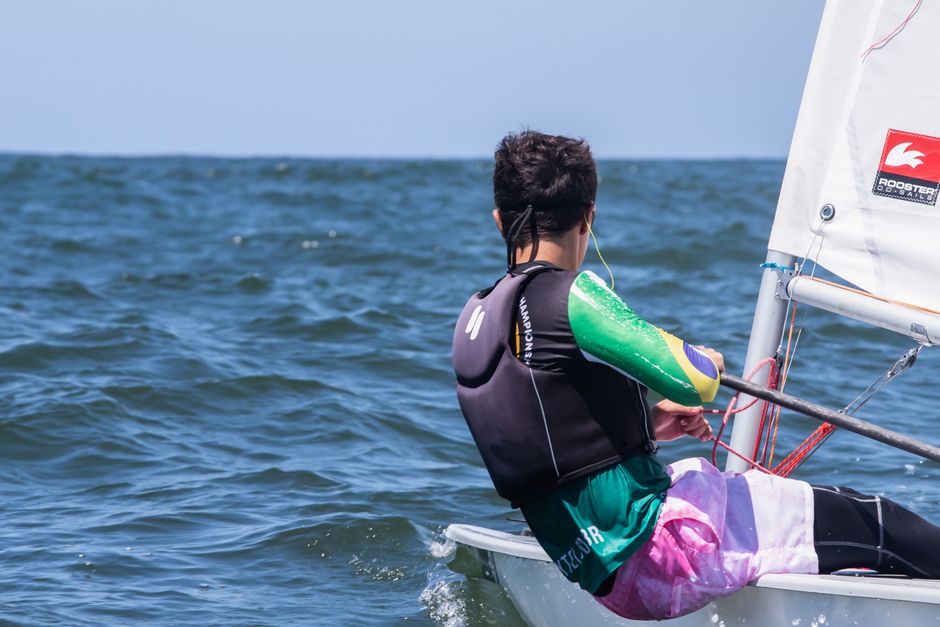
Dock-out at 10:00. You rigged in the parking lot at 8:30, ate half a bagel, and squeezed into a wetsuit before the skippers’ meeting. Then the wind fills in late, the race committee runs four races back to back, and it’s 4:30 before you’re back on the ramp, sunburned on one side and too tired to lift the dolly. That’s a regatta day: a junior Opti event, a high school or college dinghy regatta, an Olympic-class World Cup, or a weekend keelboat series at the yacht club. You’re out there for hours, with little room for food or water, in sun, wind and spray. This page covers how to get through it well: what to eat and drink, sun and heat, cold and weather, seasickness and what to pack.
General information, not medical or nutrition advice. Athletes with health conditions should check their plan with a doctor or sports dietitian. Back to the sailing hub.
Why regatta days are harder than they look
Sailing doesn’t look like an endurance sport, but the numbers say otherwise. In a study of collegiate dinghy sailors at a training camp with about 7 hours a day on the water, measured energy use averaged about 4,130 calories a day and water turnover about 3.3 liters a day. Racing sailors often don’t keep up. In a study of 35 club sailors at a regatta, most finished in negative fluid balance (men lost about 2% of their body mass), drank only about 1.2 liters (men) and 0.8 liters (women) on the water, and ate far less carbohydrate than sports-nutrition guidelines suggest. The authors put it down partly to the lack of space for food and drink in a dinghy. The answer is planning: eat and drink well before the start, and carry what you’ll need.
Before you launch
- Breakfast 1–4 hours before dock-out. The American College of Sports Medicine (ACSM) and its partner dietitian groups suggest 1–4 g of carbohydrate per kg of body weight in the 1–4 hours before an event, low in fat and fiber so it sits well. Oatmeal with fruit, a bagel with peanut butter or rice and eggs all work. Pick foods you’ve tried on training days.
- Drink early. ACSM suggests about 5–10 mL per kg of body weight 2–4 hours before, so you start well hydrated and still have time to use the bathroom before the warning signal.
- Sunscreen before the wetsuit or spray top goes on, on every bit of skin that could be exposed (more below).
- Check the forecast and the sailing instructions: wind, gusts, water temperature, thunderstorms, and the time of the first warning signal.
Fueling on the water
For long stop-and-go sessions of 1–2.5 hours or more, sports-nutrition guidelines suggest about 30–60 g of carbohydrate per hour. On a regatta day that means eating something between races, not saving it all for lunch on the dock. Easy choices that survive a dry bag:
- Bananas, fig bars, granola bars, rice cakes, pretzels, a peanut butter sandwich cut into quarters.
- A sports drink in your bottle, which gives fluid, carbohydrate and sodium in one, handy when you can’t let go of the sheet for long.
- Coaches’ boats at youth and college regattas often carry extra food and water. Ask your coach what the plan is.
Pack food in a small dry bag or a hatch you can reach while racing, and open wrappers ahead of time if you sail with gloves on. More on daily eating on our sailing nutrition page.
Hydration: carry more than you think
The National Athletic Trainers’ Association (NATA) recommends keeping fluid losses during exercise to about 2% of body weight or less. When you don’t know your sweat rate, drink to thirst, and don’t drink so much that you gain weight. Sailors have two problems: you can’t easily reach a bottle mid-leg, and wind and spray hide how much you’re sweating. Practical habits:
- Tie a bottle like the Nalgene 32 oz into the boat, or wear a small hydration pack under your buoyancy aid if your class allows it.
- Drink between every race, during the postponement and on the tow out.
- On hot days, add electrolytes. Skratch Labs Hydration has 400 mg of sodium and about 20 g of carbohydrate per serving; Nuun Sport tablets have 300 mg of sodium and almost no sugar. Follow the label. If you have high blood pressure, kidney or heart problems or are on a low-sodium diet, ask your doctor first. See our electrolyte guide.
- Weigh yourself before and after a long training day. A big drop tells you how much more to carry next time.
Sun: the all-day exposure
Six hours on open water with light coming up off the surface is serious sun. In a survey of over a thousand sailors, 16% reported a sunburn in the previous year even though most said they use sunscreen, which suggests people don’t reapply. The American Academy of Dermatology (AAD) advice fits a regatta well: a broad-spectrum, water-resistant sunscreen of SPF 30 or higher, about a shot glass full for the body, put on 15 minutes before going out, and reapplied every two hours and after swimming or sweating. Use SPF 30 lip balm, a hat or visor with a retainer clip, and polarized sunglasses on a leash. A small tube of Blue Lizard Sport SPF 50 fits in a spray-top pocket for reapplying between races. UPF rash guards and long-finger sailing gloves cover what sunscreen misses.
Heat, cold and weather
- Heat: light-air summer days in a wetsuit or foul-weather gear can cook you. NATA recommends 7–14 days to get used to the heat. Watch for heat exhaustion (heavy sweating, weakness, dizziness, headache, nausea). Confusion or collapse could be exertional heat stroke, an emergency: cool the person right away, ideally by immersing them in cold water, and call for help. Dunking a hat in the lake and wetting your shirt helps on the water.
- Cold: the National Weather Service warns that water of 70°F or below is cold water, and says to dress for the water temperature, not the air. That decides wetsuit vs. drysuit for a spring regatta. Pack a dry layer, hat and warm drink for the dock. Our sailing injuries page explains the 1-10-1 principle and hypothermia signs.
- Lightning: NATA’s rule is “When thunder roars, go indoors”. No place outside is safe, and a mast on open water is a bad place to be. Race committees postpone or abandon racing for thunderstorms; head in when they signal, or sooner if you’re cruising on your own.
- Wind building past your comfort: it’s always fine to retire and sail in. A good result tomorrow beats a capsize in a gale today.
Seasickness
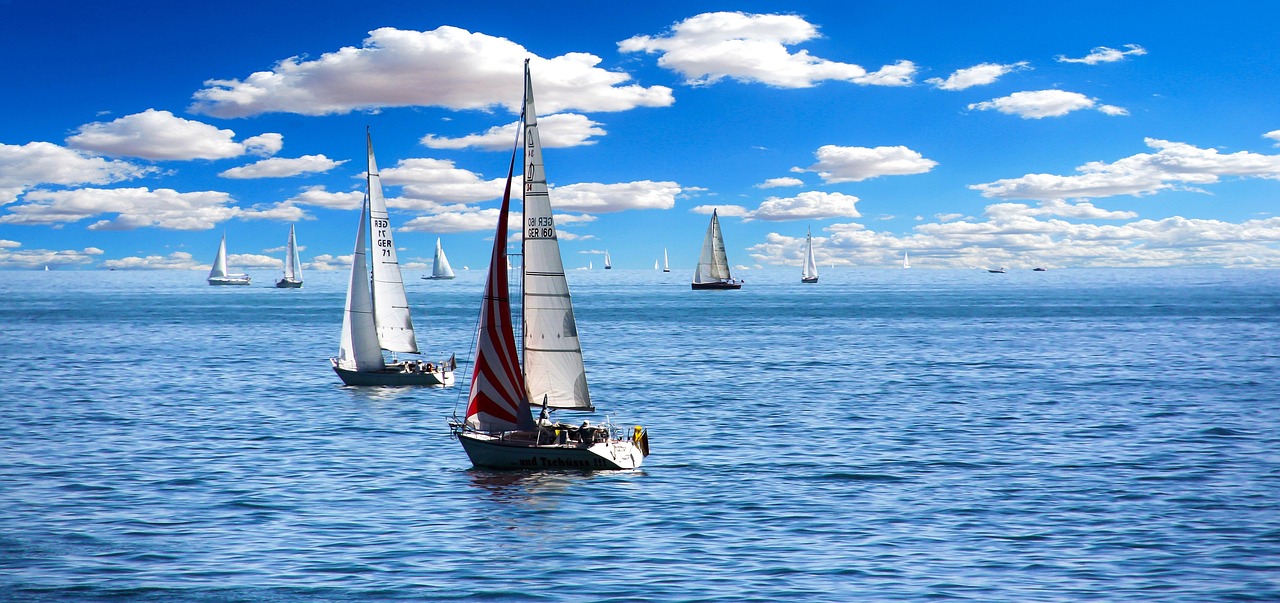
Keelboat crews waiting in a swell for a postponement know this one. The CDC’s travel-health guidance says a clear view of the horizon helps, as do avoiding reading or screens, fresh air on your face, and enough sleep the night before. Alcohol makes it worse. Repeated exposure (“getting your sea legs”) is the most effective fix, even more than medicine, though it takes time. If you use a seasickness medicine, the CDC says to take it before you go out and to try it on a non-race day first, because the most common side effect is drowsiness. Ask a doctor or pharmacist which one suits you.
Between races and after the last one
- Drink, eat a bite, reapply sunscreen, add or remove a layer: in that order, every time the committee boat sets a new course.
- Unhook from the hiking straps and stretch your legs while you wait.
- On the dock: rinse off, change into dry clothes, refuel with carbohydrate and protein, and drink. Then derig. More on the sailing recovery page.
The regatta bag checklist
- Life jacket (foam, if it’s a US Sailing youth or dinghy championship), whistle, knife if your class allows
- Wetsuit or drysuit for the water temperature, spray top, hiking pants, boots, gloves
- Water bottle tied into the boat, electrolyte mix, snacks in a dry bag
- Sunscreen, lip balm, hat with clip, sunglasses with leash
- Watch with a start timer (see our sailing wearables), sailing instructions, a pencil for the course board
- Dry clothes, towel, warm layer and a recovery snack for the dock
Skratch Labs Hydration Sport Drink Mix
- 400 mg sodium per serving
- About 20 g carbs per serving
- 20 servings, about $24
Nuun Sport Tablets
- 300 mg sodium per tablet
- 1 g sugar
- Easy to stash in a pocket
Nalgene Sustain 32 oz Wide Mouth
- 32 oz, wide mouth
- BPA-free Tritan
- About $16
Blue Lizard Sport Mineral SPF 50
- Mineral (zinc) sunscreen
- Water and sweat resistant
- 3 fl oz, about $9
Regatta day: FAQs
What should I eat before a sailing regatta?
A carbohydrate-based breakfast 1–4 hours before dock-out, low in fat and fiber, that you’ve tried before: oatmeal, a bagel, toast with eggs, rice. Then keep eating small snacks between races.
How much water should I take sailing?
It depends on heat, wind and how long you’re out, but most sailors carry too little. Collegiate sailors in a long training camp turned over about 3.3 liters of water a day. Bring at least a liter for a short day and more for a long, hot one, and drink between every race.
How often should sailors reapply sunscreen?
Every two hours, and after swimming or heavy sweating, according to the AAD. Use a water-resistant, broad-spectrum SPF 30 or higher.
What should I do if a thunderstorm comes up during racing?
Head for shore and get indoors or into a fully enclosed vehicle. NATA says no place outside is safe when thunder is heard, and recommends waiting 30 minutes after the last thunder before going back out. Follow the race committee’s signals.
Can I take seasickness medicine on race day?
Many sailors do, but try it on a training day first. The CDC notes drowsiness is the most common side effect and that medicine works best taken before you go out. Ask a doctor or pharmacist, especially for kids or if you take other medicines.