This article contains affiliate links: if you buy through them we may earn a commission, at no extra cost to you. Learn more.
Day two of a three-day regatta. You come off the water salty and sunburned, with thighs that feel like they’re still hiking, the boat to derig, a protest hearing at 6, and the first warning signal tomorrow at 10. How you spend the next 15 hours decides how you sail in the morning. Sailing recovery isn’t glamorous: food, water, warmth, sleep, and some care for legs, back, hands and skin. It matters at every level, from juniors at a week-long championship, to college sailors racing every weekend of the season, to adults finishing a long offshore race or a Wednesday-night series.
General information, not medical advice. Pain that doesn’t settle, swelling or numbness are reasons to see a sports medicine doctor or physical therapist. Back to the sailing hub.
Why sailors need a recovery plan
Experienced ILCA dinghy coaches interviewed for a 2025 study described fatigue building up over a regatta as one of the main physical demands of the sport. Hiking holds the thigh and trunk muscles under load for long stretches, and long days on the water burn more energy than most people think. Collegiate dinghy sailors at a training camp used about 4,130 calories a day. Club sailors at a regatta finished most races short on fluid and carbohydrate. Recovery is how you start the next day closer to full.
The first hour on shore
- Get warm and dry first. Out of the wetsuit or drysuit, into dry clothes and a hat, especially after a cold or windy day. Shivering, clumsy hands or confusion after a day on cold water are hypothermia warning signs (see our sailing injuries page).
- Drink. Sports-nutrition guidelines (ACSM and partner dietitian groups) suggest replacing about 125–150% of the fluid you lost, which is 1.25–1.5 liters for every kilogram of body weight lost. Add some sodium with food or an electrolyte drink.
- Eat carbohydrate and protein. When you race again in less than 8 hours, the same guidelines suggest about 1–1.2 g of carbohydrate per kg of body weight per hour for the first 4 hours, and 15–25 g of protein early on. For a 70 kg sailor, that’s roughly 70–85 g of carbohydrate an hour: a sandwich and fruit, chocolate milk, rice or pasta. A protein shake such as Thorne Whey Protein Isolate (NSF Certified for Sport) is handy if dinner is hours away.
- Rinse off and check your skin: sunburn, salt sores, cuts from hardware and blisters.
Cool-down and easy movement
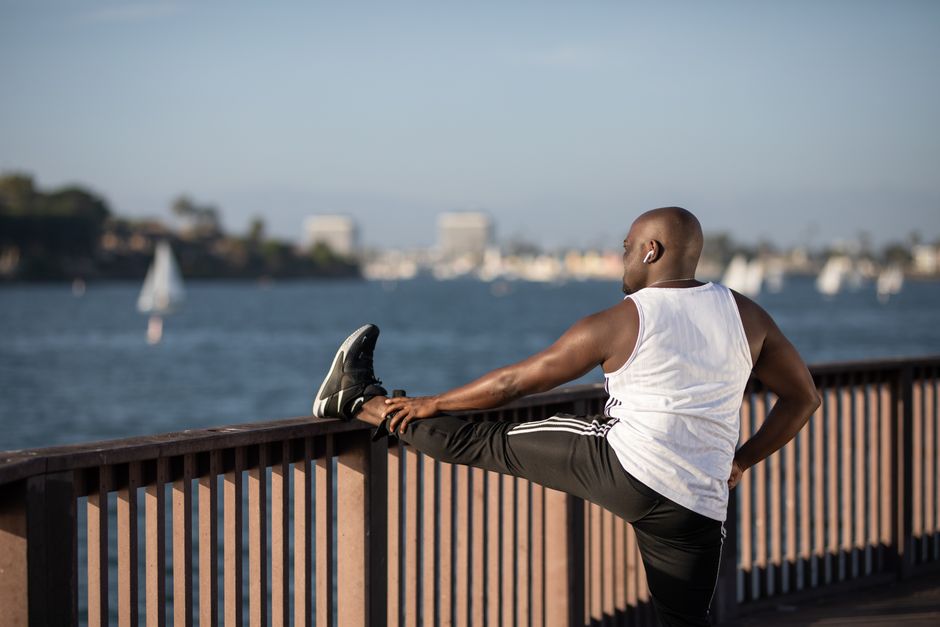
A 2018 review found an active cool-down does little for next-day performance or soreness and doesn’t appear to prevent injuries, although it may help the heart and breathing settle sooner. So don’t stress about a formal cool-down after racing. Do get out of the hiking position: a few minutes of walking while you derig, then gentle movement for the hips, quads and lower back if they feel tight. Save hard stretching or long gym sessions for non-race days.
Sleep: the best recovery tool you already have
Sleep experts recommend 7 or more hours a night for adults (American Academy of Sleep Medicine and Sleep Research Society) and 8–10 hours for teens aged 13–18. Regatta life works against that: early dock-outs, travel, hotel rooms, parties after racing. Protect the night before the last day most. Eat dinner early, keep caffeine to the morning, and put the phone away. A sleep tracker such as the Oura Ring 5 can show whether your regatta-week habits are working; more on our sailing wearables page and in HRV for athletes.
Legs and back after hiking
The quads, hip flexors and lower back take the load in a dinghy, and the lower back and knees are where Olympic-class sailors report the most overuse injuries. What the research says about common tools:
- Massage: a 2018 analysis of 99 studies found massage the most effective of the methods it compared for reducing muscle soreness and perceived fatigue. A foam roller like the TriggerPoint GRID is the do-it-yourself version for quads and hips.
- Massage guns: a 2026 analysis of 12 trials found percussive therapy helped jump performance recover, but showed no clear benefit for maximal strength or soreness. Many sailors still like a small one like the Theragun Mini in the regatta bag. See our massage gun guide.
- Compression: a 2017 analysis found small benefits from compression garments, mostly for strength recovery.
- Cold water: studies support 10–15 minutes at 10–15°C (50–59°F) for soreness, but regular cold-water immersion right after strength training reduced long-term strength and muscle gains in one study. Sailors often get plenty of cold water already. Keep ice baths for packed regattas, not after gym days.
Massage guns and compression devices aren’t for everyone: check with a doctor first if you have a blood clotting problem, a heart condition, a pacemaker or are pregnant. Cold-water immersion isn’t for everyone either; skip it with heart conditions or cold sensitivity unless your doctor says it’s fine.
Hands and skin
- Hands: wash and dry them, cover blisters loosely and don’t pop them (the American Academy of Dermatology’s advice), and let rope burns heal before the next regatta with good gloves. Watch cuts for redness, heat or swelling.
- Sunburn: the AAD suggests getting out of the sun, cool showers, a moisturizer with aloe vera, and extra water, and says not to pop sunburn blisters. Blistering means a more serious burn; a doctor or dermatologist can advise, and fever, chills or dizziness with a sunburn is a reason to get checked.
- Salt and wet gear: rinse and fully dry wetsuits, boots and gloves overnight. Rubbed or sore skin from wet hiking pants and boots is easier to look after when it gets a chance to dry.
Multi-day regattas and the season
- Each evening: eat a real dinner with carbohydrate and protein, rehydrate, prep tomorrow’s food and drinks, and get to bed.
- Between regattas: keep one or two easy days after a big event. Young athletes need 1–2 days off from organized sport each week, the American Academy of Pediatrics says.
- Warning signs of doing too much: sleep getting worse, a resting heart rate that stays high, feeling flat for days, getting sick often, or (for women) missed periods. Ease off, eat more, and talk to a doctor if it doesn’t turn around. Low energy availability (REDs) affects both men and women.
Fuel and drinks for the day itself are on our regatta day page, and daily eating on sailing nutrition. For a general routine, see our athlete recovery routine.
TriggerPoint GRID 1.0
- 13 in, hollow core
- Multi-density surface
- About $40
Theragun Mini (3rd Gen)
- Pocket size, 3 speeds
- 3 attachments
- About $220
Thorne Whey Protein Isolate
- 21 g protein per scoop
- 30 servings
- NSF Certified for Sport
Sailing recovery: FAQs
Why are my legs so sore after sailing?
Hiking holds your quadriceps and hip flexors in a long, near-static contraction, often at 30–40% of their maximum. After a windy day that’s a lot of work. Soreness that fades in a couple of days is normal; sharp or one-sided knee pain isn’t.
What should I eat after a day of sailing?
Carbohydrate plus some protein, soon after you get off the water, and fluids with some salt. If you race again the next morning, keep eating carbohydrate through the evening; dinner matters as much as the snack on the dock.
Are ice baths good for sailors?
They can ease soreness during a packed regatta, but regular ice baths right after strength training may blunt gains. Many sailors use them only during multi-day events. Check with a doctor if you have a heart condition.
How much sleep do sailors need during a regatta?
Adults should aim for 7 or more hours and teens 8–10 hours. Early dock-outs and evening socials make that hard, so plan bedtime backward from the morning launch.
When should a sore back from hiking be checked?
If it lasts more than a week or two, keeps coming back, hurts at night, or comes with numbness, tingling or weakness in a leg, see a sports medicine doctor or physical therapist.