This article contains affiliate links: if you buy through them we may earn a commission, at no extra cost to you. Learn more.
Sunday evening, the drive home from a three-day tournament. The pitcher is asleep against the window with an ice pack slipping off her shoulder, the catcher’s knees ache, and someone in the back has a sliding scrape that stings every time she moves. School starts at 7:30 tomorrow. Practice is Tuesday. Softball recovery is everything that happens between that last out and the next first pitch, for a 10U player, a college pitcher after a weekend series, or a 45-year-old after a Thursday slowpitch doubleheader. This page covers refueling, rest for pitchers, sleep, and which recovery tools are worth bringing.
General information, not medical advice. Soreness is normal. Sharp pain, swelling, a shoulder that won’t settle or concussion symptoms are not, so see a sports medicine doctor, PT or athletic trainer. Back to the softball hub.
How long recovery takes
A systematic review of recovery after team ball sports found that performance (jump and sprint tests) often comes back before blood markers of muscle damage do. Creatine kinase can stay up for 72 hours or more. You can feel ready before your body has finished repairing, which is why stacked weekends wear players down. Pitchers have an extra layer: in a study of high school pitchers, shoulder strength measured after a game was lower than before it, and pain and fatigue before games climbed as the season went on.
After the last out: the first few hours
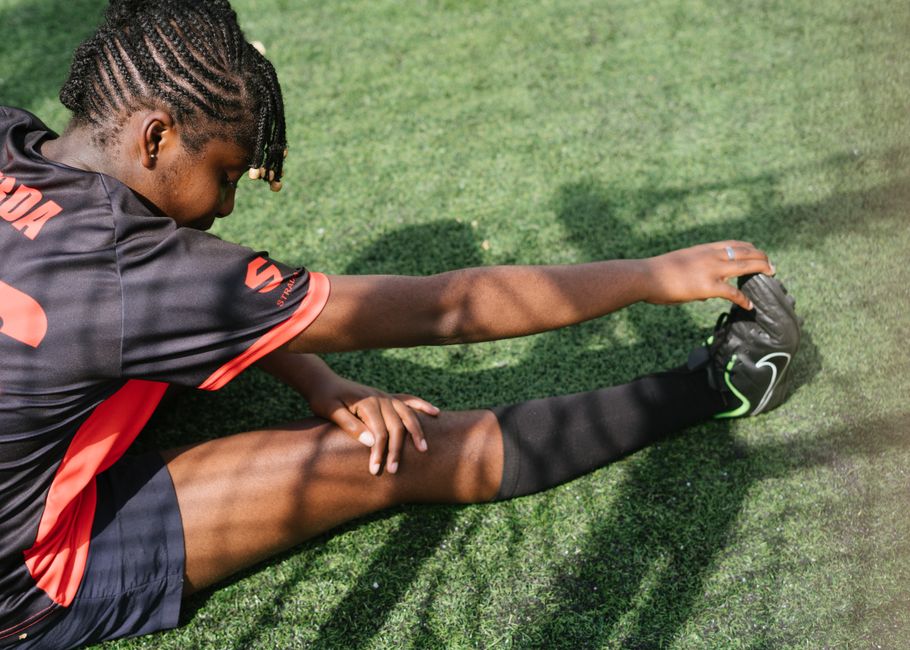
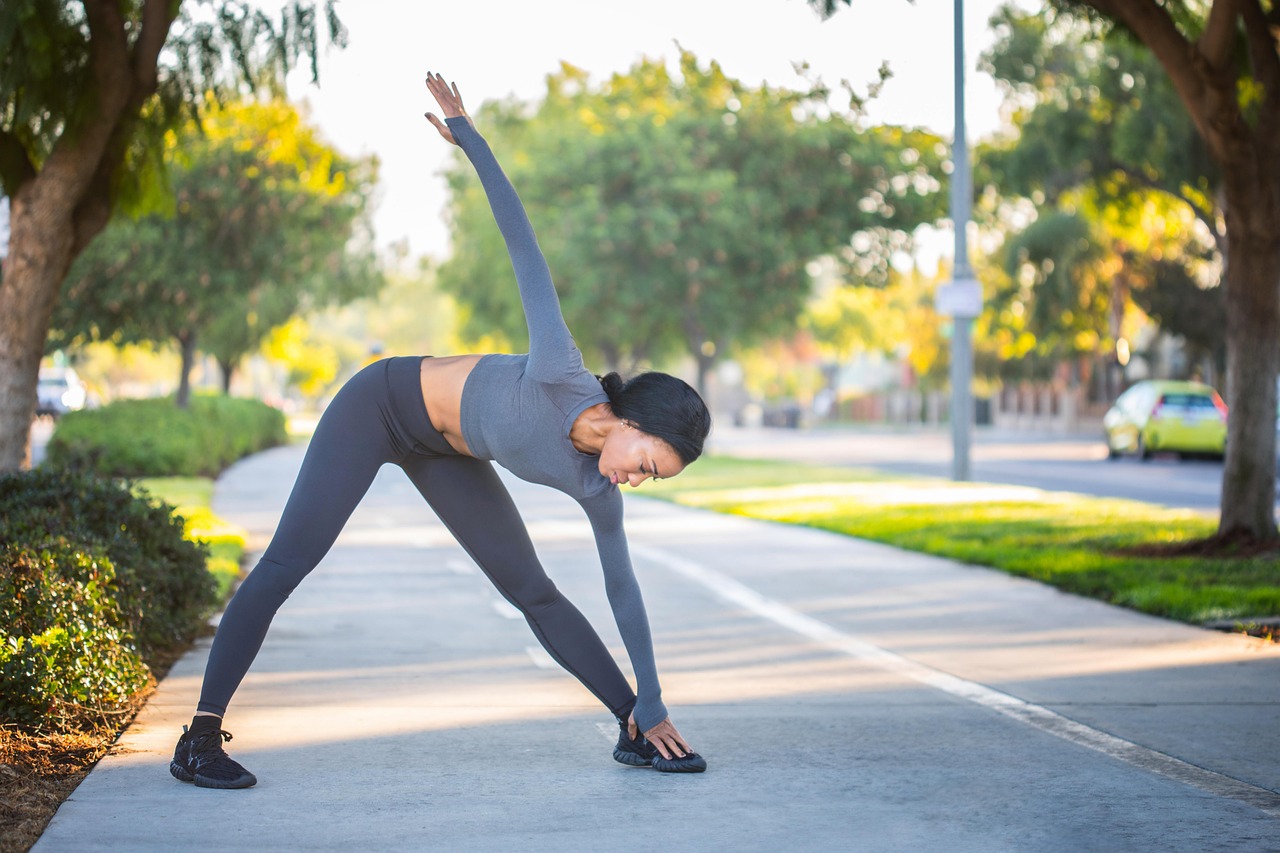
- Cool down for 5–10 minutes. Easy walking or jogging, then the stretches AAOS recommends after play: slow and gentle, about 30 seconds each, for the back, hamstrings, hips and shoulders.
- Refuel. The ACSM, Academy of Nutrition and Dietetics and Dietitians of Canada statement suggests early protein (about 0.25–0.3 g per kilogram of body weight) with carbohydrate, and about 1–1.2 g/kg of carbohydrate per hour for four hours if the next game is less than eight hours away. A sandwich and chocolate milk on the drive, then a real dinner, covers it.
- Rehydrate. Drink about 1.25–1.5 liters for every kilogram of weight lost, sipped over a few hours, with some salt in the food or drink.
- Check the scrapes. Clean sliding abrasions and keep them covered. See a doctor if one gets red, hot or swollen.
Pitchers: rest is part of the plan
The American Orthopaedic Society for Sports Medicine (AOSSM) puts it plainly: two days of rest for pitchers are essential to prevent injuries, and rest means no live pitches, batting practice included. Girls under 12 shouldn’t pitch more than two days in a row, and girls 13 and older no more than three. In practice, after a big outing or a tournament:
- Skip the Monday pitching lesson after a weekend tournament.
- Keep moving the rest of the body: legs, core, light cardio.
- Light range-of-motion and band work only if your coach, AT or PT has set it up.
- Tell someone about arm pain. AOSSM says pain that lasts a week needs a doctor, and return only with clearance.
The full pitch count table is on our softball injuries page.
Sleep: the cheapest recovery tool
The CDC recommends 9–12 hours a night for children 6–12, 8–10 hours for teens 13–17, and at least 7 for adults. Tournament weekends make that hard: early pool-play starts, late bracket games, hotel rooms. The best-known sports sleep study, with Stanford basketball players, found that adding sleep made them faster and more accurate. It was a small study in another sport, but the message carries over. Protect the night before the first game and the night after the last one. Dark, cool rooms, no caffeine in the evening and phones off help. If a tournament wrecked your sleep, an easier next day is smart, not lazy. Our sleep tracker guide covers tools for seeing your patterns.
After a tournament weekend
- Monday: rest or light movement such as a walk, an easy bike ride or a swim. Big meals, lots of fluids, early bed.
- Tuesday: normal practice for position players. Pitchers stick to their rest days.
- Watch the pattern. If players feel flat or sore every Monday, the weekend schedule may be too much. AOSSM also advises against overlapping teams and year-round play.
Recovery tools: what helps and what’s just nice
Be honest about the evidence. A review of recovery in basketball, another team sport with packed schedules, noted that players spend far more time recovering than training, yet the evidence for many popular recovery methods is limited. A later review discussed compression garments after games, short massages the next day and brief cold-water immersion during the season or at tournaments. Start with food, fluids and sleep, then add tools for comfort:
- Foam roller: a TriggerPoint GRID 1.0 for hips, quads, calves and upper back after long days on the field.
- Massage gun: a small one like the Theragun Mini fits in a bat bag. Keep it off the front of the shoulder and any injured area unless your PT says otherwise.
- Compression: the Hyperice Normatec Go calf sleeves work in the car or the hotel room.
- Slides: recovery slides like OOFOS OOahh feel good after hours in cleats.
- Cold water: a cool shower or short cold soak after a hot day feels good to many players. See how long to ice bath. Check with a doctor first if you have a heart condition or high blood pressure.
TriggerPoint GRID 1.0
- 13 in, hollow core
- Multi-density surface
- About $40
Theragun Mini (3rd Gen)
- Pocket size, 3 speeds
- 3 attachments
- Travel lock
Hyperice Normatec Go
- Calves only, 1.2 lb
- 7 levels
- Wear it in the car or hotel
OOFOS OOahh Slide
- OOfoam slide
- APMA Seal of Acceptance
- Machine washable
All of these are compared in our recovery tools guide, massage gun guide and foam roller guide. Pain that keeps coming back is a reason for a check-up, not more gadgets.
The off-season is recovery too
Many softball players now play school ball in spring, travel ball in summer and showcases in fall. AOSSM recommends against playing year-round. Several weeks a year without pitching or throwing gives the arm time to recover, and playing another sport keeps players fit and fresh. Adult rec players benefit from the same idea: a few weeks of different activity after a long summer league. Build back up with our softball training guide.
Softball recovery FAQs
How many days of rest does a softball pitcher need?
AOSSM says two days of rest are essential, and rest means no live pitching, batting practice included. It also caps consecutive pitching days at two for girls under 12 and three for girls 13 and older.
How do you recover after a softball tournament?
Eat carbohydrate and protein soon after the last game, rehydrate over the evening, sleep long that night, and keep the next day light. Pitchers should take their full rest days before throwing again.
Should softball pitchers ice their arm?
Many pitchers ice after outings because it feels good, but it isn’t a substitute for pitch counts and rest. If the arm keeps hurting, or pain lasts a week, see a sports medicine doctor, PT or athletic trainer.
How much sleep do softball players need?
The CDC recommends 9–12 hours for children 6–12, 8–10 for teens and at least 7 for adults. Tournament weekends make that hard, so protect the nights around them.
Are recovery tools worth it for softball?
They’re nice for comfort. A foam roller, a small massage gun and good slides are popular in bat bags. But food, fluids, sleep and rest days do most of the work, and the evidence for many tools is limited.
Recovery is a sandwich in the car, a big bottle of water, lights out early and a pitcher who actually takes her rest days. For what to eat all week, see softball nutrition and supplements; for trackers that show how you’re recovering, the best softball wearables. Our soccer recovery page covers outdoor tournament weekends too.