This article contains affiliate links: if you buy through them we may earn a commission, at no extra cost to you. Learn more.
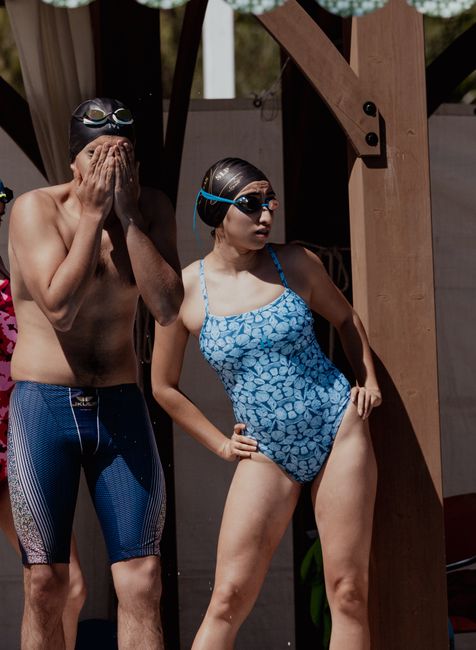
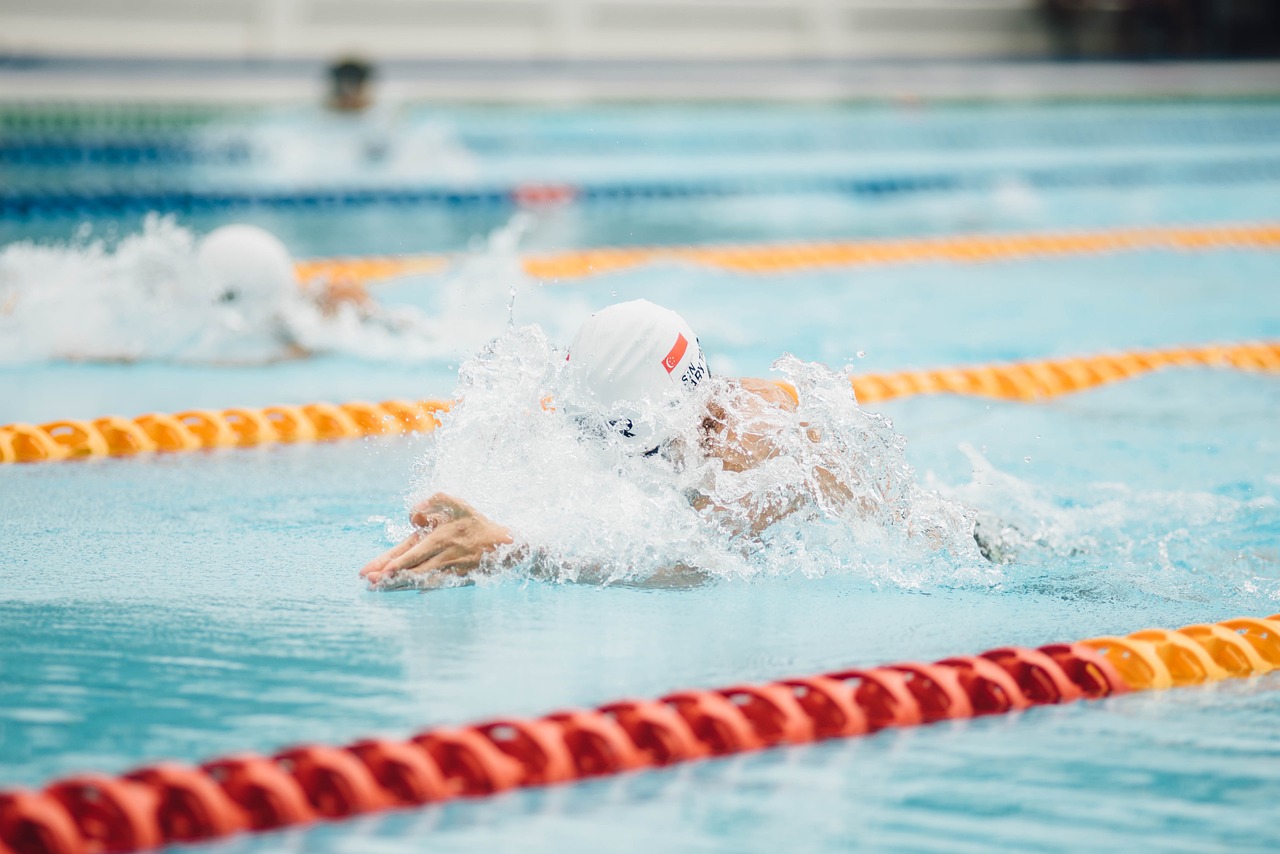
A Saturday swim meet has its own sound: the beep of the start, the roar for a close finish, a parent yelling a name nobody in the water can hear. It also has its own rhythm. Arrive at 7 for warm-ups, swim a 100 at 9:40, wait two hours on a towel for the 200, then a relay at the end of the session. At championship level it’s heats in the morning and finals at night. On meet day the work is already done; what’s left is getting to each race warm, fueled and fresh. This page covers swim meet day from age-group meets to the Olympics: how meets run, what to eat before and between races, why swimmers need to drink even though they’re in water, and how to warm up and swim down.
Prices change often. The prices below are what we saw at the maker or a major retailer in October 2026; check the current price before you buy. General information only; a sports dietitian can tailor it to you. Back to the swimming hub.
How swim meets run
- Timed finals: at many age-group, summer-league and dual meets, each event is swum once, and your time is your result. Several events a session, lots of waiting.
- Prelims and finals: at championship meets (club, conference, NCAA, national) swimmers race heats in the morning, and the fastest come back for finals in the evening. That means two warm-ups, two races and a long break in between.
- The Olympics: events of 200 m and shorter have three rounds: heats, semifinals and a final. The 16 fastest from the heats go to the semis, and the 8 fastest from the semis make the final. Longer events and relays go straight from heats to the final. Most competition days have a heats session and a semifinals-and-finals session. Winning your heat isn’t enough; it’s the fastest times across all heats that advance.
Whatever the level, meet day is long and the racing is short. A 50 free is over in seconds; the session around it can fill the whole day. Planning food, fluids and warmth for the gaps is what this page is about.
Before the meet: the meal
The joint position of the American College of Sports Medicine, the Academy of Nutrition and Dietetics and Dietitians of Canada suggests 1–4 g of carbohydrate per kilogram of body weight in the 1–4 hours before longer exercise, and says high-fat, high-protein and high-fiber choices may need to be limited to avoid stomach trouble. For an early warm-up that usually means a smaller, simple breakfast: oatmeal with banana, toast with jam or a bagel, plus a drink. Eat what you’ve eaten before hard practices; a meet isn’t the day to try something new.
Fueling between races
A sports dietitian writing for USA Swimming recommends packing your own familiar, portable snacks rather than relying on the concession stand, planning meal and snack times instead of grazing all day, and eating as close as possible to how you eat at home. Her list of poolside foods: bananas, bagels with peanut butter, granola bars, Greek yogurt and low-fat chocolate milk. A good rule of thumb many coaches use:
- Less than an hour until your next race: something small and easy to digest, like fruit, a few crackers or a sports drink.
- A couple of hours: a bigger snack with carbohydrate and a little protein, like half a bagel with peanut butter or yogurt and fruit.
- Between prelims and finals: a real meal soon after the morning session, then rest (a nap if you can), and a light snack before evening warm-up.
- Multi-day meets: refuel after every session. A 2014 review of nutrition for swimming says swimmers in demanding competition programs should keep their carbohydrate stores topped up for the whole meet.
Hydration: yes, even in the water
Swimmers sweat. You just don’t notice it in the pool. A study of elite swimmers in training estimated sweat losses of about 138 ml per kilometer for men and 107 ml per kilometer for women, with big differences between swimmers. Indoor pools are often warm and humid, outdoor summer meets add sun and heat, and a day on deck in a parka adds more. The USA Swimming dietitian’s advice is to drink small amounts regularly, and not to cut back on fluids to avoid restroom trips. The National Athletic Trainers’ Association (NATA) suggests keeping body-weight loss from sweat under about 2% and says drinking to thirst is a safe approach when you don’t know your sweat rate.
Bring a big bottle you can track, like the Nalgene 32 oz, and for long, hot sessions an electrolyte tablet like Nuun Sport or a carbohydrate-electrolyte mix like Skratch Labs Hydration, which also counts as fuel between races. Our best electrolyte powders guide compares more options.
Warm-up: get warm, then stay warm
A 2021 systematic review found that warming up does improve sprint swimming, though the effect is small. The bigger problem at meets is the wait: a 2022 scoping review of 42 studies notes that the benefits of the in-water warm-up are often lost during transition periods of 20 minutes or more before a race. Its findings:
- In the water: the most common approach is a moderate warm-up of around 1,000 m at an easy-to-moderate effort, with some race-pace swims.
- On deck before the race: short dryland activity (arm swings, band work, a few squats or jumps) after the swim warm-up helps keep muscles active, especially for sprinters.
- Stay warm: keeping body temperature up matters; the review notes dryland work works best when swimmers also wear warm clothing. That’s why parkas and warm-up suits stay on until the last minute behind the blocks.
- Safety: USA Swimming requires feet-first entry in meet warm-ups, with dives only in designated sprint lanes. Crowded warm-up lanes are where collisions happen.
Swim-down and between-race recovery
Most meets have a warm-down pool or open lanes, and swimmers use them after every race. In a study of young swimmers after a hard 200 free, ten minutes of easy, self-paced swimming cleared about two and a half times as much blood lactate as resting did. That study didn’t test a second race, and a 2019 study of elite junior swimmers found 200 m times were similar after different recovery protocols, so the swim-down isn’t magic. But it’s easy, and many swimmers feel looser for it. If there’s no warm-down pool, walk around, stay warm and get fluid and food in. Our swimming recovery page covers what happens after the meet.
Outdoor meets: sun, heat and lightning
Summer-league and long course meets are often outside. Shade, sunscreen and plenty of fluid matter on deck as much as in the water. Lightning is a real pool hazard. NATA’s position statement says that if you can hear thunder, lightning is close enough to be dangerous; everyone gets out of the water and off the deck to a safe building, and activity waits until 30 minutes after the last thunder or lightning. It also warns that indoor pools are just as dangerous as outdoor pools during a thunderstorm, because their plumbing, lighting and drains connect to the outside.
The meet bag
Two pairs of goggles (straps snap at the worst time), two caps, two towels, a parka or warm-up suit, sandals, a big bottle, snacks for the whole day, an electrolyte option, and a marker for heat and lane numbers. Many swimmers keep a spare pair of goggles they trust, like the Speedo Vanquisher.
Nalgene Sustain 32 oz Wide Mouth
- 32 oz, wide mouth
- BPA-free Tritan
- Easy to track what you drink
Nuun Sport Tablets
- 300 mg sodium per tablet
- 1 g sugar
- Informed Choice
Skratch Labs Hydration Sport Drink Mix
- 400 mg sodium per serving
- 80 calories, 19 g carbs
- Real fruit flavor
Speedo Vanquisher Goggles
- Low-profile fit, wide lens
- Anti-fog, UV protection
- About $22
Still building toward the big meet? See swimming training for taper basics, swimming nutrition for everyday eating, and how team sports handle it on our soccer game day page.
Swim meet day: FAQs
What should a swimmer eat before a meet?
A familiar, carbohydrate-rich meal that’s low in fat and fiber, 1–4 hours before racing (ACSM/AND/DC), sized to how soon you swim. For early warm-ups, a smaller breakfast plus snacks on deck works better than a big meal.
What are good snacks between swim races?
A USA Swimming dietitian suggests bananas, bagels with peanut butter, granola bars, Greek yogurt and low-fat chocolate milk. Keep it light when your next race is close, and pack your own rather than counting on the snack bar.
Do swimmers need to drink water during a meet?
Yes. Swimmers sweat in the pool, about 107–138 ml per kilometer in one study of elite swimmers, and long, warm days on deck add more. Drink small amounts regularly and don’t skip fluids to avoid bathroom trips.
How long before a race should a swimmer warm up?
Research suggests the benefits fade during waits of 20 minutes or more. Since meet warm-ups are often earlier than that, swimmers use short dryland moves and warm clothing to stay ready until their race.
How do heats, semifinals and finals work?
At the Olympics, events of 200 m and under go heats, then semifinals (top 16), then a final (top 8). Longer events and relays go from heats straight to the final. Advancing is by time across all heats, not by winning your heat.