This article contains affiliate links: if you buy through them we may earn a commission, at no extra cost to you. Learn more.
It’s 6:50 a.m. at the lake. Wetsuits half zipped, caps on, a few hundred people bouncing on the sand while the announcer counts down the first wave. Some are first-timers at a local sprint, some are chasing a 70.3 personal best, a few have an Ironman on their shoulder tattoo. Triathlon is a wonderful way to stay fit for life, and most people who do it never get seriously hurt. But three sports in one day, and in training all year, bring three sets of risks: open water, the bike and the run, plus heat and fluids on top. This page explains each one plainly, with what the research shows and when to get checked.
This page is general information, not medical advice. If you’re hurt or worried about your heart, see a doctor, a sports medicine physician, a physical therapist (PT) or a certified athletic trainer (AT). For the big picture of the sport, start at our triathlon hub.
The swim: the leg that deserves the most respect
The best data on triathlon deaths comes from a study published in the Annals of Internal Medicine in 2017 that gathered every U.S. case it could find from 1985 to 2016. It counted 135 sudden deaths, resuscitated cardiac arrests and trauma deaths. Most of the sudden deaths and cardiac arrests happened during the swim (90 cases), against 7 on the bike, 15 on the run and 8 after the finish. The overall risk in USA Triathlon races was low, about 1.74 per 100,000 participants, but it was much higher in men than women (2.40 vs. 0.74 per 100,000) and climbed with age: men 60 and older had 18.6 events per 100,000. Risk was similar at short, middle and long races. At autopsy, 44% of those examined had a heart condition that matters, most often coronary artery disease or cardiomyopathy, which had often caused no symptoms before.
An earlier USA Triathlon review of race deaths from 2003 to 2011 found the same pattern (30 of 38 non-traumatic deaths in the swim) and concluded most were likely sudden cardiac deaths, not classic drowning from poor swimming. It didn’t find a clear link with race length, the type of swim start or experience. Its practical advice is simple: if you feel unusual or unfamiliar shortness of breath while swimming, stop and get help.
Open-water swim safety, step by step
- Get checked before you start, especially if you’re a man over 40, have heart disease in the family, high blood pressure, diabetes, or any chest pain, fainting or palpitations with exercise. The American College of Sports Medicine (ACSM) recommends medical clearance before vigorous exercise for people with known heart, metabolic or kidney disease or symptoms.
- Practice in open water before race day, in your wetsuit, with other swimmers around you.
- Never train alone in open water. Swim with a group or a buddy, near a lifeguard or kayak, and tow a bright swim buoy so boats and people on shore can see you.
- Know you’re allowed to stop. USA Triathlon’s rules let you rest by holding a buoy or a stationary boat, stand on the bottom, float or switch to any stroke. In an emergency, raise an arm overhead and call for help.
- Respect cold water. USA Triathlon makes wetsuits mandatory at 60.6°F (15.9°C) and below, and race officials can shorten or cancel the swim when water or air is too cold or too hot. More on wetsuit rules and start nerves on our race day page.
- Learn CPR. Fast CPR and an automated external defibrillator (AED) save lives at endurance events.
For stroke technique and pool injuries such as swimmer’s shoulder, see our swimming injuries page.
The bike: crashes, road rash and concussion
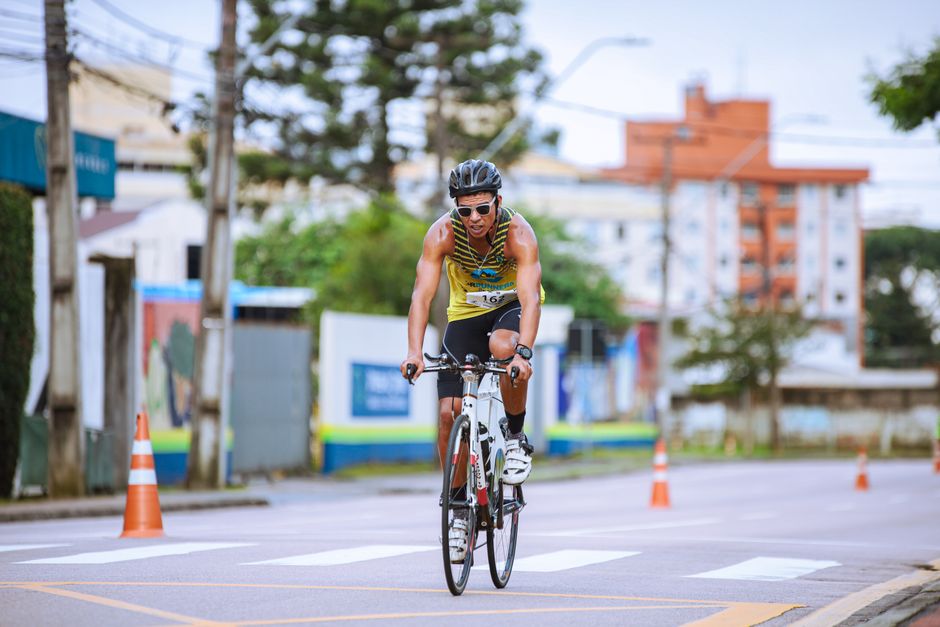
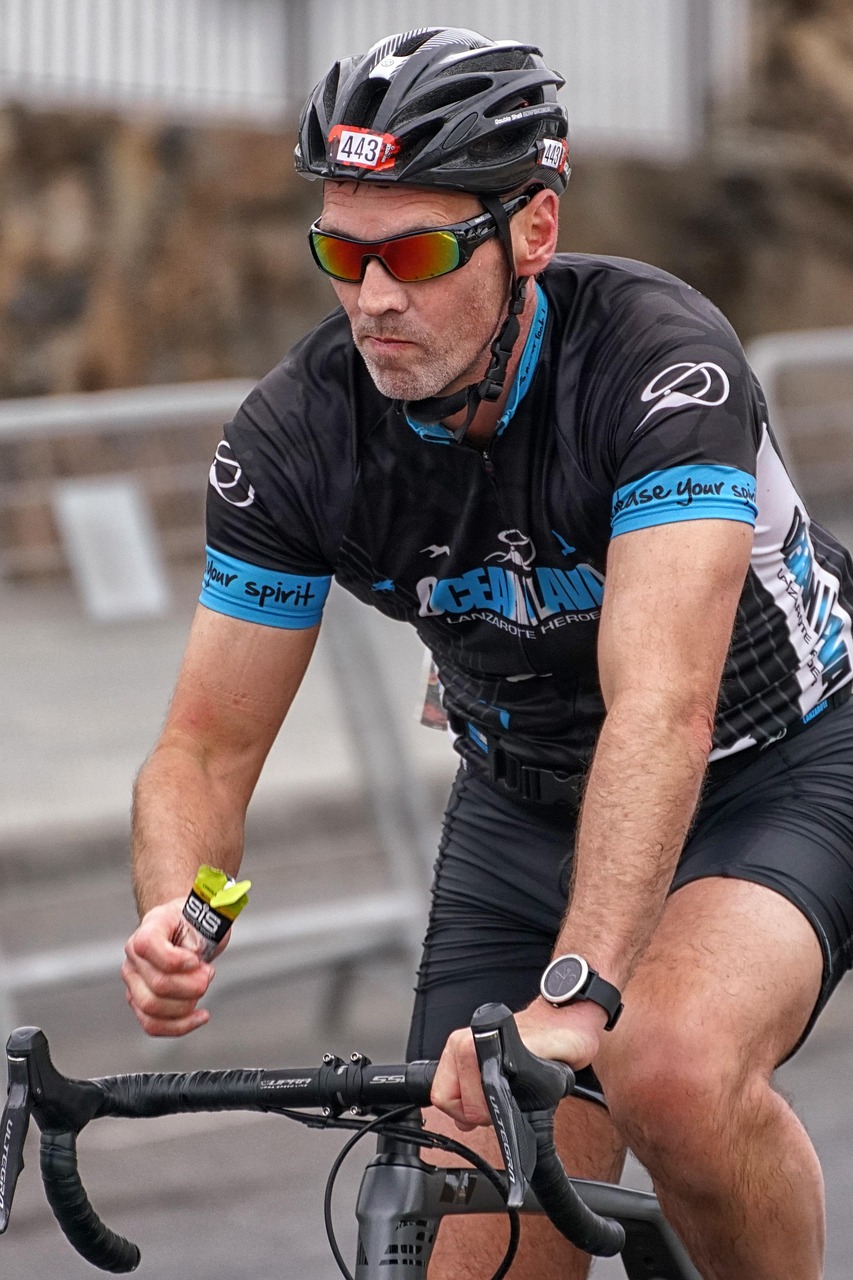
The same 2017 study recorded 15 trauma deaths during the bike leg, which is why the bike is where serious injury from outside forces happens. In a race series in Victoria, Australia, with more than 10,000 starters, most of the athletes seeking medical help were hurt on the run (38%) or the bike (14%), and abrasions (road rash) were the most common type of injury. Training rides on open roads add traffic: U.S. federal crash data counted 1,166 cyclists killed in 2023.
- Helmet, always. USA Triathlon requires a buckled, CPSC-approved helmet whenever you’re on the bike, from the moment you take it off the rack until you put it back. A large meta-analysis of more than 64,000 injured cyclists found helmets cut the odds of serious head injury by about 69%.
- Practice aerobars and bottle grabs before racing on them; your hands are farther from the brakes.
- Be seen in training: daytime lights and a rear radar help on busy roads.
- Road rash: the American Academy of Dermatology advises cleaning the wound with mild soap and water, keeping it moist with petroleum jelly and covered, and seeing a doctor if it’s deep, very painful or looks infected.
Concussion: recognize it and stop. The CDC’s HEADS UP advice applies to triathletes too: after a crash with any head impact, if there’s a chance of concussion, stop for the day and get checked. Signs include headache, dizziness, confusion, blurry vision, nausea and feeling “foggy”. Call 911 for danger signs such as one pupil larger than the other, a worsening headache, repeated vomiting, slurred speech, weakness, seizures or growing confusion. Return to training should follow a gradual, step-by-step plan cleared by a health care provider. More on bike-specific injuries on our cycling injuries page.
The run: where overuse injuries pile up
Ask injured triathletes which sport hurt them and most will say running. In a survey of finishers of Seattle’s Seafair Triathlon, 49% had an injury in the previous year that stopped training, and 70% of those injuries were caused solely or partly by running. A review of long-distance triathletes found overuse injuries far more common than acute ones, most often at the knee and the spine, with running and cycling the disciplines most involved. A study of 131 triathletes linked injuries during the season with a previous injury and high preseason running mileage.
The usual suspects are runner’s knee, IT band pain, Achilles and calf problems, shin splints, plantar fasciitis and stress fractures. Common causes: run volume that jumps too fast, little rest, and running on tired legs off the bike. Strength training helps: a large meta-analysis found it lowered sports injuries to about a third. Pain that is sharp in one spot, hurts at rest or at night, or makes you limp is a reason to stop and see a professional. Details by injury are on our running injuries page, and how to build volume safely is on triathlon training.
Heat illness
Summer races in the sun, a black tri suit and a run that starts after an hour or more of effort: triathlon is built for heat stress. The Australian race series above recorded three probable heat stroke cases among its severe injuries. In a half-distance race at about 29°C (84°F), athletes’ core temperature rose from 37.5 to 38.8°C on average and they lost 3.8% of body mass.
The ACSM’s 2023 expert consensus on exertional heat illness describes exertional heat stroke as a medical emergency: confusion, odd behavior, collapse or loss of coordination with a very high body temperature (usually above 40°C / 104°F). The rule is “cool first, transport second”: cold-water immersion on site is the most effective treatment, and races that cool runners right away have had excellent survival. Heat exhaustion (dizziness, weakness, nausea, heavy fatigue) means slow down, get to shade and drink. The National Athletic Trainers’ Association (NATA) says it takes about 7–14 days of training in the heat to acclimatize, so plan your summer build around it.
Hyponatremia: too much water
Exercise-associated hyponatremia means sodium in the blood drops too low, usually because an athlete drank far more than they sweated out over many hours. It’s a long-course problem. At the New Zealand Ironman, one athlete with hyponatremia had drunk 16 liters during the race and gained 2.5 kg. When the race educated athletes on fluids, reduced aid stations and weighed everyone before the start, medical cases of hyponatremia fell from 3.8% to 0.6% of starters. Another study at the same race found that athletes who used anti-inflammatory painkillers (NSAIDs) such as ibuprofen were more likely to develop hyponatremia.
- Don’t gain weight during a race. NATA advises against it and says drinking to thirst is a safe plan when you don’t know your sweat rate.
- Skip painkillers “just in case” before and during long races unless your doctor says otherwise.
- Know the signs: headache, nausea, puffy hands, confusion. They can look like dehydration. A confused athlete after a long race needs medical care, not more water.
How much to drink per hour by race distance is on our race day page.
Safety gear many triathletes use
Gear doesn’t replace judgment, but many triathletes carry a tow float like the New Wave Swim Buoy in open water (the maker says it doesn’t replace a life jacket), ride in a helmet like the Giro Syntax MIPS, and add a radar tail light like the Garmin Varia RTL515 on the road.
New Wave Swim Buoy (15 L)
- Bright tow float + dry bag
- Belt with tether line
- About $35
Garmin Varia RTL515
- Warns of cars up to 140 m behind
- Up to 16 h in day flash
- Pairs with watches and bike computers
When to see a doctor, PT or athletic trainer
- Call 911 right away: chest pain or pressure, fainting, a racing or irregular heartbeat, unusual shortness of breath, confusion or collapse (possible heat stroke or hyponatremia), concussion danger signs, or a possible neck injury after a crash (don’t move them).
- See a doctor before training hard: if you have heart risk factors, a family history of sudden death, or symptoms with exercise, or if you’re starting triathlon later in life.
- Within a few days: a suspected concussion, pain that makes you limp, a possible broken collarbone or wrist after a fall, or a wound that looks infected.
- Soon: pain that keeps coming back, pain at night or at rest, or numbness in hands or feet on the bike.
Coming back from injury is easier in triathlon than in most sports because you can often keep swimming or riding while the injured part heals, but let the person treating you decide what’s safe. Recovery habits that keep you healthy are on triathlon recovery.
Triathlon injuries and safety: FAQs
Why do most triathlon deaths happen in the swim?
Researchers believe most are sudden cardiac events rather than ordinary drowning; 44% of those examined at autopsy in the largest U.S. study had a significant heart condition. The swim may add stress (cold water, crowding, adrenaline), and it’s also the hardest place to get help quickly. A medical check before you start, open-water practice and stopping for unusual breathlessness are the practical steps.
What is the most common triathlon injury?
Overuse injuries, mostly from running: knee pain, Achilles and calf problems, and low back pain. Studies of triathletes consistently find running causes the largest share, with cycling second. Previous injury and high running mileage are the clearest risk factors.
Can I stop and rest during the swim?
Yes. Under USA Triathlon rules you may float, tread water, stand on the bottom or hold a buoy or stationary boat to rest. If you need more help than that, raise an arm and call for assistance; if you’re pulled from the water, your race is over, and that’s the right call.
Should I take ibuprofen before a long triathlon?
Many sports doctors advise against it. In a study at the New Zealand Ironman, athletes who used NSAIDs were more likely to develop hyponatremia and showed changes in kidney markers. If you need pain relief for a medical reason, ask your doctor what’s safe on race day.
Do I need a heart check before my first triathlon?
It’s a good idea for most adults and strongly advised if you’re a man over 40, have risk factors such as high blood pressure, diabetes or a family history of heart disease or sudden death, or have ever had symptoms like chest pain or fainting with exercise. Your doctor decides what testing, if any, you need.