This article contains affiliate links: if you buy through them we may earn a commission, at no extra cost to you. Learn more.
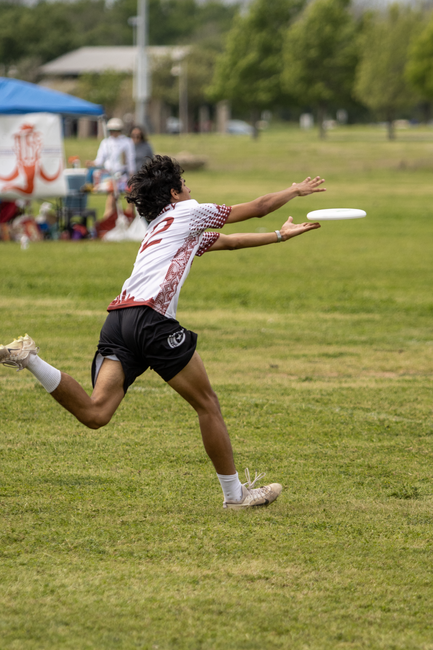
Sunday morning, quarterfinals, game four of the weekend. The disc hangs in the wind, two players go up for it, and one lands on the other’s foot. Another point later, a cutter lays out full-length for a catch and gets up with a long red scrape down one thigh, grinning. That’s ultimate: no tackles, no referees in most games, and still plenty of ways to get hurt, because it’s built on sprinting, cutting, jumping and diving. This page covers the injuries that keep showing up in ultimate frisbee, from youth and high school teams to college club, the pro Ultimate Frisbee Association (UFA) and Sunday rec league, and what the research says about lowering the risk.
This page is general information, not medical advice. If you’re hurt, see a sports medicine doctor, physical therapist (PT) or certified athletic trainer (AT). For the bigger picture of the sport, start at our ultimate frisbee hub.
What the injury studies show
USA Ultimate’s rules call ultimate “a non-contact, self-officiated disc sport”, but the numbers say players still collide and still get hurt. A 2020 systematic review of 11 studies found the lower limb was the most injured body region, with the knee and thigh most often hit, and muscle injuries and bruises the most common types. The first injury-surveillance study of pro ultimate, 16 teams of the American Ultimate Disc League (the league now called the UFA) in 2017, counted 299 injuries; 72% were to the lower body, thigh muscle strains (12.7%) and ankle sprains (11.4%) led the list, and 29% involved a collision. Injuries were more likely in games than practice, and in the second half.
The most common ultimate frisbee injuries
Ankle sprains
Ultimate is cut, stop, cut again, often on bumpy grass, and landing on someone’s foot after a jump ball is a classic way to roll an ankle. In a survey of 484 players at a World Beach Ultimate Championship in Portugal, the ankle was the most commonly injured spot (about 18% of injuries in the past year). The American Academy of Orthopaedic Surgeons (AAOS) describes a sprain as ligaments stretched past their limit, with pain, swelling, bruising and an ankle that feels like it “gives out”. The National Athletic Trainers’ Association (NATA) says the most consistent risk factor for a sprain is a previous sprain. Can’t put weight on it, or it might be broken? See a doctor.
ACL and other knee injuries
In a decade of ultimate-related visits at one US hospital system, the knee was the most injured region (23.5%), and an ACL tear was the most common knee injury. AAOS explains that most ACL tears happen without contact: pivoting, cutting or landing with the knee nearly straight. Players often hear a pop, feel the knee give way and see swelling within a day. AAOS cites ACL injury rates in female athletes 2 to 8 times higher than in males. Researchers who put motion sensors on women’s ultimate players during league games logged 422 cuts and noted the higher-level players cut faster with straighter knees, the kind of movement linked to ACL risk. A suspected ACL injury always needs a doctor.
Hamstring and other muscle strains
The deep cut, the full sprint to chase down a huck, then a sudden sharp pain in the back of the thigh. Thigh strains topped the pro study’s list, and strains were the most frequent injury type at the beach world championship. AAOS links hamstring strains to sprinting, fatigue and tight or weak muscles. A strain that isn’t fully rehabbed tends to come back, USA Ultimate’s health and safety packet warns.
Layout and diving injuries
Laying out, diving full-length for a catch or a block, is the highlight of ultimate and the source of its own injury list. USA Ultimate’s packet lists abrasions as “common with layouts”: shallow, often dirty wounds that should be cleaned well, covered with antibacterial ointment and a non-stick bandage. Landing on an outstretched arm or the point of the shoulder can also cause shoulder injuries: the same packet names rotator cuff injuries, separated shoulders (AC joint), dislocations and broken collarbones among common shoulder injuries in ultimate. In the hospital study, the shoulder was the second most injured region (14.8%). The rules help: diving into or through a player that results in contact with their back or legs is listed as dangerous play, and USA Ultimate’s youth rule adaptations recommend no defensive layouts under 12 and layouts without contact under 15.
Collisions and bruises
Two players tracking the same floating disc, eyes up, is how most collisions happen. The systematic review found direct contact with another player was the most common injury situation. The official rules list “running without looking” into occupied space, jumping where a significant collision is likely and initiating contact with a player’s head as dangerous play. Teaching players to look before they leave the ground, and to call “up” and communicate, is injury prevention.
Concussion: recognize it and remove the player
Heads meet heads, elbows and the ground on jump balls and layouts. In a survey of 787 competitive US players, about a quarter of men (26.6%) and women (24.8%) said they’d had at least one concussion playing ultimate, and many said they’d gone back into the same game or practice, which is exactly what shouldn’t happen. USA Ultimate requires members to follow the CDC’s HEADS UP Concussion Action Plan and requires coaches to complete concussion training.
- Remove from play. The CDC: “When in doubt, sit them out.” USA Ultimate’s packet: no same-day return to play, and see a doctor for every concussion. In a self-officiated game, teammates and captains have to make that call.
- Signs to watch for (CDC): looking dazed, confusion about the play or score, slow answers, clumsiness, mood changes. Players may report headache, dizziness, nausea, blurry vision, sensitivity to light or noise, or feeling foggy.
- Call 911 for danger signs: one pupil larger than the other, a worsening headache, slurred speech, weakness or numbness, repeated vomiting, seizures, growing confusion, or a player who can’t be woken. If a neck injury is possible, don’t move the player.
- Coming back is gradual: the CDC describes six steps from daily life back to full games, moving on only without symptoms, and the 2022 Amsterdam consensus suggests relative rest only for the first 24–48 hours, then light activity. A licensed health care provider gives final clearance.
Heat and sun at tournaments
Summer tournaments mean many games on open fields with no shade. USA Ultimate’s packet lists unusual fatigue, nausea, headache, dizziness, vomiting or chills as heat illness symptoms: rest in the shade with fluids, and no return to play for at least 2 hours. Confusion, loss of coordination or collapse can mean exertional heat stroke, an emergency: call 911. NATA’s position statement says to cool first and transport second when trained medical staff are on site, with cold-water immersion the most effective method. USA Ultimate’s 2025 heat guidelines add hydration breaks as the wet bulb globe temperature (WBGT) rises and cancel play at 90°F WBGT or higher. For sunburn, the American Academy of Dermatology (AAD) recommends a broad-spectrum, water-resistant SPF 30+ sunscreen, reapplied every two hours and after sweating. The full plan is on our game day and tournament day page.
Prevention: what actually helps
Ultimate-specific prevention trials are still scarce, so the researchers who study the sport borrow from soccer, basketball and other cutting sports. The best-supported tools:
- A neuromuscular warm-up. Programs of jumping, landing, balance and strength work halve ACL injuries overall and cut non-contact ACL injuries in female athletes by about two-thirds, according to a summary of eight meta-analyses. In a small 2025 trial, Iranian national-team ultimate players with unstable ankles who did a modified FIFA 11+ warm-up for 8 weeks improved balance, ankle position sense and jumping.
- Nordic hamstring curls. A 2019 meta-analysis of 8,459 athletes found programs that include them reduce hamstring injuries by up to 51%. Researchers who surveyed elite club ultimate players suggested Nordics and balance training for the sport.
- Ankle balance work and bracing. NATA recommends a balance program of at least 3 months, and says athletes who’ve sprained an ankle should brace or tape for practices and games. USA Ultimate’s rules allow braces and guards as long as any hard parts are covered and padded.
- Strength training. In the elite club study, players who spent more days a week lifting missed less time to injury.
- Sensible load. USA Ultimate’s packet: raise workouts by no more than 10% a week and rest at least one day a week. Youth events cap teams at 3 full-length games a day and 6 a weekend.
How to build these into a season is on our ultimate training page. For a deeper look at braces and sleeves, see our best ankle brace for athletes and best knee sleeves guides.
Gear many players keep in the bag
None of these prevent injuries on their own, and a brace doesn’t replace rehab, so ask your PT or athletic trainer what fits you. Many players who’ve sprained an ankle wear a lace-up brace like the ASO EVO Ankle Stabilizer under their cleats; a strap like the NordStick makes Nordic curls possible without a partner; and some players with achy knees like a knit sleeve such as the Bauerfeind GenuTrain.
ASO EVO Ankle Stabilizer
- Lace-up with figure-8 straps
- Fits left or right foot
- Low profile, fits in cleats
NordStick Nordic Hamstring Curl Strap
- Holds heels for Nordic curls
- 350 lb capacity (listing)
- Packs for travel
Bauerfeind GenuTrain
- Knit sleeve with gel pad around kneecap
- Sizes by two measurements
- About $100 (maker)
When to see a sports medicine doctor, PT or athletic trainer
- Right away (call 911 or go to the ER): any concussion danger sign, possible neck injury, signs of heat stroke, a possible broken bone, a joint that looks out of place, or a player who can’t walk.
- Within a day or two: a pop and swelling in the knee, a knee that feels unstable or locks, a suspected concussion, a shoulder that “popped out” or can’t move, or a muscle strain that stopped you playing.
- Within a week: USA Ultimate’s packet says bruising or swelling around a finger, wrist or any joint should be checked by a doctor who treats athletes, because a fracture can look like a sprain.
- Kids: if a youth player limps, complains of pain or isn’t playing normally, keep them out until a specialist in youth athletes has looked at them. More on kids is on our youth ultimate page.
Big USA Ultimate events must have a medical area and, depending on size, certified athletic trainers on site; at any USA Ultimate event, a player who’s sent to a hospital or doctor needs a doctor’s note to play again in that event. Return to play is a process: USA Ultimate’s flowcharts say players should be able to do drills of increasing difficulty without pain, and finish the full rehab program even after they’re back. Meanwhile, look after the basics on our ultimate recovery page.
Ultimate frisbee injuries: FAQs
What is the most common injury in ultimate frisbee?
Lower-body injuries dominate. In the pro surveillance study, 72% of injuries were to the lower body, led by thigh muscle strains and ankle sprains. Knee injuries, including ACL tears, and shoulder injuries from layouts are also common.
Is ultimate frisbee a contact sport?
By the rules, no: it’s a non-contact sport, and dangerous play is a foul. In practice, collisions happen on jump balls and layouts. In the pro study, 29% of injuries involved a collision, and about a quarter of surveyed competitive players reported at least one concussion.
Can I keep playing after a head knock if I feel fine?
Not if a concussion is suspected. USA Ultimate follows the CDC’s HEADS UP plan: remove the player, no same-day return, and see a doctor. Symptoms can show up hours later.
How do I avoid layout injuries?
Learn to lay out from a coach, starting slow on soft grass, and only dive where there’s no one to land on: diving into or through a player is dangerous play. Clean and cover layout scrapes well. Youth guidelines skip defensive layouts under 12.
Should I wear an ankle brace for ultimate?
NATA recommends taping or bracing for practices and games if you’ve sprained an ankle before. If you haven’t, balance training is the stronger first step. The rules allow braces if any hard parts are padded. Your athletic trainer or PT can help choose one.