This article contains affiliate links: if you buy through them we may earn a commission, at no extra cost to you. Learn more.
Third snatch at a local meet. The lifter pulls, drops under the bar, and feels it drift behind her. Instead of fighting it, she lets go, pushes the bar back and jumps forward off the platform the way her coach drilled a hundred times with an empty bar. The bumpers bounce, the bar rolls to a stop, and she walks off shaking her head, annoyed but fine. That’s what a well-coached miss looks like, and it’s a good picture of weightlifting injuries in general: the sport moves heavy weight fast, but most of the risk can be managed with good coaching, good equipment and an honest read of your own body. This page covers the injuries that show up in Olympic weightlifting, what the research says about how often they happen, and the warning signs that mean “stop and get it checked”.
This page is general information, not medical advice. If you’re hurt, see a sports medicine doctor, physical therapist (PT) or certified athletic trainer (AT). For the bigger picture of the sport, start at our Olympic weightlifting hub. Bench press and deadlift injuries, including pec tears, are covered on our powerlifting injuries page.
How often do weightlifters get hurt?
Less often than many people think, if you count injuries the way most sports do. A 2017 systematic review in the British Journal of Sports Medicine found 2.4–3.3 injuries per 1,000 hours of weightlifting training, similar to other non-contact sports, with the spine, shoulder and knee the most common sites. An updated 2024 review in BMJ Open Sport & Exercise Medicine agreed and named the knee, lower back, shoulder, and hands and fingers as the usual places. It also found that between 10.7% and 68% of lifters reported an injury around competitions, depending on the study, so most lifters will deal with something along the way. Both reviews warn that many of the studies were small.
The most detailed picture of elite lifters comes from six years of injury records at the US Olympic Training Centers. In that 1999 study, the back, knees and shoulders made up 64.8% of injuries, strains and tendinitis made up 68.9%, and for 90.5% of injuries the recommended time off was a day or less. The authors concluded that elite weightlifters mostly get overuse injuries, not traumatic injuries that damage a joint.
Outside coached training, gym accidents are a different story. A study of US emergency-department visits from weight training (1990–2007) estimated about 970,800 injuries nationwide; 65.5% happened when weights dropped on the person, and 90% involved free weights. A 2024 study of barbell injuries to the head and neck (2014–2023) found cuts were the most common, and 2.3% of those patients were admitted to the hospital. That’s why bar safety gets its own section below.
The most common weightlifting injuries
Knee
Weightlifters catch cleans and snatches in a full squat and front squat several times a week, and the knee comes first on the 2024 review’s list. In the Olympic Training Center records, 85% of knee injuries were tendinitis. The American Academy of Orthopaedic Surgeons (AAOS) links pain at the front of the knee (patellofemoral pain) to overuse, sudden jumps in training and weak or imbalanced thigh and hip muscles; it’s often managed with strengthening under a PT’s guidance. Much rarer, but serious, is a patellar tendon tear: AAOS describes a tearing or popping sensation, then being unable to straighten the knee, often with the kneecap sitting higher than normal. A complete tear needs prompt surgical care. Many lifters wear 5 mm knee sleeves for warmth and comfort; our knee sleeve guide compares the popular pairs.
Low back
Every pull from the floor loads the spine, and so do heavy squats. In the elite lifters’ records, about three in four back injuries were strains. AAOS notes that most low back pain goes away within a few weeks. It also lists the signs that need prompt medical care: weakness in a leg, numbness or tingling running down to the foot, loss of bladder or bowel control, or fever, chills or unexplained weight loss with back pain. Heavy pulls late in a session, when the back starts to round, are where many lifters say their backs “tweaked”; a coach’s eye and sensible volume help more than any belt.
Shoulder
Catching a snatch with a wide grip and holding a jerk overhead both put the shoulder under load in an extended, overhead position. In the training center study, most shoulder injuries were strains. AAOS describes shoulder impingement and rotator cuff tendinitis as pain at the front and side of the shoulder that’s worse with overhead movement and lifting, sometimes at night. The usual first steps are rest, changing the movements that hurt and physical therapy, and it can take weeks to months to settle. Pain that keeps you up at night or a shoulder that suddenly loses strength deserves a doctor’s look.
Hands, thumbs and wrists
Hands and fingers show up on the weightlifting injury lists in a way they don’t in most strength sports. The hook grip, with the fingers clamped over the thumb, is secure but hard on the thumbs, and torn calluses are a familiar sight in the warm-up room. Many lifters tape their thumbs; the IWF allows tape on fingers and thumbs as long as it doesn’t stick out past the fingertips. The front rack of a clean and the catch of a jerk also bend the wrist back under load, so wrist wraps are common on heavy days. For how stiff and how long to go, see our wrist wrap guide.
Elbow
Elbows can get cranky from high volumes of pulling and from locking out overhead. AAOS describes tennis elbow (lateral epicondylitis) as pain or burning on the outer elbow and a weaker grip, developing gradually; it lists weightlifting among the activities linked to it and notes that about 80–95% of people do well without surgery. Any elbow that suddenly hurts or looks out of shape after a missed lift overhead needs prompt medical care. The IWF rules make room for lifters with an old elbow injury: a lifter who can’t fully straighten an elbow tells the referees before the competition so it isn’t judged as a bad lockout.
Pelvic floor
The 2024 review found pelvic floor problems such as leaking urine during heavy lifts in about half of female barbell athletes, compared with 9.3% of men. It’s common, it’s nothing to be embarrassed about, and it isn’t something you have to just live with: a pelvic floor physical therapist can help.
Missing safely and bar safety
- Learn to miss before you lift heavy. The NSCA’s strength-coaching textbook says power exercises like the snatch and clean aren’t spotted. Instead, you learn to miss: pushing a snatch forward and stepping back, or letting it go behind you and jumping forward, and dumping a missed jerk in front. Practice it with an empty bar or a dowel until it’s automatic.
- Bumpers and a platform. Missed lifts get dropped, so lift with rubber bumper plates on a platform or thick rubber flooring. The IWF requires a clear meter around competition platforms; keep at least that much space in your gym, and never walk behind or in front of someone who’s lifting.
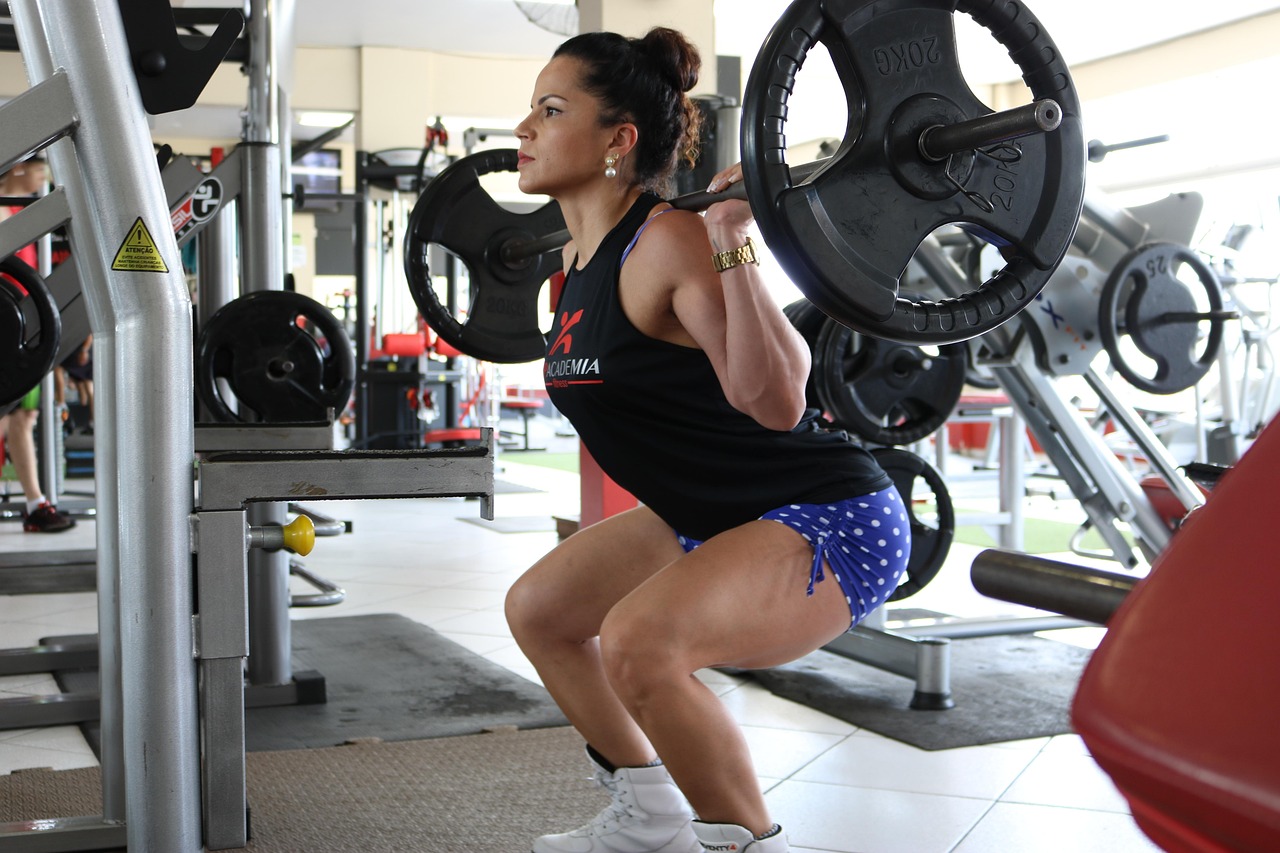
- Squat inside a rack. Front and back squats are the lifts that do need safeties: set them just below your bottom position, or squat with spotters. The NSCA guidance says lifts with the bar on the back or in the front rack usually need one or more spotters.
- Collars every time. Plates sliding off one side is a classic way for a bar to tip.
- At meets, help is close. IWF rules require a stretcher or backboard near the platform and a table for the competition doctor at the platform entrance and in the warm-up room.
Head injuries are uncommon in coached weightlifting, but a bar to the head during a miss or a fall off the platform can happen. If anyone might have a concussion, the CDC’s HEADS UP advice applies: stop, keep them out for the day and have a health care provider check them before they train again.
How weightlifters lower the risk
- Get coached. Weightlifting is a technical sport; a qualified coach and regular video of your lifts catch problems before they become pain.
- Build load gradually and plan lighter weeks. How to do that, including deloads and peaking for a meet, is on our weightlifting training page.
- Don’t rush kids. In a 2021 survey of top US weightlifters, those who specialized in the sport by age 16 reported more injuries before 21. See our youth weightlifting page.
- Warm up with the lift itself, working up from the empty bar.
- Respect the small aches. Most weightlifting injuries are overuse strains and tendinitis; adjusting the exercise or load early is easier than a long layoff later.
- Recover like it’s part of the program, because it is. See recovery for weightlifters.
Gear many weightlifters keep in the bag
None of these prevent injuries on their own, and none replaces rehab, so ask your PT or coach what fits you. But plenty of weightlifters train with a 5 mm sleeve like the SBD 5 mm Weightlifting Knee Sleeves, wraps like the Gymreapers 18″ Wrist Wraps on heavy jerk days, and a foam roller like the TriggerPoint GRID for warm-ups.
SBD 5mm Weightlifting Knee Sleeves
- 5 mm neoprene
- IWF compliant (maker)
- About $115
Gymreapers 18-inch Wrist Wraps
- 18 x 3 in, thumb loop
- Front rack and jerks
- About $20
TriggerPoint GRID 1.0
- 13 in, hollow core
- Multi-density surface
- About $40
When to see a sports medicine doctor, PT or athletic trainer
- Right away: a pop at the knee and you can’t straighten it, an elbow or shoulder that looks out of place after a miss, a bar dropped on the head or neck, back pain with leg weakness or loss of bladder or bowel control.
- Within a day or two: a joint that swells quickly, sharp pain that stopped the session, numbness or tingling in a hand or foot, a thumb that stays painful or swollen after a session.
- Soon: knee or shoulder pain that’s been changing your training for more than a couple of weeks, night pain in a shoulder, elbow pain that keeps coming back.
A sports medicine physician diagnoses and decides on imaging; a physical therapist guides rehab and the return to heavy loads; a certified athletic trainer is often the first contact on school and college teams. Look for professionals who work with lifters and understand that “just stop squatting” isn’t the only option. Doing the Olympic lifts in a CrossFit gym too? Our CrossFit injuries page covers the gymnastics and conditioning side.
Weightlifting injuries: FAQs
Is Olympic weightlifting dangerous?
Not unusually so. Systematic reviews find about 2.4–3.3 injuries per 1,000 training hours, similar to other non-contact sports, and most injuries in elite lifters are overuse strains and tendinitis that cost a day or less of training. Coaching, gradual progress and learning to miss safely matter most.
What’s the most common weightlifting injury?
The knee, lower back, shoulder, and hands and fingers lead the lists. In elite US lifters, most knee problems were tendinitis and most back and shoulder problems were strains.
Should snatches and cleans be spotted?
No. Strength-coaching guidance treats power exercises as lifts you learn to miss safely rather than lifts you spot: you push the bar away or step out from under it, on a platform with bumper plates. Squats are the lifts that need a spotter or rack safeties.
Why do my thumbs hurt from the hook grip?
The hook grip clamps the thumb between the bar and your fingers, and most lifters feel it at first. Many tape their thumbs and build up gradually. Pain that’s sharp, lasts after training or comes with swelling deserves a check with a sports medicine doctor or PT.
Can I keep training with back pain?
Many lifters adjust rather than stop, and AAOS notes most low back pain settles within a few weeks. But leg weakness, numbness running to the foot or bladder and bowel changes need medical care right away. If you’re unsure, ask a sports medicine doctor or PT to help you plan what to train in the meantime.