This article contains affiliate links: if you buy through them we may earn a commission, at no extra cost to you. Learn more.
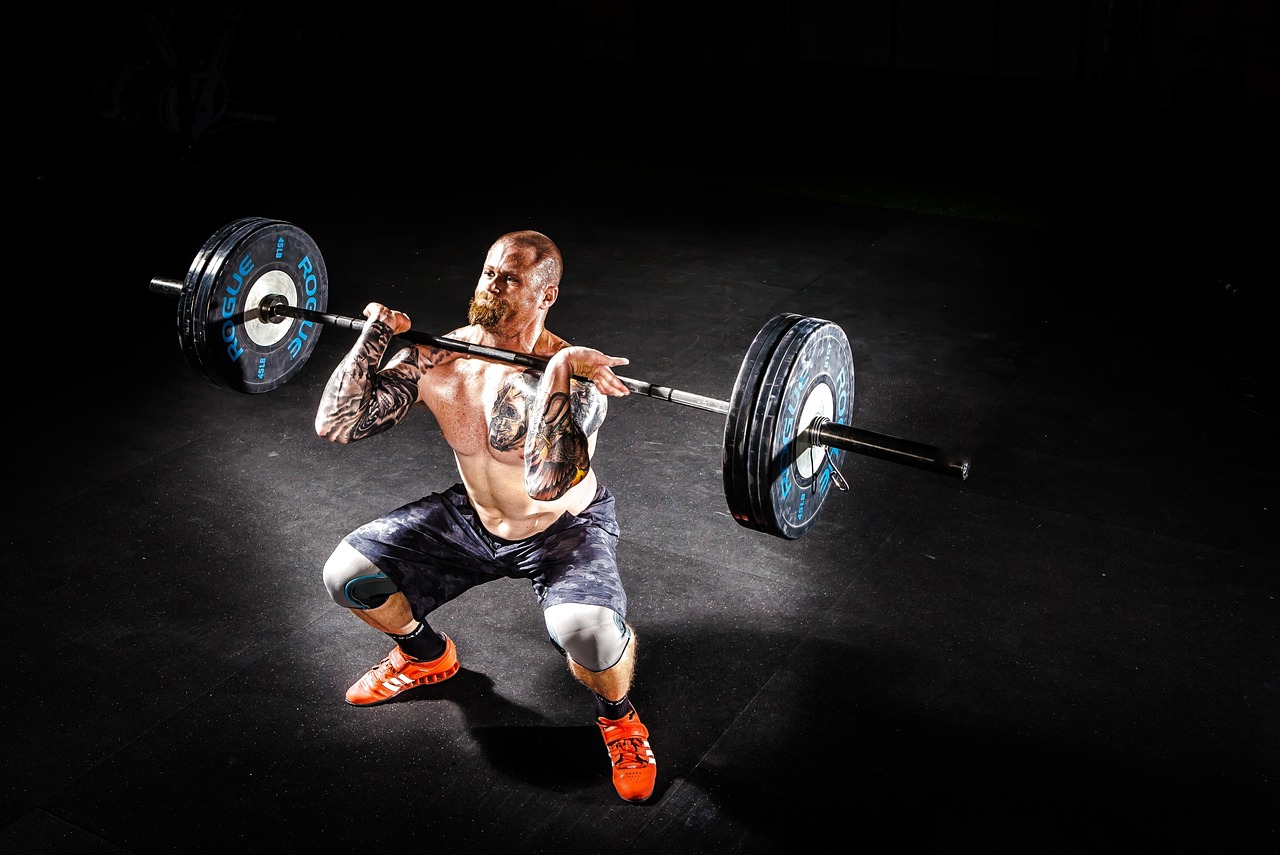
Late June in Colorado Springs: nine days of national championships at Ed Robson Arena, with 14-year-olds warming up next to Olympians and parents in the stands filming every snatch. Three months earlier, in a convention hall in Columbus, Ohio, more than a thousand lifters crossed the same kind of platform at the Arnold Sports Festival. And every fall, in every corner of the country, a state championship runs on volunteers, borrowed bars and a lot of chalk. Olympic weightlifting has one clear ladder, from your first local meet to the Olympic Games. Here’s who runs each rung of the weightlifting federations ladder, and where you fit in.
Looking for the squat, bench and deadlift? Powerlifting has several federations of its own, covered in our powerlifting federations guide.
IWF: the world federation
The International Weightlifting Federation (IWF) writes the rules of the snatch and clean & jerk, sets the bodyweight categories and runs the World Championships for youth, juniors and seniors. Its rulebook defines the age groups everyone uses: Youth (13–17), Junior (15–20), Senior (15 and up) and Masters (35 and up). It also changes the categories when the Olympic program changes: the categories in force from August 1, 2026 are the second set in two years.
The Olympic Games
Weightlifting has been on every Olympic program since 1920 (and appeared in 1896 and 1904); women first competed at the Sydney 2000 Games. For Los Angeles 2028, the IOC set 12 weightlifting events, six for men (65, 75, 85, 95, 110 and +110 kg) and six for women (53, 61, 69, 77, 86 and +86 kg), with 120 lifters in total, ten per event. Lifters earn their places through the LA28 qualification system the IOC and IWF published, and in the US, USA Weightlifting’s National Team Program publishes the selection procedures for international teams.
USA Weightlifting
USA Weightlifting (USAW) is the national governing body for the sport in the US. Its stated mission is to grow the sport for lifelong participation and to win Olympic medals. Members can compete in local and national meets, join registered clubs, chase American records and enter the National Team Program; an individual membership costs about $59 to $89 a year depending on age (monthly plans exist too), and members agree to anti-doping rules and may be tested. American records can only be set at drug-tested USAW national events or IWF-sanctioned events, and a record falls to a lift just 1 kg heavier.
Weightlifting State Organizations (WSOs)
Locally, USAW runs through Weightlifting State Organizations. Some cover a whole state, big states are split, and small states are combined; the state you live in decides your WSO. Each WSO is a committee of nine elected volunteers with a budget to hold an annual WSO Championship (most happen in September and October), give scholarships and grow the sport in its region. Some regions also hold state championships. Half the WSOs elect their committees every four years starting in 2023, the other half every four years starting in 2025, and anyone can help out at the WSO Championship.
The national calendar
As of the 2026 season, USAW’s national events were:
| Event | 2026 dates and place | Who it’s for |
|---|---|---|
| VIRUS Weightlifting Series 1 | March 5–8, Arnold Sports Festival, Columbus, Ohio | Open national meet, capped at 1,400 athletes |
| National University Championships + Masters Nationals | April 9–12, Salt Palace, Salt Lake City | University lifters (no registration cap) and masters 35+, each on its own platform |
| National Championships Week | June 20–28, Ed Robson Arena, Colorado Springs | Senior, Junior, U25 and Youth (U11, U13, 14–15, 16–17) |
| VIRUS Weightlifting Series 2 | September 10–13, Fort Worth, Texas | Open national meet, with the Texas-Oklahoma WSO Championships; first national event on the new categories |
| VIRUS Weightlifting Finals | December 3–6, Alameda County Fairgrounds, Pleasanton, California | Season-ending national meet |
National events need a qualifying total made at a USAW-sanctioned meet within the qualifying window; USAW publishes the totals for each season. The 2025 Nationals Week put more than 1,500 athletes on the platform, so it’s very much a meet for regular lifters, not just the national team.
Coaches and officials
USAW also certifies coaches. Its Level 1 course (online or in person) is open to anyone 16 or older with the coach membership, SafeSport training is required to keep the credential, and coaches at national events need a background check. A Level 2 course and other coaching programs follow, including a sports performance workshop run with the American College of Sports Medicine. USAW trains technical officials (referees) too. When you look for a club, a USAW-certified coach and a club that runs or attends sanctioned meets are good signs.
Youth weightlifting
Most young lifters start at a club and lift in youth sessions at local meets. The next steps are the WSO Championship and Youth Nationals, held during National Championships Week with U11, U13, 14–15 and 16–17 age groups, and from 13 the IWF’s youth category opens the door to international youth meets. Our youth weightlifting page covers what pediatricians say and how to pick a coach.
University weightlifting
Weightlifting isn’t an NCAA championship sport or on the NCAA’s emerging sports list. Colleges field club teams and some run varsity programs (Concordia University in Nebraska, for example, has a weightlifting team), and USAW keeps a list of active university teams by state. The big meet is the National University Championships, which in 2026 moved to Salt Lake City with Masters Nationals, dropped its registration cap and stretched its qualifying period deeper into the school year. It’s also the last US qualifier for the FISU World University Championships, whose rules say lifters must be at least 17 and under 25 on January 1 of the event year.
Masters: lifting for life
Masters weightlifting starts at 35. USAW holds Masters Nationals every year, recognizes masters lifters who win gold at three eligible national events in one calendar year with its Masters Triple Crown (17 lifters earned it in 2025), and relaunched a Masters Hall of Fame in 2026. Internationally, masters lifters have their own world championships, run by the United Masters Weightlifting Federation. It’s never too late to start: you compete against people your own age.
Adaptive athletes
USAW welcomes lifters with disabilities. At local meets, an adaptive athlete simply works out any accommodations with the meet director; no extra forms are needed. To lift at a national event as an adaptive athlete, you need a disability as defined by the ADA, a one-time approval form signed by your health professional, and a qualifying total equal to 50% of the usual national standard, made at a sanctioned meet.
How to get started
- Find a club with a USAW-certified coach, using USAW’s club finder.
- Join USAW so you can enter sanctioned meets; read the anti-doping rules if you take supplements.
- Enter a local meet from the USAW event calendar, then your WSO Championship.
- Check the qualifying totals if you’d like to aim for a national event. See our rules page and meet day page first.
Gear and supplements for tested lifters
Because USAW members can be drug-tested, what goes in your shaker matters as much as what goes on the bar. Third-party certification for sport lowers the risk of a contaminated product. Thorne Creatine (about $44 for 90 servings of 5 g creatine monohydrate) is NSF Certified for Sport; our best creatine guide compares more. Talk to a doctor or dietitian before starting any supplement. For the meet bag, the SBD 5 mm weightlifting knee sleeves (about $115, sold as IWF compliant) and a block of Cannon Sports chalk (about $18 for eight 2 oz blocks) are two easy, legal additions.
Thorne Creatine
- 5 g creatine monohydrate
- 90 servings
- About $44
SBD 5mm Weightlifting Knee Sleeves
- 5 mm neoprene
- IWF compliant (maker)
- About $115
Back to the Olympic weightlifting hub, or see the youth, meet day and nutrition and supplements pages. CrossFit has its own season and organizations; see CrossFit organizations.
Weightlifting federations questions
Who governs weightlifting in the US?
USA Weightlifting is the national governing body for Olympic weightlifting. It sanctions meets, runs the national championships, certifies coaches and referees, keeps American records and runs the National Team Program, with local Weightlifting State Organizations running the grassroots side.
What is a WSO in weightlifting?
A Weightlifting State Organization: USAW’s local committee for a state or region, made up of nine elected volunteers. Each WSO holds an annual WSO Championship, usually in September or October, and helps grow the sport locally.
How many weight classes are there at the 2028 Olympics?
Twelve: six for men (65, 75, 85, 95, 110 and +110 kg) and six for women (53, 61, 69, 77, 86 and +86 kg), with ten lifters in each.
Can you do weightlifting in college?
Yes. It isn’t an NCAA sport, but many colleges have club teams and some have varsity programs. USA Weightlifting runs the National University Championships each spring, which also serves as the US qualifier for the FISU World University Championships.
Can people with disabilities compete in weightlifting?
Yes. At local USAW meets, adaptive athletes arrange accommodations with the meet director. For national events, they qualify with half the usual qualifying total and a one-time approval form from their health professional.